• FluTrackers.com Inc. does not provide medical advice. Information on this web site is collected from various internet resources, and the FluTrackers board of directors makes no warranty to the safety, efficacy, correctness or completeness of the information posted on this site by any author or poster. The information collated here is for instructional and/or discussion purposes only and is NOT intended to diagnose or treat any disease, illness, or other medical condition. Every individual reader or poster should seek advice from their personal physician/healthcare practitioner before considering or using any interventions that are discussed on this website. By continuing to access this website you agree to consult your personal physican before using any interventions posted on this website, and you agree to hold harmless FluTrackers.com Inc., the board of directors, the members, and all authors and posters for any effects from use of any medication, supplement, vitamin or other substance, device, intervention, etc. mentioned in posts on this website, or other internet venues referenced in posts on this website.
  • We are not asking for any donations. Do not donate to any entity who says they are raising funds for us.

DRC - Mpox (monkeypox) outbreak 2023

Translation Google

Presentation of research results of the new mpox vaccine in the DRC

September 27, 2023

Kinshasa, September 27, 2023 (ACP).- The results of epidemiological and laboratory research on the new “mpox” vaccine against monkeypox (Monkeypox) were presented Wednesday in Kinshasa in the Democratic Republic of Congo, noted a journalist of the ACP.

“ Monkey pox, also called Monkeypox, has seen a dangerous increase in the number of cases in several provinces of our country over the last two years. The absence of a safe vaccine and specific treatment makes it difficult to use epidemic control strategies. We would therefore like to thank the mixed teams, the INRB as well as other partners for the presentation of the results obtained from the various research. These results will allow us to decide on the use of the new vaccine for the prevention of the population at risk, ” indicated the deputy director of the school of public health, Professor Joël Konde Nkiama Numbi. “ We want to see the results of the vaccine, how it evolves and how it increases in our antibodies. This is how we will decide on the adoption of the vaccine. We also want to ensure the effectiveness of the vaccine and know if there have been any major side effects ,” declared the director of the National Program for the Fight against Monkeypox and Viral Hemorrhagic Fever (PNLMpx- FHV), Dr Robert Shongo. And to continue: “ at this moment we are going to draw conclusions and be able to adopt the vaccine and propose recommendations to the Minister of Health and also to the government so that we can finally have a vaccine to vaccinate in our different provinces at risk ”.

Dr Shongo said that the reservoir of the “mpox” virus is unknown. However, Monkeypox or monkey pox still remains a public health problem in the DRC. This pathology has a prevalence of 10,168 cases since 1996 to the present day, of which 23 provinces are endemic. “ The PNLMpx-FHV faces major challenges, namely: the invention of a safe vaccine, specific drugs, rapid field testing, reservoir research and mobilization of funds to ensure the investigations,” he said . He specifies.

Note that the workshop representing the results of research on “mpox” by the mixed team of experts from the CDC Atlanta, the Kinshasa School of Public Health, the Faculty of Sciences of the University of Kinshasa of the Ministry of Public Health, Hygiene and Prevention is held in Kinshasa from September 27 to 28, 2023.

Monkeypox is a zoonosis characterized by fever, a vesicular and pustular rash caused by an orthropoxvirus which partially affects children clinically. it resembles smallpox and may be confused with serious chickenpox and epidemiologically, it is different from smallpox, we recall. ACP/


https://acp.cd/sante/346283/
 
Translation Google

Tshopo: more than 1000 cases of monkey pox recorded since January

Published on Fri, 09/29/2023 - 1:23 p.m. | Modified on Fri, 09/29/2023 - 1:23 p.m.

More than a thousand cases of monkey pox have been recorded since the start of this year in the Tshopo province, including around a hundred deaths, said Thursday, September 28, the head doctor of the provincial health division, Dr. Francis Baelongadi.

The latest suspected cases of this epidemic were reported at the Makiso general hospital in Kisangani. According to the same source, they are a couple with their two children aged 22 months and 5 years respectively.

Everything is being done, in particular with the support of partners for the management of proven cases, declared Dr. Francis Baelongandi.

These four suspected cases are in isolation at the Makiso general hospital treatment site. These include high fever and skin rashes.

“There are skin rashes on the palms of the hands, chest, face and thighs. For the moment, we have isolated them, they are now in our room. We are in the analyzes at the provincial laboratory…” explained nurse John Kangakea of ​​the epidemiological surveillance team.

For the chief medical officer of the Tshopo Provincial Health Division, many cases are recorded in the health zones of his jurisdiction.

The Yauma health zone is the epicenter of this disease.

Dr Francis Baelongadi calls on the population to respect preventive measures:

“Prevention, as we say, is first of all a certain personal hygiene, avoiding contact with people, these infected people, avoiding contact also with wild animals, it is already protecting ourselves so that we not be reached…”.

Eleven health zones out of the twenty-three in Tshopo are affected by this monkeypox epidemic.

https://www.radiookapi.net/2023/09/...-cas-de-monkey-pox-enregistres-depuis-janvier

 
Translation Google

South Kivu: A confirmed case of monkeypox recorded in Bukavu (DPS)

Thursday October 12, 2023 - 07:23

A first case of monkeypox has been confirmed in the commune of Ibanda in Bukavu in South Kivu.

The provincial health division announced this on Wednesday October 11, 2023, following laboratory examinations.

Doctor Claude Bahizire, communications officer at the provincial health division (DPS), specifies that 3 other suspected cases have been identified, including one in the Walungu territory and two others in Kamituga in the Mwenga territory.

He informs that 15 contact cases are already in quarantine.

"There is a danger because it is a very contagious and viral disease. Suspected cases and contacts are under surveillance in quarantine. The sick person starts with fever, reddish spots or spots with fluid on the skin. The population must be careful,” he said in an address to the press.

Doctor Claude Bahizire explains that measures have been taken by the provincial health division to deal with this situation.

It should be noted that monkey pox or Monkeypox is transmitted from a sick animal to a man and from sick man to healthy man. It manifests itself as pimples filled with fluid all over the body, including the scalp. Treatment is symptomatic. To date, there is no vaccine against this disease.

Déogratias Cubaka, in Bukavu

https://7sur7.cd/2023/10/12/sud-kivu-un-cas-confirme-de-la-variole-de-singe-enregistre-bukavu-dps


Translation Google

Monkey pox: South Kivu reaches 6 cases, more than 90 people under surveillance

Monday October 16, 2023 - 08:29

5 new cases of monkeypox or Monkeypox have been confirmed in the province of South Kivu. In addition to the first case confirmed in Bukavu last week, these new cases confirmed in Mwenga territory bring the bar back to 6 cases.

The Provincial Health Division (DPS) in South Kivu, confirmed this in an address to the local press, on Saturday October 14, 2023. Its communications manager, Doctor Claude Bahizire reports that 94 people listed as contacts of the cases confirmed are under surveillance. He calls on the population to respect barrier measures to protect themselves against this contagious disease.

"These cases are all monitored. Monkeypox is a very contagious disease. If it is neglected, it can lead to mortality. If the population manages to follow the advice of health professionals, they can survive." did he declare

It should be noted that monkey pox or Monkeypox is transmitted from a sick animal to a man and from sick man to healthy man. It appears as fluid-filled pimples all over the body, including the scalp. Its treatment is symptomatic.

Déogratias Cubaka, in Bukavu


https://7sur7.cd/2023/10/16/variole...t-la-barre-de-6-cas-plus-de-90-personnes-sous
 
Translation Google

Monkey pox: In South Kivu, hunting activities suspended to limit the spread

Wednesday October 25, 2023 - 8:26 p.m.
7sur7

Animal hunting activities are suspended throughout the South Kivu province, to prevent and limit the spread of monkeypox or monkeypox, confirmed cases of which have been reported in the province.

The provincial coordination of the environment and sustainable development, which announced this decision on Tuesday October 24, 2023, indicates the objective is to avoid any contact between humans and infected animals.

In an address to the press, John Yohana, provincial environment coordinator, informs that this decision protects wildlife which is the main reservoir of the virus.

He emphasizes that the sale, consumption, storage, transport and trade of bush meat are prohibited in the 8 territories of the South Kivu province.

It should be noted that the province of South Kivu has already reported 6 confirmed cases of monkeypox, including 1 in Bukavu and 5 in Kamituga in less than 2 weeks. For the moment, dozens of contact cases are in quarantine for observation.

This contagious disease is transmitted from a sick animal to a man and from a sick man to a healthy man. It manifests itself as pimples filled with fluid all over the body, including the scalp.

Déogratias Cubaka, in Bukavu

https://7sur7.cd/2023/10/25/variole...ctivites-de-chasse-suspendues-pour-limiter-la
 
Translation Google

Kwilu: three deaths reported following Monkeypox-like illness in Bagata

Monday October 30, 2023 - 10:47

An unknown disease, presenting symptoms similar to those of Monkeypox, caused three deaths at the Kindongo health center, in the Bagata health zone, Kwilu province.

The provincial health minister confirmed that of the seven cases, three deaths were reported last week. In addition, four people managed to recover through symptomatic treatment. Samples were taken from the patients and sent to the National Institute of Biomedical Research for further analysis.

Minister Bena Mutuyi said a first case, similar to Monkeypox, had been admitted to Bagata General Hospital and placed in quarantine. Unfortunately, this person managed to escape and was found in a health center in the same area, where he eventually died. Unfortunately, hygiene measures were not respected during the burial, leading to two other cases and two additional deaths.

The Minister of Health insisted on the importance of respecting barrier measures, particularly in the current context of the Covid-19 pandemic. He reminded the population of the importance of prevention, even if the exact nature of this disease is still unknown, despite the symptoms being similar to Monkeypox.

Kwilu province is facing several epidemics, including polio, measles and yellow fever. Vaccination activities are experiencing delays, mainly due to the nurses' strike and the limited availability of inputs needed for vaccination.

Jonathan Mesa


https://actualite.cd/2023/10/30/kwi...ite-une-maladie-similaire-au-monkeypox-bagata
 
Kwilu: 3 deaths from a disease similar to Monkey pox in Bagata

Published on Tue, 10/31/2023 - 3:41 p.m. | Modified on Tue, 10/31/2023 - 3:41 p.m.


Three people have died from an unknown illness, presenting symptoms similar to those of Monkey pox, since last week in the Bagata health zone, precisely in the Kindongo health area (Kwilu).

This information is given by the provincial Minister of Health, Bena Mutuy.

The latter also confirms that in total, seven suspected cases of this disease have been recorded, of which four people have recovered thanks to symptomatic treatment.

He said that samples were taken from the patients and sent to the National Institute of Biomedical Research (INRB) in Kinshasa for in-depth analyses.

Dr Bena Mutuy insists on observing the hygiene measures enacted in the fight against the coronavirus, to fight against this unknown disease, even if its nature is not yet specified:

“It’s three deaths. So, it all started with a case similar to Monkey pox, which was received at the Bagata general hospital. We had isolated this lady. Unfortunately, the lady escaped, she went to a health center in the same health zone of Bagata. Eventually she died."

The same source estimates that the local population had not put in place the “hygiene measures to be able to bury her. This is how two other cases were recorded, and the two cases there too had died”.

The head doctor of the zone then went to the site, “he carried out investigations, he took samples which were sent to the INRB in Kinshasa. Now, we are waiting for the results”.

Dr Bena says he has raised awareness among the local population regarding hygiene measures, as usual.

The same hygiene rules are observed in particular among health personnel, “who must wear gloves before handling these cases. And as soon as there are deaths, this should not be made available to the population, that the case should not be manipulated by the population. People must wear gloves, we must avoid hand greetings, all these hygiene measures that we used against COVID-19…”

https://www.radiookapi.net/2023/10/...s-dune-maladie-similaire-au-monkey-pox-bagata
 
Translation Google

Kwilu: 37 cases of monkeypox reported and some deaths reported

02.11.2023

The Kwilu province (south-west of the DRC) is currently facing a monkeypox epidemic. According to the head of the provincial health division, Jean-Pierre Basake, 37 cases have been reported in eight health zones in the province, with a few deaths reported.

"We have recorded 37 suspected cases across the entire provincial health division. There are eight health zones. The seven cases reported in Bagata are the most worrying," he said.

“Monkeypox viral disease does not have a specific treatment, mainly awareness is crucial first,” he told us.

In order to assess the situation and confirm the evolution of the epidemic, samples were sent to the National Institute of Biomedical Research (INRB). However, Dr. Basake deplores the delay in obtaining results.

The head of the health division concluded that three deaths were recorded among the seven cases identified in Bagata.

It should be noted that monkeypox is a viral disease similar to smallpox, transmitted mainly by wild animals, particularly rodents. It can also spread from person to person through direct contact with bodily fluids or skin lesions. Although less serious than smallpox, monkeypox can cause a variety of symptoms in humans, such as fever, headache, rash, muscle pain, and swollen glands.

Guylity Mutombo
congo-press.com / MCP, via mediacongo.net

https://www.mediacongo.net/article-...ypox_notifies_et_quelques_deces_signales.html
 
Source: https://www.who.int/emergencies/disease-outbreak-news/item/2023-DON493

Mpox (monkeypox)- Democratic Republic of the Congo

23 November 2023

Situation at a Glance

Mpox is an infectious disease caused by monkeypox virus (MPXV), which is endemic in densely forested regions of West, Central and East Africa, particularly in the northern and central regions of the Democratic Republic of the Congo. Eleven of the 26 provinces of the Democratic Republic of the Congo are identified as endemic for mpox, but in more recent years the total number of mpox cases and the number of provinces reporting mpox has been expanding, to 22 provinces as of November 2023. There are two known clades of MPXV: clade I, previously known as the Congo Basin clade; and clade II, previously called the West African clade; clade II further has two subclades: clade IIa and clade IIb. Before 2018, very few cases were reported outside of the African continent: eight international travellers returning from endemic countries and one outbreak related to imported animals. Since 2022, an epidemic of clade IIb MPXV has been ongoing globally, affecting many countries outside the African continent that had never reported mpox previously. The spread of this epidemic was mainly driven by transmission via sexual contact among men who have sex with men. The Democratic Republic of the Congo has not reported cases of mpox linked to clade IIb MPXV during the global outbreak to date; only MPXV clade I has been detected in the country. Before April 2023, no formally documented cases of sexual transmission of clade I MPXV were registered globally. The first known cases were reported when a man, resident in Belgium and with connections to the Democratic Republic of the Congo, tested positive for clade I in Kenge, Kwango province, during a visit to the Democratic Republic of the Congo. Thereafter, sexual contacts of this case in the Democratic Republic of the Congo also tested positive for clade I MPXV, with closely related viral sequences. This is the first time that reported clade I MPXV infection is linked to sexual transmission within a cluster. Another outbreak in the country is also being reported with multiple cases of mpox among sex workers. In the Democratic Republic of the Congo, human-to-human transmission of mpox through close contact has been reported since the 1970s, mostly in small household or community outbreaks, presumed to be primarily due to zoonotic transmission. Due to a lack of timely access to diagnostics, difficulties with linking cases to any contact with infectious animals, and incomplete epidemiological and contact tracing investigations over the years, the dynamics of MPXV clade I transmission in the Democratic Republic of the Congo are not well understood. These new features of sexual and unknown modes of transmission now raise additional concerns over the continuing rapid expansion of the outbreak in the country. In the global outbreak of mpox which began in 2022, clade IIb MPXV transmission between humans continues in most WHO regions. In addition, clade I MPXV community outbreaks occur regularly in three countries (Cameroon, Central African Republic, and the Democratic Republic of the Congo) and sporadically in others (e.g., Sudan, South Sudan). In some of these geographic areas in East, West and Central Africa, transmission from animals to humans is also presumed to occur. The natural reservoir of the virus is unknown; while various small mammals such as squirrels and monkeys are known to be susceptible, they have rarely been linked to outbreaks.

Description of the Situation

From 1 January through 12 November 2023, a total of 12 569 suspected mpox cases, including 581 suspected mpox deaths (case fatality ratio: 4.6%), have been reported in 156 health zones from 22 out of 26 (85%) provinces in the Democratic Republic of the Congo. This is the highest number of annual cases ever reported, with new cases in geographic areas that had previously not reported mpox, including Kinshasa, Lualaba, and South Kivu. Among suspected cases, 1106 were tested by reverse transcriptase-polymerase chain reaction (RT-PCR), and 714 were positive for MPXV (positivity rate of 65%).
Cases with travel history to endemic provinces have been driving chains of human-to-human transmission in non-affected provinces (Figure 1 & 2).
Figure 1: Geographic distribution of suspected mpox cases by province, Democratic Republic of the Congo, 1 January – 4 November 2023 (Epi weeks 1 to 44)

Figure 2: Geographic distribution of confirmed mpox cases by province, Democratic Republic of the Congo, 1 January – 7 October 2023 (epi weeks 1 to 40)


First cases of sexually transmitted clade I MPXV:
The first cluster of suspected cases of sexually transmitted mpox was identified in Kenge, Kwango province of the Democratic Republic of the Congo. It included six confirmed cases, five men and one woman, with no deaths among the confirmed cases. The first known case is a man, resident of Belgium with connections to the Democratic Republic of the Congo, who arrived in Kinshasa, on 15 March 2023 and started experiencing anal itching and discomfort the same day. On 16 March 2023, one day after arrival from Belgium, he travelled to the town of Kenge (260 km from Kinshasa). On 17 March, his anal lesion and genitals became painful blisters, and he developed further skin lesions on the trunk and buttocks. On 23 March, he consulted a doctor who suspected mpox, and a blood sample, oropharyngeal, rectal and vesicle swabs were performed on 24 March. The patient tested positive by RT-PCR of biological samples at the National Institute of Biomedical Research (INRB) in Kinshasa and the result was shared with the Ministry of Health on 10 April. Genomic sequencing of the sample confirmed that it was clade I MPXV.
The individual identified himself as a man who has sexual relations with other men. During his travel in the Democratic Republic of the Congo, he visited discretely operating known clubs of men who have sex with men and had several sexual contacts. He showed symptoms on the day of his arrival in the country, and with the mpox incubation period most often being more than one day, available information suggests that exposure took place outside the Democratic Republic of the Congo. Nonetheless, genetic analysis of the virus confirmed infection with a clade I strain, similar to other strains circulating in the Democratic Republic of the Congo. Although the patient had no reported exposure to another person with confirmed mpox, based on the epidemiological investigation exposure to mpox likely occurred in Belgium.
Epidemiological investigation following this first case identified several sexual and non-sexual contacts who were monitored over time for mpox signs and symptoms. Among 27 contacts identified and six tested, five sexual contacts tested positive for mpox: two were confirmed on 10 April and three on 18 April. Of these five contacts, three developed symptoms during their 21-day follow-up period. Two contacts who did not develop symptoms also tested positive by a mucous membrane sample. Of the five confirmed contact cases, four were men aged between 24 and 35 years old and one was a woman. The initial case confirmed having sexual contact with each of them. After his recovery from mpox he returned to Belgium on 5 May 2023.
This cluster of mpox cases represents the first documented sexual transmission of MPXV Clade I. It is also the first described transmission of MPXV Clade I among men who have sex with men. Notably, there are clubs in Kenge for men who have sex with men, some of whose members travel to visit other clubs within the country and outside the country, particularly in Europe and within Central Africa. In the city of Kinshasa, there are more than 50 such clubs. Some members of these clubs also reside outside the Democratic Republic of the Congo.

This event is unusual and highlights the risk that MPXV clade I could also widely spread among sexual networks, as seen for clade II during the 2022-23 global outbreak.

On 28 July 2023, another confirmed case of mpox was recorded in another man who had sex with men in Kenge town in the Democratic Republic of the Congo. The patient was a man residing in Kenge, with onset of the disease on 11 June 2023. He was not listed among the contacts of the first group of cases and the limited epidemiological investigation did not directly link him to the March-April cluster. Genome sequencing for this case has not been performed. Further epidemiological investigations are being conducted to verify reports of new cases in this province.
First mpox outbreak in Kinshasa
In August 2023, for the first time, mpox cases were confirmed in Kinshasa, the capital of the Democratic Republic of the Congo. Four separate events were identified where persons exposed in other provinces (Equateur, Maindombe) travelled to Kinshasa, each leading to local transmission with small clusters in the capital. Between 18 August and 12 November 2023, a total of 102 suspected cases were reported in eight health zones in Kinshasa, including 18 confirmed cases with one confirmed mpox death (case fatality ratio of 5.6% among confirmed cases).
The first confirmed case was in a person who arrived from the Maindombe province, where mpox is endemic, to Kinshasa by river boat. He was confirmed on August 18 and subsequently several of his close contacts developed symptoms and tested positive for MPXV. Additional imported confirmed cases were reported in Limete, Makala and Nsele health zones. The sex ratio among confirmed cases in Kinshasa is men 2: women 1, with a median age of 24 (95% CI 11-27) years. For the moment, 13 of the confirmed cases have recovered (including a health worker), one died and four are isolated and under treatment. The person who died also had tuberculosis and acquired mpox during hospitalization, indicating nosocomial transmission.
These new reports of human-to-human transmission of mpox in a large urban area such as Kinshasa clearly illustrate that the epidemiology of mpox in the Democratic Republic of the Congo is changing.
First mpox outbreak in South Kivu
Before 2023, South Kivu province had not reported mpox. The first confirmed case was a young trader who travelled from Kisangani, in Tshopo province, one of the mpox endemic provinces, a few days before the onset of symptoms on 26 September 2023. The first skin lesions were located on his genitals and later extended to the whole body. During the initial epidemiological investigation, 113 contacts were registered in Bukavu and Kamituga health zones. As of 22 November 2023, a total of 80 suspected and 34 confirmed cases (including 20 sex workers) of mpox have been reported in South Kivu mainly from the Kamituga health zone, with no deaths. Currently South Kivu province is grappling with conflict, displacement, food insecurity, and challenges in providing adequate humanitarian assistance, all of which have a profound impact on the local population, especially vulnerable groups, and might represent fertile ground for further spread of mpox.
Animal studies
The natural reservoir of the monkeypox virus is unknown – various small mammals such as squirrels and monkeys can be infected, and non-human primates are known to be clinically susceptible. Over the decades, the Democratic Republic of the Congo and partners have carried out animal studies to better characterize the ecology of the virus and potential animal reservoirs or incidental hosts. Such studies have been carried out in the provinces of Equateur, Haut Uélé, Kwango, Kwilu, Maïndombe, Maniema, Sankuru, Sud Ubangi, Tshopo, and Tshuapa. Eco-epidemiolocal studies are ongoing with national and international research partners collaborating to determine reservoir and incidental hosts.

Epidemiology

Mpox (monkeypox) is an infectious disease caused by the monkeypox virus (MPXV). There are two known clades of MPXV: clade I, previously called the Congo Basin clade; and clade II, previously called the West Africa clade; clade II further has two subclades: clade IIa and clade IIb. The disease is caused by one of the two clades of MPXV transmitted between humans through close contact with lesions, body fluids, respiratory droplets or contaminated materials, or from animals to humans through contact with live animals or consumption of contaminated bushmeat.
The incubation period ranges from two to 21 days, although some people can acquire infection without developing symptoms. Typically for mpox, fever, muscle aches and sore throat appear first, followed by skin and mucosal rash. Typically, the rash evolves over 2-4 weeks in stages – macules, papules, vesicles, pustules. Lesions dip in the centre before crusting over. Scabs then fall off. Lymphadenopathy (swollen lymph nodes) is also a typical feature of mpox, present in most cases. Children, pregnant people and people with weak immune systems are at risk for complications and death from mpox.
Identifying mpox can be difficult as other infections and conditions can look similar. It is important to distinguish mpox from chickenpox, measles, bacterial skin infections, scabies, herpes, syphilis, other sexually transmissible infections, and medication-associated allergies. Someone with mpox may also concurrently have another sexually transmissible infection such as herpes. Alternatively, a child or adult with suspected mpox may also have chickenpox. For these reasons, testing is key for people to get treatment as early as possible and to prevent further spread.
Detection of viral DNA by polymerase chain reaction (PCR) is the preferred laboratory test for mpox. The best diagnostic specimens are taken directly from the rash – skin, fluid or crusts – collected by vigorous swabbing. In the absence of skin lesions, testing can be done on oropharyngeal, anal or rectal swabs. However, while a positive result of oropharyngeal, anal or rectal sample is indicative of mpox, a negative result is not enough to exclude MPXV infection. Testing of blood is not recommended. Antibody detection methods may be used for retrospective case classification, but not diagnosis. It needs to be restricted to reference laboratories and it may not be useful as often it does not distinguish between different orthopoxviruses.
Treatment is based on taking care of the rash, managing pain, and preventing complications. In addition, specific antiviral medications such as tecovirimat can also be used in the treatment of mpox, particularly for severe cases or individuals at higher risk of complications. In the context of the global outbreak of mpox which began in 2022 (caused mostly by Clade IIb virus), the presentation of mpox varied, with some cases showing a rash appearing before or simultaneously with other symptoms, and the initial lesions were often localized on genitals and mucosae such as the mouth. For the first time the spread of MPXV has been driven and sustained by sexual contact among men who have sex with men who are members of large sexual networks.

Public Health Response

Emergency coordination:
  • The Ministry of Public Health, Hygiene and Prevention prepared a budgeted national mpox preparedness and response plan.
  • Further to this plan, an mpox Emergency Operations Centre and Incident Management Team were inaugurated in February 2023 to implement the following actions:
Monitoring and detection:
  • Strengthening surveillance of mpox throughout the country and particularly in Kinshasa, Kenge and Kamituga.
  • Distribution of sample collection and transport kits to reference hospitals and logistical support for collecting, transporting, and examining samples from suspected cases in Kenge, Kinshasa and other affected areas.
  • Capacity building of health care providers and professionals in mpox surveillance, including detection of sexual transmission and other possible modes of transmission.
  • Monitoring of contacts of clinical and laboratory-confirmed cases for a period of 21 days.
  • Genetic sequencing of MPXV samples to better understand the circulating viral strain(s).
Communication and awareness:
  • Information campaign on the risks of mpox and other sexually transmitted infections to groups potentially at risk, specifically targeting members of sex-clubs in Kenge and elsewhere.
  • Identification and engagement of other clubs and populations potentially at risk.
  • Establishment of a call center to facilitate alerts reporting and promote communication between health authorities and the communities concerned.
Case management and infection prevention and control:
  • Supply of personal protective equipment to health professionals in Kenge, Kinshasa, Kamituga Maindombe and Tshopo.
  • Isolation of confirmed cases in hospital or at home to prevent further transmission.
  • Adapted clinical care, including psychological support, for persons with mpox.
Training and capacity:
  • Training of laboratory workers from Kamituga, Kenge, Kinshasa and any other affected city or province on the collection, conservation, and appropriate delivery of mpox samples.
  • Raising awareness among health authorities and health care providers across the country about mpox and its management.
WHO Risk Assessment


From 1 January to 12 November 2023, there has been a two-fold increase in the number of suspected mpox cases with 12 569 suspected cases reported, compared to 6216 in 2020, the highest annual number previously reported. Mpox has also been reported in new geographic areas such as Kinshasa, Kwango province and South Kivu. The reasons for this expansion, affecting men, women and children, remain unknown. Although increased awareness of the global mpox epidemic due to clade IIb MPXV has helped improve surveillance in the country, many aspects of the current situation remain to be elucidated.
Transmission of mpox through sexual contact enables faster spread from one person to another due to direct contact of mucous membranes, possibly leading to a shorter average incubation period. Immunocompromised individuals, either due to uncontrolled HIV or other immunocompromising conditions, are at higher risk for severe mpox complications and mpox-related death. While national HIV prevalence in the Democratic Republic of the Congo is estimated to be <1%, it is estimated to be 7.1% among men who have sex with men. Overall, an estimated 17% of people living with HIV in the country do not know their status, putting them at risk of developing advanced HIV infection, compromised immunity, and severe mpox disease.
The detection of clade I MPXV among visitors to a club of men who have sex with men in Kenge, some of whose members travel to visit other clubs within and outside the country, particularly in central Africa and in Europe, represents a risk for men who have sex with men in the Democratic Republic of the Congo and internationally. In the city of Kinshasa, it is estimated that there are over 50 similar clubs, and some of their members reside outside the Democratic Republic of the Congo.
It is still unclear what proportion of mpox cases in the Democratic Republic of the Congo may be exposed through sexual contact; however, with outbreaks linked to sexual transmission documented in 2023 in three previously unaffected provinces, the potential additional public health impact of this new observation could be significant, particularly in under-resourced urban areas. The rapid evolution of the new outbreak in South Kivu, including among sex workers, is also concerning.
Additionally, the first case identified in Kinshasa had traveled to the city by boat on the Congo river. These boats constitute a potentially high exposure environment since people are often in proximity, transporting animals, selling and consuming wild game on board, and often traveling on the boats for weeks while sharing beds and sometimes engaging in sexual activities. Moreover, the human-to-human spread potential is amplified in urban settings such as Kinshasa and the implementation of containment measures is more challenging.
Response capacities for mpox remain limited in the country. Surveillance and laboratory capacities remain suboptimal: only 9% (1106 / 12 569, as of week 44) of suspected cases this year have been tested by PCR. There are no immunization programmes for populations at risk of mpox in the Democratic Republic of the Congo outside of research projects, and access to the antiviral medication tecovirimat also remains limited to a few clinical research studies in the country.
Risk communication and community engagement are therefore of critical importance to address the risk posed by modes of transmission traditionally reported as bushmeat consumption and community outbreaks, as well as for the newly described risk of sexual transmission, particularly among men who have sex with men. According to a recent WHO study, awareness of the risks associated with mpox is low in the Democratic Republic of the Congo. Additionally, anyone suffering from disfiguring skin conditions, including due to mpox, may face stigma, and the lack of health messages to date for men who have sex with men in the country exposes this population to a particular risk.
In summary, the reasons for concern about further spread of mpox in the Democratic Republic of the Congo are as follows:
  1. The Democratic Republic of the Congo is experiencing a significant increase in the number of suspected cases reported in 2023;
  2. Geographic expansion of the presence of mpox is underway in the newly affected southern and eastern provinces of the country;
  3. Epidemiological and scientific knowledge about mpox remains limited and modes of transmission in the country are poorly understood;
  4. In 2023, confirmed cases of mpox have been reported in the large urban area of ​​Kinshasa and several other previously unaffected areas for the first time;
  5. Sexual transmission of mpox due to clade I MPXV is being documented for the first time and chains of transmission may have been missed;
  6. Key populations experience a higher prevalence of HIV infection than the general population;
  7. Awareness of mpox and the associated risks are insufficient in the general and key populations;
  8. National response capacities face challenges, including limited epidemiological information on exposure and infection risk factors, limited public awareness of mpox and prevention measures, and numerous competing priorities;
  9. Collaboration and coordination among partners are needed to sustain essential research and support a robust response at national as well as provincial and local levels.
The risk of mpox further spreading to neighbouring countries and worldwide appears to be significant. In addition to the features outlined above, arguments supporting the assessment of a high risk of international spread of mpox include the following:
  • These first reported outbreaks of mpox due to clade I MPXV linked to sexual contact include a history of international travel within and across WHO regions;
  • The introduction of clade I MPXV in different and possibly intersecting sexual networks could facilitate and amplify the spread of this historically more virulent clade of the virus;
  • A concurrent outbreak of mpox is occurring in the neighbouring Republic of Congo along the Congo River ecosystem, whose links, if any, with cases in the Democratic Republic of the Congo remain unknown.
These factors pose an additional risk of mpox outbreaks with potentially more severe consequences than the one which has been affecting the world since 2022.


WHO Advice

All countries, including their health authorities and clinicians/healthcare workers, should take note that the global mpox outbreak is ongoing; and, furthermore, the occurrence of sexual transmission of the clade I virus has been confirmed. Infection with clade I MPXV may lead to an increased risk of severe illness.
It is therefore strongly advised that countries continue to follow the Standing Recommendations of the Director-General of the WHO issued in August 2023, particularly concerning the epidemiological surveillance of mpox, strengthening of laboratory diagnostic capacities and genomic sequencing of viruses, community engagement and risk communication, making vaccines available, optimal case management, strengthening research to better understand modes of transmission in different contexts, and sustained support for the development of rapid diagnostic methods and treatments tailored to the needs of patients.
In all settings, it is essential to emphasize the importance of case investigation with sensitivity and absence of stigma and in-depth understanding of human-to-human transmission of mpox in communities, while strengthening the One Health approach in areas where the monkeypox virus circulates in possible mammalian hosts or reservoirs.
It is essential to deepen knowledge in different contexts about the links between mpox and HIV infection, their respective and common risk factors, to provide a population specific health service, and to integrate surveillance and case management within a strengthened and agile health service which meets patient needs.
Actions in the community
Communication on the risks of sexual transmission of mpox must be strengthened, especially among the people most at risk and individuals and households affected by this disease. Advocacy must be done at all levels to support, inform and engage community leaders in implementing the necessary measures to inform and engage their communities about mpox and how to stop its spread.
Risk communication and community engagement activities will be vital in motivating affected communities to become aware of the risks and locally relevant protective behaviours. Socio-behavioural data should be collected, and a situation analysis should be carried out to better understand transmission and risk factors. This information can then be used to improve decision-making, to ensure response efforts are aligned with community needs, priorities and capacities, and to inform the development of risk communications plans and evidence-based community engagement. Key audiences should be identified, including health professionals, men who have sex with men, people working at or attending venues and events where sexual activity takes place, sex workers, and people at risk of more serious illness (including those whose HIV is not treated or adequately controlled).
Partnerships should be established with trusted networks working with these communities to facilitate community engagement. Two-way feedback systems should be established or activated. Particular attention should be paid to measures to understand, prevent and combat stigma and discrimination – these are never acceptable and can undermine the response to the epidemic and have a serious impact on health outcomes.
Concerning the health facility, points of entry and control
Infection prevention and control measures in community venues and health centers are necessary to prevent and respond to outbreaks of mpox. It is important to train staff on the risks linked to contamination, to provide protective equipment, hand washing and hygiene devices in hospitals and at entry/control points; and ensuring appropriate patient isolation is in place. Health care professionals caring for patients with suspected or confirmed mpox infection should take “standard,” “contact,” and “droplet” precautions.
While protecting themselves with recommended measures, healthcare workers should also ensure that stigmatization of patients with mpox is avoided, and that psychological support is provided to patients and their families.
WHO advises against any travel or trade restrictions for the current outbreak.
When collecting clinical and laboratory specimens
Specimens collected from persons and animals suspected of being infected with MPXV should be handled by trained personnel working in equipped laboratories. Confirmation of monkeypox virus depends on the type and quality of the sample, and the type of laboratory test. Thus, specimens must be packaged and shipped in accordance with national and international requirements. RT-PCR is the preferred laboratory test, given its accuracy and sensitivity. For this, the optimal diagnostic samples for MPXV should be taken from skin or mucosal lesions - fluid from vesicles and pustules, and dry scabs. PCR blood tests are generally inconclusive due to the short duration of viremia compared to the time of sample collection after the onset of symptoms; they should not be systematically collected from patients. Because orthopoxviruses are serologically cross-reactive, antigen and antibody detection methods are not sufficiently specific for MPXV and do not constitute a formal confirmatory diagnosis. It is therefore essential that laboratories support health authorities in providing specimen collection kits for skin or mucosal lesions.
Preventive measures
Anyone with a clinical or laboratory-confirmed diagnosis of mpox should follow the instructions of health authorities according to the local context, including isolation during the infectious period whenever feasible. Contacts of a confirmed case should be monitored or should self-monitor for any sign or symptom, practice hand hygiene and respiratory etiquette, avoid contact with immunocompromised individuals, children, or pregnant women, and avoid sexual contact and non-essential travel for a period of 21 days from the last contact with a person with mpox.
Vaccines and antiviral treatments
Vaccines for the prevention of mpox are composed of vaccinia virus and were first developed as safer vaccines for the purpose of smallpox preparedness: third-generation vaccines causing fewer side effects than the vaccines used during smallpox eradication are available. These include MVA-BN, first approved for the prevention of mpox in 2019 and the LC16-KMB vaccine approved for mpox in 2022. These vaccines offer 66-90% protection against mpox due to the antigenic similarity of the viruses that cause smallpox and mpox. A few countries maintain stocks of vaccines against smallpox and mpox, especially since the start of the global outbreak in 2022. Vaccination against mpox is recommended for persons at risk of contracting the disease, including children, and persons who have been in close contact with someone who has mpox.
Antivirals are also being developed and a clinical trial of the antiviral agent tecovirimat is ongoing in the the Democratic Republic of the Congo in two district hospitals in the provinces of Maniema & Sankuru. In order to access tecovirimat in the country, a request can be made to national health authorities.

Further Information

WHO interim technical guidance:
Surveillance and other data
Risk communication and community engagement and Public Health Advice
Strategic Planning and global support
Citable reference: World Health Organization (23 November 2023). Disease Outbreak News; Mpox (monkeypox) in the Democratic Republic of the Congo. Available at: https://www.who.int/emergencies/disease-outbreak-news/item/2023-DON493



Last edited by a moderator:
Related to the WHO report above.

Translation Google

DRC: outbreak of monkeypox cases worries WHO

The World Health Organization (WHO) is very concerned about the outbreak of monkeypox cases in the DRC. The country has already recorded 581 deaths out of nearly 13,000 cases. A high mortality rate even though the WHO raised the alert for this disease a few months ago. If the specialized UN agency justifies this outbreak by structural ills, the Congolese health authorities cite financial problems.

Published on :11/27/2023 - 02:02
By : RFI
With our correspondent in Kinshasa, Pascal Mulegwa

The epidemic is affecting 21 of the 26 Congolese provinces, but the peak in recent weeks has been recorded in the provinces of Équateur, Sankuru, Maï-Ndombe and in the capital Kinshasa. For the WHO, this rapid spread is due in particular to the lack of health infrastructure. But according to the response team, it is mainly financial resources that pose a problem.

The government is struggling to release the 4 million USD necessary for an emergency plan in these four provinces, where the virus is circulating very quickly. Cris Kasita is responsible for the response. “ This plan was never implemented and we never responded in Kinshasa. All we do is routine data that we have. But effective, active surveillance to carry out this fight against M-Pox [Monkey Pox, monkey pox, Editor's note], quite honestly, has not yet started. This is how we skate. We are approaching the festivities, if we do not know how to act upstream, it will be difficult for Kinshasa to contain this epidemic. »

Faced with the highest number of annual cases ever reported, with new contaminations in geographical areas which had not been affected such as the capital and the provinces of Lualaba and South Kivu, the WHO estimates that the risk of spread to neighboring countries and the world is “ high ”.

The investigation went back to March, with the trip of a Belgian tourist to the DRC, who allegedly had several sexual partners.

A mode of contamination sometimes poorly understood in the DRC, due to lack of awareness. The virus is also transmitted from human to human through contact with skin lesions, or from an infected animal. However, knowledge about the virus remains limited.

https://www.rfi.fr/fr/afrique/20231127-rdc-la-flambée-des-cas-de-variole-du-singe-inquiète-l-oms
 
CDC EID Journal: Clade I–Associated Mpox Cases Associated with Sexual Contact, the Democratic Republic of the Congo

CDC EID Journal: Clade I–Associated Mpox Cases Associated with Sexual Contact, the Democratic Republic of the Congo


Credit WHO
#17,788

Last week, in WHO Reports 1st Confirmed Cluster Of Sexually Transmitted MPXV Clade 1 in the DRC, we looked at the first confirmed clusters of MPXV Clade 1 spread by sexual transmission in the DRC.

Compared to the milder Clade IIb MPXV - which was recognized as spreading internationally in early 2022 - Clade I infections are far more severe, more disfiguring, and can have a significant (≅ 10%) fatality rate.​

Over the past decade we've seen a number of cautionary reports warning of Clade I's evolution and growing transmissibility, including:
This newly discovered ability to transmit sexually could open the door for Clade I MPXV to follow in Clade IIb's footsteps, and begin spreading outside of the endemic regions of central Africa.

This decidedly unwelcome news comes on the heels of reports of growing (antiviral) Tecovirimat Resistance in Mpox Patients, and some uncertainties over the effectiveness of the JANNEOS Mpox vaccine against the more virulent Clade I virus.​

This morning the CDC's EID Journal has published dispatch from the team in the DRC that discovered these clusters. I've only posted some excerpts, so follow the link to read it in its entirety. I'll have a bit more after the break.

Dispatch

Clade I–Associated Mpox Cases Associated with Sexual Contact, the Democratic Republic of the Congo

Emile M. Kibungu, Emmanuel H. Vakaniaki, Eddy Kinganda-Lusamaki, Thierry Kalonji-Mukendi, Elisabeth Pukuta, Nicole A. Hoff, Isaac I. Bogoch, Muge Cevik, Gregg S. Gonsalves, Lisa E. Hensley, Nicola Low, Souradet Y. Shaw, Erin Schillberg, Mikayla Hunter, Lygie Lunyanga, Sylvie Linsuke, Joule Madinga, Martine Peeters, Jean-Claude Makangara Cigolo, Steve Ahuka-Mundeke, Jean-Jacques Muyembe, Anne W. Rimoin1, Jason Kindrachuk1 , Placide Mbala-Kingebeni1 , Robert S. Lushima1, and International Mpox Research Consortium

Abstract

We report a cluster of clade I monkeypox virus infections linked to sexual contact in the Democratic Republic of the Congo. Case investigations resulted in 5 reverse transcription PCR–confirmed infections; genome sequencing suggest they belonged to the same transmission chain. This finding demonstrates that mpox transmission through sexual contact extends beyond clade IIb.


Human mpox, caused by monkeypox virus (MPXV), is an emerging zoonotic viral disease first identified in the Democratic Republic of the Congo (DRC) (
1). MPXV is endemic in multiple regions of Central and West Africa (2,3). The virus is subclassified into 2 clades: clade I, formerly Congo Basin (Central Africa) clade, and clade II, formerly West African clade. Clade II is further subdivided into 2 subclades, IIa and IIb; subclade IIb was responsible for the 2022 global epidemic (4; https://www.who.int/news/item/12-08-2022-monkeypox--experts-give-virus-variants-new-namesExternal Link).
Clade I infections are associated with greater disease severity and more pronounced rash and had demonstrated increased human-to-human transmission compared with
clade II before the global emergence of clade IIb (
5).
Those difference are likely influenced by factors such as clade-specific genomic differences in host response modifier proteins, exposure type and dose, and vaccination status (https://www.who.int/news/item/12-08-2022-monkeypox--experts-give-virus-variants-new-namesExternal Link). Travel-related and animal importation–related cases have been reported in nonendemic regions (6). In 2022, rapid spread of MPXV to new geographic regions resulted in >86,000 confirmed infections in nonendemic regions and declaration of a public health emergency of international concern by the World Health Organization (7).

(SNIP)

Conclusions

We describe a cluster of clade I MPXV–associated infections in DRC related to sexual contact, which has previously only been described for clade II MPXV. Of note, MPXV transmission through sexual contact is not exclusive to clade IIb and can occur during heterosexual and same-sex contact.

This study demonstrates that MPXV infections can occur through additional exposure routes in MPXV-endemic regions and that the current understanding of mpox burden in clade I–endemic regions is based on classical transmission exclusively; recognizing those factors is critical. Our findings highlight additional considerations for MPXV circulation and transmission containment in endemic areas. Thus, increased MPXV surveillance, diagnostic testing access, and equitable access to both vaccines and therapeutics for persons at increased risk for infection are needed for ongoing mitigation strategies.

Given the increased disease severity associated with clade I MPXV, the potential implications of sexual transmission on broadening geographic distribution for MPXV across clades I and II must be considered. In addition, long-term immunity to mpox inferred by vaccination is unknown, including the role of mucosal immunity against clade I MPXV infections. This report highlights multiple critical global health considerations that must be addressed. Ongoing support for community engagement and educational efforts focusing on mpox recognition and reporting, including within sexual networks and for specific groups who might suffer from lack of care or experience stigma when seeking care.

Our findings highlight historically unrecognized MPXV transmission through sexual contact and indicate the need for increased routine screening in sexual health clinics in mpox-endemic and nonendemic regions. Population movement and previously unreported routes of transmission could exacerbate global distribution of MPXV, which could be compounded by the lack of routine diagnostic testing or inadequate access to rapid point-of-care testing. In view of this investigation, epidemiologic and genomic surveillance for MPXV, in both endemic and nonendemic regions, should be improved and strengthened.

Dr. Kibungu is a senior expert epidemiologist with a primary research interest in emerging infectious diseases, including response and containment efforts from the Ministry of Public Health, Hygiene and Prevention, Democratic Republic of the Congo. His primary research interests are emerging infectious diseases, including response and containment efforts.​

Last year's emergence and global spread of the Mpox virus had been long predicted, but we arguably got lucky when it turned out to be the milder Clade II virus that began its world tour.

Although international spread of Clade I has not been reported, the Clade IIb virus had probably been spreading globally for quite some time before it was finally detected in the UK in May of 2022.​

Another reason why we should be strengthening our global surveillance and reporting systems, not dismantling them, as we've seen over the past couple of years.

https://afludiary.blogspot.com/2023/11/cdc-eid-journal-clade-iassociated-mpox.html
 
Translation Google

DRC: already more than 35 confirmed cases of Mpox in South Kivu

Wednesday November 29, 2023 - 10:15 p.m.

In the province of South Kivu, 86 suspected cases of Mpox were recorded during the last two months of the current year, of which 36 were confirmed positive after laboratory examinations. The announcement was made by the provincial health minister of South Kivu on November 26, 2023.

In the process, health authorities invite people with symptoms to go to hospital for treatment.

“Right now, the most affected areas are Kamituga and Kadutu respectively. It is urgent that anyone living with the symptoms of this disease go to hospital as soon as possible for treatment. Symptoms of monkeypox can include rash and fever. It is still not recommended to be in contact with sick people. The consumption of bush animals is prohibited. This is how we can limit contagion,” informs Freddy Siyangoli, in charge of operations and emergencies for public health in South Kivu.

In October, following the confirmation of several cases in the region, the provincial coordination of environment and sustainable development of South Kivu announced the suspension of hunting activities in the province, with the aim of preventing the spread of monkeypox .
...
Jean Marie Makuma

https://actualite.cd/2023/11/29/rdc-deja-plus-de-35-cas-confirmes-de-mpox-au-sud-kivu

 
Translation Google

Stigma and regulatory hurdles delay mpox fight in country that needs it most

December 5, 2023 at 07:00

Vaccines and treatments that could help combat the mpox outbreak in the Democratic Republic of Congo remain unused outside the country, despite a mortality rate far higher than that of the global epidemic that broke out there. last year.

Stigma, regulatory hurdles and competing epidemics are all factors holding back the response, according to a dozen scientists, public health officials and concerned drugmakers.

According to the World Health Organization, since January 2022, at least 581 people have died from mpox in Congo out of 12,569 suspected cases, compared to 167 deaths out of 91,788 cases reported in 116 other countries.

Mpox is a viral infection that spreads through close contact and causes flu-like symptoms and pus-filled skin lesions.

The WHO sent a team to the country last month to help authorities, but there is still no treatment or vaccine that can be used in Congo outside of clinical trials. A team working for Médecins Sans Frontières in one district confirmed the lack of specific tools to fight the disease.

That's partly because the government of Congo, one of the world's poorest countries, has not asked to buy them or receive donations, according to representatives of drugmakers and countries. high-income earners who have inventory.

Congo is battling a number of other epidemics, including measles and cholera, and around a quarter of its population is in need of humanitarian aid. Conflict has also intensified in eastern Congo in recent years.

Monkeypox was renamed "mpox" last year to avoid stigma, but growing evidence that the disease can be spread through sexual contact, particularly among men who have sex with others men, have revived fears of discrimination.

Additionally, medical countermeasures against mpox have not been authorized by Congolese authorities, countries with stockpiles, and drug manufacturers, posing another obstacle to selling or donating doses. The Congolese government did not respond to requests for comment.

An attempt to donate smallpox vaccine doses has been blocked for more than a year for this reason, Paul Chaplin, chief executive of Bavarian Nordic, said in a statement.

The company, which makes the Jynneos vaccine, supports the donation by an organization that purchased doses, and has submitted a dossier for emergency use authorization in Congo, the CEO said.

Global health officials said the lack of urgency was a sign the world had learned nothing from unequal access to vaccines during the COVID-19 pandemic.

It is a stain on our humanity, said Winnie Byanyima, director of the United Nations AIDS program, who has spoken out about inequality and stigma during pandemics. What are we waiting for?

The mpox vaccine and treatment were originally developed to combat the resurgence of smallpox, a related deadly disease that was eradicated decades ago. Rich countries keep small stocks in case the disease reappears and reused some when smallpox began spreading to countries where it was not endemic.

The WHO also has access to a small stock of these two drugs and is asking countries that need them to request them. The organization did not respond to requests for comment.

A “HOSTILE ENVIRONMENT

Recent data has shown for the first time that the type of mpox virus spreading in Congo, known as clade I, can be transmitted through sexual contact. It is the main mode of transmission for the less deadly strain of the disease that broke out around the world last year, mainly among gays, bisexuals and other men who have sex with others. men.

Both types of smallpox were previously thought to spread primarily through close contact between humans after being transmitted by an infected animal through bites, scratches, hunting or cooking.

African scientists said they feared sexual stigma could hamper prevention of the spread. Although homosexuality is not illegal in Congo, it is not widely accepted.

The outbreak is taking place in an environment hostile to homosexual activity, said Oyewale Tomori, a leading Nigerian virologist specializing in the mpox virus. This risks hampering on-the-ground investigations...and the formulation of an appropriate response and control measures.

SIGA Technologies, which makes the antiviral drug TPOXX (tecovirimat), said this could make it easier to roll out a treatment. A vaccine would require people to come forward potentially admitting that they are in the high-risk group.

Unlike the vaccine, the treatment has not yet been approved by the U.S. Food and Drug Administration. It is used worldwide as part of emergency protocols applied by each country. Although no gold standard clinical trial has yet proven its safety and effectiveness, real-world data supports it, according to SIGA.

If the clinical trial yields the expected results," said Jay Varma, chief medical officer at SIGA, "it is hoped that there will be greater policy interest in developing a long-term supply and distribution strategy. term." (Reporting by Jennifer Rigby; Editing by Michele Gershberg and Bill Berkrot)

https://www.zonebourse.com/cours/ac...utte-contre-la-variole-dans-le-pays-45498818/
 
Translation Google

South Kivu: 24 children affected by Monkey-Pox

by admin
admin@watoto.rjae.org

December 11, 2023

Children are not spared from the monkeypox disease known as Monkey-Pox, cases of which continue to be reported in several health zones in the South Kivu province.

Since last October, a total of 24 children have been affected by the disease, the Provincial Health Division told Watoto News.

In an interview, Dr. Freddy Siaguli, in charge of operations at the DPS, states that among these children, 8 are aged between 0 and 5 years old. The other 16 are aged between 5 and 15 years old.

He asks the entire population of South Kivu to observe the barrier measures, which reduce the risk of catching this contagious disease to 80%.

Dr Freddy Siaguli recalls that Mpox manifests itself with a sudden high fever, lymph nodes, as well as skin rashes with lesions filled with fluid or pus which eventually dry out and form crusts.

According to him, these lesions begin on the palms of the hands and soles of the feet and can even spread throughout the body.

It should be noted that in just two months, cases of Monkey-Pox have been reported in 9 health zones in South Kivu, led by the Kamituga health zone, the epicenter of this disease.

Patient Bulangalire, CUP intern at Watoto News

https://watoto.news/actualite/2023/12/11/sud-kivu-24-enfants-touches-par-le-monkey-pox/
 
Translation Google

Monkey pox: WHO fears global spread of epidemic from DRC

“More than 13,000 suspected cases” of monkeypox were recorded in the Democratic Republic of Congo in 2023, according to the WHO. Six hundred people died.

By Le Parisien with AFP
On December 15, 2023 at 2:36 p.m.

Towards a resurgence of the monkeypox epidemic? This is the fear of the World Health Organization (WHO) which expressed concern this Friday about the risks of international spread of this epidemic. It is spreading in the Democratic Republic of Congo and its transmission via sexual transmission is accelerating. “We are concerned that there is international transmission” from the DRC, Dr Rosamund Lewis, a WHO monkeypox specialist, said at a press briefing in Geneva.

“The epidemic is spreading rapidly in the country” which reported this year “more than 13,000 suspected cases”, or “more than twice the number of cases reported in previous years”, and among them “more than 600 deaths,” she said.

More women affected
The WHO had already sounded the alert at the end of November on this epidemic in the DRC, carried by variant I of the virus, and announced the sending of an evaluation mission. “The demographic picture in newly infected areas is therefore worrying, as this is the first time we have seen that mpox(monkey pox)affects more women than men,” noted Dr. Lewis.

Outbreaks of the mpox variant IIb had been observed, from May 2022, in Europe and in the United States, where the disease has long been endemic, prompting the WHO to declare the level of maximum alert on July 23, 2022.apart from the dozen countries in central and west Africa

On May 11, the WHO lifted the alert, but called for vigilance. The epidemic had spread before through sexual relations between men. Since May 2022, more than 92,000 cases have been reported in 117 countries, according to the WHO. Recently, cases reported to the WHO have started to rise again, from around 100 per month from June to August to "more than 1,000 per month" today, said Dr. Lewis, pointing to outbreaks in Asia. , particularly in Japan, Vietnam, China and Indonesia.

Cambodia reported its first case this week. Dr. Lewis said the organization had been made aware of a suspected outbreak on a cruise ship that sailed in Southeast Asia, but lacked information. The disease - first reported in humans in 1970 in the DRC - is characterized in particular by skin rashes on the genitals or in the mouth, and can be accompanied by bouts of fever, sore throat or pain. at the level of the lymph nodes.

The current epidemic in the DRC worries the WHO in particular because it is spreading to areas previously considered spared from monkeypox, including Kinshasa, Lualaba and South Kivu. And because this is the first time that sexual transmission among patients with variant I has been observed, recalled Dr. Lewis.

https://www.leparisien.fr/societe/s...rdc-15-12-2023-KYIA2MY2O5CDPMXMFY6776IOGY.php
 
Translation Google

Pox epidemic spreads in Democratic Republic of Congo, warns WHO

December 15, 2023

The Democratic Republic of Congo continues to experience an epidemic of mpox (formerly called monkeypox) which poses a risk to the population of the DRC, neighboring countries and around the world, according to the World Health Organization (WHO).


From January 1 to mid-November 2023, the country recorded more than 13,000 suspected cases of smallpox and more than 600 deaths. This is the highest number of annual cases reported compared to the previous peak in 2020, during which more than 6,000 cases were identified.

TheWHO indicates that the epidemic extends geographically in 22 of the 26 provinces in the country, including in regions that were until now spared from the virus.

The UN Health Agency recently carried out a mission to the DRC to assess the situation and support national authorities in responding to this epidemic.

“This is an extremely complex situation, given that the DRC faces other pressing problems, including cholera and humanitarian crises,” said Dr. Rosamund Lewis, technical manager for mpox at the WHO during a press briefing this Friday morning in Geneva. “Local and national health professionals are working to respond to an epidemic that is expanding geographically and whose transmission is accelerating through sexual networks.”
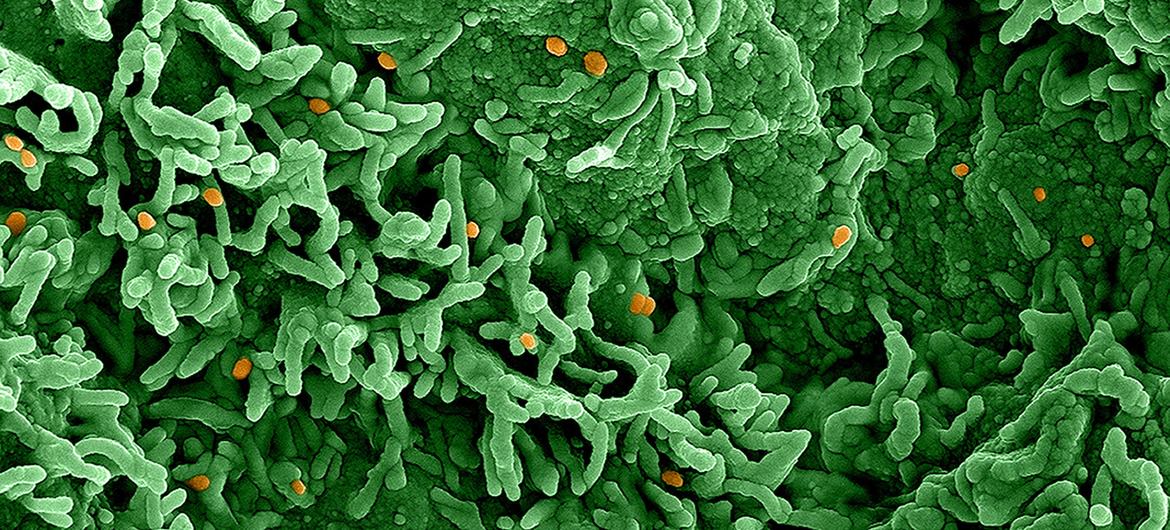
image1170x530cropped.jpg

© NIAID

The mpox virus (orange) infects cells that appear green.

Only 9% of laboratory-confirmed cases

The sexual transmission of the mpox virus has been documented for some time, particularly in the context of the epidemic which has been taking place in Nigeria since 2017. Thus the WHO notes that the virus is spread today through sexual networks comprising male and female sex workers and their clients in areas with highly mobile populations.

WHO is working with the Congolese Ministry of Health to support the distribution of sample collection and transport kits to referral hospitals from suspected cases in Kinshasa, South Kivu and other regions. other affected areas. Currently, only 9% of mpox cases have been laboratory confirmed, Lewis told reporters in Geneva.


Closing the Gaps in Access to Vaccines

It is also essential to close the gaps in access to vaccines and therapeutics, she said.

The outbreak in the DRC serves as a reminder of the need for continued global collaboration and coordination to control and ultimately eliminate human-to-human transmission of mpox, insisted the WHO representative.

Earlier this month, the United Nations Health Agency was informed of a suspected outbreak on a cruise ship whose route passed through Southeast Asia.

“We urge individuals, local health authorities and organizers of cruises and other mass gatherings to continue to exchange information, raise awareness and take all necessary measures to mitigate the risk mpox outbreak,” she insisted.


“We must commit to action now.”

For WHO, a key part of this work is building partnerships with communities affected by the virus to raise awareness of symptoms and risk reduction measures, and to address the stigma, discrimination and fear that can dissuade people from seeking treatment if they suspect they are infected.

“We have the means to control and ultimately eliminate human-to-human transmission of mpox. We must now commit to action,” concluded Dr. Lewis.


https://news.un.org/fr/story/2023/12/1141692
 
Translation Google

DRC: four cases of Monkeypox sexual contamination reported in Kinshasa

December 28, 2023
'
Kinshasa, December 28, 2023 (ACP).- Four cases of Monkeypox of sexual contamination out of 21 confirmed cases were reported to the Renaissance university hospital center (formerly mama Yemo) in Kinshasa in the Democratic Republic of Congo, we learned on Thursday during an interview.

“ For week 49, Kinshasa reported a case of Monkeypox of sexual contamination. This case generated three others, which means that in Kinshasa, we already have 21 confirmed cases including 4 cases of sexual contamination ,” declared Dr. Chris Kasita, in charge of operations in the Monkeypox incident management system in DRC.

“ This new sexual contamination has allowed us to collaborate with the national AIDS control program to see how to manage all cases that test positive for Monkeypox and HIV ,” he underlined. .

Regarding the particularity of sexual contamination, Dr. Kasita indicated that for this category of contamination, the lesions hurt very much and are mainly located in the genitals.

The treatment is done on a case-by-case basis, this doctor said. It depends on the stage of the disease. Among these stages, he mentioned, in particular, mild, mild, simple cases as well as severe cases.

“ At mama yemo, we treat more severe cases at the treatment center but for simple or mild cases, treatment can be done at home ,” said Dr. Kasita.

For the moment, from the first epidemiological week until week 51, 14,298 cases of Monkeypox have been recorded with 660 deaths, a case fatality rate of 4.6%. However, for week 51, 204 cases were reported and 13 deaths, representing a case fatality of 6.3%.

Concerning the statistics of this disease, the Equator still beats the record followed by the province of Maï-Ndombe, Sankuru and Sud-Ubangi. ACP/KHM/CL

https://acp.cd/sante/rdc-quatre-cas-de-monkeypox-de-contamination-sexuelle-notifies-a-kinshasa/
 
Back
Top