• FluTrackers.com Inc. does not provide medical advice. Information on this web site is collected from various internet resources, and the FluTrackers board of directors makes no warranty to the safety, efficacy, correctness or completeness of the information posted on this site by any author or poster. The information collated here is for instructional and/or discussion purposes only and is NOT intended to diagnose or treat any disease, illness, or other medical condition. Every individual reader or poster should seek advice from their personal physician/healthcare practitioner before considering or using any interventions that are discussed on this website. By continuing to access this website you agree to consult your personal physican before using any interventions posted on this website, and you agree to hold harmless FluTrackers.com Inc., the board of directors, the members, and all authors and posters for any effects from use of any medication, supplement, vitamin or other substance, device, intervention, etc. mentioned in posts on this website, or other internet venues referenced in posts on this website.
  • We are not asking for any donations. Do not donate to any entity who says they are raising funds for us.

DRC - Ebola outbreak in North Kivu and Ituri: July 30, 2018+

Pathfinder

Editor, Senior Moderator
250px-Democratic_Republic_of_the_Congo_%2826_provinces%29_-_Nord-Kivu.svg.png

https://en.wikipedia.org/wiki/North_Kivu

-------------------------------------------
Translation Google

DRC: Unknown disease kills 17 in one month in Beni

Date
July 30, 2018

At least 17 people died of an unknown disease within a month in the town of Mangina and in the city of Beni (North Kivu). Mangina is located 30 kilometers west of the city of Beni.

According to health officials, the victims have nasal bleeding and haemorrhagic vomiting. 14 people died in July in Mangina and 3 others in the city of Beni.

"Since April we have registered 26 suspected cases in the health air of Mangina. For this month of July, at least 14 people died of this unknown disease. At first we thought of a witchcraft but over time we did not understand that it is a disease that comes under two tables: the person has manifested nasal haemorrhage and haemorrhagic vomiting. We have issued alerts and forwarded the information to the area, we are waiting for the authorities of the provincial health directorate for other responses on this disease, " explained this Monday at ACTUALITE.CD, Dr. Alain Musondolya of the center Mangina reference health.

The Ministry of Health says that the sample taken in Beni is sent to Kinshasa for examination.

Last week, the DRC declared the end of the Ebola epidemic in the province of Ecuador, where it killed 33 of 54 confirmed cases. While hailing the end of this disease, the World Health Organization (WHO) has called on the authorities to work to defeat other major epidemics as well.

"With this effective response to the Ebola virus, the government and partners should feel more confident in their ability to defeat other major epidemics affecting the country, such as cholera and polio," the WHO chief said.

Yassin Kombi

https://actualite.cd/2018/07/30/rdc-...n-mois-a-beni/
 
Translation Google

North Kivu: an unknown disease kills 15 people in two weeks in Mangina


Posted on Mon, 30/07/2018 - 13:01 | Edited Mon, 30/07/2018 - 13:01

An unknown disease characterized by diarrhea, fever, and vomiting has been observed for two months in the rural district of Mangina, about 30 km southwest of the city of Beni (North Kivu).
According to the chief medical officer of the Mabalako / Mangina health zone, Dr Germain Kamaliro, in the last two weeks, fifteen deaths have been recorded in the twenty-six identified cases.

"For two months, there has been a phenomenon that is affecting the population, which is characterized by the emission of liquid stools and vomiting and then death either by epitaxy or by fever. It's been at least two weeks since we found that there is really a surge of cases, Until then we have 15 deaths out of the 26 cases identified since May, " said Dr. Germain Kamaliro.

He announced the sending to Goma and Kinshasa samples of the samples for analysis.

"As the samples are being sent to the laboratory at Goma and Kinshasa by tomorrow, it is the results that can confirm that there is a problem," continued Dr. Germain Kamaliro.

He said, however, that it is not a haemorrhagic fever, "because for haemorrhagic fever there is bleeding in all the orifices. "

"At the moment this disease is first located in the rural commune of Mangina and all patients are treated in the reference center of Mangina and we have also noted some sporadic cases in other structures such as the health area of Linzo who referred to Mangodomu, " added Dr Germain Kamaliro.

He urged the population to remain calm and to observe hygiene measures, including systematic handwashing, and to reserve for greetings by hand.

https://www.radiookapi.net/2018/07/...connue-fait-15-morts-en-deux-semaines-mangina
 
Translation Google

DRC: Emergence of a new disease in Beni

- This disease has already killed about twenty people since last April.

Home > Africa 30.07.2018 Lassaad Ben Ahmed Congo, The Democratic Republic of the

AA / Kinshasa / Pascal Mulegwa

An unknown disease with symptoms of the Ebola virus has been killing lives for several weeks in Beni, eastern Democratic Republic of Congo (DRC), Anadolu learned Monday from a medical source.

"Since April, the unknown disease has already occurred on about thirty people in the locality of Mangina near the city of Beni and has already made twenty deaths," said Anadolu Alain Musondolya, director Mangina hospital located about thirty kilometers from the city of Beni in the province of North Kivu.

Since the beginning of July, she has killed 14 people in Mangina, according to this source, saying that the local population equates this patient with "witchcraft".

The victims manifest "a high fever, a continuous nasal hemorrhage and a haemorrhagic vomiting", told Anadolu Michel Tosalisana, director of the public hospital of the city of Beni, where three deaths have been recorded since the beginning of July.

"We asked the authorities to launch a campaign to urge people not to touch people with these signs, it could be Ebola or some other contagious and highly deadly disease," he said. added.

"This disease is scary, we are afraid that there is an Ebola outbreak," said a local official on the phone.

"The samples are being sent to the INRB (National Institute of Biomedical Research) in Kinshasa to determine this disease," said Anadolu the communication officer of the Congolese Ministry of Health, Jessica Ilunga.
...

https://www.aa.com.tr/fr/afrique/rdc-emergence-dune-nouvelle-maladie-à-beni/1217813
 
LOGO MOH DRCONGO.png


MIN OF HEALTH - PRESS RELEASE - JULY 30, 2018

Reported fever cases in Mabalako Health Zone, North Kivu Province


Kinshasa, July 30, 2018 - This Saturday, July 28, 2018, the Provincial Health Division of North Kivu has notified 25 cases of fever in the health area of ​​Mangina, located about 30 km southwest of the city of Beni.

Samples have been collected and are being sent to Kinshasa for analysis by the National Institute for Biomedical Research (INRB).

An investigative team from the General Directorate for the Fight Against Disease (DGLM) composed of three experts, including two epidemiologists and a biologist, will arrive in Beni as early as Tuesday, July 31, 2018 to support the provincial team.

The Ministry of Health instructed health professionals in the province to respect individual protection measures. In addition, the Ministry invites the population in the areas concerned to remain calm, vigilant and to respect the hygiene measures, in particular the regular washing of the hands.


via e-mail.
 
Translation Google

BENI: Unknown disease in Mangina, fear and worry are gaining ground!

By Editing Published in Congo DR Company Published on 31/07/2018

An unknown and mysterious disease rages in the entity of Beni and its surroundings, causing anxiety and panic in the population.

Sixteen people have already died of the disease in the last two weeks in the city of Mangina, as Edgard Katembo Mateso, president of the North Kivu Civil Society Coordination, says: "This disease is manifested by fever, diarrhea, vomiting and blood coming out of the nostrils. There have already been 16 deaths, the most recent of which occurred on Sunday, a woman who died in Mangina. We are considering that this is serious and that the authorities should tell the population what disease it is and what can be done in terms of precautionary mechanisms. "

This apparently contagious disease is manifested in the patient by vomiting and bloody diarrhea causing death in a few hours. Reason for warning the provincial health authorities about this unidentified disease so that appropriate measures can be taken urgently.

The African Association for the Defense of Human Rights, ASADHO, puts forward the figure of 24 people affected by this epidemic. Two of these victims are cured of this unknown disease, while 5 are continuing treatment in a health facility in Mangina, the source said.

Urgent pastoral measures

Following the outbreak of this disease, the whole parish of Mangina is on alert. The priest of this entity describes that the faithful live in fear. Father Emmanuel Ruhuvi joined the phone yesterday Monday, July 30, 2018 evokes "some pastoral precautions" already taken to protect himself from this epidemic still unknown: "There are twenty cases of disease under observation in health facilities. Samples were sent to specialized laboratories in Kinshasa. We are waiting for the results. But we found that the disease is contagious. There are already some precautionary mechanisms taken including not touching each other. The rest is for specialists to tell us, "says the Cure of Mangina.

Do not greet each other

Even in the Church, the parish has recommended the faithful not to come into physical contact and to observe hygiene: "When we must wish each other peace at Mass, we no longer greet each other because we do not know where does the visitor come from? It's not a rumor, the cases are there, "said the priest Ruhuvi.

Jack Katson Maliro

http://www.afriwave.com/2018/07/31/...na-la-peur-et-linquietude-gagnent-du-terrain/
 
[TABLE="class: templateContainer, border: 0, cellpadding: 0, cellspacing: 0, width: 600"]
[TR]
[TD] [TABLE="class: mcnImageBlock, border: 0, cellpadding: 0, cellspacing: 0, width: 100%"]
[TR]
[TD="class: mcnImageBlockInner"] [TABLE="class: mcnImageContentContainer, align: left, border: 0, cellpadding: 0, cellspacing: 0, width: 100%"]
[TR]
[TD="class: mcnImageContent"]
17347356-dd33-47d4-bf0b-d3ef85029537.png
[/TD]
[/TR]
[/TABLE]
[/TD]
[/TR]
[/TABLE]
[TABLE="class: mcnBoxedTextBlock, border: 0, cellpadding: 0, cellspacing: 0, width: 100%"]
[TR]
[TD="class: mcnBoxedTextBlockInner"] [TABLE="class: mcnBoxedTextContentContainer, align: left, border: 0, cellpadding: 0, cellspacing: 0, width: 100%"]
[TR]
[TD] [TABLE="class: mcnTextContentContainer, border: 0, cellspacing: 0, width: 100%"]
[TR]
[TD="class: mcnTextContent"]DIRECTORATE GENERAL FOR DISEASE CONTROL[/TD]
[/TR]
[/TABLE]
[/TD]
[/TR]
[/TABLE]
[/TD]
[/TR]
[/TABLE]
[/TD]
[/TR]
[TR]
[TD] [TABLE="class: mcnBoxedTextBlock, border: 0, cellpadding: 0, cellspacing: 0, width: 100%"]
[TR]
[TD="class: mcnBoxedTextBlockInner"] [TABLE="class: mcnBoxedTextContentContainer, align: left, border: 0, cellpadding: 0, cellspacing: 0, width: 100%"]
[TR]
[TD] [TABLE="class: mcnTextContentContainer, border: 0, cellspacing: 0, width: 100%"]
[TR]
[TD="class: mcnTextContent"]
MIN SANTE - PRESS RELEASE - AUGUST 1, 2018

[h=1]Special Communication from His Excellency the Minister of Health regarding the epidemiological situation in the Province of North Kivu on August 1, 2018[/h]

Dear Compatriots,
Ladies and Gentlemen,


On Saturday, July 28, 2018, the Provincial Health Division of North Kivu notified to the Ministry of Health twenty-six cases (26) of Fever with haemorrhagic signs, including twenty (20) deaths. in the health zone of Mangina located in the health zone of Mabalako, territory of Beni, in the Province of North Kivu.

Six (6) samples taken from hospitalized patients arrived in Kinshasa this Tuesday, July 31, 2018 and were analyzed by the National Institute of Biomedical Research (INRB). Of the six (6) samples analyzed, four (4) were positive for Ebola Virus Disease. Sequencing is in progress at INRB to identify the strain of the virus.

Dear compatriots,
ladies and gentlemen,


Just a week after announcing the end of the ninth epidemic of Ebola Virus Disease in the Equator Province, the Democratic Republic of Congo is facing a new epidemic. At this stage, there is no indication that these two epidemics, separated by more than 2,500 km, are related.

As Ebola Virus Disease is endemic in several parts of the country due to the Equatorial Forest ecosystem, the Ministry of Health has already strengthened its epidemiological surveillance system in all risk areas, including North Kivu.

Although we did not expect to face a tenth epidemic so early, the detection of the virus is an indicator of the proper functioning of the surveillance system put in place by the General Directorate for Disease Control.

A team of twelve (12) experts from the Ministry of Health based in Kinshasa will arrive in Beni this Thursday, August 2, 2018 to set up the various components of the response. This team of laboratory technicians, epidemiologists, clinical psychologists and doctors for medical care will carry a mobile laboratory of the INRB and personal protective equipment.

Dear compatriots,
Ladies and Gentlemen
,

The Ministry of Health is taking all necessary steps to quickly and effectively contain this new outbreak of Ebola Virus Disease.

All the usual components of the epidemic response are activated, namely: laboratory, medical care, epidemiological surveillance, social mobilization, and logistics.

In addition, due to the security situation in the affected areas, a new security component has been put in place to ensure the protection of the deployed health care providers and the population.

Therapeutic molecules are already available in the country. The ethics and scientific committees will determine the most appropriate curative and preventive treatments for this tenth epidemic.

We invite people, especially those in the Beni territory and neighboring areas, to remain calm and stay in their health zone in order to benefit from adequate care and treatment during transport.

Further information will be communicated in a transparent manner as the situation on the ground progresses.

Thank you.

[/TD]
[/TR]
[/TABLE]
[/TD]
[/TR]
[/TABLE]
[/TD]
[/TR]
[/TABLE]
[/TD]
[/TR]
[/TABLE]


https://mailchi.mp/49b37201b847/declaration_ebola_kivu?e=82de4e5d05
 
Translation Google

Ebola confirmed in Beni after 20 deaths

In SocietyAugust 1, 2018
By Esther Nsapu, Correspondent in Eastern DRC

The Ebola outbreak has just been confirmed in the health zone of Mabalako, Mangina locality by the Ministry of Health. This information falls after analysis of six samples taken in Beni and sent to Kinshasa a few days ago by the National Institute for Biomedical Research (INRB). Of the six samples, four were positive for the Ebola virus. Mangina is located 30 kilometers northwest of the city of Beni in North Kivu province.

The news comes just a week after the Ministry of Health announced the end of the ninth Ebola outbreak in Equateur Province.

"We have just heard the news from the National Institute for Biomedical Research (INRB). The eleven patients who are undergoing care here at the Mangina Reference Health Center have just been isolated. The sick guards and all the people who have been in contact with the sick here in the hospital have also been isolated. All the arrangements have just been made for the sick, " says Dr. Alain Musondolya, a doctor at the Mangina Reference Health Center.

This outbreak caused 20 deaths during the month of July out of a total of 26 suspected cases in the Mangina health area. Among the victims, there were pregnant women and children. In addition, the Mangina Reference Health Center recorded 11 new cases and three deaths this week related to this newly diagnosed Ebola outbreak. All the sick people currently receiving care at the Mangina Reference Health Center have exactly the same symptoms as the deceased victims in the previous weeks.

A team of 12 experts from the Ministry of Health in Kinshasa will be this Thursday in Beni to put in place the various components of the response. "We invite the people of Beni and the surrounding area to remain calm and stay in their respective health zones in order to benefit from adequate care and treatments that are currently being transported," said the communiqu? of the Ministry of Health. the health.

https://afrique.lalibre.be/22458/ebola-confirme-a-beni-apres-20-deces/
 
Cluster of presumptive Ebola cases in North Kivu in the Democratic Republic of the Congo

1 August 2018 News Release

Kinshasa/Geneva


The Government of the Democratic Republic of the Congo announced today that preliminary laboratory results indicate a cluster of cases of Ebola virus in North Kivu province. The announcement was issued little more than a week after the Ministry of Health declared the end of an outbreak in Equateur Province in the far western part of the country, some 2500 km from North Kivu.

The Ministry of Health of the Democratic of the Congo (DRC) informed WHO that four out of six samples tested positive for Ebola virus at the Institut National de Recherche Biom?dicale (INRB) in Kinshasa. Further testing is on-going.

“Ebola is a constant threat in the DRC,” said Dr Tedros Adhanom Ghebreyesus, WHO Director-General. “What adds to our confidence in the country’s ability to respond is the transparency they have displayed once again. Working closely with the Ministry of Health and partners, we will fight this one as we did the last.”

The Government was quick to provide public updates, with press releases on 30 July and 1 August.

“Since we are coming out of another Ebola outbreak, we have kept staff and equipment in place,” said Dr Matshidiso Moeti, WHO Regional Director for Africa. “This allows us to have a head start in response to this cluster.”

The majority of the cases are in the Mangina health area which is 30 kilometres from the city of Beni. “This new cluster is occurring in an environment which is very different from where we were operating in the northwest,” said Dr Peter Salama, WHO Deputy Director-General, Emergency Preparedness and Response. “This is an active conflict zone. The major barrier will be safely accessing the affected population.”

North Kivu hosts over 1 million displaced people. The province shares borders with Rwanda and Uganda with a great deal of cross border movement due to the trade activities. WHO will continue to work with neighbouring countries to ensure health authorities are alerted and prepared to respond.

http://www.who.int/news-room/detail/...c-of-the-congo
 
Translation Google

DRC faces new Ebola outbreak in North Kivu

By RFI Published on 01-08-2018 Updated on 01-08-2018 at 21:28

Four Ebola cases have been identified in the North Kivu region of eastern Democratic Republic of Congo. This announcement comes after several haemorrhagic fevers causing twenty deaths. Research is underway to define the strain of the virus.

The four new Ebola cases were detected in the health area of ​​Mangina, Beni territory. They are part of a set of six samples taken from inpatients who were sent for analysis in Kinshasa earlier this week. This discovery comes after several cases of haemorrhagic fever in this region of North Kivu province, causing 20 deaths last week.

The National Institute for Biomedical Research (INRB) is currently conducting research to identify the strain of the virus. Twelve experts from the Ministry of Health are sent to Beni to implement the appropriate measures. In particular, a mobile laboratory must provide on-site expertise.

The Ministry of Health invites the populations of the territories concerned and neighbors to remain in their health zone to be able to benefit from an adequate care and treatments currently being transported. "I call for calm and caution," tweeted the governor of North Kivu province, Julien Paluku.
...
At this stage, there is nothing to indicate that this epidemic is related to that which occurred in the province of Equateur, 2,500 km away and which was officially announced as completed a week ago.

Analyzes are in progress. In the next 48 hours, we will be able to say whether or not there is a link between the two strains.


The explanations of Dr. Dominique Baabo, former medical inspector of the province of North Kivu
...
01-08-2018 - By Cl?mentine Pawlotsky

http://www.rfi.fr/afrique/20180801-rdc-nouvelle-epidemie-ebola-nord-kivu
 
Translation Google

Ebola reappears in eastern Democratic Republic of Congo

A week after the end of the epidemic that affected the Equateur province, Kinshasa announced the death of twenty people in North Kivu.

By Joan Tilouine

THE WORLD 01.08.2018 at 18h29 ? Updated 01.08.2018 at 18h30

What Ebola specialists feared happened. The end of the ninth epidemic that hit the Democratic Republic of the Congo (DRC) - officially declared on May 8 in Equateur province (north-west), July 24 - does not mean that the virus has disappeared. country where it was discovered in 1976. The tenth epidemic has already begun.

This time, the identified outbreak is more than 2,500 km from the previous one, in the province of North Kivu (eastern DRC), not far from the border with Uganda. According to the ministry of health, which sent a dozen experts on site, "twenty-six cases of fever with bleeding signs" were reported Saturday, July 28, by local authorities. Of these patients, twenty died, including a nurse.

Two decades of conflict

Six samples taken from these patients were transferred on July 31 to Kinshasa, where they were analyzed at the National Institute for Biomedical Research. Four of the six samples were positive for Ebola. The virus is officially present in this province shaken by two decades of conflict and abuse committed by the army and dozens of armed groups present in the area.

For the moment, all these cases of Ebola are concentrated in the health area of ​​Mangina, located in the territory of Beni, where many massacres attributed to an Islamist group, but rather spared political violence.

"Patients come with vomiting, loose stools, nasal bleeding and vomiting of blood. We have no inputs to treat them and the staff is exposed to contamination, "said Dr. Alain Musondolya, stationed in this locality.

According to concordant sources, the "zero patient" could be a farmer based in Masimbembe, near Mangina. He would have died in May. His field was a little further north, in the neighboring province of Ituri where, as experts fear, cases could be identified.

Medical staff on strike

The Minister of Health, Oly Ilunga, however, is reassuring: "Although we do not expect to face a tenth outbreak as early, the detection of the virus is an indicator of the proper functioning of the surveillance system. The detection of the epidemic was late, however, because part of the medical staff went on strike in the North Kivu province to protest against his working conditions and demand the payment of unpaid premiums.

Local authorities set up crisis committees in both areas affected by Ebola. In both Mangina and B?ni, M?decins sans Fronti?res' logisticians have already set up tents in the compound of the health centers, and equipment is being transported by the World Health Organization and the Congolese Ministry of Health.

Provincial governor Julien Paluku called for "calm and prudence". The ninth epidemic killed thirty-three people in the north-west of the country. In North Kivu, the most densely populated province of the DRC, the tenth epidemic has already killed twenty people.

https://www.lemonde.fr/afrique/arti...parait-dans-l-est-de-la-rdc_5338420_3212.html
 
WORLD NEWSAUGUST 2, 2018 / 11:05 AM / UPDATED 28 MINUTES AGO

WHO warns there may be no vaccine option for new Ebola outbreak

Reuters Staff

GENEVA (Reuters) - It may be impossible to use a vaccine to tackle Democratic Republic of Congo?s new Ebola outbreak, which has spread over 10s of kilometers and may have begun in May, a senior World Health Organization official said on Thursday.

Officials have not yet confirmed the strain of Ebola that has killed 20 people and sickened four more, including two health workers, and it could be the Zaire, Sudan or Bundibugyo strain, WHO?s emergency response chief Peter Salama said.
...
https://www.reuters.com/article/us-...dUSKBN1KN2CW?feedType=RSS&feedName=healthNews
 
Translation Google [TABLE="class: templateContainer, border: 0, cellpadding: 0, cellspacing: 0, width: 600"]
[TR]
[TD] [TABLE="class: mcnTextBlock, border: 0, cellpadding: 0, cellspacing: 0, width: 100%"]
[TR]
[TD="class: mcnTextBlockInner"] [TABLE="class: mcnTextContentContainer, align: left, border: 0, cellpadding: 0, cellspacing: 0, width: 100%"]
[TR]
[TD="class: mcnTextContent"]View this email in your browser[/TD]
[/TR]
[/TABLE]
[/TD]
[/TR]
[/TABLE]
[/TD]
[/TR]
[TR]
[TD] [TABLE="class: mcnImageBlock, border: 0, cellpadding: 0, cellspacing: 0, width: 100%"]
[TR]
[TD="class: mcnImageBlockInner"] [TABLE="class: mcnImageContentContainer, align: left, border: 0, cellpadding: 0, cellspacing: 0, width: 100%"]
[TR]
[TD="class: mcnImageContent"]
17347356-dd33-47d4-bf0b-d3ef85029537.png
[/TD]
[/TR]
[/TABLE]
[/TD]
[/TR]
[/TABLE]
[TABLE="class: mcnBoxedTextBlock, border: 0, cellpadding: 0, cellspacing: 0, width: 100%"]
[TR]
[TD="class: mcnBoxedTextBlockInner"] [TABLE="class: mcnBoxedTextContentContainer, align: left, border: 0, cellpadding: 0, cellspacing: 0, width: 100%"]
[TR]
[TD] [TABLE="class: mcnTextContentContainer, border: 0, cellspacing: 0, width: 100%"]
[TR]
[TD="class: mcnTextContent"]DIRECTORATE GENERAL FOR DISEASE CONTROL[/TD]
[/TR]
[/TABLE]
[/TD]
[/TR]
[/TABLE]
[/TD]
[/TR]
[/TABLE]
[/TD]
[/TR]
[TR]
[TD] [TABLE="class: mcnBoxedTextBlock, border: 0, cellpadding: 0, cellspacing: 0, width: 100%"]
[TR]
[TD="class: mcnBoxedTextBlockInner"] [TABLE="class: mcnBoxedTextContentContainer, align: left, border: 0, cellpadding: 0, cellspacing: 0, width: 100%"]
[TR]
[TD] [TABLE="class: mcnTextContentContainer, border: 0, cellspacing: 0, width: 100%"]
[TR]
[TD="class: mcnTextContent"]
News of the riposte
Thursday 2 August 2018


On August 2, 2018, the Minister of Health, Dr. Oly Ilunga Kalenga, visited Beni and Mangina, North Kivu province, accompanied by a team of 12 experts from the Ministry of Health and officials. different partner agencies, including WHO, UNICEF, the World Bank, and MONUSCO, to assess the situation and needs in the field.

The delegation from Kinshasa was welcomed in Beni by the Governor of North Kivu Province, the Provincial Minister of Health, the Mayor of the city and the General who coordinates the military operations in the region. They held a first meeting at which the National Minister explained the principles and components of the response to be put in place. It was decided to set up the coordination headquarters in Beni, where the INRB laboratory technicians from the delegation remained to set up the mobile laboratory. The mobile laboratory has been operational since Thursday afternoon.

Then, a safe convoy accompanied the delegation to Mangina, the probable epicenter of this tenth epidemic. Mangina is about 30 km from Beni and 400 meters from the neighboring health area of ​​Makeke, in Ituri province. They were warmly welcomed by the population of this health zone who was happy to see that, less than 24 hours after the declaration of the epidemic, the national authorities were already at their side to start the response.

They visited the Mangina Reference Health Center (CSR) where some active cases are hospitalized in an isolated area of ​​the center. The epidemiological surveillance, care and coordination teams of the Ministry of Health remained in Mangina to assist local health workers and install the various components of the response.

As a reminder, of the 6 samples tested by the INRB on the night of Tuesday, July 31, 2018, 4 were found to be positive for Ebola virus serotype Zaire.
[/TD]
[/TR]
[/TABLE]
[/TD]
[/TR]
[/TABLE]
[/TD]
[/TR]
[/TABLE]
[TABLE="class: mcnImageBlock, border: 0, cellpadding: 0, cellspacing: 0, width: 100%"]
[TR]
[TD="class: mcnImageBlockInner"] [TABLE="class: mcnImageContentContainer, align: left, border: 0, cellpadding: 0, cellspacing: 0, width: 100%"]
[TR]
[TD="class: mcnImageContent"]
505a264e-f9df-45d1-9ac7-893294e1a723.jpg
[/TD]
[/TR]
[/TABLE]
[/TD]
[/TR]
[/TABLE]
[TABLE="class: mcnBoxedTextBlock, border: 0, cellpadding: 0, cellspacing: 0, width: 100%"]
[TR]
[TD="class: mcnBoxedTextBlockInner"] [TABLE="class: mcnBoxedTextContentContainer, align: left, border: 0, cellpadding: 0, cellspacing: 0"]
[TR]
[TD="class: mcnBoxedTextContentColumn"] [/TD]
[/TR]
[/TABLE]
[/TD]
[/TR]
[/TABLE]
[/TD]
[/TR]
[/TABLE]
...
https://us13.campaign-archive.com/?u...&id=d581169d5f

 
Conflict in new Ebola zone of DR Congo exacerbates complexity of response: WHO emergency response chief

image1170x530cropped.jpg


WHO
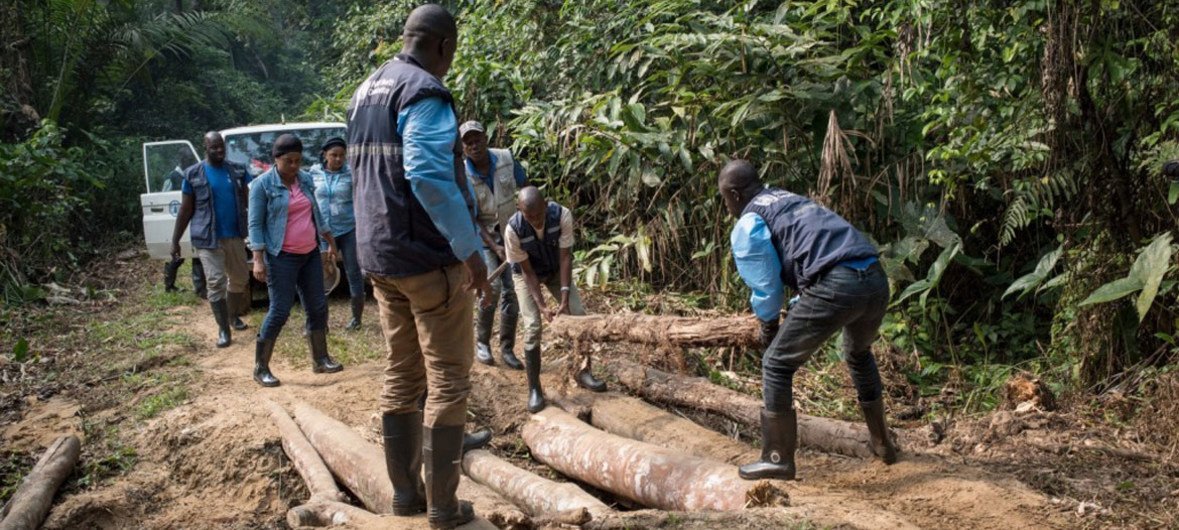
WHO team with the help of local residents hack their way through the Equatorial forest to bring Ebola vaccine to remote communities in the Democratic Republic of Congo.

[FONT=&quot]3 August 2018


Protecting vulnerable people in eastern Democratic Republic of the Congo (DRC) from the latest Ebola Virus outbreak is going to be “very, very complex”, given the huge logistical challenges and ongoing conflict there, the World Health Organization (WHO) said on Friday.

“We know for example that there have been around 20 deaths,” Dr. Peter Salama, Deputy Director General of Emergency Preparedness and Response, told journalists in Geneva.

“We can’t at this stage confirm whether they are all confirmed or probable Ebola cases,” he added. “We expect however that the overall case count will rise in coming days to weeks, based on the trajectory of epidemics at this stage in their development.”

Speaking just over a week after the UN agency declared the last Ebola episode over, some 2,500 miles away to the west in DRC’s Equateur province, Dr. Salama said that WHO was unaware of the public health emergency in North Kivu province at that point.

The outbreak on the western side of the country in June, infected dozens, and led to 33 deaths, but despite several cases appearing in a major city on the Congo River, it was fully contained after a massive international and national response.

The top WHO official said that there was “no evidence” to suggest a link between the two outbreaks, although it appears “very likely” that they share the same deadly Zaire strain.

The death toll from the current Kivu episode is likely to rise, the WHO official said, adding that the alert was raised on 25 July after a woman and many members of her immediate family died after exhibiting symptoms consistent with Ebola.

“That event appears to have been a woman who was admitted to hospital around Beni, and on discharge had recovered from the original complaint”, he said. After leaving however, “she came down with a fever and other symptoms that were clinically consistent with Ebola, and later on, seven of her direct relatives also contracted the disease.”

Dr. Salama explained how longstanding conflict in Eastern DRC – involving more than 100 armed groups in the Kivu area and elsewhere – created an additional level of difficulty in trying to contain the deadly disease.

In the first week of February this year alone around Beni, attacks displaced more than 2,200, in addition to 1,500 displaced at the end of January. In the Djugu Territory to the south of North Kivu, inter-ethnic violence led nearly 30,000 to flee their homes to the provincial capital Bunia, at the beginning of the year.

“It’s going to be a very, very complex operation,” he said, noting that the vast country is home to the UN’s largest peacekeeping operation, the UN Stabilization Mission in the DR Congo (MONUSCO).

One million of the province’s eight million inhabitants are displaced and getting access to some of those in danger of coming into contact with Ebola, will require an armed escort in some cases, the WHO official explained.

There is also the additional threat that those fleeing violence may also head into nearby Uganda, Tanzania and Burundi, taking the infection with them, Dr. Salama said, noting that additional surveillance measures are being implemented at crossing points.

“On the scale of difficulty, trying to extinguish a deadly outbreak pathogen in a war zone” is as the top of the scale, he added.

In the most recent Ebola outbreak a key part of the emergency response involved tracing anyone who had come into contact with suspected carriers of the disease. WHO staff could travel hundreds of miles on a motorbike to do this vital work, but this is likely to be much more difficult in view of the high level of insecurity in the Kivus.

One immediate priority is to confirm whether the latest outbreak involves the Zaire strain, since this can be treated with the same vaccine that was employed in Equateur province.

“It’s good news and it’s very bad news,” Dr. Salama said. “The bad news is that this strain of Ebola carries with it the highest case-fatality-rate of any of the strains of Ebola, anywhere above 50 per cent and higher, according to previous outbreaks. So, it’s the most-deadly variant of the Ebola virus strains that we have, that’s the bad news. The good news is that we do have – although it’s still an investigational product – a safe and effective vaccine, that we were able to deploy last time around.”

https://news.un.org/en/story/2018/08/1016262
[/FONT]
 
Translation Google

Ebola in Beni: The assessment goes from 17 to 24 deaths out of the 32 documented cases

Posted on: 03/08/2018 at 12h28min44s
By Radio Moto Butembo-Beni

A few hours after confirmation by the Minister of Health of the existence of the Ebola virus epidemic in rural commune of MANGINA in the territory of Beni, community leaders in this municipality were made aware of measures to prevent this disease. The session was held on Wednesday, August 1st, 2018.

Dr. Germain KAMALIRO, MABALAKO Area Chief Medical Officer and KASEREKA KANDONDO, MANGINA's delegated officer, were involved in this meeting facilitated by a strong delegation of officials and health specialists from Goma.

The participants were asked to respect the rules of hygiene, to abstain from the consumption of smoked meats of which one does not know its origin and not to greet oneself by the hands. During the same meeting, the president of the NGO ASADHO called the inhabitants to calm. For him, the identification of the disease is a reassuring aspect of its eradication.

According to medical sources, the balance sheet has been revised upwards. It passes from 17 to 24 dead of the 32 cases already documented since the month of May 2018.


Posted on: 03/08/2018 at 12h28min44s
By Radio Moto Butembo-Beni

https://radiomotofm.info/lirearticl...se de 17 à 24 morts sur les 32 cas documentés
 
Translation Google
[TABLE="class: templateContainer, border: 0, cellpadding: 0, cellspacing: 0, width: 600"]
[TR]
[TD] [TABLE="class: mcnImageBlock, border: 0, cellpadding: 0, cellspacing: 0, width: 100%"]
[TR]
[TD="class: mcnImageBlockInner"] [TABLE="class: mcnImageContentContainer, align: left, border: 0, cellpadding: 0, cellspacing: 0, width: 100%"]
[TR]
[TD="class: mcnImageContent"]
17347356-dd33-47d4-bf0b-d3ef85029537.png
[/TD]
[/TR]
[/TABLE]
[/TD]
[/TR]
[/TABLE]
[TABLE="class: mcnBoxedTextBlock, border: 0, cellpadding: 0, cellspacing: 0, width: 100%"]
[TR]
[TD="class: mcnBoxedTextBlockInner"] [TABLE="class: mcnBoxedTextContentContainer, align: left, border: 0, cellpadding: 0, cellspacing: 0, width: 100%"]
[TR]
[TD] [TABLE="class: mcnTextContentContainer, border: 0, cellspacing: 0, width: 100%"]
[TR]
[TD="class: mcnTextContent"]DIRECTORATE GENERAL FOR DISEASE CONTROL[/TD]
[/TR]
[/TABLE]
[/TD]
[/TR]
[/TABLE]
[/TD]
[/TR]
[/TABLE]
[/TD]
[/TR]
[TR]
[TD] [TABLE="class: mcnBoxedTextBlock, border: 0, cellpadding: 0, cellspacing: 0, width: 100%"]
[TR]
[TD="class: mcnBoxedTextBlockInner"] [TABLE="class: mcnBoxedTextContentContainer, align: left, border: 0, cellpadding: 0, cellspacing: 0, width: 100%"]
[TR]
[TD] [TABLE="class: mcnTextContentContainer, border: 0, cellspacing: 0, width: 100%"]
[TR]
[TD="class: mcnTextContent"] EPIDEMIOLOGICAL SITUATION
Saturday 4 August 2018


The Epidemiological Situation of the Ebola Virus Disease, August 3, 2018 :

5942657b-b873-482c-a651-6f840edbe2a5.png

Note:
  • The category of probable cases includes all reported deaths for which it was not possible to obtain biological samples for laboratory confirmation. The investigations will determine whether these deaths are related to the epidemic or not.
[/TD]
[/TR]
[/TABLE]
[/TD]
[/TR]
[/TABLE]
[/TD]
[/TR]
[/TABLE]
[TABLE="class: mcnBoxedTextBlock, border: 0, cellpadding: 0, cellspacing: 0, width: 100%"]
[TR]
[TD="class: mcnBoxedTextBlockInner"] [TABLE="class: mcnBoxedTextContentContainer, align: left, border: 0, cellpadding: 0, cellspacing: 0, width: 100%"]
[TR]
[TD] [TABLE="class: mcnTextContentContainer, border: 0, cellspacing: 0, width: 100%"]
[TR]
[TD="class: mcnTextContent"]
News of the response

  • Since the declaration of the epidemic on Wednesday, August 1, 2018, several rapid response teams from the Ministry of Health have been sent to the city of Beni and the health zone of Mangina, epicenter of the current epidemic of Ebola.
  • The case that alerted the provincial health authorities is that of a 65-year-old woman living in Mangina who had been hospitalized at the Mangina Reference Health Center (CSR) a few days before being discharged in mid-July. She died at home a few days later. After her unsecured burial, the family members who cared for her began to show the same symptoms and 7 of them died.
  • In reviewing patient records, local health authorities identified earlier sporadic community deaths. Ongoing investigations will determine whether these former community deaths have an epidemiological link between them.
  • The initial investigations by the surveillance teams reveal that community deaths (probable cases) as well as suspected and confirmed cases have appeared in seven health zones, including five in the North Kivu Province and two in the neighboring Ituri Province.
  • The installation of a mobile laboratory in Beni will facilitate the testing of samples taken from suspected cases in the affected areas. Other mobile laboratories of the Ministry of Health are already operational in several cities in the provinces of North Kivu, Tshopo and Ituri, and they can also be used to test samples taken if necessary.
  • The first Ebola Treatment Centers (ETCs) will be located in Mangina, Beni and Goma. Other CTEs could be installed depending on the evolution of the epidemic.
  • So far, 879 contacts have been registered by the health authorities.
  • Vaccination will be an integral part of the response. The Expanded Program on Immunization still has 3,220 doses of vaccine in stock in Kinshasa. The cold chain will be deployed in Beni this weekend. Once the optimal temperature of -70 degrees Celsius is reached, the vaccines will be sent to Beni.
  • The Ministry of Health works closely with the Ministry of Defense and MONUSCO to ensure the protection of health workers and the population.
[/TD]
[/TR]
[/TABLE]
[/TD]
[/TR]
[/TABLE]
[/TD]
[/TR]
[/TABLE]
[/TD]
[/TR]
[/TABLE]

...
https://us13.campaign-archive.com/?u=89e5755d2cca4840b1af93176&id=414faf7935
 
Ebola virus disease – Democratic Republic of the Congo

Disease outbreak news
4 August 2018


On 28 July 2018, the North Kivu Provincial Health Division notified the Ministry of Health of the Democratic Republic of the Congo of a cluster of suspected acute haemorrhagic fever cases. On 1 August 2018, the Institut National de Recherche Biom?dicale (INRB) in Kinshasa reported that four of six samples collected from hospitalised patients tested positive by GeneXpert automated PCR. These presumptive positive tests prompted an immediate escalation of response activities by the Ministry of Health, WHO and partners, and the declaration of the outbreak by the Minister of Health.

The prompt alert by the Ministry of Health to WHO, under the International Health Regulations, followed the detection and rapid investigation of a cluster of suspected viral haemorrhagic fever in a family in North Kivu Province during mid to late July 2018. Local health officials have since identified sporadic, antecedent deaths in the community since May 2018 (tentatively classified as probable cases), which are subject to ongoing investigations to determine if they are related to the current outbreak.

The Ministry of Health, WHO, and partners are working to establish the full extent of this outbreak. As of 3 August 2018, a total of 43 Ebola virus disease cases (13 confirmed and 30 probable), including 33 deaths, have been reported. An additional 33 suspected cases are currently pending laboratory testing to confirm or exclude Ebola virus disease. Three healthcare workers have been affected, of whom two have died.

Geographically, confirmed and probable cases are currently localised to five health zones in North Kivu Province (38 cases, including 13 confirmed and 25 probable), and one health zones in Ituri Province (5 probable cases) (Figure). Suspected cases are currently under investigation in one additional health zone of Ituri Province. The affected areas host over one million displaced people and shares borders with Rwanda and Uganda, with frequent cross border movement due to trade activities. The prolonged humanitarian crisis and deterioration of the security situation is expected to hinder response to this outbreak.
Further laboratory testing by INRB has detected Ebolavirus using conventional PCR in three of the initial batch of six samples from Mabalako Health Zone.
These results are highly suggestive that Ebola Zaire species is the cause of this outbreak; however, genetic sequencing is necessary to definitively confirm the virus species.


Characterization of viral sequences will help to inform the potential use of vaccines and therapeutics, and any link to the recent outbreak in ?quateur Province – located in the far west of the country, some 2 500 km from the current outbreak. Currently there is no evidence to suggest that these events are related.
Figure 1: Ebola virus disease by health zone, North Kivu and Ituri Provinces, Democratic Republic of the Congo, 3 August 2018
DRCE.png


Public health response

The Ministry of Health has initiated response mechanisms in North Kivu and Ituri provinces with support from WHO and partners. Priorities include the establishment and strengthening of surveillance, contract tracing, laboratory capacity, infection prevention and control (IPC), clinical management, community engagement, safe and dignified burials, response coordination, cross-border surveillance and preparedness activities in neighbouring provinces and countries. In addition, the potential for use of Ebola vaccines, as well as therapeutics for treatment of Ebola virus disease, are being reviewed.
  • The Ministry of Health and WHO have deployed Rapid Response Teams to the affected health zones to initiate response activities.
  • WHO has activated country, regional and global coordination mechanisms to assess risks and respond accordingly to the event. An incident management team has been established in the Democratic Republic of the Congo, and support teams have been reactivated at the WHO Regional Office for Africa and at headquarters. Coordination meetings with Ministry of Health and partners were held on 1 August 2018 for deployment of human resources and material. Immediate logistical capabilities and needs are being established, and a full response plan is being developed.
  • WHO has provided technical and operations support to the Ministry of Health and partners in the activation of a multi-partner multi-agency Emergency Operations Centre to coordinate the response.
  • With support of international partners, Ebola treatment centres are being established in Mangina, Beni and Goma.
  • A mobile laboratory has been established in Beni to facilitate timely diagnoses of suspected cases. The establishment of additional laboratory capacities elsewhere is being explored.
  • Contact tracing activities have been initiated. Thus far, 879 contacts have been registered for follow-up.
  • The Regional Emergency Director for Africa has informed neighbouring countries (Rwanda and Uganda) of the outbreak and emphasized the importance of surveillance and preparedness actions, especially along the border.
  • Activities to sensitize communities to the outbreak, and hygiene and sanitation measures, through media and churches have begun in affected communities, and in neighbouring Uganda and Rwanda.
  • On 1 August, the Global Outbreak Alert and Response Network (GOARN) Operational Support Team has issued an alert to its network partners, providing an overview of the current situation and ongoing response activities. On 2 August, the GOARN Steering Committee and WHO Regional Office for Africa conducted a joint coordination call for operational partners in Africa. GOARN partners continue to contribute to response activities.
WHO risk assessment

This new outbreak of Ebola virus disease is affecting north eastern provinces of the Democratic Republic of the Congo, which border Uganda. Potential risk factors for transmission of EVD at national and regional levels include the transportation links between the affected areas, the rest of the country, and neighbouring countries; the internal displacement of populations; and displacement of Congolese refugees to neighbouring countries. The country is concurrently experiencing several epidemics and a long-term humanitarian crisis. Additionally, the security situation in North Kivu may hinder the implementation of response activities. Based on this context, the public health risk is considered high at the national and regional levels and low globally.

WHO advice

As investigations continue to establish the full extent of this outbreak, it is important for neighbouring provinces and countries to enhance surveillance and preparedness activities. WHO will continue to work with neighbouring countries to ensure health authorities are alerted and prepared to respond.
WHO advises against any restriction of travel and trade to the Democratic Republic of the Congo based on the currently available information. WHO continues to monitor travel and trade measures in relation to this event.
For further information on Ebola virus disease, including risk reduction measures to prevent transmission of the virus, see:
http://www.who.int/csr/don/4-august-2018-ebola-drc/en/
 
Translation Google

Ituri: 4 confirmed Ebola deaths in a border town of Beni

06.08.2018, Makeke, Ituri
HEALTH

Makeke, Ituri-

The village of Makeke in the territory of Mambasa in Ituri, on the border with Mangina in North Kivu, the epicenter of the Ebola outbreak reported in this part of the Democratic Republic of Congo, has registered 6 documented cases, including 4 deaths. among them.

This information was confirmed by the medical director of the Mandima Health Zone (located between the two provinces and on which depends the village of Makeke) which indicates that the fourth death occurred this Thursday 02 August.

"There are some people in Makeke who are affected, in total 4 people and two in Bela, two neighboring villages. All of these 6 patients were transferred to Mangina Hospital and there were 4 deaths among them, "said Faustin Rehema, who was joined by buniaactualite.com.

He also confirmed the arrival at the site of some international humanitarian NGOs, including MSF, which intends to set up chlorine handwashing points and the deployment of protection kits for the benefit of the medical staff.

In Bunia, the provincial capital, no major steps taken so far by the authorities after an expanded security meeting for humanitarians.

Only a communique calling the population to the respect of the measures of hygiene was read on several local media by the vice-governor of province, Pacific Keta Upar.
...

LM (Corresponding to Bunia)
MEDIA CONGO PRESS / mediacongo.net

https://www.mediacongo.net/article-...la_dans_une_localite_frontaliere_de_beni.html

-------------------------------------------------- -------

DRC: No reported case of Ebola in Ituri, says Governor Abdallah Pene Mbaka

Posted on Mon, 06/08/2018 - 13:22 | Edited Mon, 06/08/2018 - 13:22

Contrary to the rumors circulating about possible cases of Ebola in Ituri, no case is declared there, assured the governor of this province Abdallah Pene Mbaka. During a press briefing held on Sunday, August 5, he still invited the people to wash their hands, avoid contact with people who are suspicious or who died of this disease.

"The Ebola outbreak is not declared in Ituri. These are just rumors that announce it. People were contaminated in Mangina, died in Mangina and were buried in Mangina. At this stage, information that reaches us from different health structures, there is no case of Ebola virus at home in Ituri, not even a suspected case, "quieted the governor.
...

https://www.radiookapi.net/2018/08/...la-en-ituri-selon-le-gouverneur-abdallah-pene
 
Translation Google

North Kivu: no functional hearse in Mangina, epicenter of Ebola in Beni

Posted on August 6, 2018 by Journal of Nations

The people of Mangina in the Beni territory of North Kivu deplore the conditions under which people who died of Ebola are buried.

In this region, our source says that this agglomeration no longer has a hearse in good condition, while Mangina is considered epicenter of the disease.

"In Mangina, we have only one hearse more than 10 years old. And for the moment, this machine is broken down, "alerted an inhabitant of this locality.

"It is the population that transports and manipulates the corpses, while it is also a danger of spreading the disease," he worried.

On this occasion, he appealed to the Central and Provincial Government of North Kivu to urgently provide the locality of Mangina with a new hearse in order to spare the population from a dangerous contamination.

D. BALOKI (from Butembo)

http://journaldesnations.net/nord-k...onctionnel-a-mangina-epicentre-debola-a-beni/
 
Back
Top