• FluTrackers.com Inc. does not provide medical advice. Information on this web site is collected from various internet resources, and the FluTrackers board of directors makes no warranty to the safety, efficacy, correctness or completeness of the information posted on this site by any author or poster. The information collated here is for instructional and/or discussion purposes only and is NOT intended to diagnose or treat any disease, illness, or other medical condition. Every individual reader or poster should seek advice from their personal physician/healthcare practitioner before considering or using any interventions that are discussed on this website. By continuing to access this website you agree to consult your personal physican before using any interventions posted on this website, and you agree to hold harmless FluTrackers.com Inc., the board of directors, the members, and all authors and posters for any effects from use of any medication, supplement, vitamin or other substance, device, intervention, etc. mentioned in posts on this website, or other internet venues referenced in posts on this website.
  • We are not asking for any donations. Do not donate to any entity who says they are raising funds for us.

DRC - Cholera outbreak 2026

Translation Google

South Kivu: 15 cases of cholera recorded in Lugendo in one week

Wednesday, August 26, 2026 - 1:29 PM

In total, 15 cases of cholera were recorded in the Lugendo group in Kabare territory in South Kivu in just one week.

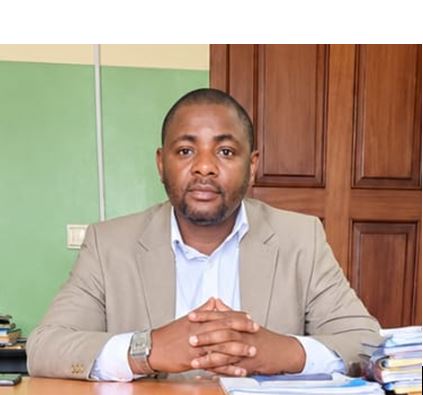
The confirmation comes from the head nurse of the Lugendo health center, Télesphore Rukiko, on Tuesday, August 25, 2026, in an address to the local press.

According to him, cholera cases are increasing in this area due to poor hygiene in households and public places, as well as the consumption of unsafe water.

The head nurse at the Lugendo health center recommends that residents wash their hands regularly, use clean latrines, and consume boiled or treated water.

He also encourages families to avoid throwing waste near water sources in order to limit the risk of contamination.

Télesphore Rukiko is calling on residents showing signs of cholera to go to the hospital for prompt treatment.

It should be noted that the province of South Kivu is also facing epidemics of measles and Ebola.

Déogratias Cubaka, in Bukavu

 
Translation Google

South Kivu: Nearly 450 suspected cases of cholera, including 13 deaths, reported in one week

Saturday, September 5, 2026 - 7:19 PM

In total, 449 suspected cases of cholera, including 13 deaths, were recorded in one week in the province of South Kivu during the 33rd epidemiological week or late August and early September 2026.

This is what the report from the Provincial Health Division in South Kivu (DPS) indicates in a press release on Friday, September 4, 2026.

Of the 34 health zones in the province of South Kivu, 17 reported at least 1 suspected case during that week.

The most affected areas are Kimbi-Lulenge, Bunyakiri, Shabunda, Mulungu and Ibanda in the city of Bukavu, according to the Provincial Health Division in South Kivu.

Of the deaths, 9 occurred while patients were receiving care and 4 others were recorded in the communities.

Faced with this persistence of cholera, the Provincial Health Division in South Kivu announces that it has strengthened the monitoring of cases admitted to health facilities and the supply of inputs to health zones.

For now, the cumulative number of cholera cases in South Kivu exceeds 11,100, including 195 deaths since the beginning of 2026.

Alphonse Muderwa

 
Translation Google

Cholera: 85 cases of cholera, including 12 deaths, in two weeks in Pweto; Haut-Katanga strengthens its response

Fri 11/09/2026 - 06:16

Located in the far northeast of Haut-Katanga, several hundred kilometers from Lubumbashi, the territory of Pweto is facing a new cholera outbreak. In the space of two weeks, 85 cases have been recorded in the Pweto health zone, including 12 deaths, while 42 patients have already been declared recovered, according to Dr. Freddy Mulenda, head physician of the Pweto health zone.

This development is worrying health authorities, as the disease had already reappeared in the region at the end of August. On September 1st, territorial authorities reported 21 cases, including three deaths and eleven recoveries.

Additional resources for care

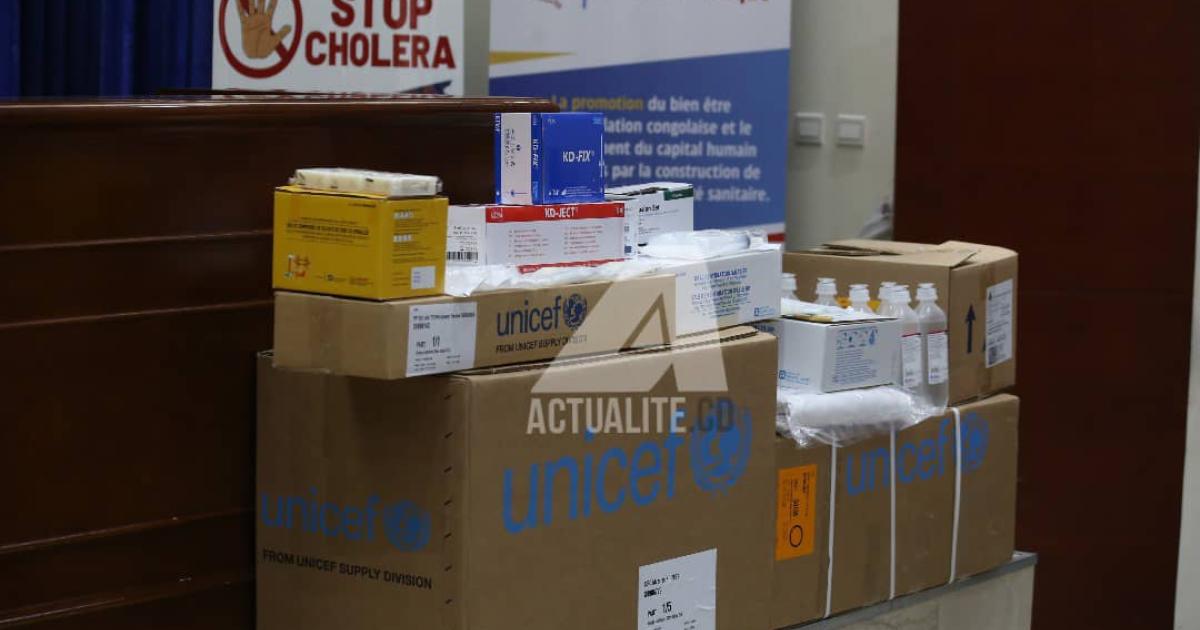
To address this surge, the provincial government of Haut-Katanga dispatched its provincial health minister, Jean-Claude Kisenga, to Pweto. The minister arrived with a second shipment of medications, kits, and other medical supplies intended to bolster patient care. This intervention follows the delivery of an initial batch of emergency supplies.

“We understood that there was an increase in cases of this cholera epidemic in Pweto. That is why we are here, with kits and medical equipment for better care of the sick,” explained Jean-Claude Kisenga.

Beyond medical care, provincial authorities are also relying on community mobilization to limit the transmission of the disease.

"Together with local leaders, we have sought their involvement in raising public awareness to prevent the spread of this epidemic," the minister added.

In the various affected communities, local leaders are called upon to play a central role in raising awareness. The objective is, in particular, to encourage residents to adopt hygiene measures and behaviors likely to reduce the risk of infection.

Cholera is primarily transmitted through the ingestion of water or food contaminated with fecal matter. Insufficient access to clean water and poor sanitation and hygiene are therefore major contributing factors to its spread.

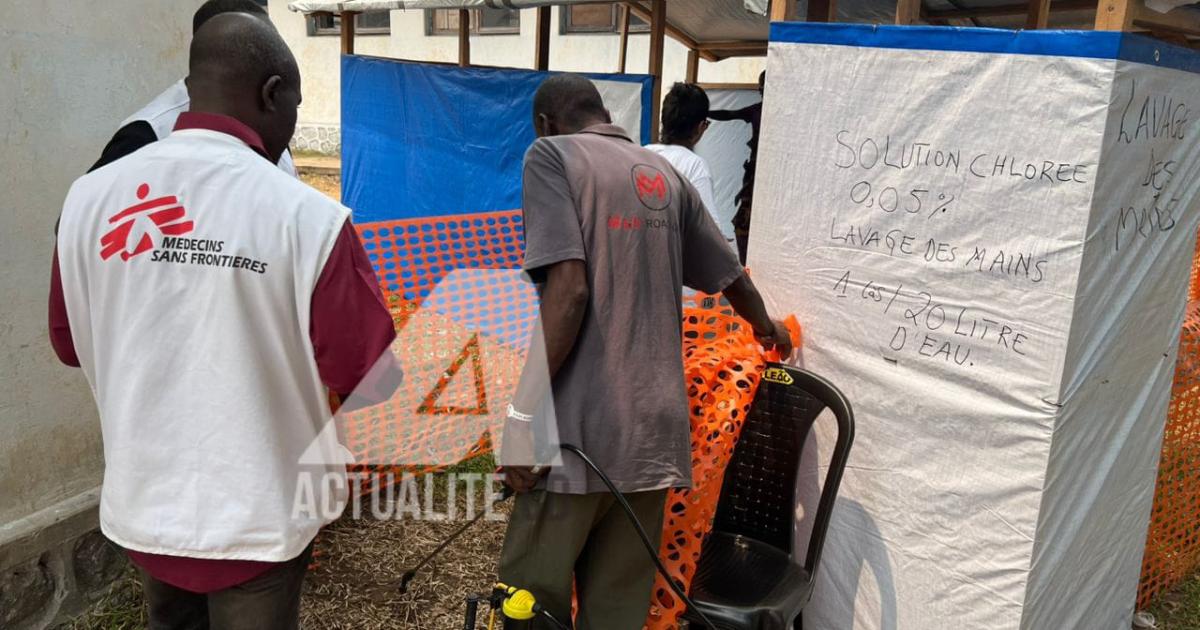
Health authorities are encouraging the population to consume safe or treated water, to wash their hands regularly, to follow food hygiene rules and to seek prompt medical attention in case of watery diarrhea or vomiting.

The Katabe General Referral Hospital is at the center of the system

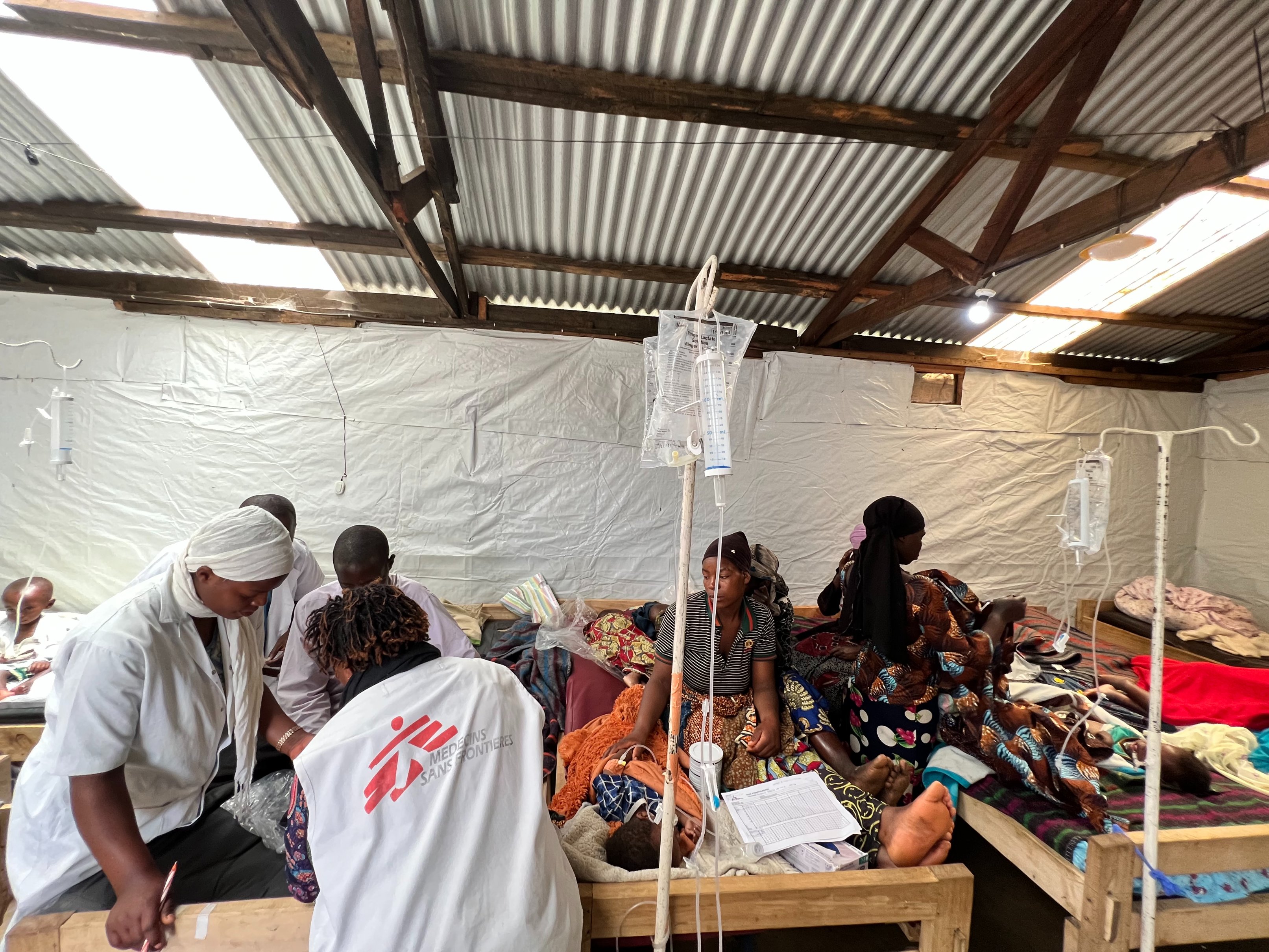
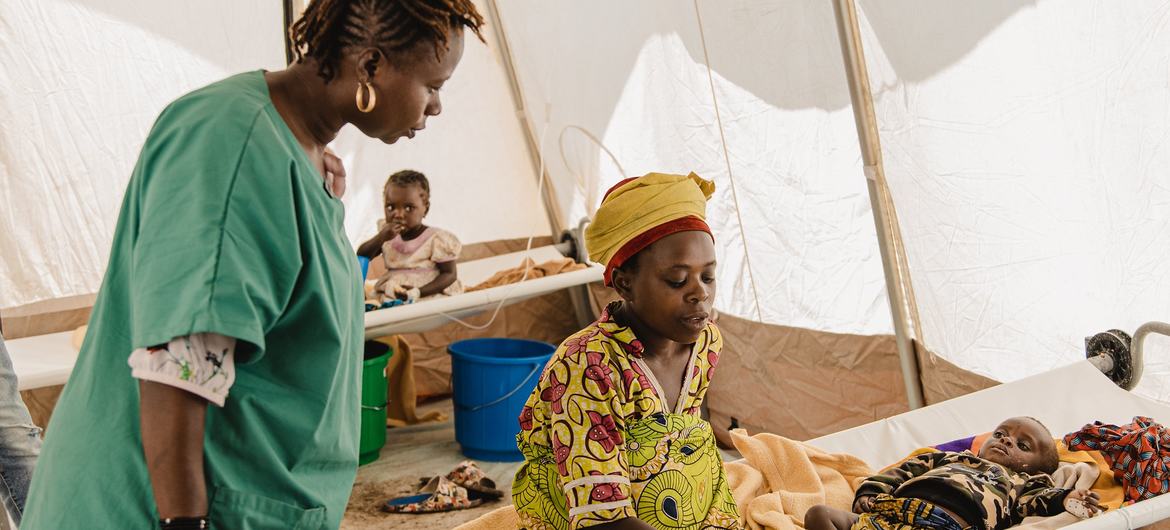
People with cholera in Pweto are being treated at the Katabe General Referral Hospital. This facility is thus facing an influx of patients in a context where a regular supply of medicines, medical supplies, and other medical equipment remains crucial to reducing deaths.

The health situation in Pweto also highlights the particular difficulties linked to the remoteness of certain health zones. In 2024, the WHO already noted that Haut-Katanga was facing persistent cholera transmission and that the lack of specialized facilities could lead to delays in the treatment of patients.

José Mukendi
 
Back
Top Bottom