• FluTrackers.com Inc. does not provide medical advice. Information on this web site is collected from various internet resources, and the FluTrackers board of directors makes no warranty to the safety, efficacy, correctness or completeness of the information posted on this site by any author or poster. The information collated here is for instructional and/or discussion purposes only and is NOT intended to diagnose or treat any disease, illness, or other medical condition. Every individual reader or poster should seek advice from their personal physician/healthcare practitioner before considering or using any interventions that are discussed on this website. By continuing to access this website you agree to consult your personal physican before using any interventions posted on this website, and you agree to hold harmless FluTrackers.com Inc., the board of directors, the members, and all authors and posters for any effects from use of any medication, supplement, vitamin or other substance, device, intervention, etc. mentioned in posts on this website, or other internet venues referenced in posts on this website.
  • We are not asking for any donations. Do not donate to any entity who says they are raising funds for us.

DRC - Anti-Ebola vaccination campaign in the province of Équateur: nearly 75% of the targeted population receives the first dose

Pathfinder

Editor, Senior Moderator
​Translation Google

DRC - Anti-Ebola vaccination campaign in the province of Équateur: nearly 75% of the targeted population receives the first dose

Sunday November 26, 2023 - 6:50 p.m.

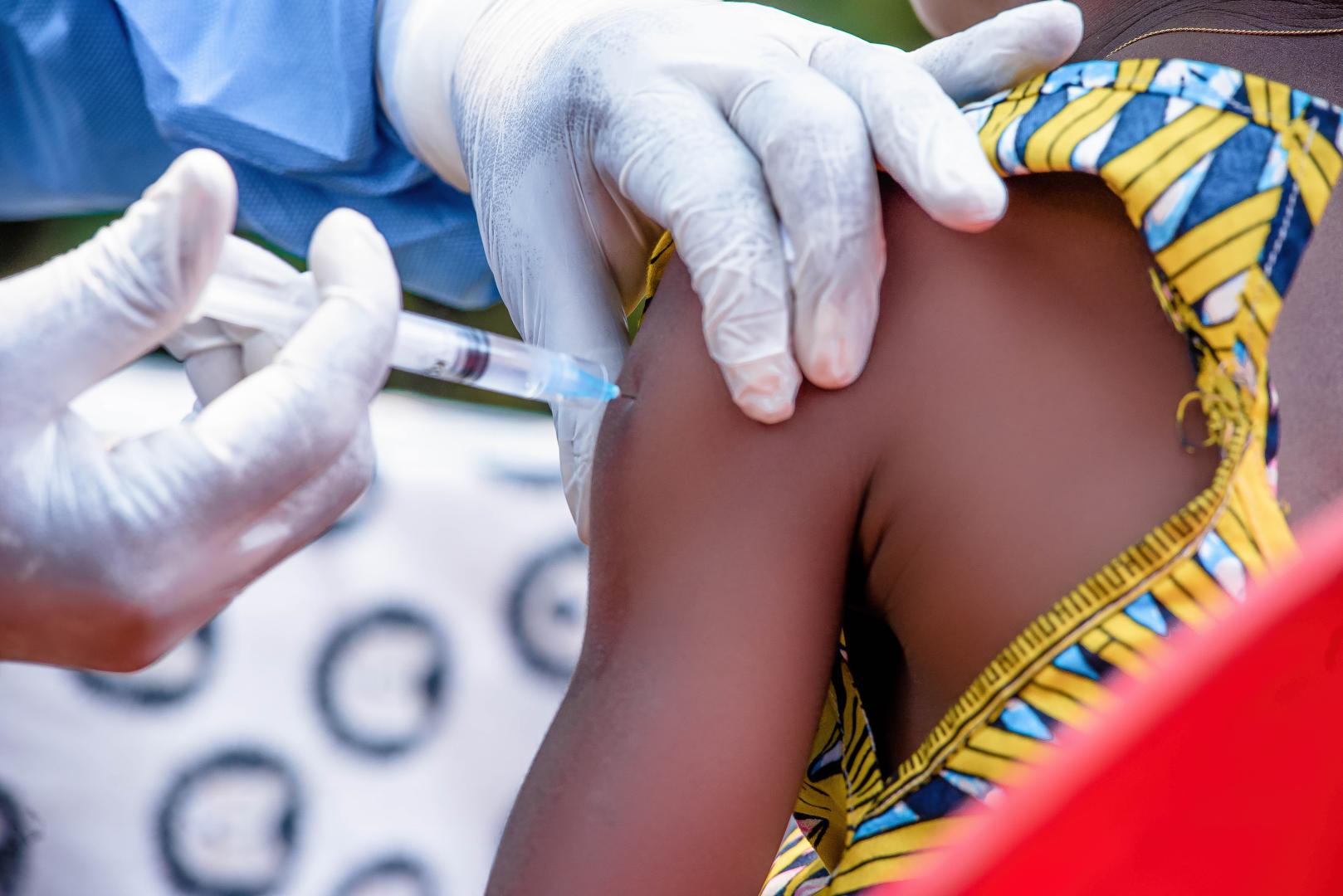
The prophylactic vaccination campaign against Ebola virus disease carried out in the province of Équateur recorded encouraging results, with a total of 26,840 people having received the first dose of the Ad26 vaccine against Ebola, and 19,740 having received the second dose of MVA vaccine.

These figures indicate vaccination coverage of 74% for the first dose, over a period of 8 months, despite certain interruptions. It was Doctor Zéphyrin MUSOKO, coordinator of the prophylactic campaign against Ebola in the region, who shared this data.

A total of 46,580 doses were administered to individuals aged 12 and older, covering 18 health zones in Ecuador's provincial health division. Beneficiaries include children, pregnant women, frontline medical personnel, as well as specific groups such as hunters, indigenous peoples, logging trucks and fishermen.

This information was revealed during the closing ceremony of the campaign, held at the Mbandaka 2 grand market, chaired by the vice-governor of the province of Équateur, Doctor Taylor NGANZI NKEKA.

The campaign was organized by the Expanded Vaccination Program (EPI), in collaboration with the National Institute of Biomedical Research (INRB), benefiting from technical and financial support from the UGPDSS via the World Bank, the WHO and the UNICEF.

It should be noted that the province of Équateur has previously been affected by three Ebola epidemics, occurring in 2018, 2020 and 2022.

Peter GBIAKO NGBALA, Mbandaka, Ecuador

https://actualite.cd/2023/11/26/cam...ns-la-province-de-lequateur-pres-de-75-de-la​
 
​Translation Google
Preventing Ebola epidemics by vaccinating the entourage of former patients cured in Equateur, in the north of the DRC.

October 28, 2024

Mbandaka/Bikoro – From 10 to 20 August 2024, a vaccination campaign against Ebola virus disease (EVD) took place in the province of Équateur, particularly in the health zones of Mbandaka and Bikoro. This preventive campaign targeted more than 10,000 people, particularly relatives of former patients recovered from previous EVD outbreaks. Organized by the Ministry of Public Health, Hygiene and Social Security, with the generous support of the World Health Organization (WHO) and the United States Centers for Disease Control and Prevention (CDC), this initiative is part of a coordinated strategy to prevent post-epidemic transmission and avoid new Ebola outbreaks.

The Democratic Republic of Congo (DRC) regularly faces Ebola virus outbreaks. The latest, the 15th in the country's history, declared in July 2022 in Beni, was contained in less than two months in North Kivu thanks to a rapid response, where vaccination played a crucial role.
_DSC2815.jpg


Julie, a 39-year-old mother of five, lost her husband to Ebola in 2018. She herself had contracted the virus at the time, but survived thanks to treatment at a treatment center in Mbandaka, the provincial capital. Determined to never see any more members of her family suffer from the disease, Julie convinced all her adult children and relatives to get vaccinated against Ebola.

Equateur was among the provinces most affected by Ebola, which remains a public health threat in the country. Between 2018 and 2022, the province was hit by three Ebola outbreaks (9th, 11th and 14th outbreaks), affecting 13 of its 18 health zones. Nearly 190 confirmed cases including 93 deaths were reported during these outbreaks.

Julie's entourage was part of a large cohort of more than 10,000 people, relatives of former patients who had recovered, spread across a dozen health zones in Equateur, including Bolomba, Bikoro, Iboko, Ingende, Lilanga Bobangi, Lolanga Mampoko, Lotumbe, Mbandaka, Monieka and Wangata. These health zones are targeted for vaccination across around forty sites, aimed at protecting populations from future Ebola epidemics.
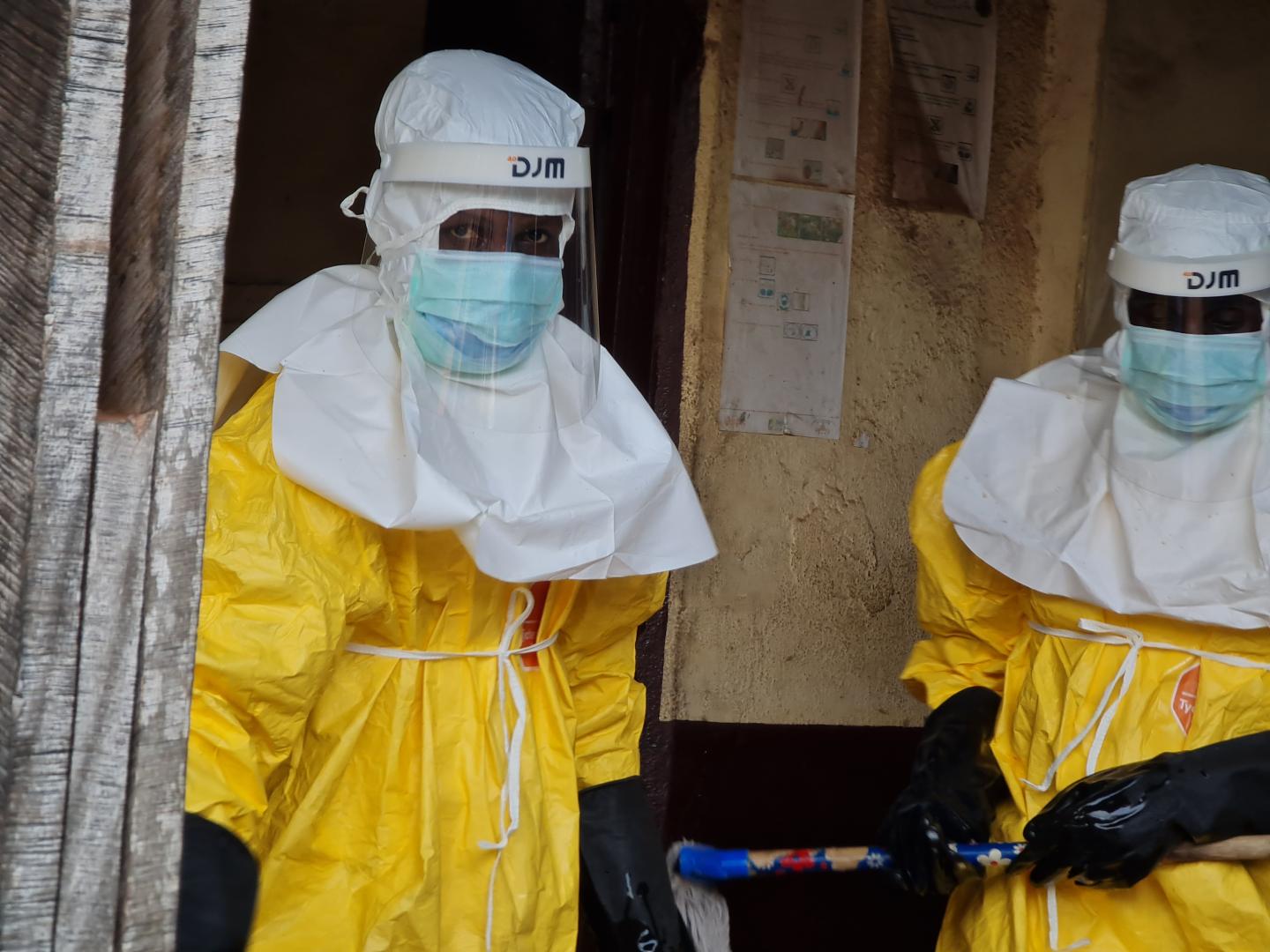
20220505_121353_0.jpg

Scene of a team of hygienists disinfecting a health center in a neighborhood of Mbandaka, during the last Ebola outbreak in 2022. Credit, WHO/Eugene Kabambi.

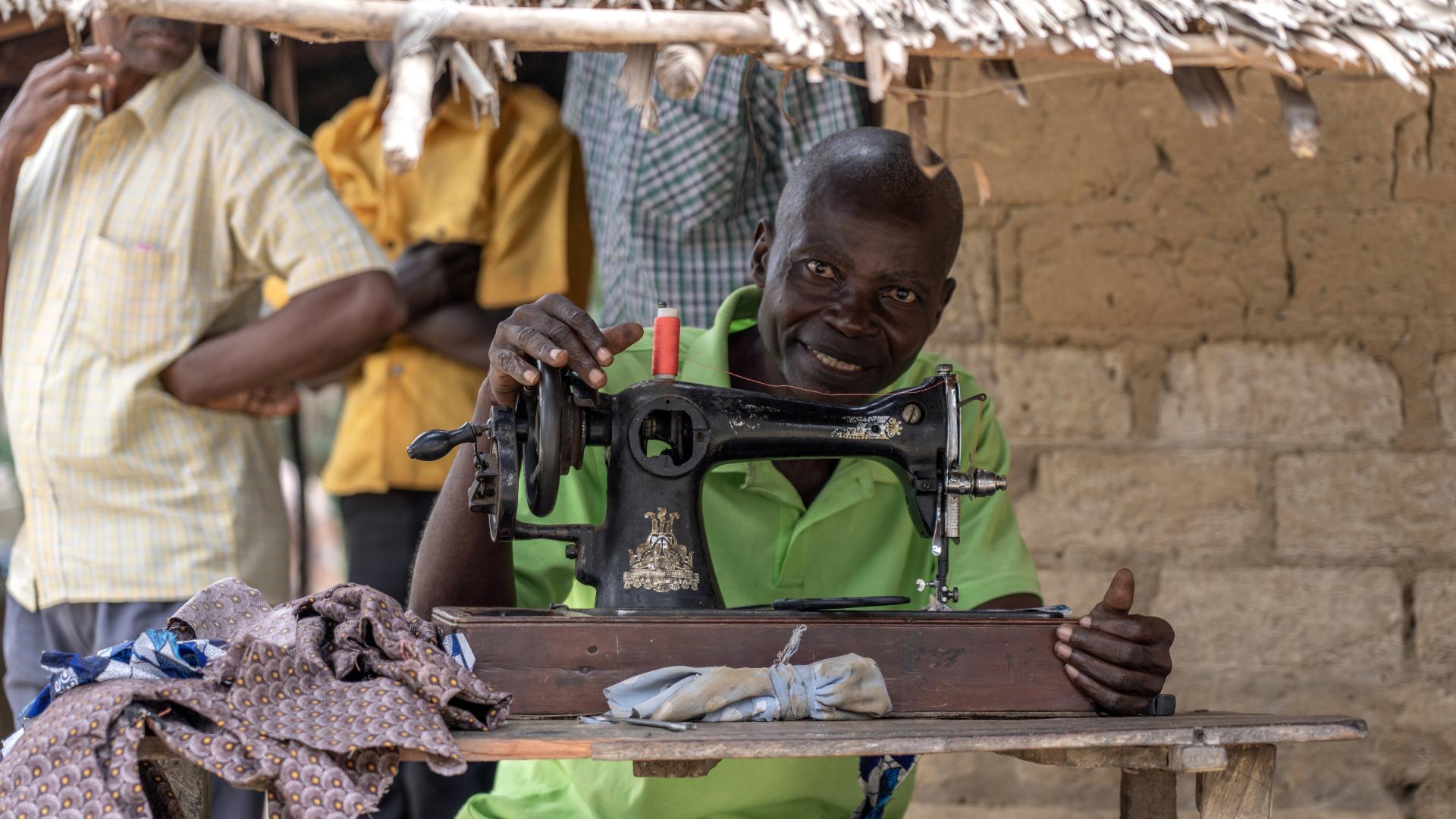
Fidèle Lofete, 75, a father of five, is the oldest of the "winners" of the Ebola epidemic that struck the province of Équateur in 2020. For him, mobilizing his loved ones was a duty. "I convinced more than 290 people in my circle who agreed to be vaccinated," he says. Sitting in front of his sewing machine, his main work tool, worn out by the years, he watches members of his community register for vaccination, in a remarkable show of solidarity.
_DSC2916-2.jpg

Fidèle Lofete, who recovered from Ebola in Bikoro and has become a symbol of resilience for his community, stands proudly in front of his sewing workshop. Credit: WHO/Junior Diatezua

For this vaccination campaign, the World Health Organization (WHO) played a key role in delivering vaccine doses and coordinating their deployment to targeted health areas. In addition, 45 field teams including supervisors, vaccinators, data and waste managers were mobilized and trained in collaboration with the Expanded Programme on Immunization and the Provincial Health Division of Equateur. WHO also supported coordination, as well as risk communication and community engagement.

Social mobilization has been part of the campaign's success, says Dr Richard Lesthu, head of the WHO sub-office in Mbandaka. "We have identified more than 95 survivors of recent Ebola outbreaks in Equateur. For these people who are in contact with their families and communities, this safe and effective Ebola vaccine has helped protect them from any re-emergence of the disease."

DSC_3730.jpg

WHO teams, in collaboration with those from the Provincial Health Division (DPS) and the Expanded Programme on Immunization (EPI), are participating in Ebola vaccination activities in Bikoro, a health zone located 120 km from Mbandaka. Credit: WHO/Junior Diatezua.

In the midst of these devastating health crises, Dr. Nicole Kumbolani Afuwa, Head of the Provincial Health Division (DPS) of Equateur, observed that the psychosis that prevailed within communities, wondering how long this would last, has given way to a glimmer of hope that now shines in the eyes of these populations often exposed to this deadly zoonosis. Indeed, public health measures, individual and collective protection, community engagement and vaccination supported by WHO and other partners have borne fruit.

"I was deeply moved by the availability and courage of all these people coming from different villages, sometimes on foot, to the vaccination sites. I am grateful to WHO and CDC for allowing us to benefit from these vaccines for sustainable protection of our communities." For this 10-day campaign, the Ervebo vaccine was used for its effectiveness. A single dose offers protection of more than 97%. A total of 10,144 people, or 99.5%, benefited from this vaccine. Compared to the identified target of 14,927 people, at least 68% of the relatives of the cured were vaccinated.
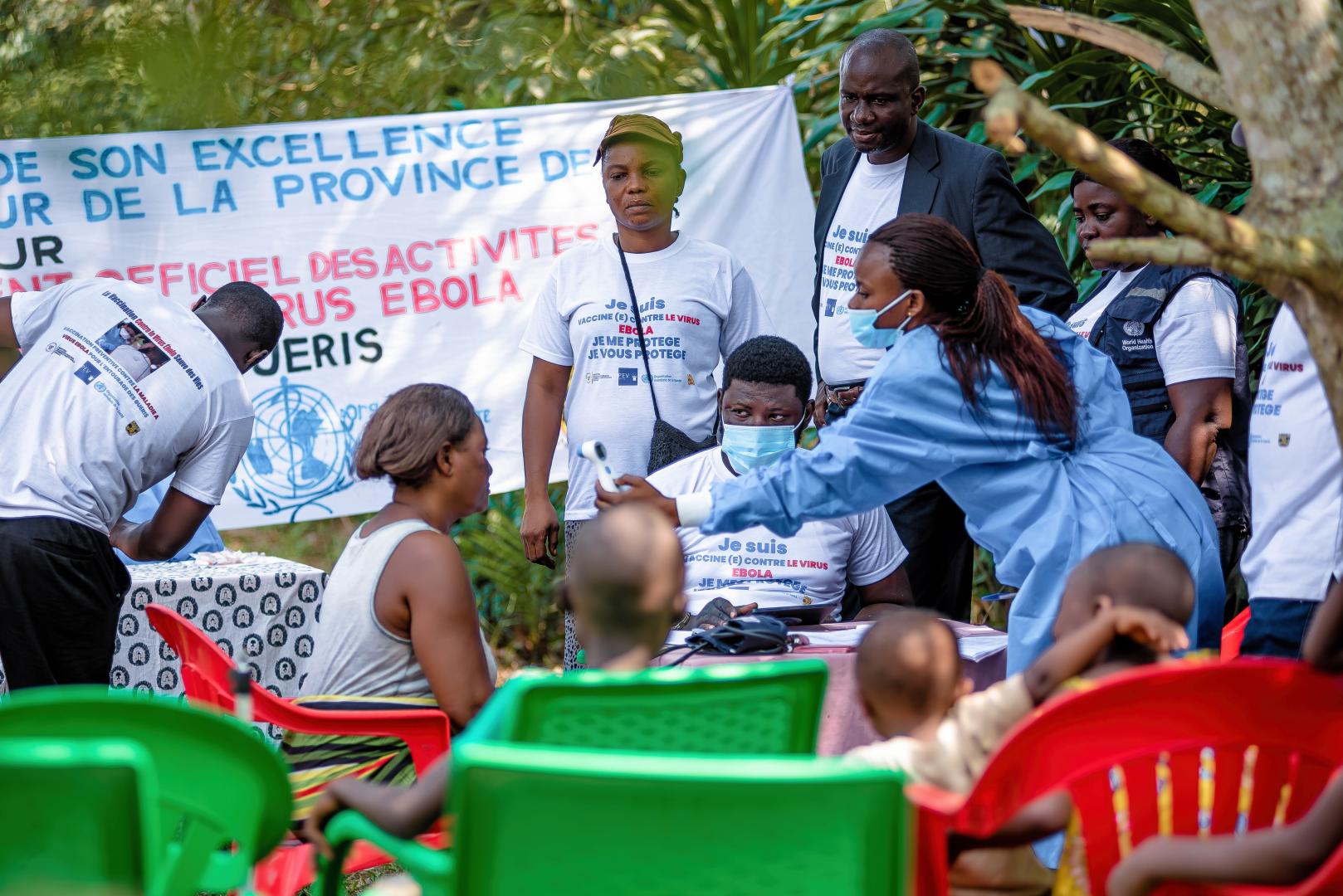
DSC_3474.jpg

A vaccinator measures the temperature of a candidate for vaccination during the vaccination campaign for relatives of Ebola survivors in Ecuador. Credit: WHO/Junior Diatezua.

"Our families and loved ones have been made aware of the benefits of this preventive vaccination. I am convinced that this will save lives and prevent us from reliving the nightmare of the 2018 epidemic," says Julie, surrounded by her children.
DSC_3628.jpg

In Mbandaka, a young woman close to people who have recovered from Ebola receives her dose of vaccine during the first round of the vaccination campaign in Equateur. Credit: WHO/Junior Diatezua.

For Fidèle, it remains "crucial to raise awareness in our communities about the mortality of the Ebola virus." "Having survived this disease myself, I understand the danger of this devastating virus. I would not wish any of my loved ones to experience this again," he concludes.

_DSC2996.jpg

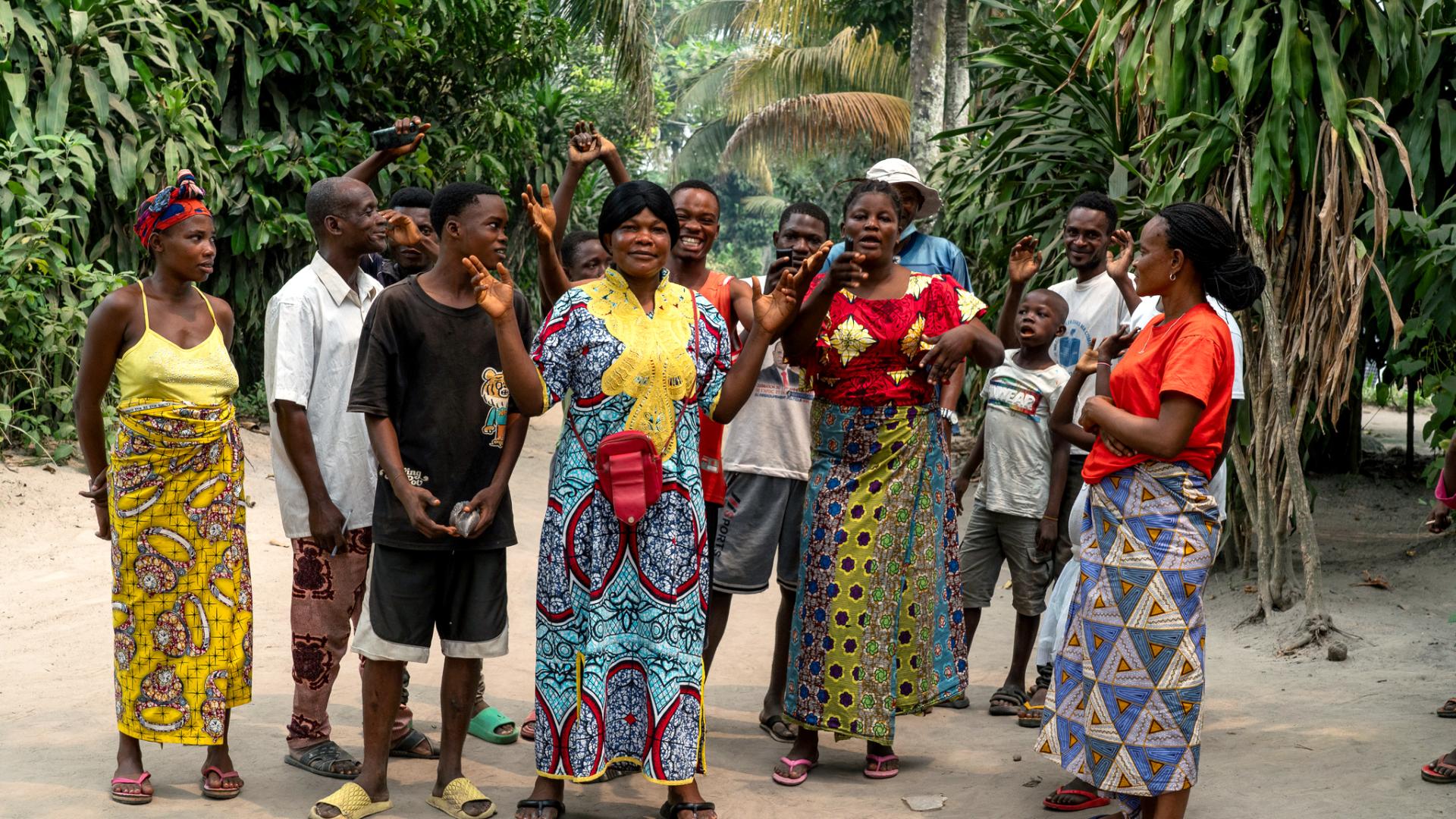
Julie, who recovered from Ebola a few years ago, shares moments of joy with her family and loved ones after the end of the vaccination campaign on August 20, 2024 in Mbandaka. Credit: WHO/Junior Diatezua.


https://www.afro.who.int/fr/countri...ic of Congo&name=Democratic Republic of Congo
 
Back
Top