• FluTrackers.com Inc. does not provide medical advice. Information on this web site is collected from various internet resources, and the FluTrackers board of directors makes no warranty to the safety, efficacy, correctness or completeness of the information posted on this site by any author or poster. The information collated here is for instructional and/or discussion purposes only and is NOT intended to diagnose or treat any disease, illness, or other medical condition. Every individual reader or poster should seek advice from their personal physician/healthcare practitioner before considering or using any interventions that are discussed on this website. By continuing to access this website you agree to consult your personal physican before using any interventions posted on this website, and you agree to hold harmless FluTrackers.com Inc., the board of directors, the members, and all authors and posters for any effects from use of any medication, supplement, vitamin or other substance, device, intervention, etc. mentioned in posts on this website, or other internet venues referenced in posts on this website.
  • We are not asking for any donations. Do not donate to any entity who says they are raising funds for us.

DRC – 17th Ebola Outbreak (Bundibugyo virus) - Concerns over reliability of Government reported cumulative cases and deaths - May 2026+

(screenshots)
1792171751480.webp

1792171782869.webp

1792171811108.webp

...
1792171991879.webp

...
1792172111248.webp

...
 
Translation Google

DRC: Two cases of Ebola recorded in the province of North Ubangi

In the Democratic Republic of Congo, the Ebola epidemic continues to spread. According to RFI, cases have been confirmed in the province of North Ubangi, in the northwest of the country, a border area with the Central African Republic.

Published on:17/10/2026 - 22:31
By : RFI

So far, two cases of Ebola have been confirmed in North Ubangi province: one person is ill and another has died. This information has not yet been officially announced. Both victims are located in the Wapinda health zone, a mining town on the border with the Central African Republic.

According to a source close to the investigation, these cases are linked to those already recorded in the neighboring province of South Ubangi. In early September, a man fell ill while traveling by boat on the Congo River, coming from Kisangani. Contact cases had been identified. " These contact cases traveled by motorcycle towards North Ubangi, so we were prepared for the possibility of confirmed cases being recorded in the area ," our source explained.

Authorities have already deployed a response team of seven experts to the area. Their objective: to trace and isolate high-risk contacts to prevent the spread of the disease to this region of the DRC .

------------------------------------------------------------------------------​

Images translated by Google​

SitRep N°155 /MVE-BDBV/16/10/2026​

  • October 18, 2026
  • Posted by
    author-avatar
    insp.cd
...
1792327277672.webp

1792327415386.webp

1792327583039.webp

1792327738689.webp

...
1792328062382.webp

...

 
Translation Google

MSF announces the closure of its Ebola treatment center "Elikya" in Bunia on October 31st

Published on Tue, 20/10/2026 - 13:03 | Modified on Tue, 20/10/2026 - 13:03

Doctors Without Borders (MSF) has announced the closure, on October 31, of its Ebola treatment center Elikya, in Bunia, Ituri province. In a statement released Monday evening, October 21, the organization indicated that its emergency teams will be redeployed to other areas affected by the epidemic.

Despite a decrease in the number of new cases in some localities, health authorities are calling on the population to remain vigilant.

Established in Bunia at the beginning of June, the Elikya center has a capacity of approximately 100 beds. According to MSF, 572 confirmed cases of Ebola have been treated there since its opening.

The organization specifies that the facility is no longer accepting new patients. These patients are now being referred to the four other treatment centers still operational in Bunia.

According to MSF's emergency coordinator for the Ebola response in Ituri, the available healthcare capacity in the city allows for continued treatment without maintaining the Elikya center. The organization therefore plans to redeploy its emergency teams to other areas where the needs remain significant.

Vigilance remains essential.

In the Mambasa territory, more than two weeks have passed without a new confirmed positive case in Niania, according to medical sources. Health authorities attribute this trend in particular to the community's adherence to preventive measures.

However, transmission of the virus remains active in other areas affected by the epidemic. MSF calls on the population to maintain preventive measures and to promptly report any suspected cases.

The organization states that it is continuing its commitment to the Ebola response. It has eight treatment centers in the affected areas, with a total announced capacity of 300 beds.


North Kivu - ​

1792605224042.webp

/https://en.wikipedia.org/wiki/Mangina,_Democratic_Republic_of_the_Congo
----------------------------------------------------------------------------------------------------
Translation Google

Ebola in Beni: Seven students infected in two weeks in Mangina​

Tue 20/10/2026 - 17:52

At least seven confirmed cases of Ebola virus disease have been recorded in the space of two weeks among students in Mangina, in the Mabalako health zone (Beni territory), North Kivu. Faced with this situation, the Catholic Teachers' Union (SYNECATH) of the Mangina parish is raising the alarm about the inadequacy of prevention measures in several schools.

According to Muhindo Musubao Kiwanza, parish delegate of SYNECATH, the cases identified concern two secondary school students, from two different institutes, as well as five schoolchildren from three primary schools.

Concerned about the spread of the virus in schools, the union is calling for the urgent mobilization of those involved in the Ebola response. It is specifically requesting the intervention of the chief medical officer of the Mabalako health zone, the response team, and local political figures to strengthen prevention measures in schools.

“The health situation is worrying here in the commune of Mangina in general, particularly in schools where five schools have been affected. There are three primary schools with five cases and two secondary schools with two cases, for a total of seven cases in schools. This is a very concerning situation.
Therefore, we are requesting the personal involvement of the area's chief medical officer, the response team, and political actors to ensure that schools are provided with preventative supplies. It is also essential to strengthen preventative measures specifically within schools,” pleads Muhindo Musubao Kiwanza, president of SYNECATH Mangina.

This teachers' rights advocacy structure in Mangina is particularly advocating for schools to be provided with appropriate prevention kits, designed to protect students, schoolchildren and teaching staff against the risks of contamination.

Through this alert, SYNECATH of Mangina calls on health authorities, response teams and local officials to act quickly in order to better protect schools from the threat of Ebola.

On the ground, the conditions for prevention remain worrying. Several schools in Mangina do not have sufficient handwashing facilities, which complicates the implementation of preventative measures.

Despite these difficulties, school officials are continuing their efforts to enforce health guidelines. The union, however, believes that a rapid strengthening of protective measures is essential to limit the risk of transmission and safeguard the health of school communities.

The Ebola epidemic declared last May has caused 4,602 deaths out of 9,552 confirmed cases in the country, representing a case fatality rate of 48.5%. Eight of the 26 provinces are affected: Ituri, North Kivu, South Kivu, Tshopo, Haut-Uele, Bas-Uele, Sud-Ubangi and Nord-Ubangi.

Josué Mutanava, in Goma

https://actualite.cd/2026/10/20/ebola-beni-sept-eleves-contamines-en-deux-semaines-mangina
 

Haut Uélé - ​

Ebola response: Strengthening treatment and preserving essential care​

23 October 2026|Feature Story|Reading time: 4 min
Isiro%201_1.jpeg.webp

Ebola response: Strengthening treatment and preserving essential care
Isiro%205.jpeg
Isiro%202.jpeg
Isiro_0.jpeg


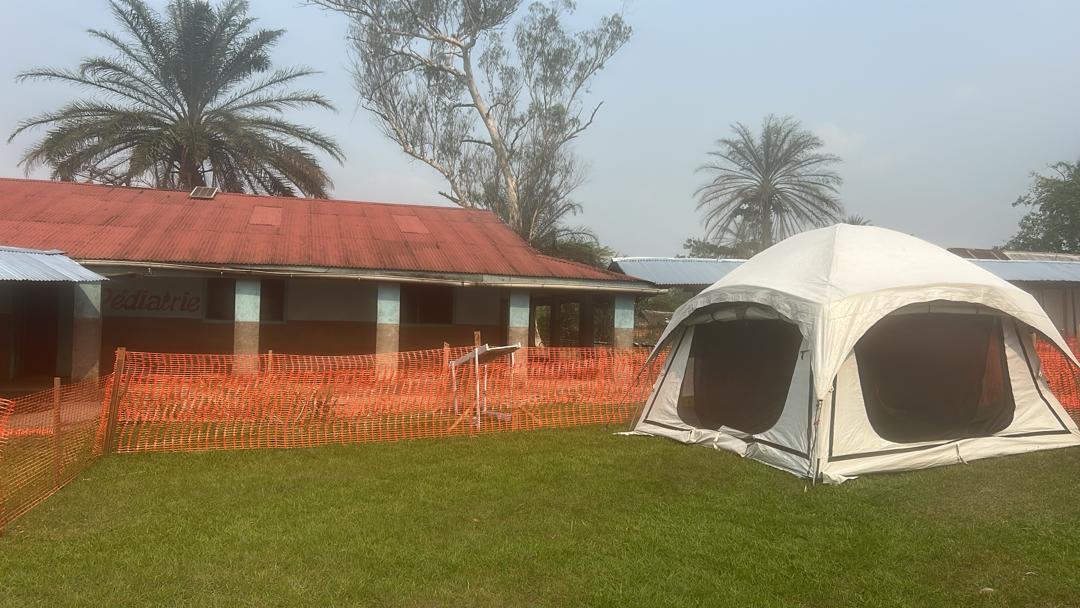
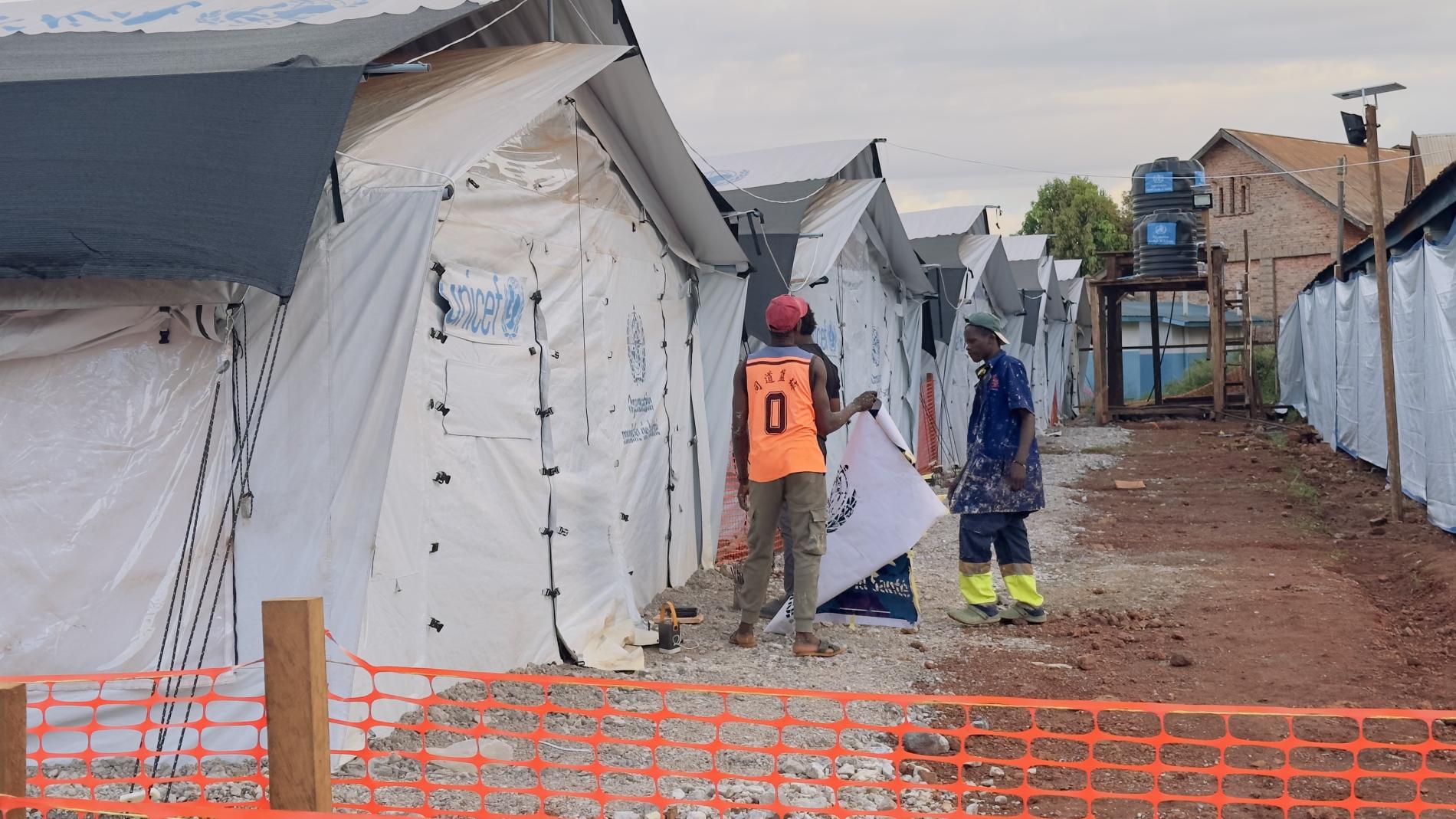
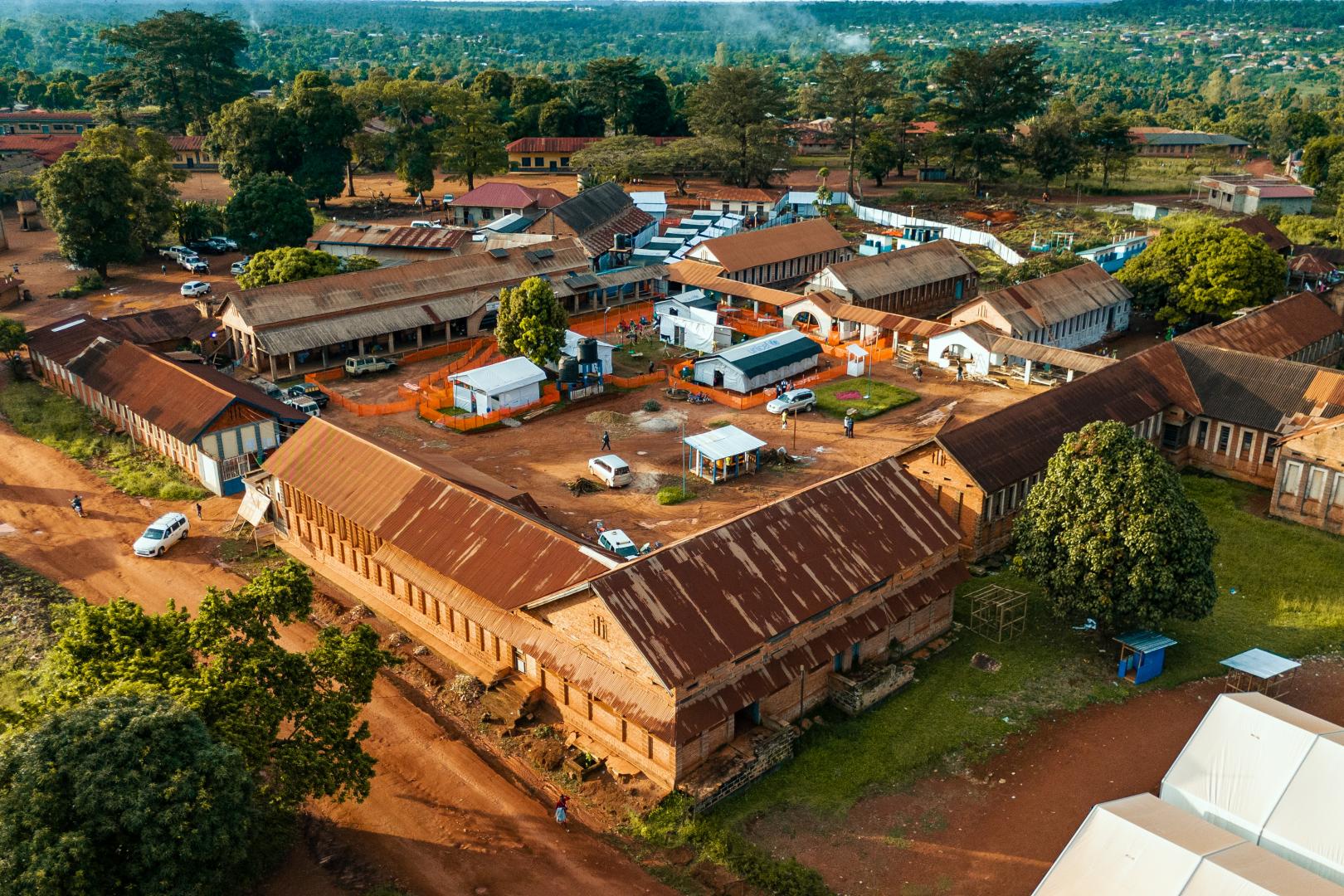
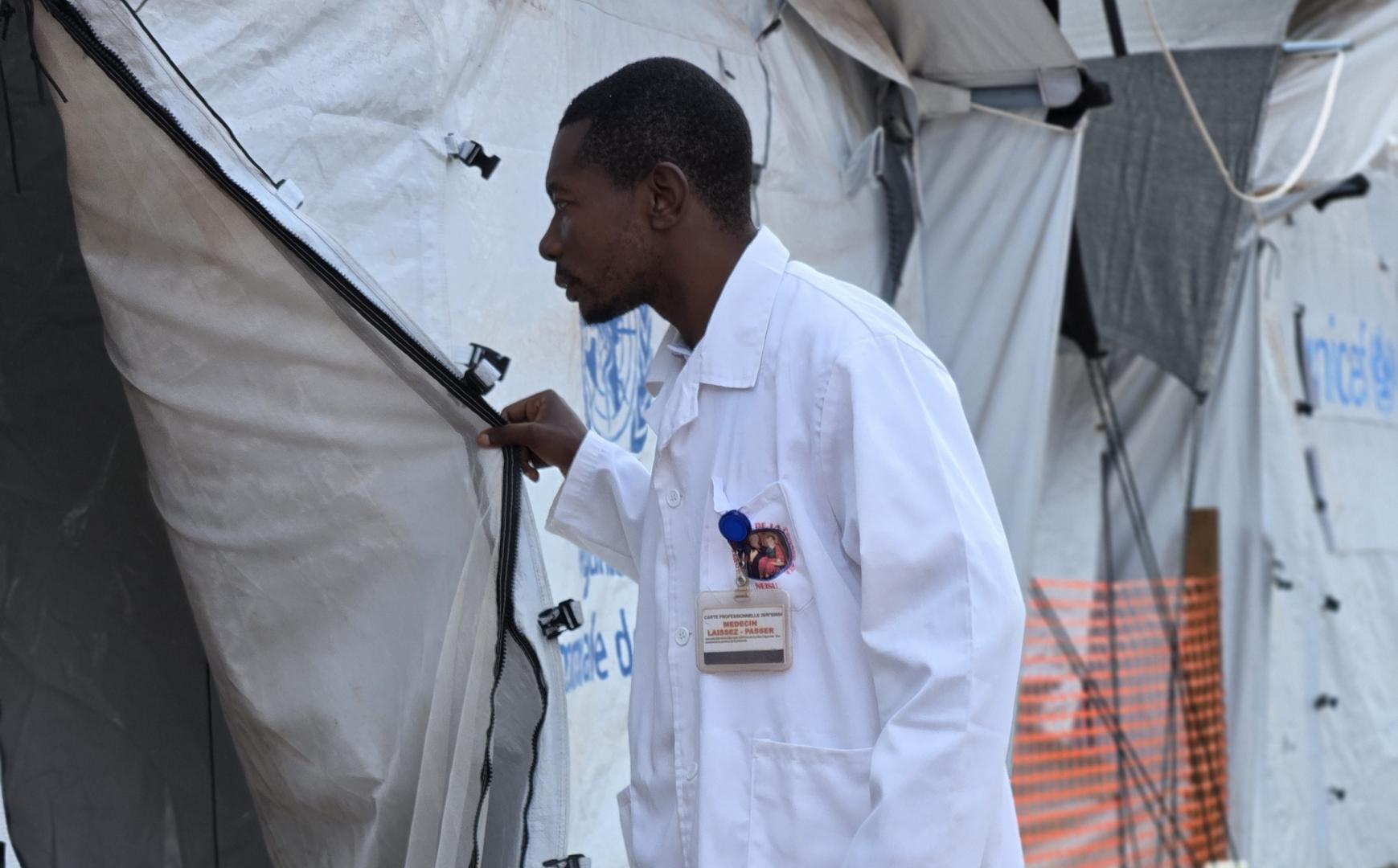
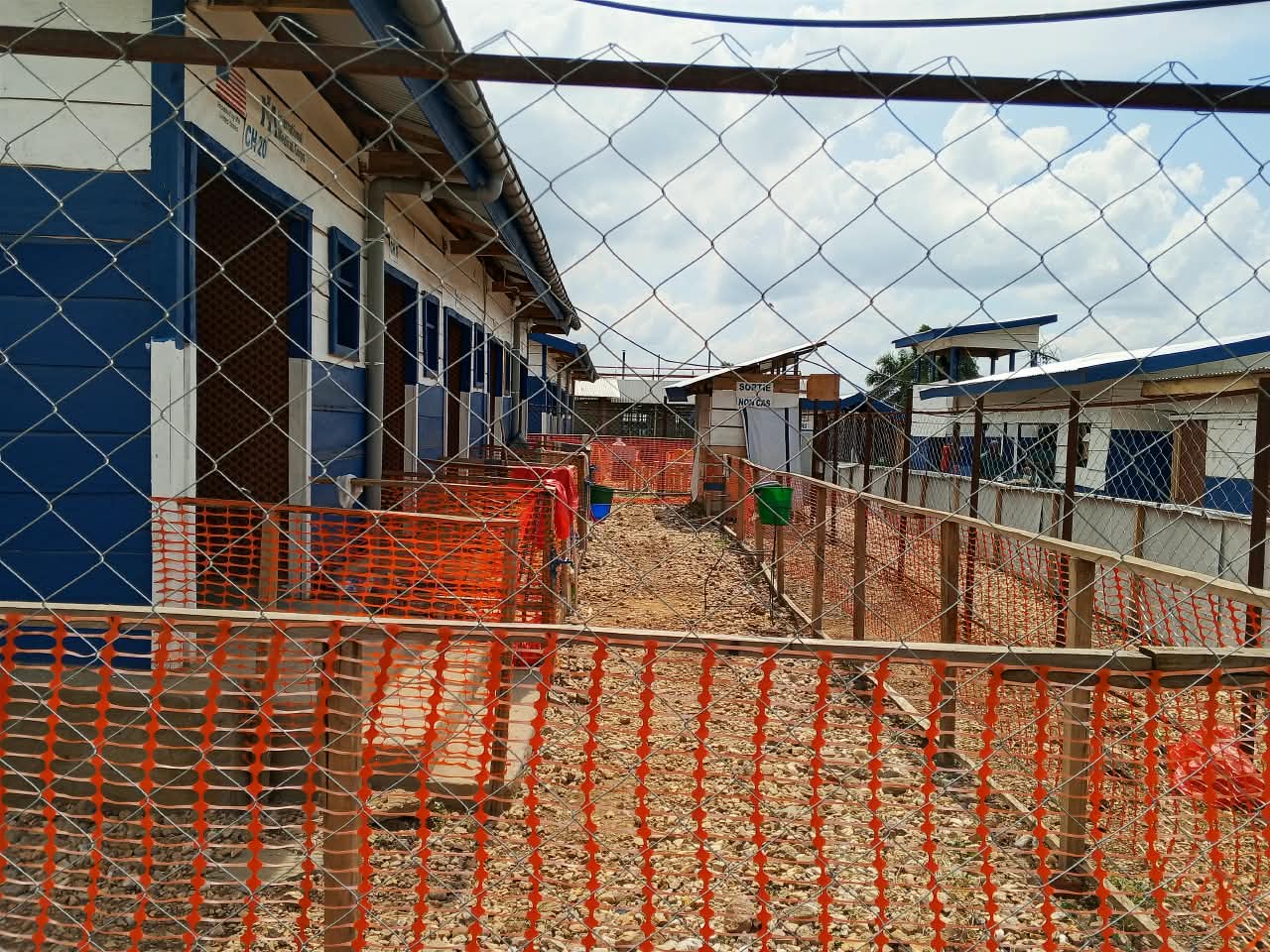
Isiro, the Democratic Republic of the Congo – “We were separated only by ropes.” When Dr Prince Afandia Alafu, 33, returns to the place where he was treated for Ebola, memories of his hospitalization resurface. In Isiro, in Haut Uélé province in northeastern of the Democratic Republic of the Congo, this general practitioner discovers, just weeks after his recovery, an expanded and better equipped treatment centre. Progress has been made to improve care for Ebola patients while allowing the hospital to gradually resume its usual activities.

A few days before his admission, Dr Prince experienced persistent fever and headaches, which he initially attributed to malaria or typhoid. A test confirmed his infection with the Bundibugyo virus, responsible for the current Ebola outbreak. Accustomed to treating others, he suddenly became a patient himself. After several days of care, he managed to overcome the disease.

On August 24, when he was admitted to the Isiro Ebola Treatment Centre (ETC), the facilities were still rudimentary. Spaces were cramped and care conditions difficult. Today, the centre has 50 beds and appropriate equipment. “There has really been a big improvement. Now there is electricity and water. The rooms are maintained regularly, and the conditions of care have changed,” he notes.

Behind these changes lie the story of a hospital deeply shaken by the epidemic. Before Ebola arrived, the Isiro General Reference Hospital (GRH) had 130 beds and provided internal medicine, surgery, pediatrics, and obstetrics gynecology care, with an occupancy rate above 90%. When the first cases appeared in July 2026, the facility had to reorganize its services.

“We had to move the pediatric ward. The pediatric pavilion became the first nucleus of the ETC within the hospital. With the increase in cases, we had to mobilize a second pavilion,” explains Dr David Kamalu, director of the GRH. The presence of Ebola patients in hospital buildings and fear of contamination gradually drove other patients away. According to Dr Kamalu, bed occupancy dropped to 30% in August.

For medical teams, the challenge was immense: treating Ebola patients without interrupting care for pregnant women, children, and patients with other illnesses.

As of 19 October 2026, 7 of the 13 health zones in Haut Uélé were affected by the Ebola outbreak. The province had recorded 421 confirmed cases, including 180 deaths. Isiro health zone was among the hardest hit.

Under the leadership of the Ministry of Health, with support from WHO and partners, the ETC — initially with 40 beds — was expanded to 50 beds in collaboration with Médecins Sans Frontières (MSF). “This extension allows us to strengthen reception capacity and improve care for Ebola patients. It helps secure care circuits and reduce transmission risks,” emphasizes Dr Catherine Smallwood, WHO incident manager. “By having an adapted treatment centre, we also help the hospital gradually resume its usual activities.”

The effects are already visible. Patients who had deserted the hospital out of fear are gradually returning. Today, we have about 55 patients hospitalized. Now that the centre is secure and circuits are better organized, patients are starting to come back for their usual care,” notes Dr Kamalu.

Improved treatment capacity is accompanied by other interventions to preserve health services. WHO has delivered more than a ton of medicines, supplies, and medical equipment to the GRH, including oxygen therapy materials, personal protective equipment, beds, and mattresses, to support continuity of essential care.

In Haut Uélé, health authorities also launched vaccination of frontline personnel for research purposes with the ERVEBO vaccine. Nationally, more than 9,000 agents have been vaccinated as part of this study. The effectiveness of this vaccine against the Bundibugyo Ebola virus, responsible for the current outbreak, is still under investigation.

For Dr Steve Ahuka, incident manager of the Presidential Task Force dedicated to the Ebola response, complementarity of interventions is essential. “When we prevent through vaccination, when we treat the disease, when we raise awareness through survivors — these packages of activities are what make the disease recede,” he explains.

For Dr Prince, the improvements are deeply meaningful. Having faced the challenges of the epidemic’s early weeks, he now sees how better care and stronger prevention are giving patients hope and helping rebuild community trust. His experience shows that Ebola does not have to be fatal: timely, appropriate care can save lives.

“With the progress made in the response and the improvement of care conditions, I have hope that more patients will overcome Ebola, reunite with their families, and resume their normal lives.”

 
Related to post 519
Translation Google


North Kivu -

Ebola in Lubero: Two health facilities remain closed in Alimbongo after healthcare workers were infected

Published on Fri, 23/10/2026 - 05:29 | Modified on Fri, 23/10/2026 - 05:29

Two health facilities in the Alimbongo health zone, in the Lubero territory of North Kivu, remain closed following confirmed cases of Ebola virus disease among their staff. These are the Kitsombiro Reference Health Center and the Kasingiri Health Center, whose staff have been in quarantine since October 3, according to local health sources.

The closure of these two establishments has been extended following the confirmation, two days ago, of two new cases of Ebola among healthcare workers placed in quarantine.

According to sources from the Central Office of the Alimbongo health zone, more than 50 health providers have been in contact with the first nine confirmed cases in the Kitsombiro and Kasingiri health areas.


The reopening of the two facilities and the lifting of the quarantine for the affected staff will depend on the evolution of the health situation and the results of laboratory tests, these sources indicate. A 21-day observation period is planned before any decision is made.

The military administration in the Lubero territory confirms this situation. According to Colonel Kiwewa Mitela Alain, who oversees the territorial coordination of the response, several obstacles are hindering operations against Ebola in the Alimbongo health zone.

He cites in particular community resistance, lack of logistical and financial resources, and the occupation of part of the area by the ex-AFC/M23, which slows down interventions on the ground.

14 deaths recorded in Alimbongo

As of October 22, the Alimbongo health zone had recorded 19 cases of Ebola, including 14 deaths, three patients reported as having escaped, and two active cases, according to the data released.
Across the Lubero territory, the total number of cases stood at 304.

The arrival of the World Health Organization (WHO) and the NGO International Medical Corps (IMC) has, however, raised new hopes for the response. An Ebola treatment center is under construction in Alimbongo, while the capacity of healthcare personnel is being strengthened, according to health sources in the region.

 
Back
Top Bottom