Translation Google
DRC: MSF conducts major study on Ebola vaccination for frontline workers
21.09.2026
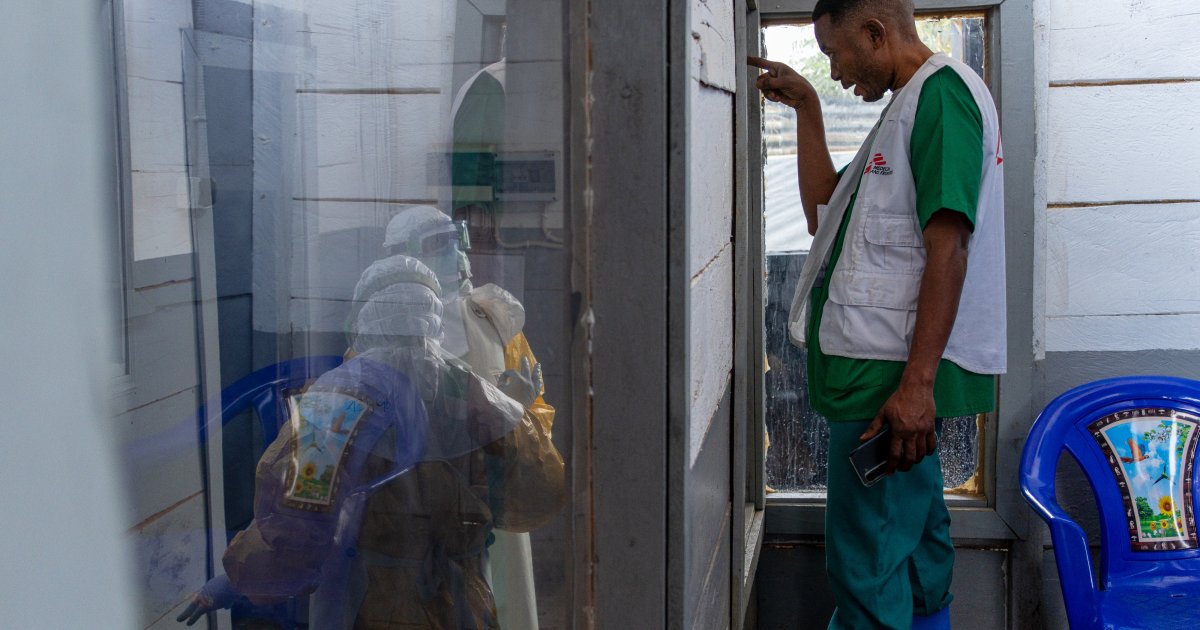
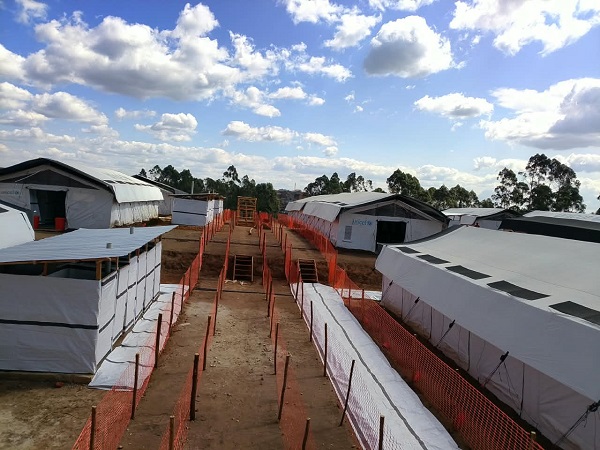
As the Bundibugyo virus Ebola outbreak continues to spread in the Democratic Republic of Congo (DRC), Doctors Without Borders (MSF) and its epidemiology research center, Epicentre, are launching BRAVO, a prospective study on the vaccination of frontline workers, integrated into the response led by the Ministry of Health. To date, no vaccine or specific treatment is immediately available against the Bundibugyo virus.
Conducted in collaboration with the Ministry of Health, Africa CDC, the National Institute of Biomedical Research (INRB), and several scientific partners, this study aims to document and evaluate the use of the ERVEBO® vaccine, the only vaccine currently available on a large scale with a well-established safety profile and extensive proven use in the DRC. However, this vaccine is licensed against the Zaire virus and not against Bundibugyo, the virus responsible for the current epidemic.
"Although ERVEBO was not initially developed to protect against Bundibugyo, some preliminary data suggest it could offer a degree of protection against this virus. In a race against time like the one the DRC is currently experiencing, we must use all the existing tools at our disposal. Even partial protection could help reduce severe forms of the disease and the number of deaths. However, these potential benefits must be scientifically demonstrated. That is precisely the goal of BRAVO."
- Guyguy Manangama, epidemiologist and deputy director of operations for MSF
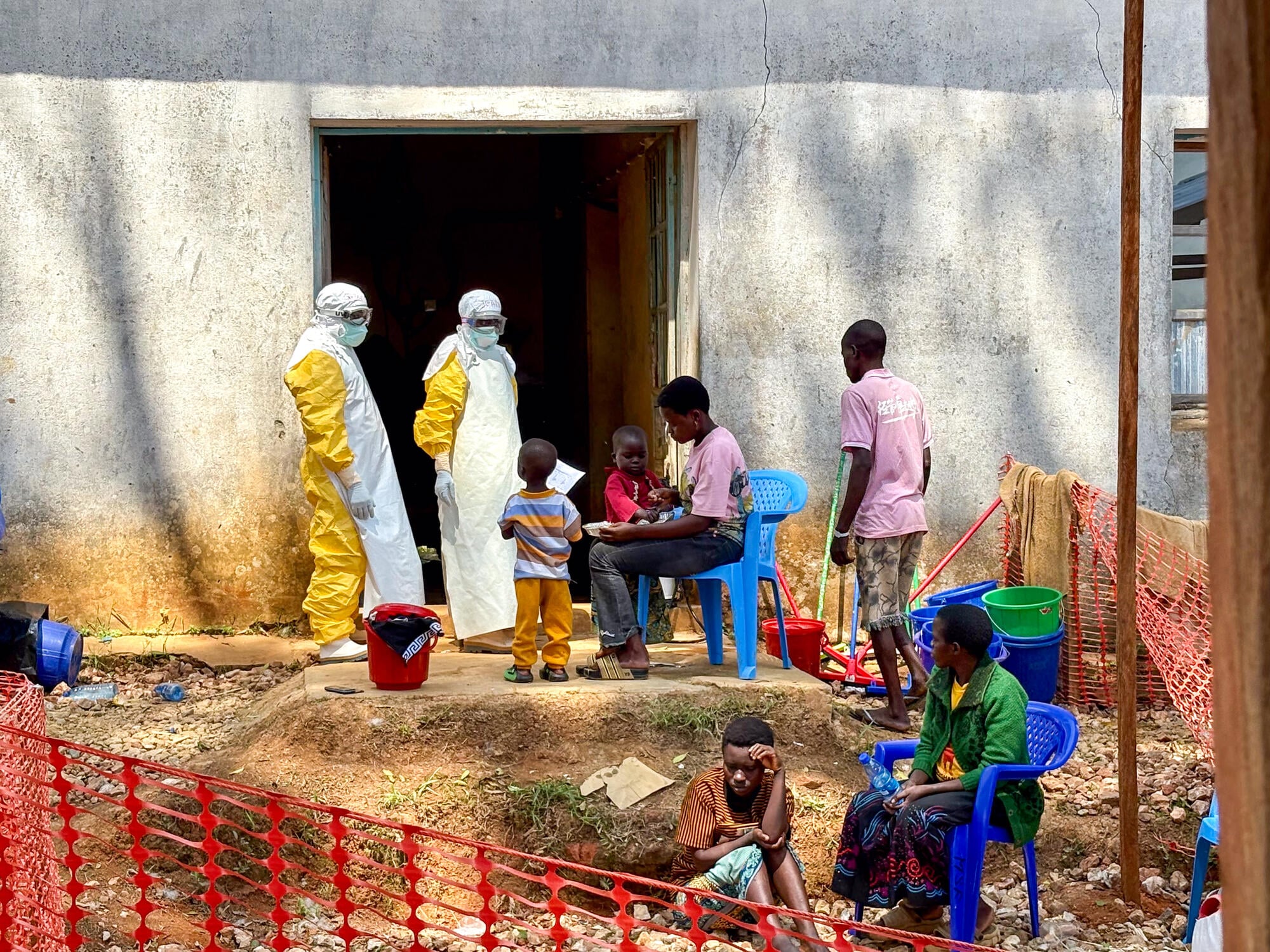
Launched on September 19, 2026, at the World Health Organization (WHO)-run health worker training center in Bunia, the study will run for nine to twelve months, including three months for vaccination and at least six months for participant follow-up. It will target 20,000 frontline workers in Ituri and North Kivu, a population particularly exposed to the virus and essential to the epidemic response. The study will generate real-world data on the use of the ERVEBO® vaccine and its potential effectiveness in the current context of the epidemic outbreak.
Several specific vaccines against the Bundibugyo virus are under development and could be available in the coming months. The continuation and acceleration of these research efforts remain essential. In the meantime, ERVEBO is proposed as an interim measure, given its demonstrated safety and its approval by several leading regulatory authorities, including the U.S. Food and Drug Administration (FDA), the European Medicines Agency, and the World Health Organization.
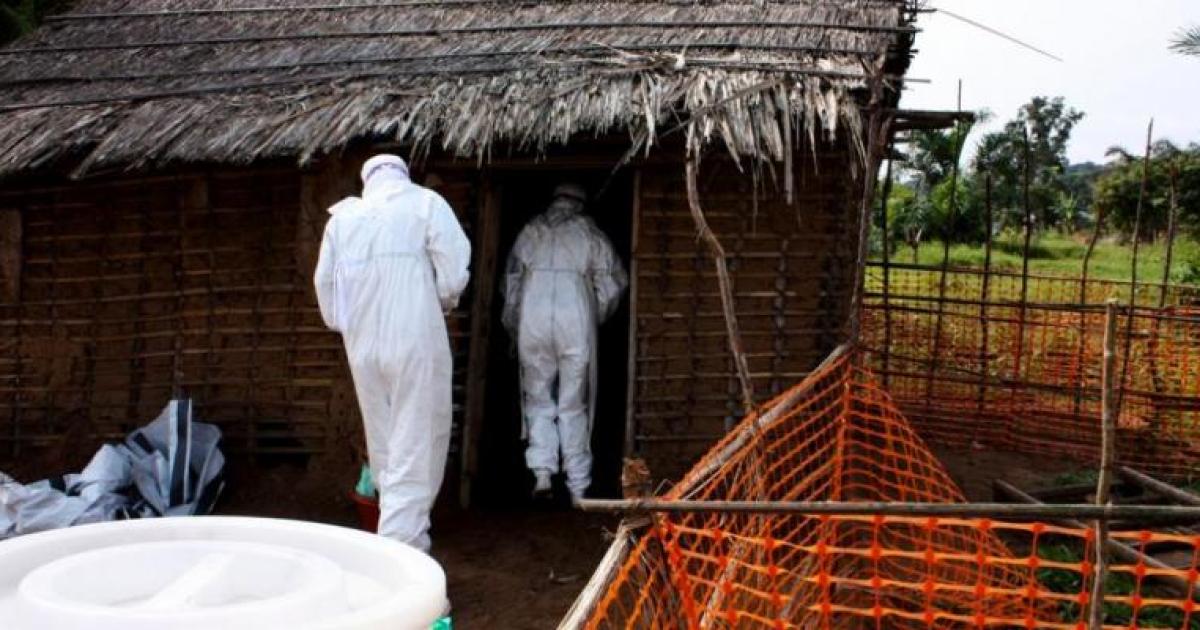
Participation in the study and administration of the vaccine are entirely voluntary . This vaccination should be considered a complementary protective measure that may strengthen the response to the epidemic, but it does not replace proven infection prevention and control measures. All frontline workers must continue to use personal protective equipment, adhere to safe care procedures, and promptly report any symptoms.
“It is important to emphasize that this vaccine will not end the ongoing epidemic,” Guyguy Manangama points out. “However, it could offer additional protection to the most exposed personnel and contribute to strengthening response capacities, alongside other essential interventions.”
Alors que l’épidémie de maladie Ebola à virus Bundibugyo continue de se propager en République démocratique du Congo (RDC), Médecins Sans Frontières (MSF) et Epicentre, son centre de recherche en épidémiologie, lancent BRAVO, une étude prospective sur la vaccination des travailleurs de première...

www.msf.ch




 actualite.cd

 acp.cd