• FluTrackers.com Inc. does not provide medical advice. Information on this web site is collected from various internet resources, and the FluTrackers board of directors makes no warranty to the safety, efficacy, correctness or completeness of the information posted on this site by any author or poster. The information collated here is for instructional and/or discussion purposes only and is NOT intended to diagnose or treat any disease, illness, or other medical condition. Every individual reader or poster should seek advice from their personal physician/healthcare practitioner before considering or using any interventions that are discussed on this website. By continuing to access this website you agree to consult your personal physican before using any interventions posted on this website, and you agree to hold harmless FluTrackers.com Inc., the board of directors, the members, and all authors and posters for any effects from use of any medication, supplement, vitamin or other substance, device, intervention, etc. mentioned in posts on this website, or other internet venues referenced in posts on this website.
  • We are not asking for any donations. Do not donate to any entity who says they are raising funds for us.

Discussion - Ebola outbreaks 2026 (DRC & Uganda)

Ituri -

Translation Google

Ebola: Healthcare workers on strike at Nizi and Kasenyi centers due to lack of payment

Published on Fri, 14/08/2026 - 09:27 | Modified on Fri, 14/08/2026 - 09:28

The care of Ebola patients is disrupted at two treatment centers in Ituri: one in Nizi, in the Djugu territory, and the other in Kasenyi (Ituri), on the shores of Lake Albert. Healthcare workers have suspended their activities since Wednesday, August 12, to demand payment of several months of back bonuses.

This strike comes as response teams are trying to strengthen patient care and bring healthcare closer to the population in this province, the main epicenter of the epidemic. According to the Minister of Health, 80% of cases are in Ituri, the disease's main center.

The Kasenyi center is operating at a reduced capacity.

In Kasenyi, about fifty kilometers from Bunia, the Ebola treatment center, inaugurated a few days ago with the support of the Ugandan government, is operating at a reduced capacity.

Congolese health workers assigned to this center are demanding payment of several months of back pay and have stopped reporting to their posts.

" It has been 48 hours since the staff assigned by the government have shown up at the Kasenyi treatment center. It is a desolation and a disappointment ," laments Wilson Nduru, a notable from Kasenyi.

Strike also in Nizi

The same situation is observed in Nizi, in the territory of Djugu, about thirty kilometers from Bunia, where several cases of Ebola have been recorded.

Since Thursday morning, some of the staff at the Ebola Treatment Center have suspended their activities to also demand payment of their outstanding bonuses.

This situation raises concerns about disruption to patient care in an area where healthcare needs remain significant.

The strike by healthcare workers is worrying civil society actors. They fear a slowdown in patient care and a worsening of the health situation in the province.

The coordinator of civil society in Ituri, Dieudonné Lossa, calls on the Government to assume its responsibilities.

" The response, as it is organized, is still not reassuring. There is also a strike today in Nizi. I place the responsibility on the State ," he says.

The service providers concerned are asking the authorities to respect their commitments and to settle their arrears in order to allow the resumption of activities.

The provincial coordination of the Ebola response has not yet reacted to these demands.

https://www.radiookapi.net/2026/08/...-en-greve-dans-les-centres-de-nizi-et-kasenyi
 
Translation Google

Ebola in Kisangani: Preventive measures strengthened in morgues

August 15, 2026

Kisangani, August 15, 2026 (ACP).- Barrier measures have been reinforced in the morgues of Kisangani, in the Tshopo province in the northeast of the Democratic Republic of Congo, where bodies from a high-risk Ebola zone are now subject to prior verification and an alert from health authorities before their admission in order to limit the risks, ACP learned Saturday from a medical source.

“Not all cases from high-risk areas are admitted directly to our morgues. We first inform the Provincial Health Division (DPS) for screening and funeral security,” said Dr. Nicolas Luvilinga, director of the Rekapi polyclinic.

This measure follows the earlier discovery, in the Rekapi morgue, of a body from Nia-Nia which, upon testing, had revealed a positive case of Ebola virus disease.

This incident led to the evacuation of the other bodies and the decontamination of the entire sanitary facility.

“We now verify the origin and circumstances of the death before any handling. In case of suspicion, we alert the health authorities directly,” added Dr. Nicolas Luvilinga.

According to him, morgue staff already benefit from training and technical support from the DPS and the World Health Organization (WHO), particularly on precautions to take when handling potentially contaminated bodies.

These new practices replace certain previous procedures, such as the immediate receipt of remains, their washing and their placement in coffins, now conditioned by the assessment of the health risk and the opinion of the competent authorities.

It should be noted that at a recent meeting of the provincial Ebola response committee, held at the provincial Ministry of Health, a pillar's report mentioned that, among the contact cases, were relatives of staff members of the Rekapi clinic morgue who had been in contact with the body from Nia-Nia.

The Rekapi polyclinic has two morgues, one located in Kabondo and the other in the Tshopo commune.

The Nia-Nia area, cited as the origin of the case, is in the neighboring Ituri province, where the Ebola response continues.

The Provincial Health Directorate (DPS) is collaborating with its partners to ensure the detection, treatment, and safe and dignified burial of confirmed and suspected cases. ACP/KIS/B/AB.

https://acp.cd/province/ebola-a-kisangani-les-mesures-preventives-renforcees-dans-les-morgues/

 
Translation Google

Tshopo: A provincial deputy demands security for the Ebola response

August 17, 2026

Kisangani, August 17, 2026 (ACP).- A provincial deputy demanded on Monday from ACP the immediate securing of the Ebola response teams, after the attack on three healthcare workers in Bumele, in the Bafwasende health zone, in Tshopo province in the North-East of the Democratic Republic of Congo (DRC).

“ I strongly condemn the attack on these three healthcare workers who were raising awareness about Ebola. The three health workers were targeted by young people who accused them of bringing Ebola to their village. They were beaten and threatened with death during the incident ,” said the Honorable Héritier Likaka.

He called on the Ministry of Health to review the awareness approach in the province.

According to him, the safety of personnel involved in the response must be an absolute priority in order to allow health teams to carry out their activities in a climate of trust with the communities.

For the elected representative from Isangi, provincial deputies, local authorities and community leaders need to be more involved in field activities.

According to him, this involvement would help reduce misunderstandings and strengthen public support for health measures.

Furthermore, the Honourable Héritier Likaka indicated that a motorcycle belonging to the response team had been set on fire, while computers and some personal belongings of the caregivers had been confiscated by the angry youths.

In this regard, he recalled that a similar incident had already occurred in Isangi, believing that the repetition of these situations should prompt those responsible for the response to adapt their communication and community mobilization strategy.

He concluded by urging the provincial Ministry of Health and response teams to strengthen their collaboration with local stakeholders in order to restore community trust, prevent further tensions, and ensure the safety of personnel deployed in the field. ACP/Kis/Luh

https://acp.cd/province/tshopo-un-d...e-la-securisation-de-la-riposte-contre-ebola/
 
Follow-up on post #107

Translation Google

The DRC government is called upon to protect healthcare workers (Congolese Society of Neurosurgery)

August 18, 2026

Kinshasa, August 18, 2026 (ACP) - A call for the protection of health professionals was launched Tuesday to the ACP, by the Congolese Society of Neurosurgery (SCNC) to the government of the Democratic Republic of Congo (DRC), following the death in Butembo of Dr. Charles Mbusa Munyumu, the only neurosurgeon in North Kivu, from Ebola.

“ Last Sunday, the SCNC organized a candlelight vigil bringing together colleagues in person in Kinshasa, as well as online from several cities in the DRC and abroad, to honor the memory of one of their own, Dr. Charles Mbusa, who died from Ebola virus disease in Butembo, North Kivu. On this occasion, the SCNC made a solemn appeal to the authorities for increased protection of healthcare workers in the field and the strengthening of health structures ,” said Dr. Jeff Ntalaja, president of this learned society.

“ The death of Dr. Charles Mbusa should give us pause. It reminds us of the vulnerability of those who dedicate their lives to caring for others and how much courage, selflessness, solidarity, and humanity our profession demands. But it should also encourage us to continue his fight. May Charles’s death not only be a source of sadness, but also a reason for the country’s leaders to commit to protecting all those on the front lines helping and caring for the population suffering from this Ebola virus disease ,” he added.

During this ceremony, the poignant testimonies of his peers and other neurosurgeons paid tribute to the memory of a brilliant, devoted and committed colleague in the service of life and human dignity.

Commitment to ensuring succession in North Kivu

Dr. Ntalaja also indicated that the Congolese Society of Neurosurgery reaffirms its commitment to continue Dr. Mbusa's fight and to ensure succession in North Kivu.

“ To our colleagues in Butembo who have experienced this ordeal in a currently difficult context, we express our solidarity and assure you that neurosurgery in North Kivu is not dead. Charles Mbusa has begun a fight, but his battle will continue ,” he urged, before specifying that the SCNC plans to send two other neurosurgeons and remains open to supporting all young people in this province wishing to pursue this path.

Dr. Charles Mbusa Munyumu, who was a neurosurgeon at Matanda Secondary Hospital, died from Ebola virus disease while being treated at the Katwa Treatment Centre.

Based in Butembo, he specialized in neurosurgical interventions and the management of strokes.

Trained in Senegal and France, the doctor had notably practiced at Beaujon Hospital in Paris before dedicating his expertise to patients in his region. To date, the country has only 31 neurosurgeons .

ACP/M/M

https://acp.cd/science-sante-enviro...gnant-societe-congolaise-de-neurochirurgie-2/
 
North Kivu -

Translation Google

Ebola: A health facility was set on fire by unknown individuals in Butembo

August 18, 2026

Butembo, August 18, 2026 (ACP) - The Bora Maisha hospital in the Mukalangirwa district of Butembo, North Kivu, in the East of the Democratic Republic of Congo (DRC) was set on fire by unknown individuals on Monday night, following the presence of an Ebola case, according to a health source.

“It was Monday night into Tuesday morning that the attackers came and burned the building. All the healthcare workers fled. There was a confirmed case of Ebola in our facility, and since the surrounding population was not yet aware of the disease, there were some misunderstandings beforehand. One of our three active buildings was completely burned down, along with all the equipment in our laboratory, and all the patients fled,” said Philémon Kakule, a nurse at the Bora Maisha health center.

He also lamented the fact that the various contacts of this confirmed case are already probably infected; some of them are on the run for fear of infecting other people.

"The confirmed case in our hospital center had already died and now the nurse, the co-patients and all the people who came to see this confirmed case are also all infected and are dying indiscriminately wherever they are. There were co-patients who fled and they too have started to show signs of Ebola where they are in their flight," he lamented.

This healthcare professional has therefore called for the community's vigilance because the disease exists and is a reality.

The nurse finally called on the authorities to strengthen the security system in health facilities and for healthcare workers in the city of Butembo, especially in the Katwa health zone, which alone currently has 255 confirmed cases of Bundibugyo strain Ebola virus disease, including 160 deaths. ACP/DN/kms

https://acp.cd/province/ebola-une-structure-sanitaire-incendiee-par-des-inconnus-a-butembo/

----------------------------------------------------------------------------------
image.png

image.png

10:57 AM · Aug 18, 2026​​
 
Last edited:
Ituri -

Translation Google

Motorcyclists vandalize Ebola response vehicles in Aru

Published on Tue, 18/08/2026 - 16:19 | Modified on Tue, 18/08/2026 - 16:19

Young people, mainly motorcyclists, vandalized Ebola response vehicles and a health facility in Kandoy, Aru territory (Ituri), on Monday evening, August 17. A driver was injured and significant property damage was reported.

The violence is believed to be linked to two suspected cases of Ebola virus disease reported in the area, which are disputed by some members of the community. The head of the Ndo sector, Israël Omo, stated that investigations are ongoing to determine responsibility.

The attacked convoy was heading to Kandoy to pick up a wet nurse and an eight-month-old baby, who had been flagged as suspected cases by the alert team. Both were to be taken to Aru-centre for better medical care.

According to the Ndo sector chief, the infant's mother reportedly died some time ago in Mongwalu, in a suspected case of Ebola. However, neither case has yet been confirmed.

Motorcycle taxi traffic paralyzed

The driver of one of the damaged vehicles was injured after being attacked by protesters. Several windows and doors of the health facility were also damaged.

On Tuesday, relative calm was observed in Kandoy. However, several patients fled the health facility during the violence.

Motorcycle taxi traffic remains paralyzed, disrupting the movements of the local population. The sector chief believes that some motorcyclists, who feel responsible for the violence, are now avoiding the roads.

https://www.radiookapi.net/2026/08/...-des-vehicules-de-la-riposte-contre-ebola-aru

-------------------------------------------------------------------------
image.png

image.png

...
11:17 PM · Aug 18, 2026
 
Last edited:
Translation Google

DRC-Ebola: "We've never seen anything like this," Jean Kaseya alarmed by a surge of 70 to 100 new cases per day

Thu 20/08/2026 - 06:43

Invited this Wednesday to the Space Live program hosted by journalist Stanis Bujakera Tshiamala, the Director General of Africa CDC, Dr. Jean Kaseya, delivered a particularly worrying assessment of the recent evolution of the Ebola epidemic in the DRC. According to him, the last 24 hours have seen an unprecedented rate of spread, with between 70 and 100 new confirmed cases and 50 to 60 deaths recorded each day.

"And we've never seen anything like this," he insisted, describing this acceleration as a real break in the trajectory of the epidemic.

Faced with this surge, Dr. Kaseya advocated for "courageous measures," while also calling for follow-up studies to determine if "another phenomenon"—unspecified but potentially suggesting an evolution in the pathogen's behavior—could explain this increased virulence. Such a theory, if confirmed, would further complicate a response already severely tested over the past three months.


These remarks come as the latest situation report from the National Institute of Public Health (INSP), as of August 18, indicates 5,208 confirmed cases and 2,476 deaths since the start of the epidemic, representing a case fatality rate of 47.5%. While this cumulative total reflects the entire period since May, the daily rate mentioned by Jean Kaseya—several dozen new cases and deaths per day—suggests a marked acceleration of the spread in recent days, distinct from the three-month average.

The epidemic has now spread to six provinces and 56 health zones, with Ituri remaining the most affected, with 28 of its 36 health zones impacted, followed by North Kivu (12 zones), Tshopo (7 zones), Haut-Uélé (6 zones), and Bas-Uélé (2 zones). South Kivu, on the other hand, now has only one active zone, with no new cases for 79 days. The report also indicates 1,115 recoveries and 730 patients currently receiving treatment, with a contact tracing rate of 84%.

In terms of the response, health authorities are focusing on intensifying vaccination efforts, with 2,000 doses of the Ervebo vaccine already available in Tshopo province and a request for an additional 500,000 doses currently being processed. They are also expanding the therapeutic arsenal with the introduction of remdesivir and the investigation of monoclonal antibody treatments. Furthermore, the 2026-2027 school year will be adapted in the 18 health zones deemed high-risk, where a modified distance learning program will be implemented for four weeks.

https://actualite.cd/2026/08/20/rdc...me-par-une-flambee-de-70-100-nouveaux-cas-par
 
Translation Google

North Kivu: Armed escorts announced to secure Ebola response teams

August 20, 2026

Beni, August 20, 2026 (ACP) - The governor of North Kivu province announced the strengthening of measures to combat Ebola, including armed escorts to secure response teams, upon his return Wednesday to Beni from a mission to Kisangani, in the Northeast of the Democratic Republic of Congo (DRC).

“We are focusing on two major areas: raising awareness, a commitment I fully embrace because it is imperative not to oppose measures designed to combat a scourge like Ebola. From now on, all movements of ambulances and intervention vehicles in the context of the fight against Ebola will benefit from an armed escort ,” said Major General Evariste Kakule.

The head of the provincial executive particularly condemned actions aimed at hindering health interventions or manipulating the remains of people who died from Ebola, stressing that such behavior exposes the population to further contamination in this province which has already recorded several deaths, including that of a neurosurgeon who came from France to bring his expertise to the people of North Kivu.

He also warned that anyone attacking healthcare workers or persisting in obstructing the response would face severe penalties.

Community resistance deplored in North Kivu

On this occasion, the military governor deplored the continued resistance to certain health measures, which he attributes mainly to a segment of the youth who are ill-informed or manipulated.

"It is unacceptable to minimize the seriousness of Ebola," he stated, calling on the population, particularly young people, citizen movements, pressure groups, Volunteers for the Defence of the Homeland (VDP) and civil society, to support the measures established by the health authorities.

According to the military governor, the spread of Ebola in North Kivu is mainly attributed to the high mobility of populations between this province and Ituri, where the epidemic was initially identified.

He also emphasized that several provinces in the Democratic Republic of Congo, as well as Uganda, are also affected. Therefore, he immediately convened the members of the provincial security committee to assess the security and health situation in the province.

Major General Kakule praised the mobilization of the Government of the Republic, the international community and humanitarian partners in the response to this 17th Ebola epidemic, including the World Health Organization (WHO), the NGO Alima, the International Organization for Migration (IOM), as well as various organizations and religious denominations, highlighting local contributions, citing the Congolese Institute for Nature Conservation (ICCN), which provided five all-terrain vehicles, body bags and thermo-flash devices to support the response efforts.

Among the main strategies adopted, Major General Evariste Kakule Somo announced the imminent launch of a large-scale awareness campaign, intended to consolidate the actions already announced. ACP/


https://acp.cd/science-sante-enviro...risation-des-equipes-de-riposte-contre-ebola/
 
Translation Google

Ebola/DRC: Response teams attacked, several injured and one death probable

Fri 21/08/2026 - 11:17

Several violent incidents, including an attack on a team that left several injured and "one probable death", targeted operations to combat the Ebola epidemic in eastern DRC, according to a report consulted on Friday.

The most serious incident reported in this document occurred in Kasanga Tuha, in the Bunji health area of ​​North Kivu. A team responsible for safe and dignified burials (SDB) was attacked there, resulting in "several injuries and one probable death," according to the situation report dated August 19.

The document provides no details about the victims' identities or the circumstances of the attack. It indicates that the team went to the scene without requesting security escort.

Safe and dignified burials are intended to prevent the transmission of the virus during the handling and burial of the bodies of people who have died from Ebola or are suspected of having contracted the disease.

In Ituri, a vehicle used by a secure burial team was stoned and damaged in the village of Mungamba, in the Komanda health zone. The team was then escorted by the Armed Forces of the DRC (FARDC), according to the report.

In the Beni health zone of North Kivu, individuals attempted to set fire to the homes of two community health workers in the Mangothe health area. The Ndindi health center was also threatened with arson before an intervention restored order.

In addition to this violence, health authorities report several refusals hindering the response operations.

In Bambu, within the Peti health area, two safe burials were refused for religious reasons. One of these refusals had not yet been resolved at the time of writing the report.

Resistance to safe burials has also been reported in several health zones in Ituri, including Aru, Rwampara, Nia-Nia, Tchomia and Mandima.

In Kasanga, in the Beni health zone, three bodies could not be recovered due to community resistance. Of the 49 death alerts recorded in North Kivu, 46 bodies were recovered and 47 dignified and safe burials were carried out, according to the document.

In Bas-Uélé, opposition from families prevented the decontamination of two households. At the Likati General Referral Hospital, the body of a deceased person considered a suspected case could not be removed or safely buried.

These incidents complicate several essential operations of the response, including sampling from deceased persons, decontamination of sites and the organization of safe burials.

The security assessment remains incomplete, however. Ituri, Haut-Uélé, Tshopo and Bas-Uélé had not submitted consolidated security data, the report states.

As of August 19, the epidemic had resulted in 5,290 confirmed cases and 2,516 deaths in the DRC. Health authorities had recorded 81 new cases in the last 24 hours, including 23 community deaths and 17 deaths in treatment centers.

https://actualite.cd/2026/08/21/ebo...essees-plusieurs-blesses-et-un-deces-probable
 
Follow-up on post #126
Translation Google


Ebola: Vandalized amid tensions, the Kandoyi health center in Aru emptied of its patients

Published on Mon, 24/08/2026 - 10:19 | Modified on Mon, 24/08/2026 - 10:19

The Kandoyi health center, in the Aru territory of Ituri, was emptied of almost all of its patients following acts of vandalism and threats made against medical staff on Monday, August 17, 2026, alerted Radio Okapi the Chief Medical Officer of the Kandoyi health zone.

These incidents occurred amidst heightened community tensions related to the Ebola response. The abandonment of the hospital by dozens of patients, including those who had recently undergone surgery and pregnant women, and the disruption of medical care are direct consequences of these acts of vandalism.

Uncertainty about the health of the patients who fled

This climate of terror is leading to a health crisis with worrying repercussions for patients in exodus:

Disruption of post-operative follow-up: as the location of a large proportion of convalescents remains unknown, the abrupt interruption of their care raises fears of serious infectious or hemorrhagic complications.
Births outside of a medical setting: while some pregnant women have found refuge in surrounding facilities, others find themselves without safe obstetric assistance.

Minimal support under police protection

At the Kandoyi site, the structural consequences necessitate a very limited and limited response. Only a few healthcare workers who have returned to the area are providing a minimum service for emergency cases.

To avoid a collapse of the public health service, the medical director resumed his post on Saturday, August 22nd, under the direct protection of the Congolese National Police (PNC).

The chief medical officer of the Aru health zone is calling for the restoration of permanent security to rebuild public confidence and allow patients to return.

 
1787668736713.webp

----------------------------------------------------------------------------------
Translation Google
Ebola in Beni: Security measures requested for health facilities after a morgue attack

August 25, 2026

Beni, August 25, 2026 (ACP). – A doctor requested security for health facilities from ACP on Tuesday, following an attack on the morgue of a private clinic by young people in Beni, in the North Kivu province in the East of the Democratic Republic of Congo (DRC).

“ We were disappointed. They came in brutally. They broke the doors and windows, and since there were only two people at the morgue, they were intimidated and beaten. We reiterate our wish that the authorities come to our aid and that the planned measures be implemented. Young people must not be allowed to do as they please. The State must restore its authority on the ground… these young people ultimately took the body away in violation of the response protocols ,” said Dr. Katembo Ngalika, Medical Director of the Ruwenzori Medical Center.

According to this medical official, this is the third recorded attack against the morgue of this facility since the start of the Ebola virus disease (EVD) epidemic in the region.

Dr. Ngalika also lamented the absence, until now, of a special security arrangement around the clinic and its morgue, despite warnings issued to both urban and provincial authorities.

Trauma-related resistance

When asked about the recurring attacks against response teams and health facilities in the region, the vice-president of the Beni urban youth council, Paulin Livimba Joe, expressed his " deep dismay " at this incident.

He believes that the reaction of some young people must also be analyzed in light of the security and psychological context of the city.

" It seems essential to me to analyze this popular resistance from a traumatic and psychological perspective in order to develop appropriate solutions ," he said.

The vice-president of the Beni urban youth council recalled that the city had already gone through a similar situation during a previous health crisis, a period during which the population had, according to him, shown responsibility in helping to control the spread of the disease.

For this youth activist, the massacres recently recorded in Beni have deeply affected the population and may explain some of the resistance currently observed in the face of the response against Ebola.

ACP/JK/kms

 
Translation Google

Ebola epidemic in the DRC: Kinshasa barricades itself as best it can against the spread of the virus

1 hour ago

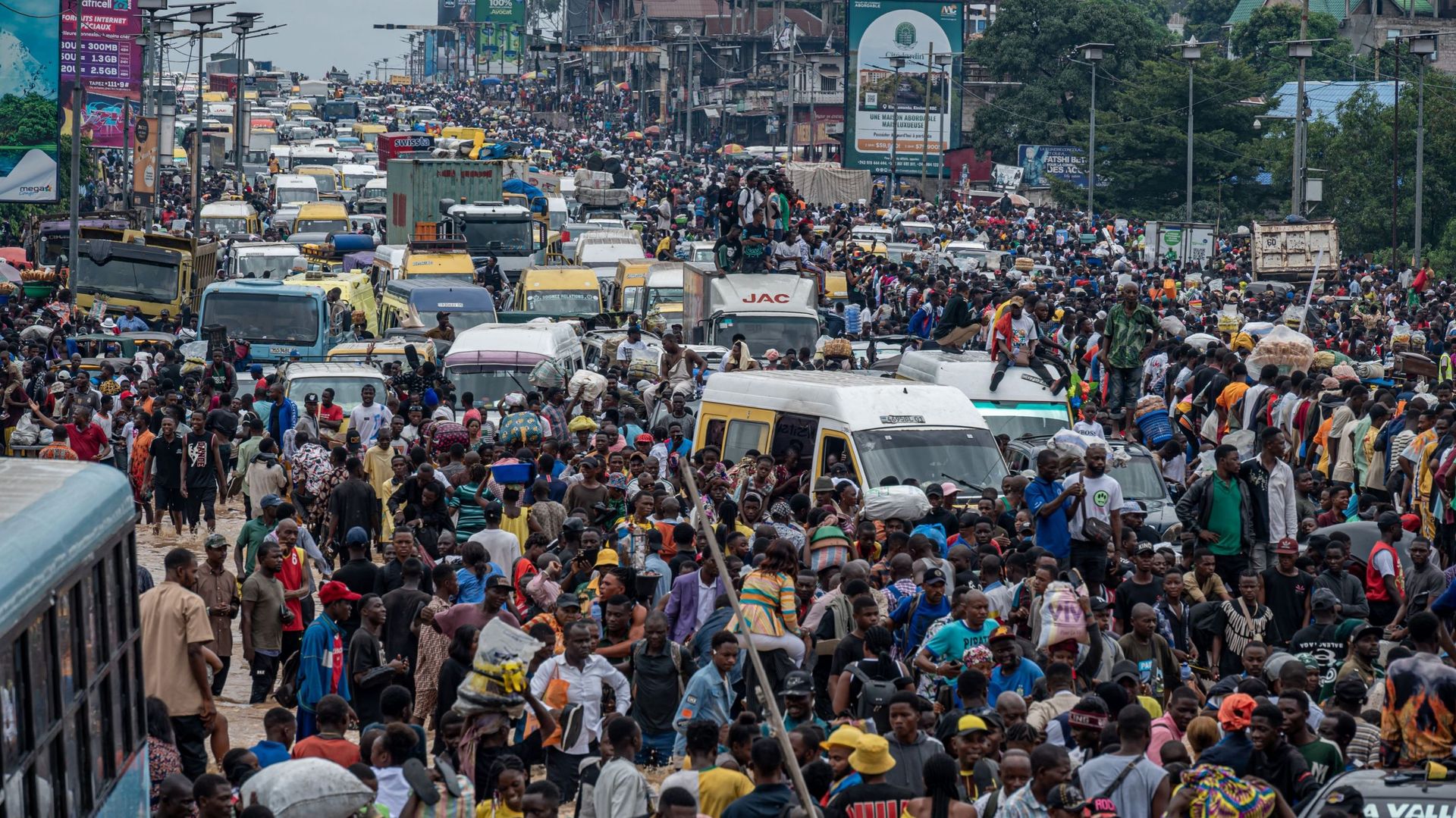
In barely 100 days, the Ebola epidemic has already spread to six provinces in eastern Democratic Republic of Congo (DRC). This rapid spread is alarming, especially as a treatment for this new strain of the virus, Bundibugyo, is still awaited. Bundibugyo has a fatality rate approaching 50% (2,606 deaths out of 5,458 recorded cases). These figures make this 17th Ebola outbreak in the DRC the deadliest in the country's history. In Kinshasa, residents live in fear of the catastrophic scenario that would unfold if the virus were to reach this densely populated megalopolis of nearly 20 million inhabitants. Authorities are trying to avert this nightmare prospect by implementing controls at various entry points to the capital.

By Benoît Feyt

The rumor caused quite a stir in Kinshasa in early August. A boat traveling on the Congo River was heading towards the capital carrying people believed to be carrying the Ebola virus, who had come from Kisangani. The barge was eventually intercepted by authorities upstream from the city, and its passengers were quarantined for several days. Ultimately, no suspected cases were detected on board. But the incident rekindled a persistent fear: that Kinshasa could be contaminated by the Ebola virus, for which there is currently no treatment.

Thangu, the "People's China" of Kinshasa

"In recent days, the WHO and the country's authorities have reassured us, explaining that there are no cases of Ebola in the capital," explains Carbone Beni, co-founder of the Filimbi citizen movement and a central figure in Kinshasa's civil society . "But people remain on high alert, and the anxiety is palpable among some Kinshasa residents. We know that the virus has already spread to Kisangani. This city is 2,000 kilometers from Kinshasa, but only an hour away by plane or four days by boat upriver. So there's this fear that the virus could spread here sooner or later. That would be catastrophic because the population density is very high in the capital, especially in the Tshangu district."

In this vast area between the airport and downtown Kinshasa, nicknamed "People's China" due to its extreme population density, sanitary conditions are already deplorable under normal circumstances. If the Ebola virus were to spread there, it would quickly become extremely difficult to control. Faced with this threat, the authorities have implemented control measures at various entry points into the capital.

Airport screenings

“We have established a health protection zone around Kinshasa to prevent the entry of a potential Ebola case,” explains Mireille Lembwadio Leza, Coordinator of the National Border Hygiene Program (PNHF) for the City-Province of Kinshasa. “ This relies in particular on an arrival control system at Ndjili International Airport and Ndolo Secondary Airport, where all passengers arriving from the six provinces where the virus is currently present (Haut Uélé, Bas Uélé, Tshopo, Ituri, North Kivu, and South Kivu) are screened. This screening includes temperature checks using thermal cameras, handwashing with hydroalcoholic solutions, and aircraft decontamination. Travelers are also required to complete a health form that includes information about their origin and destination in order to facilitate the monitoring of each individual. In the event of an alert, the person is taken into care and directed to an epidemiological testing center.”

Eyes fixed on the river

The same measures are being applied at "Beach Onatra," the entry and departure point for Brazzaville, the neighboring capital located on the other side of the Congo River. This river undoubtedly poses the main threat of contamination to the capital, since, in the absence of usable roads crossing the vast Congolese territory, this waterway has become the primary means of transport connecting Kinshasa to the east of the country.

"To control arrivals by river, we have established a checkpoint upstream of the capital, in Maluku (70 km from Kinshasa)," continues Mireille Lembwadio Leza. " This is a checkpoint we had already activated during the Covid epidemic and previous cholera outbreaks. Tents have been set up there to create a health circuit for screening passengers traveling on board boats going down the river. On average, 2,500 people are checked there every day, using the same method as elsewhere: temperature check, handwashing, and health form completion. Any suspected case is sent to a secondary screening area, and if the alert is confirmed, the person is isolated before receiving treatment."

So far, no cases of Ebola have been reported near the capital, at airports, on the river, or on the roads leading to Kwilu province, where checks are also carried out at the various tollbooths along the route.

Despite the measures, concern remains

“It must be acknowledged that the authorities have implemented measures to prevent the spread of the virus in the capital,” admits Danny Singoma, a civil society activist and head of the Proddes Network (Promotion of Democracy and Economic and Social Rights). “ These measures are somewhat reminiscent of those implemented during Covid. But they are rather inadequate to combat an epidemic like Ebola. The approach to tracking travelers relies primarily on their self-reporting and honesty. It should also be noted that the capital is experiencing a two-tiered approach to prevention. ‘Barrier measures,’ such as handwashing, are recommended in hotels and supermarkets but not in nightclubs, markets, or working-class neighborhoods.”

There are still many clandestine ports that escape control.

"I don't think the measures taken so far are 100% effective in protecting the capital from Ebola," continues a Congolese journalist living in Kinshasa, speaking on condition of anonymity. " Arrivals can be controlled through the official airports and ports on the river, but there are still many clandestine ports that escape control. There are also many roads leading to neighboring provinces that are in such a deplorable state that it's impossible to organize checks. And yet, these roads are used daily. If a sick person enters the capital via one of these routes, they risk infecting others before being identified by the health authorities."

Some say it is a disease that comes from evil forces, others are convinced that Ebola is just a lie.

"The issue of Ebola prevention is of particular concern to intellectual circles and the media," adds Danny Singoma. " It is much less prominent among the general public, where diverse and varied beliefs still circulate. Some say it is a disease caused by evil forces, while others are convinced that Ebola is a hoax. There is so much fake news circulating about this epidemic that one wonders if people would agree to be vaccinated if a vaccine were finally developed to combat this new strain of the virus."

Threats to healthcare workers in contaminated areas

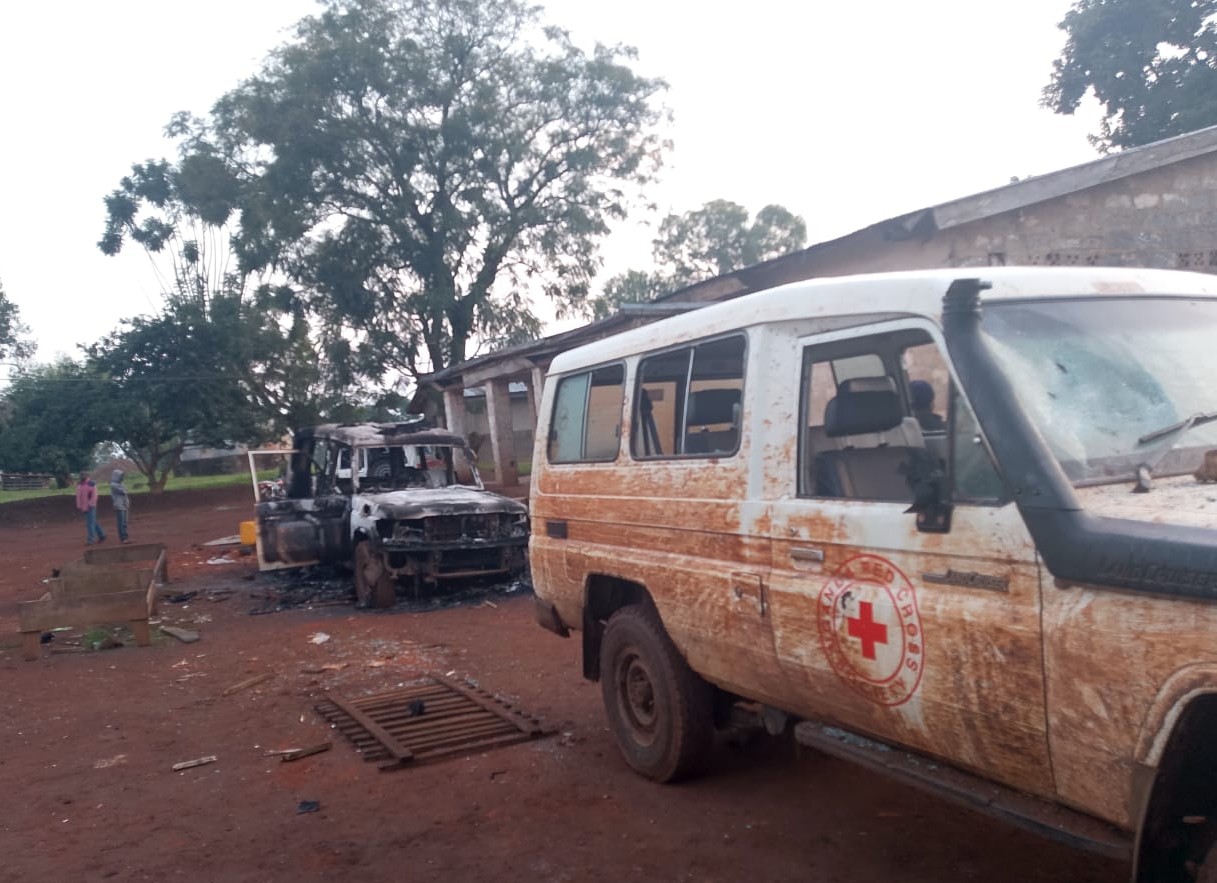
In areas already affected by the Ebola virus, misinformation is sometimes driving communities to violence against healthcare workers. This alarming situation has been denounced by the International Committee of the Red Cross (ICRC), which has recorded 11 violent incidents since the start of the epidemic, resulting in 12 injuries among its volunteers.

Faced with the spread of the virus, the WHO called on the DRC to strengthen its entire system for fighting the epidemic, from surveillance and management of cases to control of movements and gatherings, including the mobilization of communities and the protection of health personnel.

The organization also recommends the establishment of 24-hour, 7-day-a-week roadside health checks in transmission areas and in areas at high risk of virus introduction, as well as enhanced surveillance of boats linking affected areas to major urban centers, particularly Kinshasa.

 
Back
Top Bottom