Translation Google
Matanzas on alert due to increasing cases of dengue and Oropouche.
Cuba is facing a sustained increase in cases, according to the latest report from Dr. Francisco Durán García, national director of Epidemiology of the Ministry of Public Health.
News
CiberCuba Editorial
02/10/2024 - 18:28 (GMT-5) |
The province of Matanzas, located in western Cuba, is on alert due to the increase in cases of dengue fever and the Oropouche virus in several of its municipalities, which has raised concerns among local authorities.
In a recent meeting led by Mario Sabines Lorenzo, first secretary of the Party in the province, and Governor Marieta Poey Zamora, the tense epidemiological situation in Matanzas, Cárdenas, Jovellanos, Calimete and Los Arabos was discussed.
According to a publication on the Facebook social network of the Radio 26 station, Dr. Andrés Lamas Acevedo, director of the Provincial Center for Hygiene, Epidemiology and Microbiology, stressed the urgency of coordinating intersectoral and community actions to curb the spread of diseases.
...
"The situation in Matanzas is quite tense, and it is necessary to take immediate measures to prevent the situation from getting worse," advised Lamas Acevedo.
Priority measures include strengthening anti-vector tasks, improving environmental sanitation, collecting solid waste and intensifying searches to detect new cases.
Likewise, Governor Poey Zamora urged the population to stay informed and adopt preventive measures in collaboration with local authorities, in order to avoid a worsening of the health situation in Matanzas.
Other actions include monitoring and administrative support in anti-vector tasks, strengthening environmental sanitation and solid waste collection, increasing the quality and number of surveys, and monitoring the efficiency of domestic revenues.
Cuba is facing a sustained increase in suspected cases of dengue fever and Oropouche, according to the latest report by Dr. Francisco Durán García, national director of Epidemiology of the Ministry of Public Health.
The active transmission of these arboviruses continues to increase, and in the last week, the provinces of Pinar del Río, Mayabeque, Cienfuegos and Villa Clara have reported the highest incidence rates of dengue, cited the official daily Granma.
Two weeks ago, Colonel Lázaro Delgado Chaple, second head of the Directorate of Identification, Immigration and Foreigners (DIIE) of the Ministry of the Interior (MININT), died apparently due to complications related to the Oropouche virus.
The news, which first circulated on social media through publications by officials of the Cuban regime, was surrounded by silence, which sparked speculation about the true situation on the island.
During the last week of last month, Cuba reported nearly 12,000 suspected cases of Oropouche since the first report of its presence in the country in May, revealed Ileana Morales Suárez, director of science and technological innovation of the Ministry of Public Health.
In a meeting with senior government officials, the expert admitted that neurological and other complications occur, as well as clinical manifestations that are not described in the literature.
https://fr.cibercuba.com/noticias/2...atanzas-alerta-aumento-casos-dengue-oropouche
-------------------------------------------
Prevention and control in the face of the epidemiological situation in Cuba
BY M.SC. ISABEL DIAZ GONZALEZ · OCTOBER 2, 2024
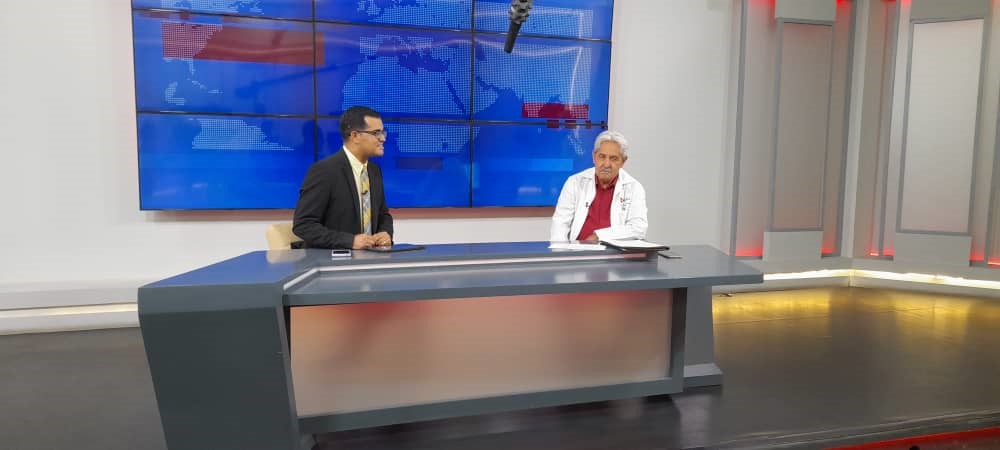
Prevention and control actions in response to the epidemiological situation in Cuba remain a priority for the Ministry of Public Health (Minsap), said Dr. Francisco Durán García, National Director of Hygiene and Epidemiology, on Wednesday.
"In 45 municipalities, 13 provinces and 50 health areas, just like the previous week, dengue cases are reported - he said - with an increase in the incidence rate of suspected cases mainly in Santiago de Cuba, Havana, Guantánamo and Camagüey."
In his weekly press conference, he explained that tropical conditions of heat and intense rains continue as factors that complicate the current epidemiological scenario in the Greater Antilles.
In his speech, Dr. Francisco Durán García reiterated the importance of seeing a doctor immediately for any symptoms such as headaches, joint pain, vomiting, diarrhea and high temperatures.
He also warned that in relation to Oropouche, an arbovirus detected in the country last May, its presence has been confirmed in the 15 provinces and the special municipality of Isla de la Juventud, 109 municipalities, and 197 health areas. "In all cases, there have been no serious complications or deaths," he stressed.
He emphasized the surveillance that is maintained throughout the nation in children and pregnant women in primary health care, mainly by the family doctor and nurse in the territories "to avoid complications that could evolve unfavorably."
Finally, the National Director of Hygiene and Epidemiology called on the population to contribute, with discipline and responsibility, to the prevention and control actions in light of the epidemiological situation in Cuba, "with conduct and activities in homes that impact on the sanitation of the environment and to eliminate mosquito breeding grounds."
https://salud.msp.gob.cu/?p=41345