• FluTrackers.com Inc. does not provide medical advice. Information on this web site is collected from various internet resources, and the FluTrackers board of directors makes no warranty to the safety, efficacy, correctness or completeness of the information posted on this site by any author or poster. The information collated here is for instructional and/or discussion purposes only and is NOT intended to diagnose or treat any disease, illness, or other medical condition. Every individual reader or poster should seek advice from their personal physician/healthcare practitioner before considering or using any interventions that are discussed on this website. By continuing to access this website you agree to consult your personal physican before using any interventions posted on this website, and you agree to hold harmless FluTrackers.com Inc., the board of directors, the members, and all authors and posters for any effects from use of any medication, supplement, vitamin or other substance, device, intervention, etc. mentioned in posts on this website, or other internet venues referenced in posts on this website.
  • We are not asking for any donations. Do not donate to any entity who says they are raising funds for us.

Coronavirus Disease 2019 (COVID-19) Situation Summary (CDC, March 17, 2020)

Pathfinder

Editor, Senior Moderator
Novel Coronavirus 2019 (nCoV-2019), Wuhan, China


Updated January 13, 2020

Situation Summary:
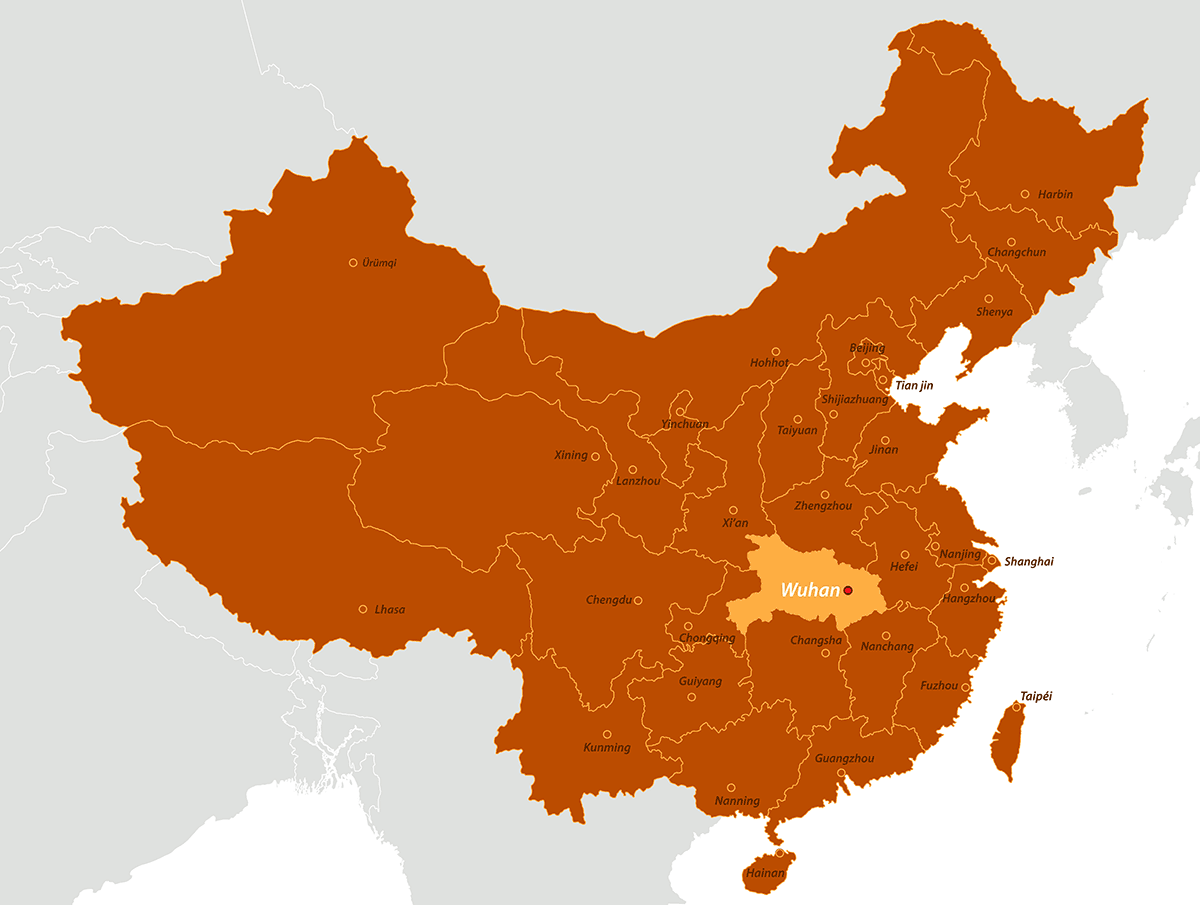
outbreak-coronavirus-china-2019.png

View larger image

On January 11, 2020, Chinese health authorities preliminarily identified more than 40 human infections with a novel coronavirus in an outbreak of pneumonia under investigation in Wuhan City, Hubei Province, China. Chinese health authorities subsequently posted the full genome of the so-called “novel coronavirus 2019” or “nCoV-2019” in GenBank ?, the NIH genetic sequence database. Subsequently, on January 13, Thailand confirmed detection of a human infection with nCoV-2019 in a traveler from Wuhan City to Thailand.

Coronaviruses are a large family of viruses, some causing illness in people and others that circulate among animals, including camels, cats and bats. Rarely, animal coronaviruses can evolve and infect people and then spread between people such as has been seen with MERS and SARS. The outbreak in Wuhan, China has been reported to be linked to a large seafood and animal market, suggesting a possible zoonotic origin to the outbreak.

There is an ongoing investigation to determine more about this outbreak. This is a rapidly evolving situation and information will be updated as it becomes available.

The World Health Organizationexternal icon (WHO) provided updated guidance specific to this response the evening of January 10, 2020external icon. Clinicians should use WHO guidance until CDC guidance is updated in the coming days.

Risk Assessment:


Outbreaks of novel virus infections among people are always of public health concern. The associated risk posed by such outbreaks depends on characteristics of the virus, including whether and how well it spreads between people, the severity of resulting illness, and the medical or other countermeasures available to control the impact of the virus.

Chinese health authorities report that to date in this outbreak, most infections with novel coronavirus 2019 have had some exposure to one large seafood and animal market. They report no confirmed person-to-person spread of this virus. Authorities also report that several hundred contacts, including health care workers caring for outbreak patients, are being monitored and no additional illnesses have been detected. One patient in China is reported to have died. Seven patients have reportedly had severe illness.

There is no public information on the exact source of the infection of the patient in Thailand beyond travel from Wuhan.

There is much more to learn about the transmissibility, severity, and other features associated with this novel coronavirus, and investigations are ongoing. Based on current information, however, the risk from the novel coronavirus 2019 to the American public is deemed to be low at this time. Nevertheless, CDC is taking proactive preparedness precautions.

What to Expect


Access to the full genetic sequence of novel coronavirus 2019 will facilitate identification of infections with this virus going forward. It is possible that more cases will be identified in the coming days. This is an ongoing investigation and so far, there have been no confirmed reports of person-to-person spread with this virus, however, given what has occurred previously with MERS and SARS, some limited person-to-person spread would not be surprising. CDC Response:
  • CDC is closely monitoring this situation and is working with WHO.
  • CDC has established an Incident Management Structure to optimize domestic and international coordination to this emerging public health threat.
  • CDC has updated its interim travel health notice for this destination to provide information to people who may be traveling to Wuhan City and who may get sick.
  • CDC has issued an interim Health Alert Notice (HAN) Advisory to inform state and local health departments and health care providers about this outbreak. An updated Health Alert Notice (HAN) is in development.
  • CDC laboratories currently have the capacity to detect nCoV-2019 by sequencing the virus from clinical specimens and comparing the sequences against the genetic sequence posted in GenBank. CDC also is using the genetic sequence data provided by China to begin work on a test to detect this virus more easily. Currently, testing for this virus must take place at CDC.
This is an emerging, rapidly evolving situation and CDC will provide updated information as it becomes available, in addition to updated guidance in the coming days on how to investigate possible infections with this new coronavirus.

Other Available Resources


The following resources are available with current information on the unnamed novel coronavirus
https://www.cdc.gov/coronavirus/nove...irus-2019.html
 
2019 Novel Coronavirus (2019-nCoV), Wuhan, China


This is an emerging, rapidly evolving situation and CDC will provide updated information as it becomes available, in addition to updated guidance.

On This Page


Updated January 16, 2020 Situation Summary

outbreak-coronavirus-china-2019.png

View larger image

The Centers for Disease Control and Prevention (CDC) is closely monitoring an outbreak caused by a novel (new) coronavirus in Wuhan City, Hubei Province, China. Chinese authorities identified the new coronavirus, which has resulted in more than 40 confirmed human infections in China with two deaths reportedexternal icon. A number of countries are actively screening incoming travelers from Wuhan and there has been one exported case confirmed in Thailandexternal icon and another in Japanexternal icon.

Chinese health authorities posted the full genome of the so-called “2019 novel coronavirus” or “2019-nCoV” in GenBankexternal icon, the NIH genetic sequence database, and in the Global Initiative on Sharing All Influenza Data (GISAIDexternal icon) portal.

Coronaviruses are a large family of viruses, some causing illness in people and others that circulate among animals, including camels, cats and bats. Rarely, animal coronaviruses can evolve and infect people and then spread between people such as has been seen with MERS and SARS.

Most of the patients in the outbreak in Wuhan, China have reportedly had some link to a large seafood and animal market, suggesting animal-to-person spread. Some patients in the outbreak reportedly have not had exposure to animal markets, suggesting that some limited person-to-person spread may be occurring.

There are ongoing investigations to learn more. This is a rapidly evolving situation and information will be updated as it becomes available.

Risk Assessment


Outbreaks of novel virus infections among people are always of public health concern. The risk from these outbreaks depends on characteristics of the virus, including whether and how well it spreads between people, the severity of resulting illness, and the medical or other measures available to control the impact of the virus (for example, vaccine or treatment medications).

Chinese health authoritiesexternal icon have reported that most patients in China visited a large seafood and animal market. They additionally report that several hundred health care workers caring for outbreak patients are being monitored and no spread of this virus from patients to health care workers has been detected. They report no sustained spread of this virus in the community, but there are indications that some limited person-to-person spread may have occurred. Cases outside China have all occurred in travelers from Wuhan.

There is much more to learn about how the 2019-nCoV virus spreads, severity of associated illness, and other features of the virus. Investigations are ongoing in China, Thailand and Japan. Based on current information, however, the risk from 2019-nCoV to the American public is deemed to be low at this time. Nevertheless, CDC is taking proactive preparedness precautions.

What to Expect


Access to the full genetic sequence of 2019-nCoV will help identify infections with this virus going forward. More cases may be identified in the coming days, including more in countries outside China. Given what has occurred previously with MERS and SARS, it’s possible that some limited person-to-person spread will occur.

CDC Response
  • CDC is closely monitoring this situation and is working with WHO.
  • CDC has established an Incident Management Structure to optimize domestic and international coordination to this emerging public health threat.
  • CDC has updated its interim travel health notice for this destination to provide information to people who may be traveling to Wuhan City and who may get sick.
  • CDC has issued an interim Health Alert Notice (HAN) Advisory to inform state and local health departments and health care providers about this outbreak. An updated Health Alert Notice (HAN) is in development.
  • CDC laboratories currently have the capacity to detect 2019-nCoV by sequencing the virus and comparing the sequences against the genetic sequence that are publicly posted. CDC also is using the genetic sequence data provided by China to begin work on a test to detect this virus more easily. Currently, testing for this virus must take place at CDC.
Other Available Resources


The following resources are available with current information on the unnamed novel coronavirus
Page last reviewed: January 16, 2020
Content source: National Center for Immunization and Respiratory Diseases (NCIRD), Division of Viral Diseases

https://www.cdc.gov/coronavirus/nove...irus-2019.html
 
[h=1]2019 Novel Coronavirus (2019-nCoV), Wuhan, China[/h]
This is an emerging, rapidly evolving situation and CDC will provide updated information as it becomes available, in addition to updated guidance.

On This Page


Updated January 20, 2020 [h=2]Situation Summary[/h]
outbreak-coronavirus-china-2019.png

View larger image
The Centers for Disease Control and Prevention (CDC) is closely monitoring an outbreak caused by a novel (new) coronavirus in Wuhan City, Hubei Province, China. Chinese authorities first identified the new coronavirus, which has resulted in about 200 confirmed human infections in China with three deaths reportedexternal icon. A number of countries, including the United States, are actively screening incoming travelers from Wuhan and exported cases have been confirmed in Thailand,external icon Japanexternal icon, and South Koreaexternal icon.

Chinese health authorities posted the full genome of the so-called “2019 novel coronavirus” or “2019-nCoV” in GenBankexternal icon, the NIH genetic sequence database, and in the Global Initiative on Sharing All Influenza Data (GISAIDexternal icon) portal.

Coronaviruses are a large family of viruses, some causing illness in people and others that circulate among animals, including camels, cats and bats. Rarely, animal coronaviruses can evolve and infect people and then spread between people such as has been seen with MERS and SARS. Past MERS and SARS outbreaks have been complex, requiring comprehensive public health responses.

Many of the patients in the outbreak in Wuhan, China have reportedly had some link to a large seafood and animal market, suggesting animal-to-person spread. However, a growing number of patients reportedly have not had exposure to animal markets, suggesting limited person-to-person spread is occurring.

There are ongoing investigations to learn more. This is a rapidly evolving situation and information will be updated as it becomes available. [h=2]Risk Assessment[/h]
Outbreaks of novel virus infections among people are always of public health concern. The risk from these outbreaks depends on characteristics of the virus, including whether and how well it spreads between people, the severity of resulting illness, and the medical or other measures available to control the impact of the virus (for example, vaccine or treatment medications).

There is much more to learn about how the 2019-nCoV virus spreads, severity of associated illness, and other features of the virus. Investigations are ongoing. Based on current information, however, the immediate health risk from 2019-nCoV to the general American public is deemed to be low at this time. Nevertheless, CDC is taking proactive preparedness precautions. [h=2]What to Expect[/h]
Access to the full genetic sequence of 2019-nCoV will help identify infections with this virus going forward. More cases may be identified in the coming days, including more in countries outside China, and possibly in the United States. Given what has occurred previously with MERS and SARS, it’s likely that some limited person-to-person spread will continue to occur. [h=2]CDC Response[/h]
  • CDC is closely monitoring this situation and is working with WHO.
  • CDC established a 2019-nCoV Incident Management Structure on January 7, 2020.
  • CDC has updated its interim travel health notice for this destination to provide information to people who may be traveling to Wuhan City and who may get sick.
  • CDC began entry screening of passengers on direct and connecting flights from Wuhan China to the three main ports of entry in the United States on January 17, 2020.
  • CDC issued an updated interim Health Alert Notice (HAN) Advisory to inform state and local health departments and health care providers about this outbreak on January 17, 2020.
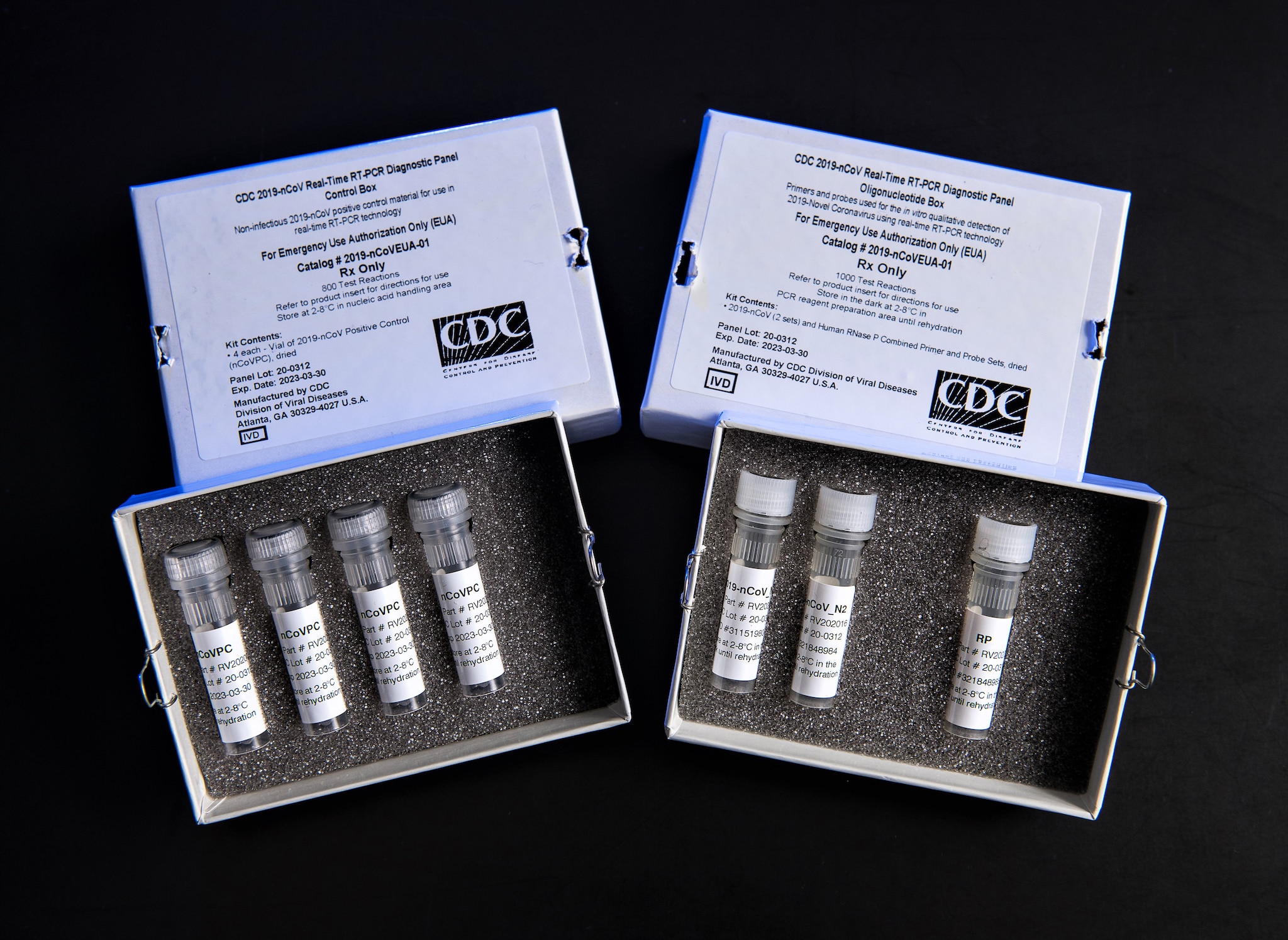
  • CDC has developed a Reverse Transcription-Polymerase Chain Reaction (RT-PCR) test that can diagnose 2019-nCoV. Currently, testing for this virus must take place at CDC, but in the coming days and weeks, CDC will share these tests with domestic and international partners through the agency’s International Reagent Resourceexternal icon.
[h=3]Other Available Resources[/h]
The following resources are available with information on 2019-nCoV
https://www.cdc.gov/coronavirus/2019-nCoV/summary.html
 
[h=1]2019 Novel Coronavirus (2019-nCoV), Wuhan, China[/h]
This is an emerging, rapidly evolving situation and CDC will provide updated information as it becomes available, in addition to updated guidance.

Updated January 23, 2020 [h=2]Situation Summary[/h]
CDC is closely monitoring an outbreak of respiratory illness caused by a novel (new) coronavirus (termed “2019-nCoV”) that was first detected in Wuhan City, Hubei Province, China and which continues to expand. Chinese health officials have reported hundreds of infections with 2019-nCoV in China, including outside of Hubei Province. Infections with 2019-nCoV also are being reported in a growing number of countries internationally, including the United States, where the first 2019-nCoV infection was detected in a traveler returning from Wuhan on January 21, 2020.

Chinese health authorities were the first to post the full genome of the 2019-nCoV in GenBankexternal icon, the NIH genetic sequence database, and in the Global Initiative on Sharing All Influenza Data (GISAIDexternal icon) portal, an action which has facilitated detection of this virus.

Coronaviruses are a large family of viruses, some causing illness in people and others that circulate among animals, including camels, cats and bats. Rarely, animal coronaviruses can evolve and infect people and then spread between people such as has been seen with MERS and SARS.

When person-to-person spread has occurred with MERS and SARS, it is thought to have happened via respiratory droplets produced when an infected person coughs or sneezes, similar to how influenza and other respiratory pathogens spread. Spread of MERS and SARS between people has generally occurred between close contacts. Past MERS and SARS outbreaks have been complex, requiring comprehensive public health responses.

Early on, many of the patients in the outbreak in Wuhan, China reportedly had some link to a large seafood and animal market, suggesting animal-to-person spread. However, a growing number of patients reportedly have not had exposure to animal markets, suggesting person-to-person spread is occurring. At this time, it’s unclear how easily or sustainably this virus is spreading between people.

Both MERS and SARS have been known to cause severe illness in people. The situation with regard to 2019-nCoV is still unclear. While severe illness, including illness resulting in a number of deaths has been reported in China, other patients have had milder illness and been discharged.

There are ongoing investigations to learn more. This is a rapidly evolving situation and information will be updated as it becomes available.

On This Page
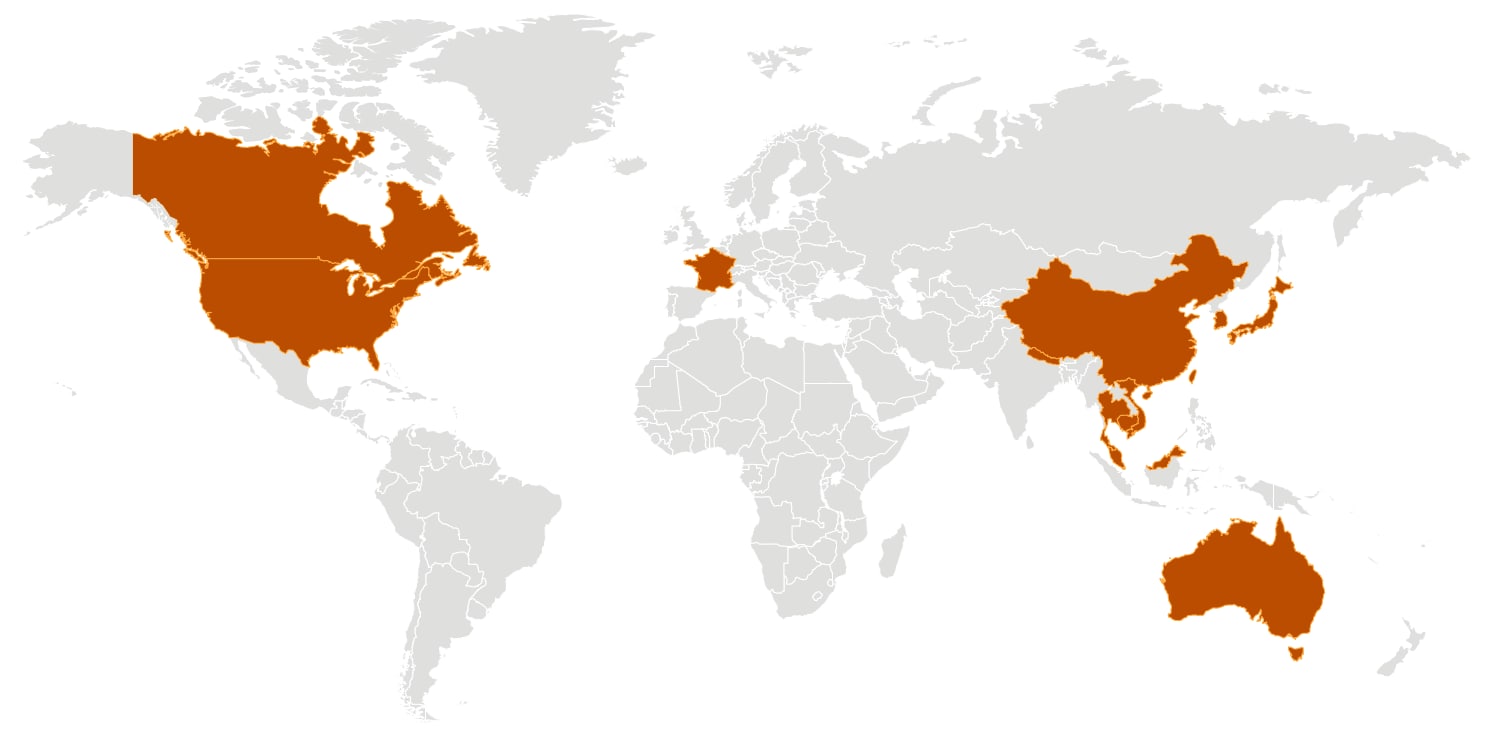
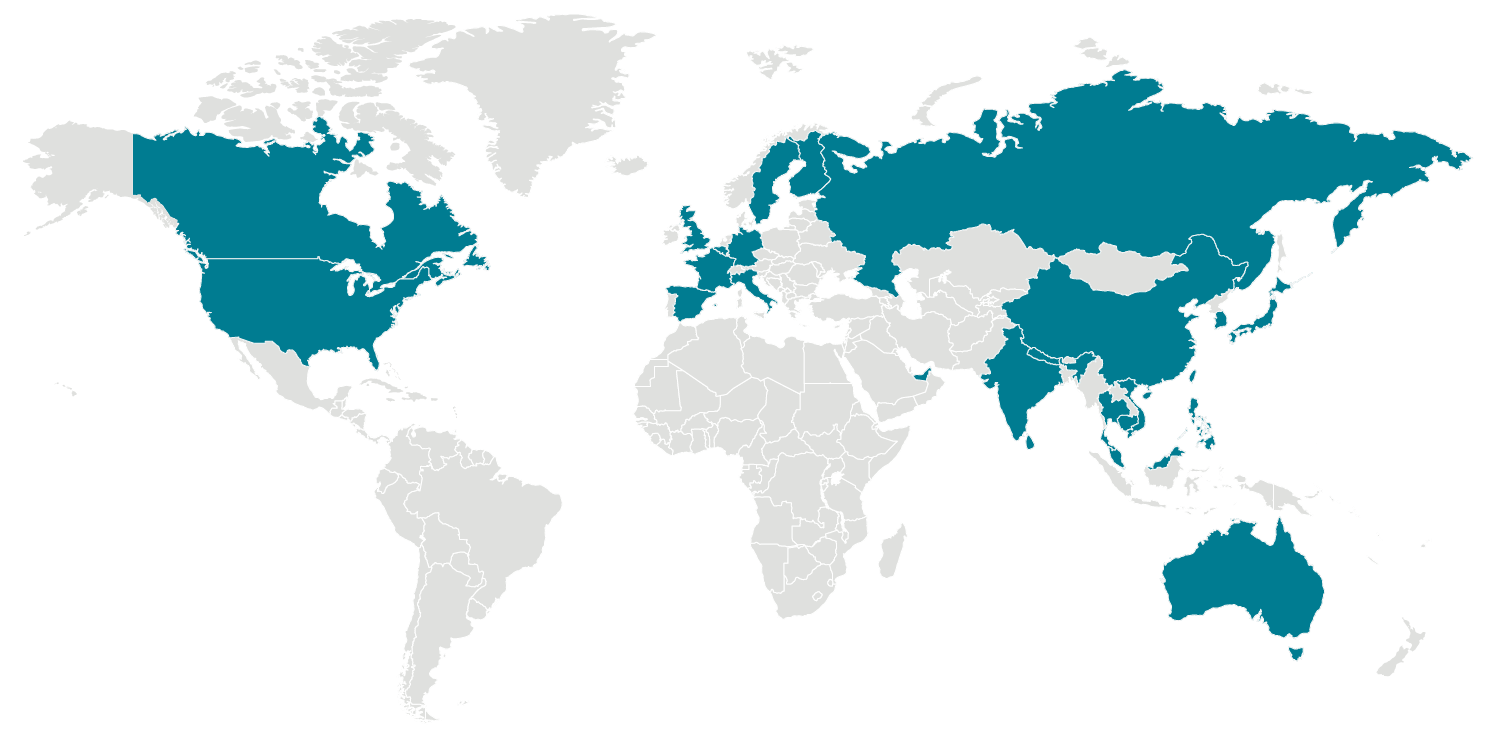
outbreak-coronavirus-world.png

View larger image


[h=2]Risk Assessment[/h]
Outbreaks of novel virus infections among people are always of public health concern. The risk from these outbreaks depends on characteristics of the virus, including whether and how well it spreads between people, the severity of resulting illness, and the medical or other measures available to control the impact of the virus (for example, vaccine or treatment medications).

Investigations are ongoing to learn more, but person-to-person spread of 2019-nCoV is occurring. It’s important to note that person-to-person spread can happen on a continuum. Some viruses are highly contagious (like measles), while other viruses are less so. It’s not clear yet how easily 2019-nCoV spreads from person-to-person. It’s important to know this in order to better assess the risk posed by this virus. While CDC considers this is a very serious public health threat, based on current information, the immediate health risk from 2019-nCoV to the general American public is considered low at this time. Nevertheless, CDC is taking proactive preparedness precautions. [h=2]What to Expect[/h]
More cases are likely to be identified in the coming days, including more cases in the United States. Given what has occurred previously with MERS and SARS, it’s likely that some person-to-person spread will continue to occur. [h=2]CDC Response[/h]
  • CDC is closely monitoring this situation and is working with WHO.
  • CDC established a 2019-nCoV Incident Management Structure on January 7, 2020. On January 21, 2020, CDC activated its Emergency Response System to better provide ongoing support to the 2019-nCoV response.
  • On January 23, 2020, CDC again raised its travel alert for the coronavirus outbreak. The travel notice for Wuhan City was raised from Level 2: Practice Enhanced Precautions to Level 3: Avoid Nonessential Travel. CDC also issued a Level 1: Practice Usual Precautions for the rest of China.
  • CDC also is conducting entry screening of passengers on direct and connecting flights from Wuhan, China to five major airports: Atlanta (ATL), Chicago (ORD), Los Angeles, (LAX) New York city (JFK), and San Francisco (SFO).
  • CDC issued an updated interim Health Alert Notice (HAN) Advisory to inform state and local health departments and health care providers about this outbreak on January 17, 2020.
  • A CDC team has been deployed to support the ongoing investigation in the state of Washington in response to the first reported case of 2019-nCoV in the United States, including potentially tracing close contacts to determine if anyone else has become ill.
  • CDC has developed a real time Reverse Transcription-Polymerase Chain Reaction (rRT-PCR) test that can diagnose 2019-nCoV. Currently, testing for this virus must take place at CDC, but in the coming days and weeks, CDC will share these tests with domestic and international partners through the agency’s International Reagent Resourceexternal icon.
  • CDC also is sequencing the entire genome of the virus from the first reported case in the United States and plans to upload the sequence to GenBank and GISAID when completed.
  • CDC also is growing the virus in cell culture, which is necessary for further studies, including for additional genetic characterization.
[h=3]Other Available Resources[/h]
The following resources are available with information on 2019-nCoV
https://www.cdc.gov/coronavirus/2019-nCoV/summary.html
 
[h=1]2019 Novel Coronavirus (2019-nCoV), Wuhan, China[/h]
This is an emerging, rapidly evolving situation and CDC will provide updated information as it becomes available, in addition to updated guidance.

Updated January 26, 2020 [h=2]Situation Summary[/h]
CDC is closely monitoring an outbreak of respiratory illness caused by a novel (new) coronavirus (termed “2019-nCoV”) that was first detected in Wuhan City, Hubei Province, China and which continues to expand. Chinese health officials have reported more than a thousand infections with 2019-nCoV in China, including outside of Hubei Province. Infections with 2019-nCoV also are being reported in a growing number of international locations, including the United States, where 5 cases in travelers from Wuhan have been confirmed in four states (AZ, CA, IL, WA) as of January 26, 2020.

Source and Spread of the Virus

Chinese health authorities were the first to post the full genome of the 2019-nCoV in GenBankexternal icon, the NIH genetic sequence database, and in the Global Initiative on Sharing All Influenza Data (GISAIDexternal icon) portal, an action which has facilitated detection of this virus. On January 24, 2020, CDC posted in GenBank the full genome of the 2019-nCoV virus detected in the first U.S. patient from Washington state. The virus genetic sequence from the patient in Washington is nearly identical to the sequences posted from China. The available sequences suggest a likely single, recent emergence from a virus related to bat coronaviruses and the SARS coronavirus. The available sequence information does not provide any information about severity of associated illness or transmissibility of the virus.

Early on, many of the patients in the outbreak in Wuhan, China reportedly had some link to a large seafood and animal market, suggesting animal-to-person spread. However, a growing number of patients reportedly have not had exposure to animal markets, and there is evidence that person-to-person spread is occurring. At this time, it’s unclear how easily or sustainably this virus is spreading between people. Learn what is known about the spread of newly emerged coronaviruses.

Illness Severity

Both MERS and SARS have been known to cause severe illness in people. The complete clinical picture with regard to 2019-nCoV is still not fully clear. Reported illnesses have ranged from infected people with little to no symptoms to people being severely ill and dying. Learn more about the symptoms associated with 2019-nCoV.

There are ongoing investigations to learn more. This is a rapidly evolving situation and information will be updated as it becomes available.

On This Page
outbreak-coronavirus-world - World map of coronavirus outbreaks.

View Larger Image [h=3]Confirmed 2019-nCoV Cases Globally[/h] See a list of locations [h=2]Risk Assessment[/h]
Outbreaks of novel virus infections among people are always of public health concern. The risk from these outbreaks depends on characteristics of the virus, including whether and how well it spreads between people, the severity of resulting illness, and the medical or other measures available to control the impact of the virus (for example, vaccine or treatment medications).

Investigations are ongoing to learn more, but person-to-person spread of 2019-nCoV is occurring. Chinese officials report that sustained person-to-person spread in the community is occurring in China. Person-to-person spread in the United States has not yet been detected, but it’s likely to occur to some extent. It’s important to note that person-to-person spread can happen on a continuum. Some viruses are highly contagious (like measles), while other viruses are less so. It’s important to know this in order to better assess the risk posed by this virus. While CDC considers this is a very serious public health threat, based on current information, the immediate health risk from 2019-nCoV to the general American public is considered low at this time. Nevertheless, CDC is taking proactive preparedness precautions. [h=2]What to Expect[/h]
More cases are likely to be identified in the coming days, including more cases in the United States. Given what has occurred previously with MERS and SARS, it’s likely that person-to-person spread will continue to occur. It would not be surprising if person-to-person spread in the United States were to occur. Cases in healthcare settings, like hospitals, may also occur. [h=2]CDC Response[/h]
  • CDC is closely monitoring this situation and is working with WHO.
  • CDC established a 2019-nCoV Incident Management Structure on January 7, 2020. On January 21, 2020, CDC activated its Emergency Response System to better provide ongoing support to the 2019-nCoV response.
  • On January 23, 2020, CDC again raised its travel alert for the coronavirus outbreak. The travel notice for Wuhan City was raised from Level 2: Practice Enhanced Precautions to Level 3: Avoid Nonessential Travel. CDC also issued a Level 1: Practice Usual Precautions for the rest of China.
  • CDC also is conducting entry screening of passengers on direct and connecting flights from Wuhan, China to five major airports: Atlanta (ATL), Chicago (ORD), Los Angeles, (LAX) New York city (JFK), and San Francisco (SFO).
  • CDC issued an updated interim Health Alert Notice (HAN) Advisory to inform state and local health departments and health care providers about this outbreak on January 17, 2020.
  • CDC teams have been deployed to support the ongoing investigation in Washington and Illinois to support the ongoing investigations of the two cases in the United States.
  • CDC has developed a real time Reverse Transcription-Polymerase Chain Reaction (rRT-PCR) test that can diagnose 2019-nCoV in respiratory and serum samples from clinical specimens. On January 24, 2020, CDC publicly posted the assay protocol for this test. Currently, testing for this virus must take place at CDC, but in the coming days and weeks, CDC will share these tests with domestic and international partners through the agency’s International Reagent Resourceexternal icon.
  • CDC uploaded the entire genome of the virus from the first reported case in the United States to GenBank.
  • CDC also is growing the virus in cell culture, which is necessary for further studies, including for additional genetic characterization.
[h=2]CDC Recommends[/h]
While the immediate risk of this new virus to the American public is believed to be low at this time, everyone can do their part to help us respond to this emerging public health threat:
[h=3]Other Available Resources[/h]
The following resources are available with information on 2019-nCoV
https://www.cdc.gov/coronavirus/2019-nCoV/summary.html
 
[h=1]2019 Novel Coronavirus (2019-nCoV), Wuhan, China[/h]
This is an emerging, rapidly evolving situation and CDC will provide updated information as it becomes available, in addition to updated guidance.

Updated January 27, 2020 [h=2]Background[/h]
CDC is closely monitoring an outbreak of respiratory illness caused by a novel (new) coronavirus (named “2019-nCoV”) that was first detected in Wuhan City, Hubei Province, China and which continues to expand. Chinese health officials have reported thousands of infections with 2019-nCoV in China, with the virus reportedly spreading from person-to-person in many parts of that country. Infections with 2019-nCoV, most of them associated with travel from Wuhan, also are being reported in a growing number of international locations, including the United States.

Coronaviruses are a large family of viruses that are common in many different species of animals, including camels, cattle, cats, and bats. Rarely, animal coronaviruses can infect people and then spread between people such as with MERS and SARS. [h=3]Source and Spread of the Virus[/h]
Chinese health authorities were the first to post the full genome of the 2019-nCoV in GenBankexternal icon, the NIH genetic sequence database, and in the Global Initiative on Sharing All Influenza Data (GISAIDexternal icon) portal, an action which has facilitated detection of this virus. CDC posted the full genome of the 2019-nCoV virus detected in the first and second U.S. patients to GenBank.

2019-nCoV is a betacoronavirus, like MERS and SARs, all of which have their origins in bats. The sequences from U.S. patients are similar to the one that China initially posted, suggesting a likely single, recent emergence of this virus from an animal reservoir.

Early on, many of the patients in the outbreak of respiratory illness caused by 2019-nCov in Wuhan, China had some link to a large seafood and live animal market, suggesting animal-to-person spread. Later, a growing number of patients reportedly did not have exposure to animal markets, indicating person-to-person spread. Chinese officials report that sustained person-to-person spread in the community is occurring in China. Learn what is known about the spread of newly emerged coronaviruses. [h=3]Situation In U.S.[/h]
Imported cases of 2019-nCoV infection in people have been detected in the U.S. No person-to-person spread has been detected with this virus at the time, and this virus is NOT currently spreading in the community in the United States.

On This Page
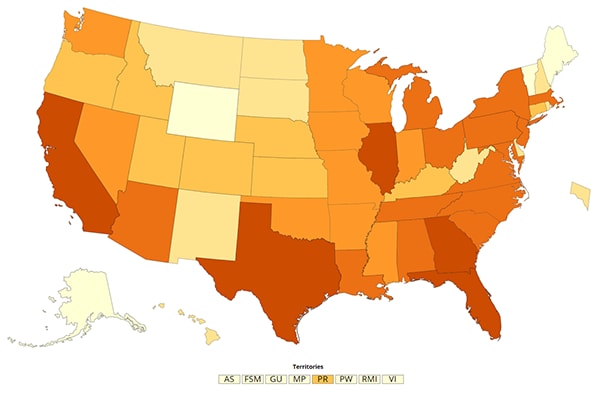
2019-nCoV in the U.S.

2019-nCoV cases within the U.S.


View larger image

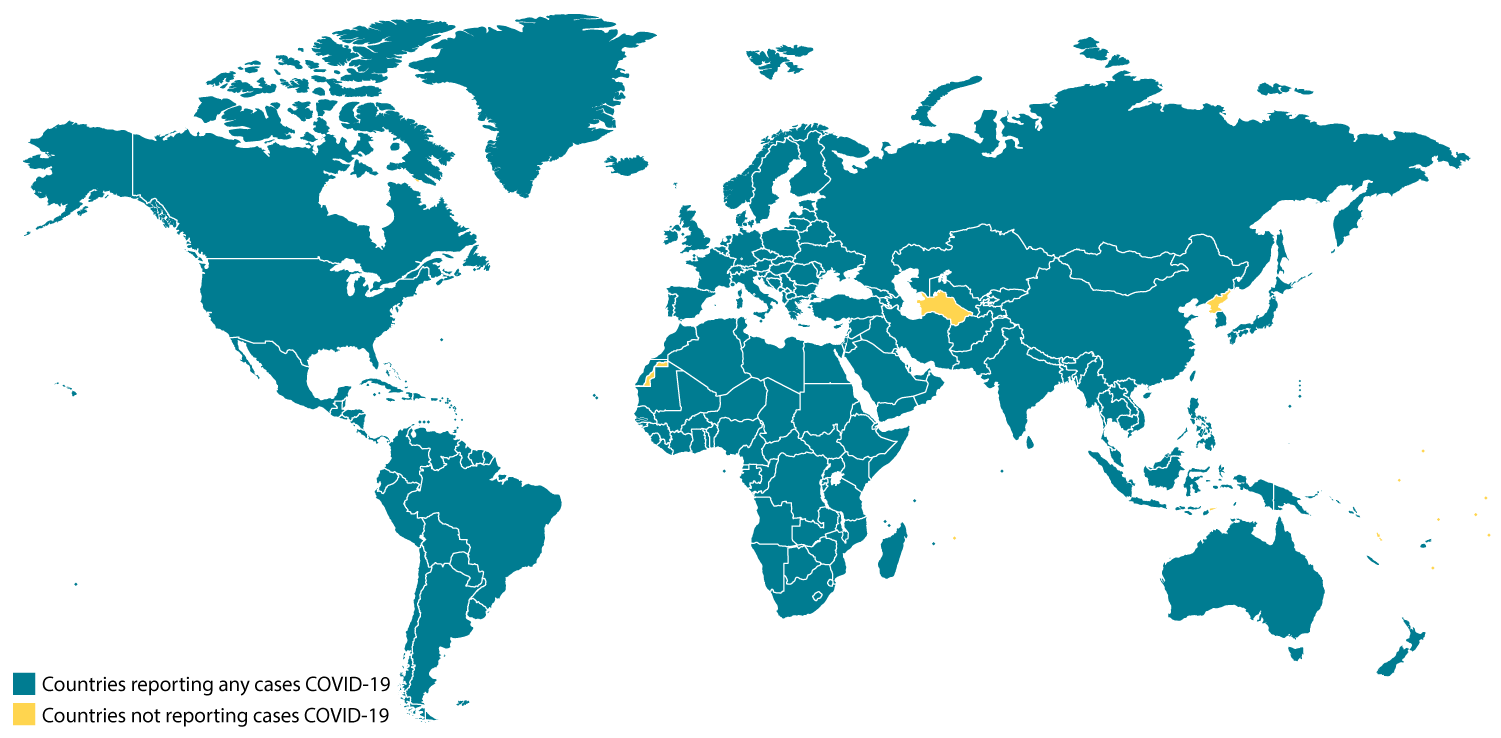
Confirmed 2019-nCoV Cases Globally
World map showing countries with 2019-nCoV cases

View larger image and see a list of locations [h=3]Illness Severity[/h]
Both MERS and SARS have been known to cause severe illness in people. The complete clinical picture with regard to 2019-nCoV is still not fully clear. Reported illnesses have ranged from infected people with little to no symptoms to people being severely ill and dying. Learn more about the symptoms associated with 2019-nCoV.

There are ongoing investigations to learn more. This is a rapidly evolving situation and information will be updated as it becomes available. [h=2]Risk Assessment[/h]
Outbreaks of novel virus infections among people are always of public health concern. The risk from these outbreaks depends on characteristics of the virus, including whether and how well it spreads between people, the severity of resulting illness, and the medical or other measures available to control the impact of the virus (for example, vaccine or treatment medications).

This is a serious public health threat. The fact that this virus has caused severe illness and sustained person-to-person spread in China is concerning, but it’s unclear how the situation in the United States will unfold at this time.

The risk to individuals is dependent on exposure. At this time, some people will have an increased risk of infection, for example healthcare workers caring for 2019-nCoV patients and other close contacts. For the general American public, who are unlikely to be exposed to this virus, the immediate health risk from 2019-nCoV is considered low. [h=2]What to Expect[/h]
More cases are likely to be identified in the coming days, including more cases in the United States. Given what has occurred previously with MERS and SARS, it’s likely that person-to-person spread will occur, including in the United States. [h=2]CDC Response[/h]
  • CDC is closely monitoring this situation and is working with WHO and state and local public health partners to respond to this emerging public health threat.
  • The goal of the ongoing U.S. public health response is to contain this outbreak and prevent sustained spread of 2019-nCov in this country.
  • CDC established a 2019-nCoV Incident Management Structure on January 7, 2020. On January 21, 2020, CDC activated its Emergency Response System to better provide ongoing support to the 2019-nCoV response.
  • On January 27, 2020 CDC issued updated travel guidance for China, recommending that travelers avoid all nonessential travel to all of the country (Level 3 Travel Health Notice).
  • CDC is monitoring for illness among travelers and providing educational materials for any travelers arriving in the United States from China at 20 U.S. airports with quarantine stations in the United States.
  • CDC issued an updated interim Health Alert Notice (HAN) Advisory to inform state and local health departments and health care providers about this outbreak on January 17, 2020.
  • CDC has deployed multidisciplinary teams to Washington, Illinois, California, and Arizona to assist health departments with clinical management, contact tracing, and communications.
  • CDC has developed a real time Reverse Transcription-Polymerase Chain Reaction (rRT-PCR) test that can diagnose 2019-nCoV in respiratory and serum samples from clinical specimens. On January 24, 2020, CDC publicly posted the assay protocol for this test. Currently, testing for this virus must take place at CDC, but in the coming days and weeks, CDC will share these tests with domestic and international partners through the agency’s International Reagent Resourceexternal icon.
  • CDC uploaded the entire genome of the virus from the first and second reported cases in the United States to GenBank.
  • CDC also is growing the virus in cell culture, which is necessary for further studies, including for additional genetic characterization.
[h=2]CDC Recommends[/h]
While the immediate risk of this new virus to the American public is believed to be low at this time, everyone can do their part to help us respond to this emerging public health threat:
[h=3]Other Available Resources[/h]
The following resources are available with information on 2019-nCoV
https://www.cdc.gov/coronavirus/2019-nCoV/summary.html
 
[h=1]2019 Novel Coronavirus (2019-nCoV), Wuhan, China[/h]
This is an emerging, rapidly evolving situation and CDC will provide updated information as it becomes available, in addition to updated guidance.

Updated January 28, 2020 [h=2]Background[/h]
CDC is closely monitoring an outbreak of respiratory illness caused by a novel (new) coronavirus (named “2019-nCoV”) that was first detected in Wuhan City, Hubei Province, China and which continues to expand. Chinese health officials have reported thousands of infections with 2019-nCoV in China, with the virus reportedly spreading from person-to-person in many parts of that country. Infections with 2019-nCoV, most of them associated with travel from Wuhan, also are being reported in a growing number of international locations, including the United States.

Coronaviruses are a large family of viruses that are common in many different species of animals, including camels, cattle, cats, and bats. Rarely, animal coronaviruses can infect people and then spread between people such as with MERS and SARS. [h=3]Source and Spread of the Virus[/h]
Chinese health authorities were the first to post the full genome of the 2019-nCoV in GenBankexternal icon, the NIH genetic sequence database, and in the Global Initiative on Sharing All Influenza Data (GISAIDexternal icon) portal, an action which has facilitated detection of this virus. CDC posted the full genome of the 2019-nCoV virus detected in the first and second U.S. patients to GenBank.

2019-nCoV is a betacoronavirus, like MERS and SARs, all of which have their origins in bats. The sequences from U.S. patients are similar to the one that China initially posted, suggesting a likely single, recent emergence of this virus from an animal reservoir.

Early on, many of the patients in the outbreak of respiratory illness caused by 2019-nCov in Wuhan, China had some link to a large seafood and live animal market, suggesting animal-to-person spread. Later, a growing number of patients reportedly did not have exposure to animal markets, indicating person-to-person spread. Chinese officials report that sustained person-to-person spread in the community is occurring in China. Learn what is known about the spread of newly emerged coronaviruses. [h=3]Situation in U.S.[/h]
Imported cases of 2019-nCoV infection in people have been detected in the U.S. No person-to-person spread has been detected with this virus at the time, and this virus is NOT currently spreading in the community in the United States.

On This Page
2019-nCoV in the U.S.
2019-nCoV cases within the U.S.

View larger image

Confirmed 2019-nCoV Cases Globally
World map showing countries with 2019-nCoV cases

View larger image and see a list of locations

[h=3]Illness Severity[/h]
Both MERS and SARS have been known to cause severe illness in people. The complete clinical picture with regard to 2019-nCoV is still not fully clear. Reported illnesses have ranged from infected people with little to no symptoms to people being severely ill and dying. Learn more about the symptoms associated with 2019-nCoV.

There are ongoing investigations to learn more. This is a rapidly evolving situation and information will be updated as it becomes available. [h=2]Risk Assessment[/h]
Outbreaks of novel virus infections among people are always of public health concern. The risk from these outbreaks depends on characteristics of the virus, including whether and how well it spreads between people, the severity of resulting illness, and the medical or other measures available to control the impact of the virus (for example, vaccine or treatment medications).

This is a serious public health threat. The fact that this virus has caused severe illness and sustained person-to-person spread in China is concerning, but it’s unclear how the situation in the United States will unfold at this time.

The risk to individuals is dependent on exposure. At this time, some people will have an increased risk of infection, for example healthcare workers caring for 2019-nCoV patients and other close contacts. For the general American public, who are unlikely to be exposed to this virus, the immediate health risk from 2019-nCoV is considered low. [h=2]What to Expect[/h]
More cases are likely to be identified in the coming days, including more cases in the United States. Given what has occurred previously with MERS and SARS, it’s likely that person-to-person spread will occur, including in the United States. [h=2]CDC Response[/h]
  • CDC is closely monitoring this situation and is working with WHO and state and local public health partners to respond to this emerging public health threat.
  • The goal of the ongoing U.S. public health response is to contain this outbreak and prevent sustained spread of 2019-nCov in this country.
  • CDC established a 2019-nCoV Incident Management Structure on January 7, 2020. On January 21, 2020, CDC activated its Emergency Response System to better provide ongoing support to the 2019-nCoV response.
  • On January 27, 2020 CDC issued updated travel guidance for China, recommending that travelers avoid all nonessential travel to all of the country (Level 3 Travel Health Notice).
  • CDC and Customs and Border Protection (CBP) are continuing to conduct enhanced entry screening of passengers who have been in Wuhan within the past 14 days at 5 designated U.S. airports. Given travel out of Wuhan has been shut down, the number of passengers who meet this criteria are dwindling.
  • Going forward, CBP officials will monitor for travelers with symptoms compatible with 2019-nCoV infection and a travel connection with China and will refer them to CDC staff for evaluation at all 20 U.S. quarantine stations.
  • At the same time, ALL travelers from China will be given CDC’s Travel Health Alert Notice, educating those travelers about what to do if they get sick with certain symptoms within 14 days after arriving in the United States.
  • CDC issued an updated interim Health Alert Notice (HAN) Advisory to inform state and local health departments and health care providers about this outbreak on January 17, 2020.
  • CDC has deployed multidisciplinary teams to Washington, Illinois, California, and Arizona to assist health departments with clinical management, contact tracing, and communications.
  • CDC has developed a real time Reverse Transcription-Polymerase Chain Reaction (rRT-PCR) test that can diagnose 2019-nCoV in respiratory and serum samples from clinical specimens. On January 24, 2020, CDC publicly posted the assay protocol for this test. Currently, testing for this virus must take place at CDC, but in the coming days and weeks, CDC will share these tests with domestic and international partners through the agency’s International Reagent Resourceexternal icon.
  • CDC uploaded the entire genome of the virus from all five reported cases in the United States to GenBank.
  • CDC also is growing the virus in cell culture, which is necessary for further studies, including for additional genetic characterization.
[h=2]CDC Recommends[/h]
While the immediate risk of this new virus to the American public is believed to be low at this time, everyone can do their part to help us respond to this emerging public health threat:
[h=3]Other Available Resources[/h]
The following resources are available with information on 2019-nCoV
https://www.cdc.gov/coronavirus/2019-nCoV/summary.html
 
[h=1]2019 Novel Coronavirus (2019-nCoV), Wuhan, China[/h]
This is an emerging, rapidly evolving situation and CDC will provide updated information as it becomes available, in addition to updated guidance.

Updated January 29, 2020 [h=2]Background[/h]
CDC is closely monitoring an outbreak of respiratory illness caused by a novel (new) coronavirus (named “2019-nCoV”) that was first detected in Wuhan City, Hubei Province, China and which continues to expand. Chinese health officials have reported thousands of infections with 2019-nCoV in China, with the virus reportedly spreading from person-to-person in many parts of that country. Infections with 2019-nCoV, most of them associated with travel from Wuhan, also are being reported in a growing number of international locations, including the United States.

Coronaviruses are a large family of viruses that are common in many different species of animals, including camels, cattle, cats, and bats. Rarely, animal coronaviruses can infect people and then spread between people such as with MERS and SARS. [h=3]Source and Spread of the Virus[/h]
Chinese health authorities were the first to post the full genome of the 2019-nCoV in GenBankexternal icon, the NIH genetic sequence database, and in the Global Initiative on Sharing All Influenza Data (GISAIDexternal icon) portal, an action which has facilitated detection of this virus. CDC is posting the full genome of the 2019-nCoV viruses detected in U.S. patients to GenBank as sequencing is completed.

2019-nCoV is a betacoronavirus, like MERS and SARs, all of which have their origins in bats. The sequences from U.S. patients are similar to the one that China initially posted, suggesting a likely single, recent emergence of this virus from an animal reservoir.

Early on, many of the patients in the outbreak of respiratory illness caused by 2019-nCov in Wuhan, China had some link to a large seafood and live animal market, suggesting animal-to-person spread. Later, a growing number of patients reportedly did not have exposure to animal markets, indicating person-to-person spread. Chinese officials report that sustained person-to-person spread in the community is occurring in China. Learn what is known about the spread of newly emerged coronaviruses. [h=3]Situation in U.S.[/h]
Imported cases of 2019-nCoV infection in people have been detected in the U.S. No person-to-person spread has been detected with this virus at the time, and this virus is NOT currently spreading in the community in the United States.

On This Page
2019-nCoV in the U.S.
2019-nCoV cases within the U.S.

View larger image

Confirmed 2019-nCoV Cases Globally
World map showing countries with 2019-nCoV cases

View larger image and see a list of locations

[h=3]Illness Severity[/h]
Both MERS and SARS have been known to cause severe illness in people. The complete clinical picture with regard to 2019-nCoV is still not fully clear. Reported illnesses have ranged from infected people with little to no symptoms to people being severely ill and dying. Learn more about the symptoms associated with 2019-nCoV.

There are ongoing investigations to learn more. This is a rapidly evolving situation and information will be updated as it becomes available. [h=2]Risk Assessment[/h]
Outbreaks of novel virus infections among people are always of public health concern. The risk from these outbreaks depends on characteristics of the virus, including whether and how well it spreads between people, the severity of resulting illness, and the medical or other measures available to control the impact of the virus (for example, vaccine or treatment medications).

This is a serious public health threat. The fact that this virus has caused severe illness and sustained person-to-person spread in China is concerning, but it’s unclear how the situation in the United States will unfold at this time.

The risk to individuals is dependent on exposure. At this time, some people will have an increased risk of infection, for example healthcare workers caring for 2019-nCoV patients and other close contacts. For the general American public, who are unlikely to be exposed to this virus, the immediate health risk from 2019-nCoV is considered low. [h=2]What to Expect[/h]
More cases are likely to be identified in the coming days, including more cases in the United States. Given what has occurred previously with MERS and SARS, it’s likely that person-to-person spread will occur, including in the United States. [h=2]CDC Response[/h]
  • CDC is closely monitoring this situation and is working with WHO and state and local public health partners to respond to this emerging public health threat.
  • The goal of the ongoing U.S. public health response is to contain this outbreak and prevent sustained spread of 2019-nCov in this country.
  • CDC established a 2019-nCoV Incident Management Structure on January 7, 2020. On January 21, 2020, CDC activated its Emergency Response System to better provide ongoing support to the 2019-nCoV response.
  • On January 27, 2020 CDC issued updated travel guidance for China, recommending that travelers avoid all nonessential travel to all of the country (Level 3 Travel Health Notice).
  • CDC and Customs and Border Protection (CBP) are continuing to conduct enhanced entry screening of passengers who have been in Wuhan within the past 14 days at 5 designated U.S. airports. Given travel out of Wuhan has been shut down, the number of passengers who meet this criteria are dwindling.
  • Going forward, CBP officials will monitor for travelers with symptoms compatible with 2019-nCoV infection and a travel connection with China and will refer them to CDC staff for evaluation at all 20 U.S. quarantine stations.
  • At the same time, ALL travelers from China will be given CDC’s Travel Health Alert Notice, educating those travelers about what to do if they get sick with certain symptoms within 14 days after arriving in the United States.
  • CDC issued an updated interim Health Alert Notice (HAN) Advisory to inform state and local health departments and health care providers about this outbreak on January 17, 2020.
  • CDC has deployed multidisciplinary teams to Washington, Illinois, California, and Arizona to assist health departments with clinical management, contact tracing, and communications.
  • CDC has developed a real time Reverse Transcription-Polymerase Chain Reaction (rRT-PCR) test that can diagnose 2019-nCoV in respiratory and serum samples from clinical specimens. On January 24, 2020, CDC publicly posted the assay protocol for this test. Currently, testing for this virus must take place at CDC, but in the coming days and weeks, CDC will share these tests with domestic and international partners through the agency’s International Reagent Resourceexternal icon.
  • CDC uploaded the entire genome of the virus from all five reported cases in the United States to GenBank.
  • CDC also is growing the virus in cell culture, which is necessary for further studies, including for additional genetic characterization.
[h=2]CDC Recommends[/h]
While the immediate risk of this new virus to the American public is believed to be low at this time, everyone can do their part to help us respond to this emerging public health threat:
[h=3]Other Available Resources[/h]
The following resources are available with information on 2019-nCoV
https://www.cdc.gov/coronavirus/2019-nCoV/summary.html
 
[h=1]2019 Novel Coronavirus (2019-nCoV) Situation Summary[/h]
This is an emerging, rapidly evolving situation and CDC will provide updated information as it becomes available, in addition to updated guidance.

Updated January 30, 2020 [h=2]Background[/h]
CDC is closely monitoring an outbreak of respiratory illness caused by a novel (new) coronavirus (named “2019-nCoV”) that was first detected in Wuhan City, Hubei Province, China and which continues to expand. Chinese health officials have reported thousands of infections with 2019-nCoV in China, with the virus reportedly spreading from person-to-person in many parts of that country. Infections with 2019-nCoV, most of them associated with travel from Wuhan, also are being reported in a growing number of international locations, including the United States. The United States reported the first confirmed instance of person-to-person spread with this virus on January 30, 2020.

Coronaviruses are a large family of viruses that are common in many different species of animals, including camels, cattle, cats, and bats. Rarely, animal coronaviruses can infect people and then spread between people such as with MERS and SARS. [h=3]Source and Spread of the Virus[/h]
Chinese health authorities were the first to post the full genome of the 2019-nCoV in GenBankexternal icon, the NIH genetic sequence database, and in the Global Initiative on Sharing All Influenza Data (GISAIDexternal icon) portal, an action which has facilitated detection of this virus. CDC is posting the full genome of the 2019-nCoV viruses detected in U.S. patients to GenBank as sequencing is completed.

2019-nCoV is a betacoronavirus, like MERS and SARs, all of which have their origins in bats. The sequences from U.S. patients are similar to the one that China initially posted, suggesting a likely single, recent emergence of this virus from an animal reservoir.

Early on, many of the patients in the outbreak of respiratory illness caused by 2019-nCov in Wuhan, China had some link to a large seafood and live animal market, suggesting animal-to-person spread. Later, a growing number of patients reportedly did not have exposure to animal markets, indicating person-to-person spread. Chinese officials report that sustained person-to-person spread in the community is occurring in China. Learn what is known about the spread of newly emerged coronaviruses. [h=3]Situation in U.S.[/h]
Imported cases of 2019-nCoV infection in people have been detected in the U.S. While person-to-person spread among close contacts has been detected with this virus, at this time this virus is NOT currently spreading in the community in the United States.

On This Page
2019-nCoV in the U.S.
2019-nCoV cases within the U.S.

View larger image

Confirmed 2019-nCoV Cases Globally
World map showing countries with 2019-nCoV cases

View larger image and see a list of locations

[h=3]Illness Severity[/h]
Both MERS and SARS have been known to cause severe illness in people. The complete clinical picture with regard to 2019-nCoV is still not fully clear. Reported illnesses have ranged from infected people with mild illness to people being severely ill and dying. Learn more about the symptoms associated with 2019-nCoV.

There are ongoing investigations to learn more. This is a rapidly evolving situation and information will be updated as it becomes available. [h=2]Risk Assessment[/h]
Outbreaks of novel virus infections among people are always of public health concern. The risk from these outbreaks depends on characteristics of the virus, including whether and how well it spreads between people, the severity of resulting illness, and the medical or other measures available to control the impact of the virus (for example, vaccine or treatment medications).

This is a serious public health threat. The fact that this virus has caused severe illness and sustained person-to-person spread in China is concerning, but it’s unclear how the situation in the United States will unfold at this time.

The risk to individuals is dependent on exposure. At this time, some people will have an increased risk of infection, for example healthcare workers caring for 2019-nCoV patients and other close contacts. For the general American public, who are unlikely to be exposed to this virus, the immediate health risk from 2019-nCoV is considered low. The goal of the ongoing U.S. public health response is to contain this outbreak and prevent sustained spread of 2019-nCov in this country. [h=2]What to Expect[/h]
More cases are likely to be identified in the coming days, including more cases in the United States. Given what has occurred previously with MERS and SARS, it’s likely that person-to-person spread will continue to occur, including in the United States. [h=2]CDC Response[/h]
  • CDC is closely monitoring this situation and is working with WHO and state and local public health partners to respond to this emerging public health threat.
  • The goal of the ongoing U.S. public health response is to contain this outbreak and prevent sustained spread of 2019-nCov in this country.
  • CDC established a 2019-nCoV Incident Management Structure on January 7, 2020. On January 21, 2020, CDC activated its Emergency Response System to better provide ongoing support to the 2019-nCoV response.
  • On January 27, 2020 CDC issued updated travel guidance for China, recommending that travelers avoid all nonessential travel to all of the country (Level 3 Travel Health Notice).
  • CDC and Customs and Border Protection (CBP) are continuing to conduct enhanced entry screening of passengers who have been in Wuhan within the past 14 days at 5 designated U.S. airports. Given travel out of Wuhan has been shut down, the number of passengers who meet this criteria are dwindling.
  • Going forward, CBP officials will monitor for travelers with symptoms compatible with 2019-nCoV infection and a travel connection with China and will refer them to CDC staff for evaluation at all 20 U.S. quarantine stations.
  • At the same time, ALL travelers from China will be given CDC’s Travel Health Alert Notice, educating those travelers about what to do if they get sick with certain symptoms within 14 days after arriving in the United States.
  • CDC issued an updated interim Health Alert Notice (HAN) Advisory to inform state and local health departments and health care providers about this outbreak on January 17, 2020.
  • CDC has deployed multidisciplinary teams to Washington, Illinois, California, and Arizona to assist health departments with clinical management, contact tracing, and communications.
  • CDC has developed a real time Reverse Transcription-Polymerase Chain Reaction (rRT-PCR) test that can diagnose 2019-nCoV in respiratory and serum samples from clinical specimens. On January 24, 2020, CDC publicly posted the assay protocol for this test. Currently, testing for this virus must take place at CDC, but in the coming days and weeks, CDC will share these tests with domestic and international partners through the agency’s International Reagent Resourceexternal icon.
  • CDC uploaded the entire genome of the virus from all five reported cases in the United States to GenBank.
  • CDC also is growing the virus in cell culture, which is necessary for further studies, including for additional genetic characterization.
[h=2]CDC Recommends[/h]
While the immediate risk of this new virus to the American public is believed to be low at this time, everyone can do their part to help us respond to this emerging public health threat:
[h=3]Other Available Resources[/h]
The following resources are available with information on 2019-nCoV
https://www.cdc.gov/coronavirus/2019-nCoV/summary.html
 
[h=1]2019 Novel Coronavirus (2019-nCoV) Situation Summary[/h]
This is an emerging, rapidly evolving situation and CDC will provide updated information as it becomes available, in addition to updated guidance.

Updated January 31, 2020 [h=2]Background[/h]
CDC is closely monitoring an outbreak of respiratory illness caused by a novel (new) coronavirus (named “2019-nCoV”) that was first detected in Wuhan City, Hubei Province, China and which continues to expand. Chinese health officials have reported thousands of infections with 2019-nCoV in China, with the virus reportedly spreading from person-to-person in many parts of that country. Infections with 2019-nCoV, most of them associated with travel from Wuhan, also are being reported in a growing number of international locations, including the United States. The United States reported the first confirmed instance of person-to-person spread with this virus on January 30, 2020.

On January 30, 2020, the International Health Regulations Emergency Committee of the World Health Organization declare the outbreak a “public health emergency of international concernexternal icon” (PHEIC). A PHEIC is declared if an event poses a public health threat to other nations through the spread of disease and potentially requires a coordinated international response.

Coronaviruses are a large family of viruses that are common in many different species of animals, including camels, cattle, cats, and bats. Rarely, animal coronaviruses can infect people and then spread between people such as with MERS, SARS, and now with 2019-nCoV. [h=3]Source and Spread of the Virus[/h]
Chinese health authorities were the first to post the full genome of the 2019-nCoV in GenBankexternal icon, the NIH genetic sequence database, and in the Global Initiative on Sharing All Influenza Data (GISAIDexternal icon) portal, an action which has facilitated detection of this virus. CDC is posting the full genome of the 2019-nCoV viruses detected in U.S. patients to GenBank as sequencing is completed.

2019-nCoV is a betacoronavirus, like MERS and SARs, all of which have their origins in bats. The sequences from U.S. patients are similar to the one that China initially posted, suggesting a likely single, recent emergence of this virus from an animal reservoir.

Early on, many of the patients in the outbreak of respiratory illness caused by 2019-nCov in Wuhan, China had some link to a large seafood and live animal market, suggesting animal-to-person spread. Later, a growing number of patients reportedly did not have exposure to animal markets, indicating person-to-person spread. Chinese officials report that sustained person-to-person spread in the community is occurring in China. Person-to-person spread has been reported outside China, including in the United States and other countries. In addition, cases asymptomatic spread of the virus have been reported. Learn what is known about the spread of newly emerged coronaviruses. [h=3]Situation in U.S.[/h]
Imported cases of 2019-nCoV infection in people have been detected in the U.S. While person-to-person spread among close contacts has been detected with this virus, at this time this virus is NOT currently spreading in the community in the United States.

On This Page
2019-nCoV in the U.S.
2019-nCoV cases within the U.S.

View larger image

Confirmed 2019-nCoV Cases Globally
World map showing countries with 2019-nCoV cases

View larger image and see a list of locations

[h=3]Illness Severity[/h]
Both MERS and SARS have been known to cause severe illness in people. The complete clinical picture with regard to 2019-nCoV is still not fully clear. Reported illnesses have ranged from infected people with little to no symptoms to people being severely ill and dying. Learn more about the symptoms associated with 2019-nCoV.

There are ongoing investigations to learn more. This is a rapidly evolving situation and information will be updated as it becomes available. [h=2]Risk Assessment[/h]
Outbreaks of novel virus infections among people are always of public health concern. The risk from these outbreaks depends on characteristics of the virus, including whether and how well it spreads between people, the severity of resulting illness, and the medical or other measures available to control the impact of the virus (for example, vaccine or treatment medications).

This is a very serious public health threat. The fact that this virus has caused severe illness and sustained person-to-person spread in China is concerning, but it’s unclear how the situation in the United States will unfold at this time.

The risk to individuals is dependent on exposure. At this time, some people will have an increased risk of infection, for example healthcare workers caring for 2019-nCoV patients and other close contacts. For the general American public, who are unlikely to be exposed to this virus, the immediate health risk from 2019-nCoV is considered low. The goal of the ongoing U.S. public health response is to prevent sustained spread of 2019-nCov in this country. [h=2]What to Expect[/h]
More cases are likely to be identified in the coming days, including more cases in the United States. It’s also likely that person-to-person spread will continue to occur, including in the United States. [h=2]CDC Response[/h]
  • CDC is closely monitoring this situation and is working with WHO and state and local public health partners to respond to this emerging public health threat.
  • The goal of the ongoing U.S. public health response is to prevent sustained spread of 2019-nCov in this country.
  • CDC established a 2019-nCoV Incident Management Structure on January 7, 2020. On January 21, 2020, CDC activated its Emergency Operations Center to better provide ongoing support to the 2019-nCoV response.
  • On January 27, 2020, CDC issued updated travel guidance for China, recommending that travelers avoid all nonessential travel to all of the country (Level 3 Travel Health Notice).
  • CDC and Customs and Border Protection (CBP) are continuing to conduct enhanced entry screening of passengers who have been in Wuhan within the past 14 days at 5 designated U.S. airports. Given travel out of Wuhan has been shut down, the number of passengers who meet this criteria are dwindling.
  • Going forward, CBP officials will monitor for travelers with symptoms compatible with 2019-nCoV infection and a travel connection with China and will refer them to CDC staff for evaluation at all 20 U.S. quarantine stations.
  • At the same time, ALL travelers from China will be given CDC’s Travel Health Alert Notice, educating those travelers about what to do if they get sick with certain symptoms within 14 days after arriving in the United States.
  • CDC issued an updated interim Health Alert Notice (HAN) Advisory to inform state and local health departments and health care providers about this outbreak on January 17, 2020.
  • On January 30, 2020, CDC published guidance for healthcare providers on the clinical care of 2019-nCov patients.
  • CDC has deployed multidisciplinary teams to Washington, Illinois, California, and Arizona to assist health departments with clinical management, contact tracing, and communications.
  • CDC has developed a real time Reverse Transcription-Polymerase Chain Reaction (rRT-PCR) test that can diagnose 2019-nCoV in respiratory and serum samples from clinical specimens. On January 24, 2020, CDC publicly posted the assay protocol for this test. Currently, testing for this virus must take place at CDC, but in the coming days and weeks, CDC will share these tests with domestic and international partners through the agency’s International Reagent Resourceexternal icon.
  • CDC uploaded the entire genome of the virus from all five reported cases in the United States to GenBank.
  • CDC also is growing the virus in cell culture, which is necessary for further studies, including for additional genetic characterization.
[h=2]CDC Recommends[/h]
While the immediate risk of this new virus to the American public is believed to be low at this time, everyone can do their part to help us respond to this emerging public health threat:
[h=3]Other Available Resources[/h]
The following resources are available with information on 2019-nCoV
https://www.cdc.gov/coronavirus/2019-ncov/summary.html
 
[h=1]2019 Novel Coronavirus (2019-nCoV) Situation Summary[/h]
This is an emerging, rapidly evolving situation and CDC will provide updated information as it becomes available, in addition to updated guidance.

Updated February 3, 2020 [h=2]Background[/h]
CDC is closely monitoring an outbreak of respiratory illness caused by a novel (new) coronavirus (named “2019-nCoV”) that was first detected in Wuhan City, Hubei Province, China and which continues to expand. Chinese health officials have reported thousands of infections with 2019-nCoV in China, with the virus reportedly spreading from person-to-person in many parts of that country. Infections with 2019-nCoV, most of them associated with travel from Wuhan, also are being reported in a growing number of international locations, including the United States. Some person-to-person spread of this virus outside China has been detected. The United States reported the first confirmed instance of person-to-person spread with this virus on January 30, 2020.

On January 30, 2020, the International Health Regulations Emergency Committee of the World Health Organization declared the outbreak a “public health emergency of international concernexternal icon” (PHEIC). On January 31, 2020, Health and Human Services Secretary Alex M. Azar II declared a public health emergency (PHE) for the United States to aid the nation’s healthcare community in responding to 2019-nCoV. Also on January 31, the President of the United States signed a presidential “Proclamation on Suspension of Entry as Immigrants and Nonimmigrants of Persons who Pose a Risk of Transmitting 2019 Novel Coronavirusexternal icon“. These measures were announced at a press briefing by members of the President’s Coronavirus Task Forceexternal icon.

Coronaviruses are a large family of viruses that are common in many different species of animals, including camels, cattle, cats, and bats. Rarely, animal coronaviruses can infect people and then spread between people such as with MERS, SARS, and now with 2019-nCoV. [h=3]Source and Spread of the Virus[/h]
Chinese health authorities were the first to post the full genome of the 2019-nCoV in GenBankexternal icon, the NIH genetic sequence database, and in the Global Initiative on Sharing All Influenza Data (GISAIDexternal icon) portal, an action which has facilitated detection of this virus. CDC is posting the full genome of the 2019-nCoV viruses detected in U.S. patients to GenBank as sequencing is completed.

2019-nCoV is a betacoronavirus, like MERS and SARs, all of which have their origins in bats. The sequences from U.S. patients are similar to the one that China initially posted, suggesting a likely single, recent emergence of this virus from an animal reservoir.

Early on, many of the patients in the outbreak of respiratory illness caused by 2019-nCov in Wuhan, China had some link to a large seafood and live animal market, suggesting animal-to-person spread. Later, a growing number of patients reportedly did not have exposure to animal markets, indicating person-to-person spread. Chinese officials report that sustained person-to-person spread in the community is occurring in China. Person-to-person spread has been reported outside China, including in the United States and other countries. In addition, instances of asymptomatic spread of the virus have been reported. Learn what is known about the spread of newly emerged coronaviruses.

On This Page
2019-nCoV in the U.S.
2019-nCoV cases within the U.S.

View larger image

Confirmed 2019-nCoV Cases Globally
outbreak-coronavirus-world - World map showing countries with 2019-nCoV cases

View larger image and see a list of locations

[h=3]Situation in U.S.[/h]
Imported cases of 2019-nCoV infection in travelers have been detected in the U.S. Person-to-person spread of 2019-nCoV also has been seen among close contacts of returned travelers from Wuhan, but at this time, this virus is NOT currently spreading in the community in the United States.

The U.S. government has taken unprecedented stepsexternal icon related to travel in response to the growing public health threat posed by this new coronavirus, including suspending entry in the United States of foreign nationals who have visited China within the past 14 days. Measures to detect this virus among those who are allowed entry into the United States (U.S. citizens, residents and family) who have been in China within 14 days also are being implemented. [h=3]Illness Severity[/h]
Both MERS and SARS have been known to cause severe illness in people. The complete clinical picture with regard to 2019-nCoV is not fully understood. Reported illnesses have ranged from infected people with little to no symptoms to people being severely ill and dying. Learn more about the symptoms associated with 2019-nCoV.

There are ongoing investigations to learn more. This is a rapidly evolving situation and information will be updated as it becomes available. [h=2]Risk Assessment[/h]
Outbreaks of novel virus infections among people are always of public health concern. The risk from these outbreaks depends on characteristics of the virus, including whether and how well it spreads between people, the severity of resulting illness, and the medical or other measures available to control the impact of the virus (for example, vaccine or treatment medications).

This is a very serious public health threat. The fact that this virus has caused severe illness and sustained person-to-person spread in China is concerning, but it’s unclear how the situation in the United States will unfold at this time.

The risk to individuals is dependent on exposure. At this time, some people will have an increased risk of infection, for example healthcare workers caring for 2019-nCoV patients and other close contacts of 2019-nCoV patients. For the general American public, who are unlikely to be exposed to this virus, the immediate health risk from 2019-nCoV is considered low at this time. The goal of the ongoing U.S. public health response is to detect new cases quickly and prevent further spread of 2019-nCoV in this country. [h=2]What to Expect[/h]
More cases are likely to be identified in the coming days, including more cases in the United States. It’s also likely that person-to-person spread will continue to occur, including in the United States. [h=2]CDC Response[/h]
  • CDC is closely monitoring this situation and is working with WHO and state and local public health partners to respond to this emerging public health threat.
  • The goal of the ongoing U.S. public health response is to respond aggressively to 2019-nCoV cases identified in the United States and prevent sustained spread of 2019-nCov in this country.
  • CDC established a 2019-nCoV Incident Management Structure on January 7, 2020. On January 21, 2020, CDC activated its Emergency Operations Center to better provide ongoing support to the 2019-nCoV response.
  • On January 27, 2020, CDC issued updated travel guidance for China, recommending that travelers avoid all nonessential travel to all of the country (Level 3 Travel Health Notice).
  • The U.S. government has taken unprecedented steps with respect to travel in response to the growing public health threat posed by this new coronavirus,
  • CDC issued an updated interim Health Alert Notice (HAN) Updateto inform state and local health departments and health care providers about this outbreak on February 1, 2020.
  • On January 30, 2020, CDC published guidance for healthcare providers on the clinical care of 2019-nCov patients.
  • CDC has deployed multidisciplinary teams to Washington, Illinois, California, and Arizona to assist health departments with clinical management, contact tracing, and communications.
  • CDC has developed a real time Reverse Transcription-Polymerase Chain Reaction (rRT-PCR) test that can diagnose 2019-nCoV in respiratory and serum samples from clinical specimens. On January 24, 2020, CDC publicly posted the assay protocolfor this test. Currently, testing for this virus must take place at CDC.
  • CDC submitted an Emergency Use Authorization (EUA) package to the U.S. Food and Drugs Administration on February 3, 2020.
  • Once FDA approves the EUA, the CDC test kits will distributed to domestic and international partners through the agency’s International Reagent Resourceexternal icon.
  • CDC uploaded to GenBank the entire genome of the virus from reported cases in the United States as sequencing was completed.
  • CDC also is growing the virus in cell culture, which is necessary for further studies, including for additional genetic characterization.
[h=2]CDC Recommends[/h]
While the immediate risk of this new virus to the American public is believed to be low at this time, everyone can do their part to help us respond to this emerging public health threat:
[h=3]Other Available Resources[/h]
The following resources are available with information on 2019-nCoV
https://www.cdc.gov/coronavirus/2019-nCoV/summary.html
 
[h=1]2019 Novel Coronavirus (2019-nCoV) Situation Summary[/h]
This is an emerging, rapidly evolving situation and CDC will provide updated information as it becomes available, in addition to updated guidance.

Updated February 5, 2020 [h=2]Background[/h]
CDC is closely monitoring an outbreak of respiratory illness caused by a novel (new) coronavirus (named “2019-nCoV”) that was first detected in Wuhan City, Hubei Province, China and which continues to expand. Chinese health officials have reported tens of thousands of infections with 2019-nCoV in China, with the virus reportedly spreading from person-to-person in parts of that country. Infections with 2019-nCoV, most of them associated with travel from Wuhan, also are being reported in a growing number of international locations, including the United States. Some person-to-person spread of this virus outside China has been detected. The United States reported the first confirmed instance of person-to-person spread with this virus on January 30, 2020.

On January 30, 2020, the International Health Regulations Emergency Committee of the World Health Organization declared the outbreak a “public health emergency of international concernexternal icon” (PHEIC). On January 31, 2020, Health and Human Services Secretary Alex M. Azar II declared a public health emergency (PHE) for the United States to aid the nation’s healthcare community in responding to 2019-nCoV. Also on January 31, the President of the United States signed a presidential “Proclamation on Suspension of Entry as Immigrants and Nonimmigrants of Persons who Pose a Risk of Transmitting 2019 Novel Coronavirusexternal icon“. These measures were announced at a press briefing by members of the President’s Coronavirus Task Forceexternal icon.

Coronaviruses are a large family of viruses that are common in many different species of animals, including camels, cattle, cats, and bats. Rarely, animal coronaviruses can infect people and then spread between people such as with MERS, SARS, and now with 2019-nCoV. [h=3]Source and Spread of the Virus[/h]
Chinese health authorities were the first to post the full genome of the 2019-nCoV in GenBankexternal icon, the NIH genetic sequence database, and in the Global Initiative on Sharing All Influenza Data (GISAIDexternal icon) portal, an action which has facilitated detection of this virus. CDC is posting the full genome of the 2019-nCoV viruses detected in U.S. patients to GenBank as sequencing is completed.

2019-nCoV is a betacoronavirus, like MERS and SARs, both of which have their origins in bats. The sequences from U.S. patients are similar to the one that China initially posted, suggesting a likely single, recent emergence of this virus from an animal reservoir.

Early on, many of the patients in the outbreak of respiratory illness caused by 2019-nCoV in Wuhan, China had some link to a large seafood and live animal market, suggesting animal-to-person spread. Later, a growing number of patients reportedly did not have exposure to animal markets, indicating person-to-person spread. Chinese officials report that sustained person-to-person spread in the community is occurring in China. Person-to-person spread has been reported outside China, including in the United States and other countries. Learn what is known about the spread of newly emerged coronaviruses.

On This Page
2019-nCoV in the U.S.
2019-nCoV cases within the U.S.

View larger image

Confirmed 2019-nCoV Cases Globally
outbreak-coronavirus-world - World map showing countries with 2019-nCoV cases

View larger image and see a list of locations

[h=3]Situation in U.S.[/h]
Imported cases of 2019-nCoV infection in travelers have been detected in the U.S. Person-to-person spread of 2019-nCoV also has been seen among close contacts of returned travelers from Wuhan, but at this time, this virus is NOT currently spreading in the community in the United States.

The U.S. government has taken unprecedented stepsexternal icon related to travel in response to the growing public health threat posed by this new coronavirus, including suspending entry in the United States of foreign nationals who have visited China within the past 14 days. Measures to detect this virus among those who are allowed entry into the United States (U.S. citizens, residents and family) who have been in China within 14 days also are being implemented. [h=3]Illness Severity[/h]
Both MERS and SARS have been known to cause severe illness in people. The complete clinical picture with regard to 2019-nCoV is not fully understood. Reported illnesses have ranged from mild to severe, including resulting in death. Learn more about the symptoms associated with 2019-nCoV.

There are ongoing investigations to learn more. This is a rapidly evolving situation and information will be updated as it becomes available. [h=2]Risk Assessment[/h]
Outbreaks of novel virus infections among people are always of public health concern. The risk from these outbreaks depends on characteristics of the virus, including how well it spreads between people, the severity of resulting illness, and the medical or other measures available to control the impact of the virus (for example, vaccine or treatment medications).

The potential public health threat posed by 2019-nCoV virus is high, both globally and to the United States. The fact that this virus has caused illness, including illness resulting in death, and sustained person-to-person spread in China is concerning. These factors meet two of the criteria of a pandemic. It’s unclear how the situation will unfold, but risk is dependent on exposure. At this time, some people will have an increased risk of infection, for example healthcare workers caring for 2019-nCoV patients and other close contacts of 2019-nCoV patients. For the general American public, who are unlikely to be exposed to this virus, the immediate health risk from 2019-nCoV is considered low at this time. [h=2]What to Expect[/h]
More cases are likely to be identified in the coming days, including more cases in the United States. It’s also likely that person-to-person spread will continue to occur, including in the United States. [h=2]CDC Response[/h]
coronavirus-testkit-sample-5.jpg


This is a picture of CDC’s laboratory test kit for the 2019 novel coronavirus (2019-nCoV). CDC is shipping the test kits to laboratories CDC has designated as qualified, including U.S. state and local public health laboratories, Department of Defense (DOD) laboratories and select international laboratories. The test kits are bolstering global laboratory capacity for detecting 2019-nCov.
resize iconView Larger
  • The federal government is working closely with state, local, tribal, and territorial partners as well as public health partners to respond to this public health threat.
  • The public health response is multi-layered, with the goal of detecting and minimizing introductions of this virus in the United States so as to reduce the spread and the impact of this virus.
  • CDC established a 2019-nCoV Incident Management Structure on January 7, 2020. On January 21, 2020, CDC activated its Emergency Operations Center to better provide ongoing support to the 2019-nCoV response.
  • On January 27, 2020, CDC issued updated travel guidance for China, recommending that travelers avoid all nonessential travel to all of the country (Level 3 Travel Health Notice).
  • The U.S. government has taken unprecedented steps with respect to travel in response to the growing public health threat posed by this new coronavirus:
  • CDC issued an interim Health Alert Network (HAN) Update to inform state and local health departments and healthcare professionals about this outbreak on February 1, 2020.
  • On January 30, 2020, CDC published guidance for healthcare professionals on the clinical care of 2019-nCoV patients.
  • On February 3, 2020, CDC posted guidance for assessing the potential risk for various exposures to 2019-nCoV and managing those people appropriately.
  • CDC has deployed multidisciplinary teams to Washington, Illinois, California, and Arizona to assist health departments with clinical management, contact tracing, and communications.
  • CDC has developed a real time Reverse Transcription-Polymerase Chain Reaction (rRT-PCR) test that can diagnose 2019-nCoV in respiratory and serum samples from clinical specimens. On January 24, 2020, CDC publicly posted the assay protocol for this test. Currently, testing for this virus must take place at CDC.
  • CDC submitted an Emergency Use Authorization (EUA) package to the U.S. Food and Drugs Administration on February 3, 2020.
  • FDA approved the EUA, on February 4, 2020. On February 5, 2020, CDC test kits were available for ordering by domestic and international partners through the agency’s International Reagent Resourceexternal icon.
  • CDC uploaded to GenBank the entire genome of the virus from reported cases in the United States as sequencing was completed.
  • CDC has grown the virus in cell culture, which is necessary for further studies, including for additional genetic characterization. The cell-grown virus has been sent to NIH’s BEI Resources Repositoryexternal icon for use by the broad scientific community.
[h=2]CDC Recommends[/h]
  • While the immediate risk of this new virus to the American public is believed to be low at this time, everyone can do their part to help us respond to this emerging public health threat:
    • It’s currently flu and respiratory disease season and CDC recommends getting a flu vaccine, taking everyday preventive actions to help stop the spread of germs, and taking flu antivirals if prescribed.
    • If you are a healthcare provider, be on the look-out for people who recently traveled from China and have fever and respiratory symptoms.
    • If you are a healthcare provider caring for a 2019-nCoV patient or a public health responder, please take care of yourself and follow recommended infection control procedures.
    • For people who have had close contact with someone infected with 2019-nCoV who develop symptoms, contact your healthcare provider, and tell them about your symptoms and your exposure to a 2019-nCoV patient.
    • For people who are ill with 2019-nCoV, please follow CDC guidance on how to reduce the risk of spreading your illness to others. This guidance in on the CDC website.
[h=3]Other Available Resources[/h]
The following resources are available with information on 2019-nCoV
https://www.cdc.gov/coronavirus/2019-nCoV/summary.html
 
On February 11, 2020 the World Health Organization announced an official name for the disease that is causing the current outbreak of coronavirus disease, COVID-19. CDC will be updating our website and other CDC materials to reflect the updated name.

Coronavirus Disease 2019 (COVID-19) Situation Summary


This is an emerging, rapidly evolving situation and CDC will provide updated information as it becomes available, in addition to updated guidance.

Updated February 13, 2020 Background


CDC is closely monitoring an outbreak of respiratory disease caused by a novel (new) coronavirus that was first detected in Wuhan City, Hubei Province, China and which continues to expand. On February 11, 2020, the World Health Organization named the disease coronavirus disease 2019 (abbreviated “COVID-19”).

Chinese health officials have reported tens of thousands of cases of COVID-19 in China, with the virus reportedly spreading from person-to-person in parts of that country. COVID-19 illnesses, most of them associated with travel from Wuhan, also are being reported in a growing number of international locations, including the United States. Some person-to-person spread of this virus outside China has been detected. The United States reported the first confirmed instance of person-to-person spread with this virus on January 30, 2020.

On January 30, 2020, the International Health Regulations Emergency Committee of the World Health Organization declared the outbreak a “public health emergency of international concernexternal icon” (PHEIC). On January 31, 2020, Health and Human Services Secretary Alex M. Azar II declared a public health emergency (PHE) for the United States to aid the nation’s healthcare community in responding to COVID-19. Also on January 31, the President of the United States signed a presidential “Proclamation on Suspension of Entry as Immigrants and Nonimmigrants of Persons who Pose a Risk of Transmitting 2019 Novel Coronavirusexternal icon.” These measures were announced at a press briefing by members of the President’s Coronavirus Task Forceexternal icon.

Coronaviruses are a large family of viruses that are common in many different species of animals, including camels, cattle, cats, and bats. Rarely, animal coronaviruses can infect people and then spread between people such as with MERS, SARS, and now with this new virus (named SARS-COV2).

Source and Spread of the Virus


Chinese health authorities were the first to post the full genome of the SARS-COV2 virus in GenBankexternal icon, the NIH genetic sequence database, and in the Global Initiative on Sharing All Influenza Data (GISAIDexternal icon) portal, an action which has facilitated detection of this virus. CDC is posting the full genome of the SARS-COV2 viruses detected in U.S. patients to GenBank as sequencing is completed.

The SARS-COV2 virus is a betacoronavirus, like MERS and SARs, both of which have their origins in bats. The sequences from U.S. patients are similar to the one that China initially posted, suggesting a likely single, recent emergence of this virus from an animal reservoir.

Early on, many of the patients in the COVID-19 outbreak in Wuhan, China had some link to a large seafood and live animal market, suggesting animal-to-person spread. Later, a growing number of patients reportedly did not have exposure to animal markets, indicating person-to-person spread. Chinese officials report that sustained person-to-person spread in the community is occurring in China. Person-to-person spread has been reported outside China, including in the United States and other countries. Learn what is known about the spread of newly emerged coronaviruses.

On This Page
Confirmed COVID-19 Cases Globally
outbreak-coronavirus-world - World map showing countries with 2019-nCoV cases

View larger image and see a list of locations

COVID-19 in the U.S.
2019-nCoV cases within the U.S.

View larger image

Situation in U.S.


Imported cases of COVID-19 in travelers have been detected in the U.S. Person-to-person spread of COVID-19 also has been seen among close contacts of returned travelers from Wuhan, but at this time, this virus is NOT currently spreading in the community in the United States.

The U.S. government has taken unprecedented stepsexternal icon related to travel in response to the growing public health threat posed by this new coronavirus, including suspending entry in the United States of foreign nationals who have visited China within the past 14 days. Measures monitor the health of those who are allowed entry into the United States (U.S. citizens, residents and family) who have been in China within 14 days also are being implemented.

Illness Severity


Both MERS and SARS have been known to cause severe illness in people. The complete clinical picture with regard to COVID-19 is not fully understood. Reported illnesses have ranged from mild to severe, including resulting in death. Learn more about the symptoms associated with COVID-19.

There are ongoing investigations to learn more. This is a rapidly evolving situation and information will be updated as it becomes available.

Risk Assessment


Outbreaks of novel virus infections among people are always of public health concern. The risk from these outbreaks depends on characteristics of the virus, including how well it spreads between people, the severity of resulting illness, and the medical or other measures available to control the impact of the virus (for example, vaccine or treatment medications).

The potential public health threat posed by COVID-19 virus is high, both globally and to the United States. The fact that this virus has caused illness, including illness resulting in death, and sustained person-to-person spread in China is concerning. These factors meet two of the criteria of a pandemic. It’s unclear how the situation will unfold, but risk is dependent on exposure. At this time, some people will have an increased risk of infection, for example healthcare workers caring for patients with COVID-19 and other close contacts of patients with COVID-19. For the general American public, who are unlikely to be exposed to this virus, the immediate health risk from COVID-19 is considered low at this time.

What to Expect


More cases are likely to be identified in the coming days, including more cases in the United States. It’s also likely that person-to-person spread will continue to occur, including in the United States. CDC Response

coronavirus-testkit-sample-5.jpg


This is a picture of CDC’s laboratory test kit for the 2019 novel coronavirus (2019-nCoV). CDC is shipping the test kits to laboratories CDC has designated as qualified, including U.S. state and local public health laboratories, Department of Defense (DOD) laboratories and select international laboratories. The test kits are bolstering global laboratory capacity for detecting 2019-nCov.
resize iconView Larger
  • The federal government is working closely with state, local, tribal, and territorial partners, as well as public health partners, to respond to this public health threat.
  • The public health response is multi-layered, with the goal of detecting and minimizing introductions of this virus in the United States so as to reduce the spread and the impact of this virus.
  • CDC established a COVID-19 Incident Management System on January 7, 2020. On January 21, 2020, CDC activated its Emergency Operations Center to better provide ongoing support to the COVID-19 response.
  • On January 27, 2020, CDC issued updated travel guidance for China, recommending that travelers avoid all nonessential travel to all of the country (Level 3 Travel Health Notice).
  • The U.S. government has taken unprecedented steps with respect to travel in response to the growing public health threat posed by this new coronavirus:
  • CDC issued an interim Health Alert Network (HAN) Update to inform state and local health departments and healthcare professionals about this outbreak on February 1, 2020.
  • On January 30, 2020, CDC published guidance for healthcare professionals on the clinical care of COVID-19 patients.
  • On February 3, 2020, CDC posted guidance for assessing the potential risk for various exposures to COVID-19 and managing those people appropriately.
  • CDC has deployed multidisciplinary teams to support state health departments with clinical management, contact tracing, and communications.
  • CDC has worked with the Department of State, supporting the safe return of Americans who have been stranded as a result of the ongoing outbreaks of COVID-19 and related travel restrictions. CDC has worked to assess the health of passengers as they return to the United States and provided continued daily monitoring of people who are quarantined.
  • CDC has developed a real time Reverse Transcription-Polymerase Chain Reaction (rRT-PCR) test that can diagnose COVID-19 in respiratory samples from clinical specimens. On January 24, 2020, CDC publicly posted the assay protocol for this test and has begun distributing these tests to states.
  • CDC has been uploading the entire genome of the viruses from reported cases in the United States to GenBank as sequencing was completed.
  • CDC has grown the COVID-19 virus in cell culture, which is necessary for further studies, including for additional genetic characterization. The cell-grown virus was sent to NIH’s BEI Resources Repositoryexternal icon for use by the broad scientific community.
CDC Recommends
  • While the immediate risk of this new virus to the American public is believed to be low at this time, everyone can do their part to help us respond to this emerging public health threat:
    • It’s currently flu and respiratory disease season and CDC recommends getting a flu vaccine, taking everyday preventive actions to help stop the spread of germs, and taking flu antivirals if prescribed.
    • If you are a healthcare provider, be on the look-out for people who recently traveled from China and have fever and respiratory symptoms.
    • If you are a healthcare provider caring for a COVID-19 patient or a public health responder, please take care of yourself and follow recommended infection control procedures.
    • If you have been in China or have been exposed to someone sick with COVID-19 in the last 14 days, you will face some limitations on your movement and activity. Please follow instructions during this time. Your cooperation is integral to the ongoing public health response to try to slow spread of this virus. If you develop COVID-19 symptoms, contact your healthcare provider, and tell them about your symptoms and your travel or exposure to a COVID-19 patient.
    • For people who are ill with COVID-19, please follow CDC guidance on how to reduce the risk of spreading your illness to others.
Other Available Resources


The following resources are available with information on COVID-19
https://www.cdc.gov/coronavirus/2019-nCoV/summary.html
 
[h=1]Coronavirus Disease 2019 (COVID-19) Situation Summary[/h]
This is an emerging, rapidly evolving situation and CDC will provide updated information as it becomes available, in addition to updated guidance.

Updated February 16, 2020 [h=2]Background[/h]
CDC is closely monitoring an outbreak of respiratory disease caused by a novel (new) coronavirus that was first detected in Wuhan City, Hubei Province, China and which continues to expand. On February 11, 2020, the World Health Organization named the disease coronavirus disease 2019 (abbreviated “COVID-19”).

Chinese health officials have reported tens of thousands of cases of COVID-19 in China, with the virus reportedly spreading from person-to-person in parts of that country. COVID-19 illnesses, most of them associated with travel from Wuhan, also are being reported in a growing number of international locations, including the United States. Some person-to-person spread of this virus outside China has been detected. The United States reported the first confirmed instance of person-to-person spread with this virus on January 30, 2020.

On January 30, 2020, the International Health Regulations Emergency Committee of the World Health Organization declared the outbreak a “public health emergency of international concernexternal icon” (PHEIC). On January 31, 2020, Health and Human Services Secretary Alex M. Azar II declared a public health emergency (PHE) for the United States to aid the nation’s healthcare community in responding to COVID-19. Also on January 31, the President of the United States signed a presidential “Proclamation on Suspension of Entry as Immigrants and Nonimmigrants of Persons who Pose a Risk of Transmitting 2019 Novel Coronavirusexternal icon.” These measures were announced at a press briefing by members of the President’s Coronavirus Task Forceexternal icon.

Coronaviruses are a large family of viruses that are common in many different species of animals, including camels, cattle, cats, and bats. Rarely, animal coronaviruses can infect people and then spread between people such as with MERS-CoV, SARS-CoV, and now with this new virus (named SARS-CoV-2). [h=3]Source and Spread of the Virus[/h]
Chinese health officials have reported tens of thousands of cases of COVID-19 in China, with the virus reportedly spreading from person to person in parts of that country. COVID-19 illnesses, most of them associated with travel from Wuhan, also are being reported in a growing number of international locations, including the United States. Some person-to-person spread of this virus outside China has been detected. The United States reported the first confirmed instance of person-to-person spread with this virus on January 30, 2020.

The SARS-CoV-2 virus is a betacoronavirus, like MERS-CoV and SARS-CoV, both of which have their origins in bats. The sequences from U.S. patients are similar to the one that China initially posted, suggesting a likely single, recent emergence of this virus from an animal reservoir.

Early on, many of the patients in the COVID-19 outbreak in Wuhan, China had some link to a large seafood and live animal market, suggesting animal-to-person spread. Later, a growing number of patients reportedly did not have exposure to animal markets, indicating person-to-person spread. Chinese officials report that sustained person-to-person spread in the community is occurring in China. Person-to-person spread has been reported outside China, including in the United States and other countries. Learn what is known about the spread of newly emerged coronaviruses.

On This Page
Confirmed COVID-19 Cases Global Map
outbreak-coronavirus-world - World map showing countries with COVID-19 cases

View larger image and see a list of locations

COVID-19 in the U.S.
COVID-19 cases within the U.S.

View larger image

[h=3]Situation in U.S.[/h]
Imported cases of COVID-19 in travelers have been detected in the U.S. Person-to-person spread of COVID-19 also has been seen among close contacts of returned travelers from Wuhan, but at this time, this virus is NOT currently spreading in the community in the United States.

The U.S. government has taken unprecedented stepsexternal icon related to travel in response to the growing public health threat posed by this new coronavirus, including suspending entry in the United States of foreign nationals who have visited China within the past 14 days. Measures monitor the health of those who are allowed entry into the United States (U.S. citizens, residents and family) who have been in China within 14 days also are being implemented. [h=3]Illness Severity[/h]
Both MERS and SARS have been known to cause severe illness in people. The complete clinical picture with regard to COVID-19 is not fully understood. Reported illnesses have ranged from mild to severe, including resulting in death. Learn more about the symptoms associated with COVID-19.

There are ongoing investigations to learn more. This is a rapidly evolving situation and information will be updated as it becomes available. [h=2]Risk Assessment[/h]
Outbreaks of novel virus infections among people are always of public health concern. The risk from these outbreaks depends on characteristics of the virus, including how well it spreads between people, the severity of resulting illness, and the medical or other measures available to control the impact of the virus (for example, vaccine or treatment medications).

The potential public health threat posed by COVID-19 is high, both globally and to the United States. The fact that this disease has caused illness, including illness resulting in death, and sustained person-to-person spread in China is concerning. These factors meet two of the criteria of a pandemic. It’s unclear how the situation will unfold, but risk is dependent on exposure. At this time, some people will have an increased risk of infection, for example healthcare workers caring for patients with COVID-19 and other close contacts of patients with COVID-19. For the general American public, who are unlikely to be exposed to this virus, the immediate health risk from COVID-19 is considered low at this time. [h=2]What to Expect[/h]
More cases are likely to be identified in the coming days, including more cases in the United States. It’s also likely that person-to-person spread will continue to occur, including in the United States. [h=2]CDC Response[/h]
coronavirus-testkit-sample-5.jpg


This is a picture of CDC’s laboratory test kit for severe acute respiratory syndrome coronavirus 2 (SARS-CoV-2). CDC is shipping the test kits to laboratories CDC has designated as qualified, including U.S. state and local public health laboratories, Department of Defense (DOD) laboratories and select international laboratories. The test kits are bolstering global laboratory capacity for detecting SARS-CoV-2.
resize iconView Larger
  • The federal government is working closely with state, local, tribal, and territorial partners, as well as public health partners, to respond to this public health threat.
  • The public health response is multi-layered, with the goal of detecting and minimizing introductions of this virus in the United States so as to reduce the spread and the impact of this virus.
  • CDC established a COVID-19 Incident Management System on January 7, 2020. On January 21, 2020, CDC activated its Emergency Operations Center to better provide ongoing support to the COVID-19 response.
  • On January 27, 2020, CDC issued updated travel guidance for China, recommending that travelers avoid all nonessential travel to all of the country (Level 3 Travel Health Notice).
  • The U.S. government has taken unprecedented steps with respect to travel in response to the growing public health threat posed by this new coronavirus:
  • CDC issued an interim Health Alert Network (HAN) Update to inform state and local health departments and healthcare professionals about this outbreak on February 1, 2020.
  • On January 30, 2020, CDC published guidance for healthcare professionals on the clinical care of COVID-19 patients.
  • On February 3, 2020, CDC posted guidance for assessing the potential risk for various exposures to COVID-19 and managing those people appropriately.
  • CDC has deployed multidisciplinary teams to support state health departments with clinical management, contact tracing, and communications.
  • CDC has worked with the Department of State, supporting the safe return of Americans who have been stranded as a result of the ongoing outbreaks of COVID-19 and related travel restrictions. CDC has worked to assess the health of passengers as they return to the United States and provided continued daily monitoring of people who are quarantined.
  • CDC has developed a real time Reverse Transcription-Polymerase Chain Reaction (rRT-PCR) test that can diagnose COVID-19 in respiratory samples from clinical specimens. On January 24, 2020, CDC publicly posted the assay protocol for this test.
  • CDC has been uploading the entire genome of the viruses from reported cases in the United States to GenBank as sequencing was completed.
  • CDC has grown the COVID-19 virus in cell culture, which is necessary for further studies, including for additional genetic characterization. The cell-grown virus was sent to NIH’s BEI Resources Repositoryexternal icon for use by the broad scientific community.
[h=2]CDC Recommends[/h]
  • While the immediate risk of this new virus to the American public is believed to be low at this time, everyone can do their part to help us respond to this emerging public health threat:
    • It’s currently flu and respiratory disease season and CDC recommends getting a flu vaccine, taking everyday preventive actions to help stop the spread of germs, and taking flu antivirals if prescribed.
    • If you are a healthcare provider, be on the look-out for people who recently traveled from China and have fever and respiratory symptoms.
    • If you are a healthcare provider caring for a COVID-19 patient or a public health responder, please take care of yourself and follow recommended infection control procedures.
    • If you have been in China or have been exposed to someone sick with COVID-19 in the last 14 days, you will face some limitations on your movement and activity. Please follow instructions during this time. Your cooperation is integral to the ongoing public health response to try to slow spread of this virus. If you develop COVID-19 symptoms, contact your healthcare provider, and tell them about your symptoms and your travel or exposure to a COVID-19 patient.
    • For people who are ill with COVID-19, please follow CDC guidance on how to reduce the risk of spreading your illness to others.
[h=3]Other Available Resources[/h]
The following resources are available with information on COVID-19
https://www.cdc.gov/coronavirus/2019-ncov/summary.html
 
[h=1]Coronavirus Disease 2019 (COVID-19) Situation Summary[/h]
This is an emerging, rapidly evolving situation and CDC will provide updated information as it becomes available, in addition to updated guidance.

Updated February 19, 2020 [h=2]Background[/h]
CDC is closely monitoring an outbreak of respiratory disease caused by a novel (new) coronavirus that was first detected in Wuhan City, Hubei Province, China and which continues to expand. On February 11, 2020, the World Health Organization named the disease coronavirus disease 2019 (abbreviated “COVID-19”).

Chinese health officials have reported tens of thousands of cases of COVID-19 in China, with the virus reportedly spreading from person-to-person in parts of that country. COVID-19 illnesses, most of them associated with travel from Wuhan, also are being reported in a growing number of international locations, including the United States. Some person-to-person spread of this virus outside China has been detected. The United States reported the first confirmed instance of person-to-person spread with this virus on January 30, 2020.

On January 30, 2020, the International Health Regulations Emergency Committee of the World Health Organization declared the outbreak a “public health emergency of international concernexternal icon” (PHEIC). On January 31, 2020, Health and Human Services Secretary Alex M. Azar II declared a public health emergency (PHE) for the United States to aid the nation’s healthcare community in responding to COVID-19. Also on January 31, the President of the United States signed a presidential “Proclamation on Suspension of Entry as Immigrants and Nonimmigrants of Persons who Pose a Risk of Transmitting 2019 Novel Coronavirusexternal icon.” These measures were announced at a press briefing by members of the President’s Coronavirus Task Forceexternal icon.

Coronaviruses are a large family of viruses that are common in many different species of animals, including camels, cattle, cats, and bats. Rarely, animal coronaviruses can infect people and then spread between people such as with MERS-CoV, SARS-CoV, and now with this new virus (named SARS-CoV-2). [h=3]Source and Spread of the Virus[/h]
The SARS-CoV-2 virus is a betacoronavirus, like MERS-CoV and SARS-CoV, both of which have their origins in bats. The sequences from U.S. patients are similar to the one that China initially posted, suggesting a likely single, recent emergence of this virus from an animal reservoir.

Early on, many of the patients in the COVID-19 outbreak in Wuhan, China had some link to a large seafood and live animal market, suggesting animal-to-person spread. Later, a growing number of patients reportedly did not have exposure to animal markets, indicating person-to-person spread. Person-to-person spread has been reported outside China, including in the United States and other countries. Chinese officials report that sustained person-to-person spread in the community is occurring in China. In addition, other destinations have apparent community spread, meaning some people have been infected who are not sure how or where they became infected. Learn what is known about the spread of newly emerged coronaviruses.

On This Page
Confirmed COVID-19 Cases Global Map
outbreak-coronavirus-world - World map showing countries with COVID-19 cases

View larger image and see a list of locations

COVID-19 in the U.S.
COVID-19 cases within the U.S.

View larger image

[h=3]Situation in U.S.[/h]
Imported cases of COVID-19 in travelers have been detected in the U.S. Person-to-person spread of COVID-19 also has been seen among close contacts of returned travelers from Wuhan, but at this time, this virus is NOT currently spreading in the community in the United States.

The U.S. government has taken unprecedented stepsexternal icon related to travel in response to the growing public health threat posed by this new coronavirus, including suspending entry in the United States of foreign nationals who have visited China within the past 14 days. Measures monitor the health of those who are allowed entry into the United States (U.S. citizens, residents and family) who have been in China within 14 days also are being implemented. [h=3]Illness Severity[/h]
Both MERS and SARS have been known to cause severe illness in people. The complete clinical picture with regard to COVID-19 is not fully understood. Reported illnesses have ranged from mild to severe, including resulting in death. Learn more about the symptoms associated with COVID-19.

There are ongoing investigations to learn more. This is a rapidly evolving situation and information will be updated as it becomes available. [h=2]Risk Assessment[/h]
Outbreaks of novel virus infections among people are always of public health concern. The risk from these outbreaks depends on characteristics of the virus, including how well it spreads between people, the severity of resulting illness, and the medical or other measures available to control the impact of the virus (for example, vaccine or treatment medications).

The potential public health threat posed by COVID-19 is high, both globally and to the United States. The fact that this disease has caused illness, including illness resulting in death, and sustained person-to-person spread in China is concerning. These factors meet two of the criteria of a pandemic. It’s unclear how the situation will unfold, but risk is dependent on exposure. At this time, some people will have an increased risk of infection, for example healthcare workers caring for patients with COVID-19 and other close contacts of patients with COVID-19. For the general American public, who are unlikely to be exposed to this virus, the immediate health risk from COVID-19 is considered low at this time. [h=2]What to Expect[/h]
More cases are likely to be identified in the coming days, including more cases in the United States. It’s also likely that person-to-person spread will continue to occur, including in the United States. [h=2]CDC Response[/h]
coronavirus-testkit-sample-5.jpg


This is a picture of CDC’s laboratory test kit for severe acute respiratory syndrome coronavirus 2 (SARS-CoV-2). CDC is shipping the test kits to laboratories CDC has designated as qualified, including U.S. state and local public health laboratories, Department of Defense (DOD) laboratories and select international laboratories. The test kits are bolstering global laboratory capacity for detecting SARS-CoV-2.
resize iconView Larger
  • The federal government is working closely with state, local, tribal, and territorial partners, as well as public health partners, to respond to this public health threat.
  • The public health response is multi-layered, with the goal of detecting and minimizing introductions of this virus in the United States so as to reduce the spread and the impact of this virus.
  • CDC established a COVID-19 Incident Management System on January 7, 2020. On January 21, 2020, CDC activated its Emergency Operations Center to better provide ongoing support to the COVID-19 response.
  • On January 27, 2020, CDC issued updated travel guidance for China, recommending that travelers avoid all nonessential travel to all of the country (Level 3 Travel Health Notice).
  • On February 19, 2020, CDC issued travel guidance for Hong Kong, recommending that travelers practice usual precautions (Level 1 Travel Health Notice).
  • The U.S. government has taken unprecedented steps with respect to travel in response to the growing public health threat posed by this new coronavirus:
  • CDC issued an interim Health Alert Network (HAN) Update to inform state and local health departments and healthcare professionals about this outbreak on February 1, 2020.
  • On January 30, 2020, CDC published guidance for healthcare professionals on the clinical care of COVID-19 patients.
  • On February 3, 2020, CDC posted guidance for assessing the potential risk for various exposures to COVID-19 and managing those people appropriately.
  • CDC has deployed multidisciplinary teams to support state health departments with clinical management, contact tracing, and communications.
  • CDC has worked with the Department of State, supporting the safe return of Americans who have been stranded as a result of the ongoing outbreaks of COVID-19 and related travel restrictions. CDC has worked to assess the health of passengers as they return to the United States and provided continued daily monitoring of people who are quarantined.
  • CDC has developed a real time Reverse Transcription-Polymerase Chain Reaction (rRT-PCR) test that can diagnose COVID-19 in respiratory samples from clinical specimens. On January 24, 2020, CDC publicly posted the assay protocol for this test.
  • CDC has been uploading the entire genome of the viruses from reported cases in the United States to GenBank as sequencing was completed.
  • CDC has grown the COVID-19 virus in cell culture, which is necessary for further studies, including for additional genetic characterization. The cell-grown virus was sent to NIH’s BEI Resources Repositoryexternal icon for use by the broad scientific community.
[h=2]CDC Recommends[/h]
  • While the immediate risk of this new virus to the American public is believed to be low at this time, everyone can do their part to help us respond to this emerging public health threat:
    • It’s currently flu and respiratory disease season and CDC recommends getting a flu vaccine, taking everyday preventive actions to help stop the spread of germs, and taking flu antivirals if prescribed.
    • If you are a healthcare provider, be on the look-out for people who recently traveled from China and have fever and respiratory symptoms.
    • If you are a healthcare provider caring for a COVID-19 patient or a public health responder, please take care of yourself and follow recommended infection control procedures.
    • If you have been in China or have been exposed to someone sick with COVID-19 in the last 14 days, you will face some limitations on your movement and activity. Please follow instructions during this time. Your cooperation is integral to the ongoing public health response to try to slow spread of this virus. If you develop COVID-19 symptoms, contact your healthcare provider, and tell them about your symptoms and your travel or exposure to a COVID-19 patient.
    • For people who are ill with COVID-19, please follow CDC guidance on how to reduce the risk of spreading your illness to others.
[h=3]Other Available Resources[/h]
The following resources are available with information on COVID-19
https://www.cdc.gov/coronavirus/201.../what-you-should-do.html#anchor_1580064337377
 
Coronavirus Disease 2019 (COVID-19) Situation Summary


This is an emerging, rapidly evolving situation and CDC will provide updated information as it becomes available, in addition to updated guidance.

Updated February 23, 2020


Background


CDC is responding to an outbreak of respiratory disease caused by a novel (new) coronavirus that was first detected in Wuhan City, Hubei Province, China and which has now been detected in 32 locations internationally, including cases in the United States. The virus has been named “SARS-CoV-2” and the disease it causes has been named “coronavirus disease 2019” (abbreviated “COVID-19”).

On January 30, 2020, the International Health Regulations Emergency Committee of the World Health Organization declared the outbreak a “public health emergency of international concernexternal icon” (PHEIC). On January 31, 2020, Health and Human Services Secretary Alex M. Azar II declared a public health emergency (PHE) for the United States to aid the nation’s healthcare community in responding to COVID-19.


Source and Spread of the Virus


Coronaviruses are a large family of viruses that are common in many different species of animals, including camels, cattle, cats, and bats. Rarely, animal coronaviruses can infect people and then spread between people such as with MERS-CoV, SARS-CoV, and now with this new virus (named SARS-CoV-2).

The SARS-CoV-2 virus is a betacoronavirus, like MERS-CoV and SARS-CoV. All three of these viruses have their origins in bats. The sequences from U.S. patients are similar to the one that China initially posted, suggesting a likely single, recent emergence of this virus from an animal reservoir.

Early on, many of the patients in the COVID-19 outbreak in Wuhan, China had some link to a large seafood and live animal market, suggesting animal-to-person spread. Later, a growing number of patients reportedly did not have exposure to animal markets, indicating person-to-person spread. Person-to-person spread has been reported outside China, including in the United States and other locations. Chinese officials report that sustained person-to-person spread in the community is occurring in China. In addition, other destinations have apparent community spread, meaning some people have been infected who are not sure how or where they became infected. Learn what is known about the spread of newly emerged coronaviruses.

On This Page
Confirmed COVID-19 Cases Global Map
outbreak-coronavirus-world - World map showing countries with COVID-19 cases

View larger image and see a list of locations

map icon COVID-19 cases in the U.S.

Situation in U.S.


Imported cases of COVID-19 in travelers have been detected in the U.S. Person-to-person spread of COVID-19 also has been seen among close contacts of returned travelers from Wuhan, but at this time, this virus is NOT currently spreading in the community in the United States.


Illness Severity


Both MERS-CoV and SARS-CoV have been known to cause severe illness in people. The complete clinical picture with regard to COVID-19 is not fully understood. Reported illnesses have ranged from mild to severe, including illness resulting in death. Learn more about the symptoms associated with COVID-19.

There are ongoing investigations to learn more. This is a rapidly evolving situation and information will be updated as it becomes available.


Risk Assessment


Outbreaks of novel virus infections among people are always of public health concern. The risk from these outbreaks depends on characteristics of the virus, including how well it spreads between people, the severity of resulting illness, and the medical or other measures available to control the impact of the virus (for example, vaccine or treatment medications). The fact that this disease has caused illness, including illness resulting in death, and sustained person-to-person spread is concerning. These factors meet two of the criteria of a pandemic. As community spread is detected in more and more countries, the world moves closer toward meeting the third criteria, worldwide spread of the new virus.

The potential public health threat posed by COVID-19 is high, both globally and to the United States.

But individual risk is dependent on exposure.
  • For the general American public, who are unlikely to be exposed to this virus at this time, the immediate health risk from COVID-19 is considered low.
  • Under current circumstances, certain people will have an increased risk of infection, for example healthcare workers caring for patients with COVID-19 and other close contacts of persons with COVID-19. CDC has developed guidance to help in the risk assessment and management of people with potential exposures to COVID-19.
However, it’s important to note that current global circumstances suggest it is likely that this virus will cause a pandemic. In that case, the risk assessment would be different.


What May Happen


More cases are likely to be identified in the coming days, including more cases in the United States. It’s also likely that person-to-person spread will continue to occur, including in the United States. Widespread transmission of COVID-19 in the United States would translate into large numbers of people needing medical care at the same time. Schools, childcare centers, workplaces, and other places for mass gatherings may experience more absenteeism. Public health and healthcare systems may become overloaded, with elevated rates of hospitalizations and deaths. Other critical infrastructure, such as law enforcement, emergency medical services, and transportation industry may also be affected. Health care providers and hospitals may be overwhelmed. At this time, there is no vaccine to protect against COVID-19 and no medications approved to treat it. Nonpharmaceutical interventions would be the most important response strategy.


CDC Response


Global efforts at this time are focused concurrently on containing spread of this virus and mitigating the impact of this virus. The federal government is working closely with state, local, tribal, and territorial partners, as well as public health partners, to respond to this public health threat. The public health response is multi-layered, with the goal of detecting and minimizing introductions of this virus in the United States so as to reduce the spread and the impact of this virus. CDC is operationalizing all of its pandemic preparedness and response plans, working on multiple fronts to meet these goals, including specific measures to prepare communities to respond local transmission of the virus that causes COVID-19. There is an abundance of pandemic guidance developed in anticipation of an influenza pandemic that is being repurposed and adapted for a COVID-19 pandemic.


Highlights of CDC’s Response
  • CDC established a COVID-19 Incident Management System on January 7, 2020. On January 21, 2020, CDC activated its Emergency Operations Center to better provide ongoing support to the COVID-19 response.
  • The U.S. government has taken unprecedented steps with respect to travel in response to the growing public health threat posed by this new coronavirus:
  • CDC also recommends that all travelers reconsider cruise ship voyages into or within Asia at this time.
  • CDC is issuing clinical guidance, including:
  • CDC has deployed multidisciplinary teams to support state health departments with clinical management, contact tracing, and communications.
  • CDC has worked with the Department of State, supporting the safe return of Americans who have been stranded as a result of the ongoing outbreaks of COVID-19 and related travel restrictions. CDC has worked to assess the health of passengers as they return to the United States and provided continued daily monitoring of people who are quarantined.
    coronavirus-testkit-sample-5.jpg


    This is a picture of CDC’s laboratory test kit for severe acute respiratory syndrome coronavirus 2 (SARS-CoV-2). CDC is shipping the test kits to laboratories CDC has designated as qualified, including U.S. state and local public health laboratories, Department of Defense (DOD) laboratories and select international laboratories. The test kits are bolstering global laboratory capacity for detecting SARS-CoV-2.
    resize iconView Larger
  • CDC laboratories have supported the COVID-19 response, including:
CDC Recommends
  • While the immediate risk of this new virus to the American public is believed to be low at this time, everyone can do their part to help us respond to this emerging public health threat:
    • It’s currently flu and respiratory disease season and CDC recommends getting a flu vaccine, taking everyday preventive actions to help stop the spread of germs, and taking flu antivirals if prescribed.
    • If you are a healthcare provider, be on the look-out for people who recently traveled from China and have fever and respiratory symptoms.
    • If you are a healthcare provider caring for a COVID-19 patient or a public health responder, please take care of yourself and follow recommended infection control procedures.
    • If you have been in China or have been exposed to someone sick with COVID-19 in the last 14 days, you will face some limitations on your movement and activity. Please follow instructions during this time. Your cooperation is integral to the ongoing public health response to try to slow spread of this virus. If you develop COVID-19 symptoms, contact your healthcare provider, and tell them about your symptoms and your travel or exposure to a COVID-19 patient.
    • For people who are ill with COVID-19, please follow CDC guidance on how to reduce the risk of spreading your illness to others.
Other Available Resources


The following resources are available with information on COVID-19
https://www.cdc.gov/coronavirus/2019-ncov/summary.html
 
[h=1]Coronavirus Disease 2019 (COVID-19) Situation Summary[/h]
This is an emerging, rapidly evolving situation and CDC will provide updated information as it becomes available, in addition to updated guidance.

Updated February 25, 2020 [h=2]Background[/h]
CDC is responding to an outbreak of respiratory disease caused by a novel (new) coronavirus that was first detected in Wuhan City, Hubei Province, China and which has now been detected in 37 locations internationally, including cases in the United States. The virus has been named “SARS-CoV-2” and the disease it causes has been named “coronavirus disease 2019” (abbreviated “COVID-19”).

On January 30, 2020, the International Health Regulations Emergency Committee of the World Health Organization declared the outbreak a “public health emergency of international concernexternal icon” (PHEIC). On January 31, 2020, Health and Human Services Secretary Alex M. Azar II declared a public health emergency (PHE) for the United States to aid the nation’s healthcare community in responding to COVID-19. [h=3]Source and Spread of the Virus[/h]
Coronaviruses are a large family of viruses that are common in many different species of animals, including camels, cattle, cats, and bats. Rarely, animal coronaviruses can infect people and then spread between people such as with MERS-CoV, SARS-CoV, and now with this new virus (named SARS-CoV-2).

The SARS-CoV-2 virus is a betacoronavirus, like MERS-CoV and SARS-CoV. All three of these viruses have their origins in bats. The sequences from U.S. patients are similar to the one that China initially posted, suggesting a likely single, recent emergence of this virus from an animal reservoir.

Early on, many of the patients in the COVID-19 outbreak in Wuhan, China had some link to a large seafood and live animal market, suggesting animal-to-person spread. Later, a growing number of patients reportedly did not have exposure to animal markets, indicating person-to-person spread. Person-to-person spread has been reported outside China, including in the United States and other locations. Chinese officials report that sustained person-to-person spread in the community is occurring in China. In addition, other destinations have apparent community spread, meaning some people have been infected who are not sure how or where they became infected. Learn what is known about the spread of newly emerged coronaviruses.

On This Page
Confirmed COVID-19 Cases Global Map
outbreak-coronavirus-world - World map showing countries with COVID-19 cases

View larger image and see a list of locations

map icon [h=4]COVID-19 cases in the U.S.[/h] [h=3]Situation in U.S.[/h]
Imported cases of COVID-19 in travelers have been detected in the U.S. Person-to-person spread of COVID-19 also has been seen among close contacts of returned travelers from Wuhan, but at this time, this virus is NOT currently spreading in the community in the United States. [h=3]Illness Severity[/h]
Both MERS-CoV and SARS-CoV have been known to cause severe illness in people. The complete clinical picture with regard to COVID-19 is not fully understood. Reported illnesses have ranged from mild to severe, including illness resulting in death. Learn more about the symptoms associated with COVID-19.

There are ongoing investigations to learn more. This is a rapidly evolving situation and information will be updated as it becomes available. [h=2]Risk Assessment[/h]
Outbreaks of novel virus infections among people are always of public health concern. The risk from these outbreaks depends on characteristics of the virus, including how well it spreads between people, the severity of resulting illness, and the medical or other measures available to control the impact of the virus (for example, vaccine or treatment medications). The fact that this disease has caused illness, including illness resulting in death, and sustained person-to-person spread is concerning. These factors meet two of the criteria of a pandemic. As community spread is detected in more and more countries, the world moves closer toward meeting the third criteria, worldwide spread of the new virus.

The potential public health threat posed by COVID-19 is high, both globally and to the United States.

But individual risk is dependent on exposure.
  • For the general American public, who are unlikely to be exposed to this virus at this time, the immediate health risk from COVID-19 is considered low.
  • Under current circumstances, certain people will have an increased risk of infection, for example healthcare workers caring for patients with COVID-19 and other close contacts of persons with COVID-19. CDC has developed guidance to help in the risk assessment and management of people with potential exposures to COVID-19.
However, it’s important to note that current global circumstances suggest it is likely that this virus will cause a pandemic. In that case, the risk assessment would be different. [h=2]What May Happen[/h]
More cases are likely to be identified in the coming days, including more cases in the United States. It’s also likely that person-to-person spread will continue to occur, including in the United States. Widespread transmission of COVID-19 in the United States would translate into large numbers of people needing medical care at the same time. Schools, childcare centers, workplaces, and other places for mass gatherings may experience more absenteeism. Public health and healthcare systems may become overloaded, with elevated rates of hospitalizations and deaths. Other critical infrastructure, such as law enforcement, emergency medical services, and transportation industry may also be affected. Health care providers and hospitals may be overwhelmed. At this time, there is no vaccine to protect against COVID-19 and no medications approved to treat it. Nonpharmaceutical interventions would be the most important response strategy. [h=2]CDC Response[/h]
Global efforts at this time are focused concurrently on containing spread of this virus and mitigating the impact of this virus. The federal government is working closely with state, local, tribal, and territorial partners, as well as public health partners, to respond to this public health threat. The public health response is multi-layered, with the goal of detecting and minimizing introductions of this virus in the United States so as to reduce the spread and the impact of this virus. CDC is operationalizing all of its pandemic preparedness and response plans, working on multiple fronts to meet these goals, including specific measures to prepare communities to respond local transmission of the virus that causes COVID-19. There is an abundance of pandemic guidance developed in anticipation of an influenza pandemic that is being repurposed and adapted for a COVID-19 pandemic. [h=2]Highlights of CDC’s Response[/h]
CDC has worked with the Department of State, supporting the safe return of Americans who have been stranded as a result of the ongoing outbreaks of COVID-19 and related travel restrictions. CDC has worked to assess the health of passengers as they return to the United States and provided continued daily monitoring of people who are quarantined.
coronavirus-testkit-sample-5.jpg


This is a picture of CDC’s laboratory test kit for severe acute respiratory syndrome coronavirus 2 (SARS-CoV-2). CDC is shipping the test kits to laboratories CDC has designated as qualified, including U.S. state and local public health laboratories, Department of Defense (DOD) laboratories and select international laboratories. The test kits are bolstering global laboratory capacity for detecting SARS-CoV-2.
resize iconView Larger
  • CDC laboratories have supported the COVID-19 response, including:
    • CDC has developed a real time Reverse Transcription-Polymerase Chain Reaction (rRT-PCR) test that can diagnose COVID-19 in respiratory samples from clinical specimens. On January 24, CDC publicly posted the assay protocol for this test.
    • CDC has been uploading the entire genome of the viruses from reported cases in the United States to GenBank as sequencing was completed.
    • CDC has grown the COVID-19 virus in cell culture, which is necessary for further studies, including for additional genetic characterization. The cell-grown virus was sent to NIH’s BEI Resources Repositoryexternal icon for use by the broad scientific community.
[h=2]CDC Recommends[/h]
  • While the immediate risk of this new virus to the American public is believed to be low at this time, everyone can do their part to help us respond to this emerging public health threat:
    • It’s currently flu and respiratory disease season and CDC recommends getting a flu vaccine, taking everyday preventive actions to help stop the spread of germs, and taking flu antivirals if prescribed.
    • If you are a healthcare provider, be on the look-out for people who recently traveled from China and have fever and respiratory symptoms.
    • If you are a healthcare provider caring for a COVID-19 patient or a public health responder, please take care of yourself and follow recommended infection control procedures.
    • If you have been in China or have been exposed to someone sick with COVID-19 in the last 14 days, you will face some limitations on your movement and activity. Please follow instructions during this time. Your cooperation is integral to the ongoing public health response to try to slow spread of this virus. If you develop COVID-19 symptoms, contact your healthcare provider, and tell them about your symptoms and your travel or exposure to a COVID-19 patient.
    • For people who are ill with COVID-19, please follow CDC guidance on how to reduce the risk of spreading your illness to others.
[h=3]Other Available Resources[/h]
The following resources are available with information on COVID-19
Page last reviewed: February 25, 2020
Content source: National Center for Immunization and Respiratory Diseases (NCIRD), Division of Viral Diseases

https://www.cdc.gov/coronavirus/2019-ncov/summary.html
 
[h=1]Coronavirus Disease 2019 (COVID-19) Situation Summary[/h]
This is an emerging, rapidly evolving situation and CDC will provide updated information as it becomes available, in addition to updated guidance.

Updated February 27, 2020 [h=2]Background[/h]
CDC is responding to an outbreak of respiratory disease caused by a novel (new) coronavirus that was first detected in Wuhan City, Hubei Province, China and which has now been detected in 50 locations internationally, including cases in the United States. The virus has been named “SARS-CoV-2” and the disease it causes has been named “coronavirus disease 2019” (abbreviated “COVID-19”).

On January 30, 2020, the International Health Regulations Emergency Committee of the World Health Organization declared the outbreak a “public health emergency of international concernexternal icon” (PHEIC). On January 31, 2020, Health and Human Services Secretary Alex M. Azar II declared a public health emergency (PHE) for the United States to aid the nation’s healthcare community in responding to COVID-19. [h=3]Source and Spread of the Virus[/h]
Coronaviruses are a large family of viruses that are common in many different species of animals, including camels, cattle, cats, and bats. Rarely, animal coronaviruses can infect people and then spread between people such as with MERS-CoV, SARS-CoV, and now with this new virus (named SARS-CoV-2).

The SARS-CoV-2 virus is a betacoronavirus, like MERS-CoV and SARS-CoV. All three of these viruses have their origins in bats. The sequences from U.S. patients are similar to the one that China initially posted, suggesting a likely single, recent emergence of this virus from an animal reservoir.

Early on, many of the patients in the COVID-19 outbreak in Wuhan, China had some link to a large seafood and live animal market, suggesting animal-to-person spread. Later, a growing number of patients reportedly did not have exposure to animal markets, indicating person-to-person spread. Person-to-person spread has been reported outside China, including in the United States and other locations. Chinese officials report that sustained person-to-person spread in the community is occurring in China. In addition, other destinations have apparent community spread, meaning some people have been infected who are not sure how or where they became infected. Learn what is known about the spread of newly emerged coronaviruses.

On This Page
Confirmed COVID-19 Cases Global Map
outbreak-coronavirus-world - World map showing countries with COVID-19 cases

View larger image and see a list of locations

map icon [h=4]COVID-19 cases in the U.S.[/h] [h=3]Situation in U.S.[/h]
Imported cases of COVID-19 in travelers have been detected in the U.S. Person-to-person spread of COVID-19 also has been reported among close contacts of returned travelers from Wuhan. On February 25, CDC confirmed COVID-19 in a person who reportedly did not have relevant travel history or exposure to another known patient with COVID-19 (unknown exposure). At this time, this virus is NOT currently spreading in the community in the United States. [h=3]Illness Severity[/h]
Both MERS-CoV and SARS-CoV have been known to cause severe illness in people. The complete clinical picture with regard to COVID-19 is not fully understood. Reported illnesses have ranged from mild to severe, including illness resulting in death. Learn more about the symptoms associated with COVID-19.

There are ongoing investigations to learn more. This is a rapidly evolving situation and information will be updated as it becomes available. [h=2]Risk Assessment[/h]
Outbreaks of novel virus infections among people are always of public health concern. The risk from these outbreaks depends on characteristics of the virus, including how well it spreads between people, the severity of resulting illness, and the medical or other measures available to control the impact of the virus (for example, vaccine or treatment medications). The fact that this disease has caused illness, including illness resulting in death, and sustained person-to-person spread is concerning. These factors meet two of the criteria of a pandemic. As community spread is detected in more and more countries, the world moves closer toward meeting the third criteria, worldwide spread of the new virus.

The potential public health threat posed by COVID-19 is high, both globally and to the United States.

But individual risk is dependent on exposure.
  • For the general American public, who are unlikely to be exposed to this virus at this time, the immediate health risk from COVID-19 is considered low.
  • Under current circumstances, certain people will have an increased risk of infection, for example healthcare workers caring for patients with COVID-19 and other close contacts of persons with COVID-19. CDC has developed guidance to help in the risk assessment and management of people with potential exposures to COVID-19.
However, it’s important to note that current global circumstances suggest it is likely that this virus will cause a pandemic. In that case, the risk assessment would be different. [h=2]What May Happen[/h]
More cases are likely to be identified in the coming days, including more cases in the United States. It’s also likely that person-to-person spread will continue to occur, including in the United States. Widespread transmission of COVID-19 in the United States would translate into large numbers of people needing medical care at the same time. Schools, childcare centers, workplaces, and other places for mass gatherings may experience more absenteeism. Public health and healthcare systems may become overloaded, with elevated rates of hospitalizations and deaths. Other critical infrastructure, such as law enforcement, emergency medical services, and transportation industry may also be affected. Health care providers and hospitals may be overwhelmed. At this time, there is no vaccine to protect against COVID-19 and no medications approved to treat it. Nonpharmaceutical interventions would be the most important response strategy. [h=2]CDC Response[/h]
Global efforts at this time are focused concurrently on containing spread of this virus and mitigating the impact of this virus. The federal government is working closely with state, local, tribal, and territorial partners, as well as public health partners, to respond to this public health threat. The public health response is multi-layered, with the goal of detecting and minimizing introductions of this virus in the United States so as to reduce the spread and the impact of this virus. CDC is operationalizing all of its pandemic preparedness and response plans, working on multiple fronts to meet these goals, including specific measures to prepare communities to respond local transmission of the virus that causes COVID-19. There is an abundance of pandemic guidance developed in anticipation of an influenza pandemic that is being repurposed and adapted for a COVID-19 pandemic. [h=2]Highlights of CDC’s Response[/h]
coronavirus-testkit-sample-5.jpg


This is a picture of CDC’s laboratory test kit for severe acute respiratory syndrome coronavirus 2 (SARS-CoV-2). CDC is shipping the test kits to laboratories CDC has designated as qualified, including U.S. state and local public health laboratories, Department of Defense (DOD) laboratories and select international laboratories. The test kits are bolstering global laboratory capacity for detecting SARS-CoV-2.
resize iconView Larger
  • CDC laboratories have supported the COVID-19 response, including:
    • CDC has developed a real time Reverse Transcription-Polymerase Chain Reaction (rRT-PCR) test that can diagnose COVID-19 in respiratory samples from clinical specimens. On January 24, CDC publicly posted the assay protocol for this test.
    • On February 26, CDC and FDA developed a protocol that uses two of the three components of the original CDC test kit to detect the virus that causes COVID-19. This will allow at least 40 public health laboratories to be able to begin testing.
    • CDC has been uploading the entire genome of the viruses from reported cases in the United States to GenBank as sequencing was completed.
    • CDC has grown the COVID-19 virus in cell culture, which is necessary for further studies, including for additional genetic characterization. The cell-grown virus was sent to NIH’s BEI Resources Repositoryexternal icon for use by the broad scientific community.
[h=2]CDC Recommends[/h]
  • While the immediate risk of this new virus to the American public is believed to be low at this time, everyone can do their part to help us respond to this emerging public health threat:
    • It’s currently flu and respiratory disease season and CDC recommends getting a flu vaccine, taking everyday preventive actions to help stop the spread of germs, and taking flu antivirals if prescribed.
    • If you are a healthcare provider, be on the look-out for people who recently traveled from China and have fever and respiratory symptoms.
    • If you are a healthcare provider caring for a COVID-19 patient or a public health responder, please take care of yourself and follow recommended infection control procedures.
    • If you have been in China or have been exposed to someone sick with COVID-19 in the last 14 days, you will face some limitations on your movement and activity. Please follow instructions during this time. Your cooperation is integral to the ongoing public health response to try to slow spread of this virus. If you develop COVID-19 symptoms, contact your healthcare provider, and tell them about your symptoms and your travel or exposure to a COVID-19 patient.
    • For people who are ill with COVID-19, please follow CDC guidance on how to reduce the risk of spreading your illness to others.
[h=3]Other Available Resources[/h]
The following resources are available with information on COVID-19
Page last reviewed: February 27, 2020
Content source: National Center for Immunization and Respiratory Diseases (NCIRD), Division of Viral Diseases

https://www.cdc.gov/coronavirus/2019-ncov/summary.html
 
[h=1]Coronavirus Disease 2019 (COVID-19) Situation Summary[/h]
This is an emerging, rapidly evolving situation and CDC will provide updated information as it becomes available, in addition to updated guidance.

Updated February 28, 2020 [h=2]Background[/h]
CDC is responding to an outbreak of respiratory disease caused by a novel (new) coronavirus that was first detected in Wuhan City, Hubei Province, China and which has now been detected in 57 locations internationally, including cases in the United States. The virus has been named “SARS-CoV-2” and the disease it causes has been named “coronavirus disease 2019” (abbreviated “COVID-19”).

On January 30, 2020, the International Health Regulations Emergency Committee of the World Health Organization declared the outbreak a “public health emergency of international concernexternal icon” (PHEIC). On January 31, 2020, Health and Human Services Secretary Alex M. Azar II declared a public health emergency (PHE) for the United States to aid the nation’s healthcare community in responding to COVID-19. [h=3]Source and Spread of the Virus[/h]
Coronaviruses are a large family of viruses that are common in many different species of animals, including camels, cattle, cats, and bats. Rarely, animal coronaviruses can infect people and then spread between people such as with MERS-CoV, SARS-CoV, and now with this new virus (named SARS-CoV-2).

The SARS-CoV-2 virus is a betacoronavirus, like MERS-CoV and SARS-CoV. All three of these viruses have their origins in bats. The sequences from U.S. patients are similar to the one that China initially posted, suggesting a likely single, recent emergence of this virus from an animal reservoir.

Early on, many of the patients in the COVID-19 outbreak in Wuhan, China had some link to a large seafood and live animal market, suggesting animal-to-person spread. Later, a growing number of patients reportedly did not have exposure to animal markets, indicating person-to-person spread. Person-to-person spread has been reported outside China, including in the United States and other locations. Chinese officials report that sustained person-to-person spread in the community is occurring in China. In addition, other destinations have apparent community spread, meaning some people have been infected who are not sure how or where they became infected. Learn what is known about the spread of newly emerged coronaviruses.

On This Page
Confirmed COVID-19 Cases Global Map
outbreak-coronavirus-world - World map showing countries with COVID-19 cases

View larger image and see a list of locations

map icon [h=4]COVID-19 cases in the U.S.[/h] [h=3]Situation in U.S.[/h]
Imported cases of COVID-19 in travelers have been detected in the U.S. Person-to-person spread of COVID-19 also has been reported among close contacts of returned travelers from Wuhan. On February 25, CDC confirmed COVID-19 in a person who reportedly did not have relevant travel history or exposure to another known patient with COVID-19 (unknown exposure). At this time, this virus is NOT currently spreading in the community in the United States. [h=3]Illness Severity[/h]
Both MERS-CoV and SARS-CoV have been known to cause severe illness in people. The complete clinical picture with regard to COVID-19 is not fully understood. Reported illnesses have ranged from mild to severe, including illness resulting in death. Learn more about the symptoms associated with COVID-19.

There are ongoing investigations to learn more. This is a rapidly evolving situation and information will be updated as it becomes available. [h=2]Risk Assessment[/h]
Outbreaks of novel virus infections among people are always of public health concern. The risk from these outbreaks depends on characteristics of the virus, including how well it spreads between people, the severity of resulting illness, and the medical or other measures available to control the impact of the virus (for example, vaccine or treatment medications). The fact that this disease has caused illness, including illness resulting in death, and sustained person-to-person spread is concerning. These factors meet two of the criteria of a pandemic. As community spread is detected in more and more countries, the world moves closer toward meeting the third criteria, worldwide spread of the new virus.

The potential public health threat posed by COVID-19 is high, both globally and to the United States.

But individual risk is dependent on exposure.
  • For the general American public, who are unlikely to be exposed to this virus at this time, the immediate health risk from COVID-19 is considered low.
  • Under current circumstances, certain people will have an increased risk of infection, for example healthcare workers caring for patients with COVID-19 and other close contacts of persons with COVID-19. CDC has developed guidance to help in the risk assessment and management of people with potential exposures to COVID-19.
However, it’s important to note that current global circumstances suggest it is likely that this virus will cause a pandemic. In that case, the risk assessment would be different. [h=2]What May Happen[/h]
More cases are likely to be identified in the coming days, including more cases in the United States. It’s also likely that person-to-person spread will continue to occur, including in the United States. Widespread transmission of COVID-19 in the United States would translate into large numbers of people needing medical care at the same time. Schools, childcare centers, workplaces, and other places for mass gatherings may experience more absenteeism. Public health and healthcare systems may become overloaded, with elevated rates of hospitalizations and deaths. Other critical infrastructure, such as law enforcement, emergency medical services, and transportation industry may also be affected. Health care providers and hospitals may be overwhelmed. At this time, there is no vaccine to protect against COVID-19 and no medications approved to treat it. Nonpharmaceutical interventions would be the most important response strategy. [h=2]CDC Response[/h]
Global efforts at this time are focused concurrently on containing spread of this virus and mitigating the impact of this virus. The federal government is working closely with state, local, tribal, and territorial partners, as well as public health partners, to respond to this public health threat. The public health response is multi-layered, with the goal of detecting and minimizing introductions of this virus in the United States so as to reduce the spread and the impact of this virus. CDC is operationalizing all of its pandemic preparedness and response plans, working on multiple fronts to meet these goals, including specific measures to prepare communities to respond local transmission of the virus that causes COVID-19. There is an abundance of pandemic guidance developed in anticipation of an influenza pandemic that is being repurposed and adapted for a COVID-19 pandemic. [h=2]Highlights of CDC’s Response[/h]
coronavirus-testkit-sample-5.jpg


This is a picture of CDC’s laboratory test kit for severe acute respiratory syndrome coronavirus 2 (SARS-CoV-2). CDC is shipping the test kits to laboratories CDC has designated as qualified, including U.S. state and local public health laboratories, Department of Defense (DOD) laboratories and select international laboratories. The test kits are bolstering global laboratory capacity for detecting SARS-CoV-2.
resize iconView Larger
  • CDC laboratories have supported the COVID-19 response, including:
    • CDC has developed a real time Reverse Transcription-Polymerase Chain Reaction (rRT-PCR) test that can diagnose COVID-19 in respiratory samples from clinical specimens. On January 24, CDC publicly posted the assay protocol for this test.
    • On February 26, CDC and FDA developed a protocol that uses two of the three components of the original CDC test kit to detect the virus that causes COVID-19. This will allow at least 40 public health laboratories to be able to begin testing.
    • CDC has been uploading the entire genome of the viruses from reported cases in the United States to GenBank as sequencing was completed.
    • CDC has grown the COVID-19 virus in cell culture, which is necessary for further studies, including for additional genetic characterization. The cell-grown virus was sent to NIH’s BEI Resources Repositoryexternal icon for use by the broad scientific community.
[h=2]CDC Recommends[/h]
  • While the immediate risk of this new virus to the American public is believed to be low at this time, everyone can do their part to help us respond to this emerging public health threat:
    • It’s currently flu and respiratory disease season and CDC recommends getting a flu vaccine, taking everyday preventive actions to help stop the spread of germs, and taking flu antivirals if prescribed.
    • If you are a healthcare provider, be on the look-out for people who recently traveled from China and have fever and respiratory symptoms.
    • If you are a healthcare provider caring for a COVID-19 patient or a public health responder, please take care of yourself and follow recommended infection control procedures.
    • If you have been in China or have been exposed to someone sick with COVID-19 in the last 14 days, you will face some limitations on your movement and activity. Please follow instructions during this time. Your cooperation is integral to the ongoing public health response to try to slow spread of this virus. If you develop COVID-19 symptoms, contact your healthcare provider, and tell them about your symptoms and your travel or exposure to a COVID-19 patient.
    • For people who are ill with COVID-19, please follow CDC guidance on how to reduce the risk of spreading your illness to others.
[h=3]Other Available Resources[/h]
The following resources are available with information on COVID-19
Page last reviewed: February 28, 2020
Content source: National Center for Immunization and Respiratory Diseases (NCIRD), Division of Viral Diseases

https://www.cdc.gov/coronavirus/2019-ncov/summary.html
 
[h=1]Coronavirus Disease 2019 (COVID-19) Situation Summary[/h]
This is an emerging, rapidly evolving situation and CDC will provide updated information as it becomes available, in addition to updated guidance.

Updated February 29, 2020 [h=2]Background[/h]
CDC is responding to an outbreak of respiratory disease caused by a novel (new) coronavirus that was first detected in China and which has now been detected in 60 locations internationally, including in the United States. The virus has been named “SARS-CoV-2” and the disease it causes has been named “coronavirus disease 2019” (abbreviated “COVID-19”).

On January 30, 2020, the International Health Regulations Emergency Committee of the World Health Organization declared the outbreak a “public health emergency of international concernexternal icon” (PHEIC). On January 31, 2020, Health and Human Services Secretary Alex M. Azar II declared a public health emergency (PHE) for the United States to aid the nation’s healthcare community in responding to COVID-19. [h=3]Source and Spread of the Virus[/h]
Coronaviruses are a large family of viruses that are common in people and many different species of animals, including camels, cattle, cats, and bats. Rarely, animal coronaviruses can infect people and then spread between people such as with MERS-CoV, SARS-CoV, and now with this new virus (named SARS-CoV-2).

The SARS-CoV-2 virus is a betacoronavirus, like MERS-CoV and SARS-CoV. All three of these viruses have their origins in bats. The sequences from U.S. patients are similar to the one that China initially posted, suggesting a likely single, recent emergence of this virus from an animal reservoir.

Early on, many of the patients at the epicenter of the outbreak in Wuhan, Hubei Province, China had some link to a large seafood and live animal market, suggesting animal-to-person spread. Later, a growing number of patients reportedly did not have exposure to animal markets, indicating person-to-person spread. Person-to-person spread was subsequently reported outside Hubei and in countries outside China, including in the United States. Some international destinations now have apparent community spread with the virus that causes COVID-19, meaning some people have been infected who are not sure how or where they became infected. Learn what is known about the spread of newly emerged coronaviruses.

On This Page
Confirmed COVID-19 Cases Global Map
outbreak-coronavirus-world - World map showing countries with COVID-19 cases

View larger image and see a list of locations

map icon [h=4]COVID-19 cases in the U.S.[/h] [h=3]Situation in U.S.[/h]
  • Imported cases of COVID-19 in travelers have been detected in the U.S.
  • Person-to-person spread of COVID-19 was first reported among close contacts of returned travelers from Wuhan.
During the week of February 23, CDC reported community spread of the virus that causes COVID-19 in California (in two places), Oregon and Washington. Community spread in Washington resulted in the first death in the United States from COVID-19, as well as the first reported case of COVID-19 in a health care worker, and, the first potential outbreak in a long-term care facility. [h=3]Illness Severity[/h]
Both MERS-CoV and SARS-CoV have been known to cause severe illness in people. The complete clinical picture with regard to COVID-19 is not fully understood. Reported illnesses have ranged from mild to severe, including illness resulting in death. Learn more about the symptoms associated with COVID-19.

There are ongoing investigations to learn more. This is a rapidly evolving situation and information will be updated as it becomes available. [h=2]Risk Assessment[/h]
Outbreaks of novel virus infections among people are always of public health concern. The risk from these outbreaks depends on characteristics of the virus, including how well it spreads between people, the severity of resulting illness, and the medical or other measures available to control the impact of the virus (for example, vaccine or treatment medications). The fact that this disease has caused illness, including illness resulting in death, and sustained person-to-person spread is concerning. These factors meet two of the criteria of a pandemic. As community spread is detected in more and more countries, the world moves closer toward meeting the third criteria, worldwide spread of the new virus.

While there is still much to learn about the unfolding situations in California, Oregon and Washington, preliminary information raises the level of concern about the immediate threat for COVID-19 for certain communities in the United States. The potential public health threat posed by COVID-19 is very high, to the United States and globally.

At this time, however, most people in the United States will have little immediate risk of exposure to this virus. At this time, this virus is NOT currently spreading widely in the United States. However, it is important to note that current global circumstances suggest it is likely that this virus will cause a pandemic. This is a rapidly evolving situation and the risk assessment will be updated as needed.

Current risk assessment:
  • For the general American public, who are unlikely to be exposed to this virus at this time, the immediate health risk from COVID-19 is considered low.
  • People in communities where ongoing community spread with the virus that causes COVID-19 has been reported are at elevated though still relatively low risk of exposure.
  • Healthcare workers caring for patients with COVID-19 are at elevated risk of exposure.
  • Close contacts of persons with COVID-19 also are at elevated risk of exposure.
  • Travelers returning from affected locations internationally where community spread is occurring also are at elevated risk of exposure.
CDC has developed guidance to help in the risk assessment and management of people with potential exposures to COVID-19. [h=2]What May Happen[/h]
More cases of COVID-19 are likely to be identified in the coming days, including more cases in the United States. It’s also likely that person-to-person spread will continue to occur, including in communities in the United States. It’s likely that at some point, widespread transmission of COVID-19 in the United States will occur.

Widespread transmission of COVID-19 would translate into large numbers of people needing medical care at the same time. Schools, childcare centers, workplaces, and other places for mass gatherings may experience more absenteeism. Public health and healthcare systems may become overloaded, with elevated rates of hospitalizations and deaths. Other critical infrastructure, such as law enforcement, emergency medical services, and transportation industry may also be affected. Health care providers and hospitals may be overwhelmed. At this time, there is no vaccine to protect against COVID-19 and no medications approved to treat it. Nonpharmaceutical interventions would be the most important response strategy. [h=2]CDC Response[/h]
Global efforts at this time are focused concurrently on containing the spread and mitigating the impact of this virus. The federal government is working closely with state, local, tribal, and territorial partners, as well as public health partners, to respond to this public health threat. The public health response is multi-layered, with the goal of detecting and minimizing introductions of this virus in the United States. CDC is operationalizing all of its pandemic preparedness and response plans, working on multiple fronts to meet these goals, including specific measures to prepare communities to respond local transmission of the virus that causes COVID-19. There is an abundance of pandemic guidance developed in anticipation of an influenza pandemic that is being repurposed and adapted for a COVID-19 pandemic. [h=2]Highlights of CDC’s Response[/h]
  • CDC established a COVID-19 Incident Management System on January 7, 2020. On January 21, CDC activated its Emergency Operations Center to better provide ongoing support to the COVID-19 response.
  • The U.S. government has taken unprecedented steps with respect to travel in response to the growing public health threat posed by this new coronavirus:
    • Effective February 2, at 5pm, the U.S. government suspended entry of foreign nationals who have been in China within the past 14 days.
    • U.S. citizens, residents, and their immediate family members who have been in Hubei province and other parts of mainland China are allowed to enter the United States, but they are subject to health monitoring and possible quarantine for up to 14 days.
  • On February 29, the U.S. government announced it was suspending entry of foreign nationals who have been in Iran within the past 14 days.
coronavirus-testkit-sample-5.jpg


This is a picture of CDC’s laboratory test kit for severe acute respiratory syndrome coronavirus 2 (SARS-CoV-2). CDC is shipping the test kits to laboratories CDC has designated as qualified, including U.S. state and local public health laboratories, Department of Defense (DOD) laboratories and select international laboratories. The test kits are bolstering global laboratory capacity for detecting SARS-CoV-2.
resize iconView Larger
  • An important part of CDC’s role during a public health emergency is to develop a test for the pathogen and equip state and local public health labs with testing capacity.
    • After distribution of a CDC rRT-PCR test to diagnose COVID-19 to state and local public health labs started, performance issues were identified related to a problem in the manufacturing of one of the reagents. Laboratories were not able to verify the test performance.
    • CDC worked on two potential resolutions to this problem.
      • CDC developed a new protocol that uses two of the three components of the original CDC test kit to detect the virus that causes COVID-19 after establishing that the third component, which was the problem with the original test, can be excluded from testing without affecting accuracy. CDC is working with FDA to amend the existing Emergency Use Authorization (EUA) for the test, but in the meantime, FDA granted discretionary authority for the use of the original test kits.
      • Public health laboratories can use the original CDC test kit to test for the virus that causes COVID-19 using the new protocol.
    • Further, newly manufactured kits have been provided to the International Reagent Resourceexternal icon for distribution.
    • Combined with other reagents that CDC has procured, there are enough testing kits to test more than 75,000 people.
    • In addition, CDC has two laboratories conducting testing for the virus that causes COVID-19. CDC can test approximately 350 specimens per day.
    • Commercial labs are working to develop their own tests and hopefully will be available soon. This will allow a greater number of tests to happen close to where potential cases are.
    • CDC has grown the COVID-19 virus in cell culture, which is necessary for further studies, including for additional genetic characterization. The cell-grown virus was sent to NIH’s BEI Resources Repositoryexternal iconexternal icon for use by the broad scientific community.
[h=2]CDC Recommends[/h]
  • Everyone can do their part to help us respond to this emerging public health threat:
    • It’s currently flu and respiratory disease season and CDC recommends getting a flu vaccine, taking everyday preventive actions to help stop the spread of germs, and taking flu antivirals if prescribed.
    • If you are a healthcare provider, be on the look-out for:
    • If you are a healthcare provider or a public health responder caring for a COVID-19 patient, please take care of yourself and follow recommended infection control procedures.
    • If you are a close contact of someone with COVID-19 and develop symptoms of COVID-19, call your healthcare provider and tell them about your symptoms and your exposure.
  • If you are a resident in a community where person-to-person spread of COVID-19 has been detected and you develop COVID-19 symptoms, call your healthcare provider and tell them about your symptoms.
  • For people who are ill with COVID-19, but are not sick enough to be hospitalized, please follow CDC guidance on how to reduce the risk of spreading your illness to others. People who are mildly ill with COVID-19 are able to isolate at home during their illness.
  • If you have been in China or another affected area or have been exposed to someone sick with COVID-19 in the last 14 days, you will face some limitations on your movement and activity for up to 14 days. Please follow instructions during this time. Your cooperation is integral to the ongoing public health response to try to slow spread of this virus.
[h=3]Other Available Resources[/h]
The following resources are available with information on COVID-19
Page last reviewed: February 29, 2020
Content source: National Center for Immunization and Respiratory Diseases (NCIRD), Division of Viral Diseases

https://www.cdc.gov/coronavirus/2019-nCoV/summary.html
 
Back
Top