

Pathfinder
Editor, Senior Moderator
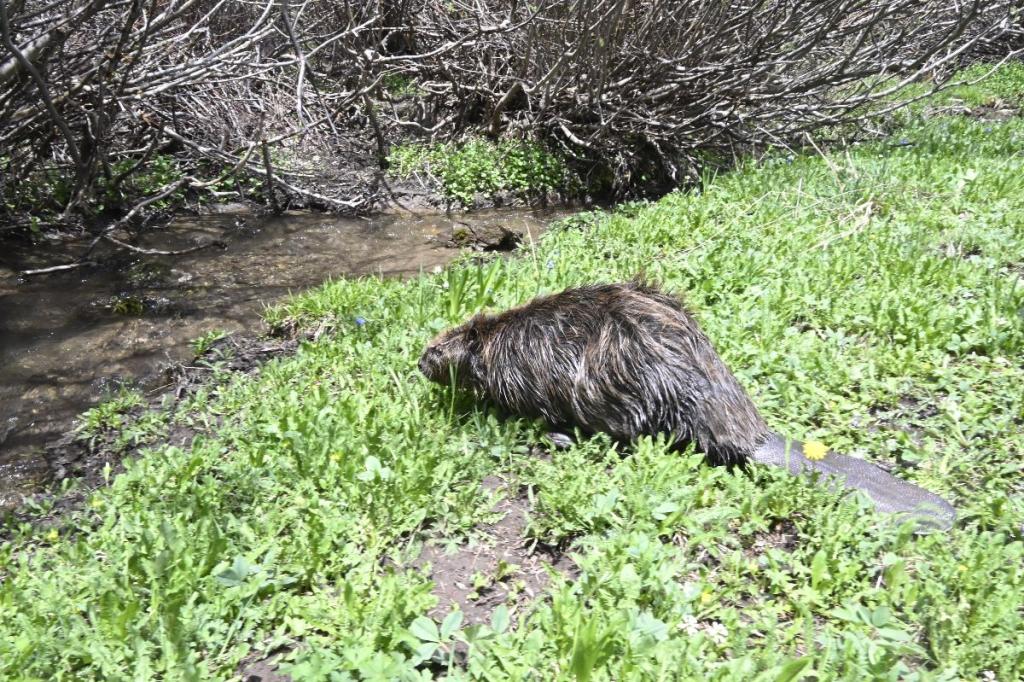
Beaver carcass found on Gunnison River tests positive for tularemia
Southwest Region
Share:
 John Livingston
Southwest Region Public Information Officer
970-759-9590 / john.livingston@state.co.us
@CPW_SW Beaver found on Gunnison River tests positive for tularemia
Oct. 31, 2025
GUNNISON, Colo. – A beaver found dead last week at the Gunnison River Whitewater Park was sent for disease testing by Colorado Parks and Wildlife. The carcass was examined by CPW’s Wildlife Pathologist and submitted to Colorado State University’s Veterinary Diagnostic Laboratory, which confirmed the animal was positive for the zoonotic disease, tularemia.
Tularemia is a bacterial disease that can infect humans and other animals. Species affected in Colorado include rabbits, hares, beavers and other rodents. It is less commonly found in other species, including domestic animals and humans.
Infections can be fatal if not diagnosed and treated properly. CPW recommends the public always keep pets away from wildlife and to never allow pets to consume carcasses. The public should not handle sick or injured wildlife.
“A diagnosis of tularemia in a wild animal in Colorado is not unheard of,” said CPW Wildlife Health Veterinarian Peach Van Wick. “However, CPW’s Wildlife Health Lab usually only receives reports of tularemia in wildlife a couple of times per year. Large-scale outbreaks are less common.”
Tularemia is caused by the bacteria Francisella tularensis. Infection with this type of bacteria is fatal in species including rabbits, beavers, squirrels and other rodents. Infection is usually transmitted through ticks, biting flies and fleas. Wild carnivores and pets can become infected by eating infected carcasses, and any species can be infected through tick, fly and flea bites.
Hunters and trappers may be exposed to the bacteria when skinning carcasses, handling tissues or consuming tissues from an infected animal. When hunting, do not skin or consume animals that you observe to be sick or dead. When field dressing carcasses, protect yourself from contact with tissues, fluids, and parasites such as ticks and fleas.
Less commonly, infection can occur by ingesting food or water that has been contaminated with animal wastes or infected carcasses. Infection may also occur from breathing aerosolized bacteria, as could happen when mowing over dead rabbit or rodent carcasses.
Contact your physician immediately if you feel ill or develop skin lesions following contact with wild animals, ticks, fleas or other biting insects.
If you have been exposed to wildlife that has tested positive for tularemia, contact Gunnison County Health & Human Services at 970-641-3244.
CPW appreciates the public continuing to report sick or dead wildlife and would be interested in any additional beaver mortality observed along the Gunnison River west of Gunnison.
To learn about preventing tularemia exposure in humans when outdoors and during hunting activities, go to https://www.cdc.gov/tularemia/prevention/index.html.

https://cpw.state.co.us/news/10312025/beaver-carcass-found-gunnison-river-tests-positive-tularemia
Southwest Region
Share:
Southwest Region Public Information Officer
970-759-9590 / john.livingston@state.co.us
@CPW_SW Beaver found on Gunnison River tests positive for tularemia
Oct. 31, 2025
GUNNISON, Colo. – A beaver found dead last week at the Gunnison River Whitewater Park was sent for disease testing by Colorado Parks and Wildlife. The carcass was examined by CPW’s Wildlife Pathologist and submitted to Colorado State University’s Veterinary Diagnostic Laboratory, which confirmed the animal was positive for the zoonotic disease, tularemia.
Tularemia is a bacterial disease that can infect humans and other animals. Species affected in Colorado include rabbits, hares, beavers and other rodents. It is less commonly found in other species, including domestic animals and humans.
Infections can be fatal if not diagnosed and treated properly. CPW recommends the public always keep pets away from wildlife and to never allow pets to consume carcasses. The public should not handle sick or injured wildlife.
“A diagnosis of tularemia in a wild animal in Colorado is not unheard of,” said CPW Wildlife Health Veterinarian Peach Van Wick. “However, CPW’s Wildlife Health Lab usually only receives reports of tularemia in wildlife a couple of times per year. Large-scale outbreaks are less common.”
Tularemia is caused by the bacteria Francisella tularensis. Infection with this type of bacteria is fatal in species including rabbits, beavers, squirrels and other rodents. Infection is usually transmitted through ticks, biting flies and fleas. Wild carnivores and pets can become infected by eating infected carcasses, and any species can be infected through tick, fly and flea bites.
Hunters and trappers may be exposed to the bacteria when skinning carcasses, handling tissues or consuming tissues from an infected animal. When hunting, do not skin or consume animals that you observe to be sick or dead. When field dressing carcasses, protect yourself from contact with tissues, fluids, and parasites such as ticks and fleas.
Less commonly, infection can occur by ingesting food or water that has been contaminated with animal wastes or infected carcasses. Infection may also occur from breathing aerosolized bacteria, as could happen when mowing over dead rabbit or rodent carcasses.
Contact your physician immediately if you feel ill or develop skin lesions following contact with wild animals, ticks, fleas or other biting insects.
If you have been exposed to wildlife that has tested positive for tularemia, contact Gunnison County Health & Human Services at 970-641-3244.
CPW appreciates the public continuing to report sick or dead wildlife and would be interested in any additional beaver mortality observed along the Gunnison River west of Gunnison.
To learn about preventing tularemia exposure in humans when outdoors and during hunting activities, go to https://www.cdc.gov/tularemia/prevention/index.html.
https://cpw.state.co.us/news/10312025/beaver-carcass-found-gunnison-river-tests-positive-tularemia