

sharon sanders
Editor-in-Chief & President
Dunhuang City General Hospital Maternal and Child Health Branch Conducts Plague Emergency Drill
 Government Affairs: Dunhuang Release 2025-11-12 14:39
To further strengthen its emergency response capabilities for plague prevention and control, standardize emergency response procedures, and safeguard the lives and health of all staff and patients, the Maternal and Child Health Branch of Dunhuang General Hospital recently organized a plague emergency response drill. The drill, simulating the discovery of a suspected plague case, focused on key aspects including case identification, reporting, isolation, on-site disinfection, personnel protection, and medical treatment. All departments cooperated closely and worked efficiently, successfully completing all drill tasks.
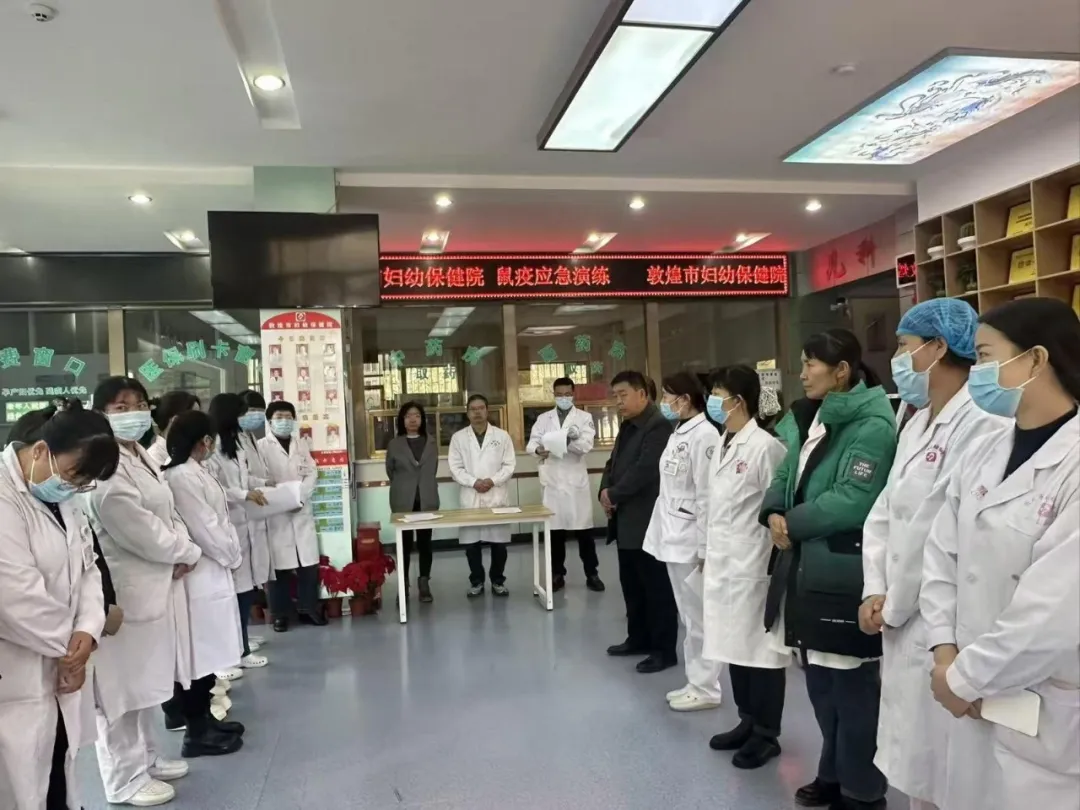
Prior to the drill, the hospital developed a detailed emergency response plan, clearly defining the responsibilities of each group. Centralized training was conducted on plague prevention and control knowledge, the donning and doffing of personal protective equipment, and disinfection procedures to ensure that participants were proficient in emergency response. During the drill, a patient with a fever arrived at the hospital, reporting high fever, headache, cough, and swollen lymph nodes. Triage personnel discovered a suspicious epidemiological history during screening and immediately activated the emergency response, guiding the patient to a temporary isolation observation room according to protocol, and reporting to the hospital's epidemic prevention and control leadership team at the first opportunity.
Upon receiving the report, all emergency response teams quickly assembled. The medical treatment team, wearing protective gear, conducted a detailed medical examination and physical assessment of the "patient." The disinfection team carried out comprehensive and thorough disinfection of key areas such as the isolation room and the treatment corridor. The logistics support team promptly allocated protective equipment and coordinated emergency vehicles. The information reporting team reported information to relevant departments according to the prescribed procedures. The entire drill was conducted in a tense but orderly manner, with standardized operations and smooth coordination between each stage, fully demonstrating the hospital's rapid response capabilities and collaborative combat level.
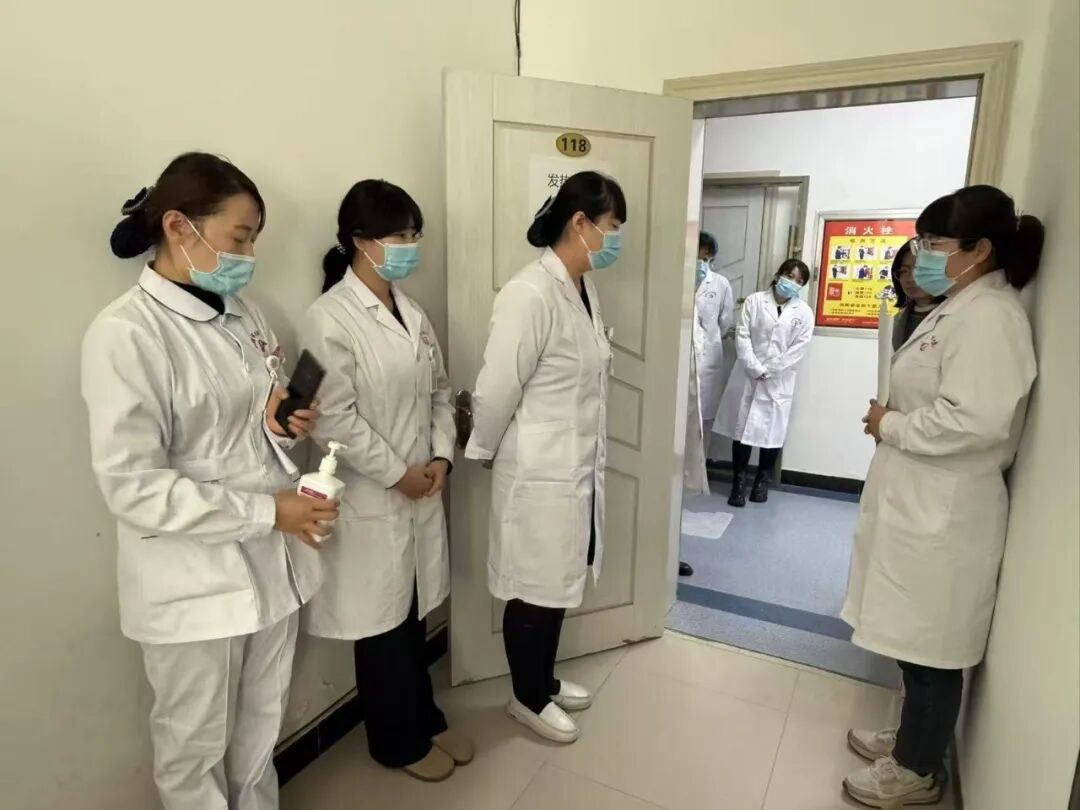
Following the drill, a debriefing and evaluation meeting was held on-site. Hospital officials affirmed the drill's effectiveness while also pointing out specific issues and proposing corrective measures.
This emergency drill effectively tested the practicality and operability of the plague prevention and control emergency plan of the Maternal and Child Health Branch, improved the coordination and cooperation capabilities of various departments in responding to public health emergencies, and accumulated valuable experience for the efficient and scientific handling of similar emergencies in the future. Moving forward, the hospital will continue to conduct various emergency drills routinely to continuously strengthen the foundation for prevention and control, and do its utmost to safeguard the health and safety of the people in the area.
zhttps://m.thepaper.cn/baijiahao_31949695
To further strengthen its emergency response capabilities for plague prevention and control, standardize emergency response procedures, and safeguard the lives and health of all staff and patients, the Maternal and Child Health Branch of Dunhuang General Hospital recently organized a plague emergency response drill. The drill, simulating the discovery of a suspected plague case, focused on key aspects including case identification, reporting, isolation, on-site disinfection, personnel protection, and medical treatment. All departments cooperated closely and worked efficiently, successfully completing all drill tasks.
Prior to the drill, the hospital developed a detailed emergency response plan, clearly defining the responsibilities of each group. Centralized training was conducted on plague prevention and control knowledge, the donning and doffing of personal protective equipment, and disinfection procedures to ensure that participants were proficient in emergency response. During the drill, a patient with a fever arrived at the hospital, reporting high fever, headache, cough, and swollen lymph nodes. Triage personnel discovered a suspicious epidemiological history during screening and immediately activated the emergency response, guiding the patient to a temporary isolation observation room according to protocol, and reporting to the hospital's epidemic prevention and control leadership team at the first opportunity.
Upon receiving the report, all emergency response teams quickly assembled. The medical treatment team, wearing protective gear, conducted a detailed medical examination and physical assessment of the "patient." The disinfection team carried out comprehensive and thorough disinfection of key areas such as the isolation room and the treatment corridor. The logistics support team promptly allocated protective equipment and coordinated emergency vehicles. The information reporting team reported information to relevant departments according to the prescribed procedures. The entire drill was conducted in a tense but orderly manner, with standardized operations and smooth coordination between each stage, fully demonstrating the hospital's rapid response capabilities and collaborative combat level.
Following the drill, a debriefing and evaluation meeting was held on-site. Hospital officials affirmed the drill's effectiveness while also pointing out specific issues and proposing corrective measures.
This emergency drill effectively tested the practicality and operability of the plague prevention and control emergency plan of the Maternal and Child Health Branch, improved the coordination and cooperation capabilities of various departments in responding to public health emergencies, and accumulated valuable experience for the efficient and scientific handling of similar emergencies in the future. Moving forward, the hospital will continue to conduct various emergency drills routinely to continuously strengthen the foundation for prevention and control, and do its utmost to safeguard the health and safety of the people in the area.
zhttps://m.thepaper.cn/baijiahao_31949695