Re: The national report (MoA): 347 have been infected by H7N9, 109 deaths
Re: The national report (MoA): 347 have been infected by H7N9, 109 deaths
Index: 07B130405201400110 Information Affiliation: Veterinary Bureau
Information Name: General Office of the Ministry of Agriculture to seek "national poultry H7N9 influenza eradication program (draft)" opinion letter
Text: Agriculture Office Medical Letter [2014] 8
Creation date: February 19, 2014 Publication Date: February 20, 2014
Content: To further improve the people infected with H7N9 bird flu prevention and control work, to discover and remove poultry H7N9 influenza virus, effectively protect the safety of the poultry industry, animal product safety and public health and safety, the development of the "National Poultry H7N9 influenza eradication program", is now soliciting local livestock veterinary sector views.
General Office of the Ministry of Agriculture to seek "national poultry H7N9 influenza eradication program (draft)" opinion letter
Provinces, autonomous regions, municipalities and cities Animal Husbandry and Veterinary (farming, agriculture) department (bureau, commissions, offices), the Xinjiang Production and Construction Corps Animal Husbandry and Veterinary Bureau:
To further improve the people infected with H7N9 bird flu prevention and control work, to discover, excluding poultry H7N9 influenza virus, effectively protect the safety of poultry, animal product quality and safety and public health and safety, the ministry organized the drafting of a "national poultry H7N9 influenza eradication program (Draft). " Now seek the views of your unit, please February 24 will modify my views in writing to the Department of Veterinary Services feedback.
Contact: Veterinary Bureau Hou Yuhui Chen Guosheng
Tel 010 -59191401, 59191403
Fax 010 -59192861
Office of the Ministry of Agriculture
February 19, 2014
National Poultry H7N9 influenza eradication program
To further improve the people infected with H7N9 avian influenza outbreak response work, to discover, excluding H7N9 avian influenza virus, and effectively protect poultry production safety, animal product quality and safety and public health and safety, according to the "Animal Epidemic Prevention Law" and other laws and regulations, the development of this plan.
I. Background
2013 China experienced H7N9 avian influenza confirmed cases since the first case of human infection, infection and disease has caused many deaths.
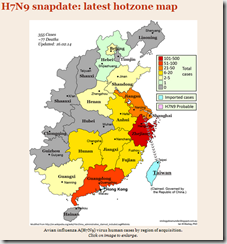
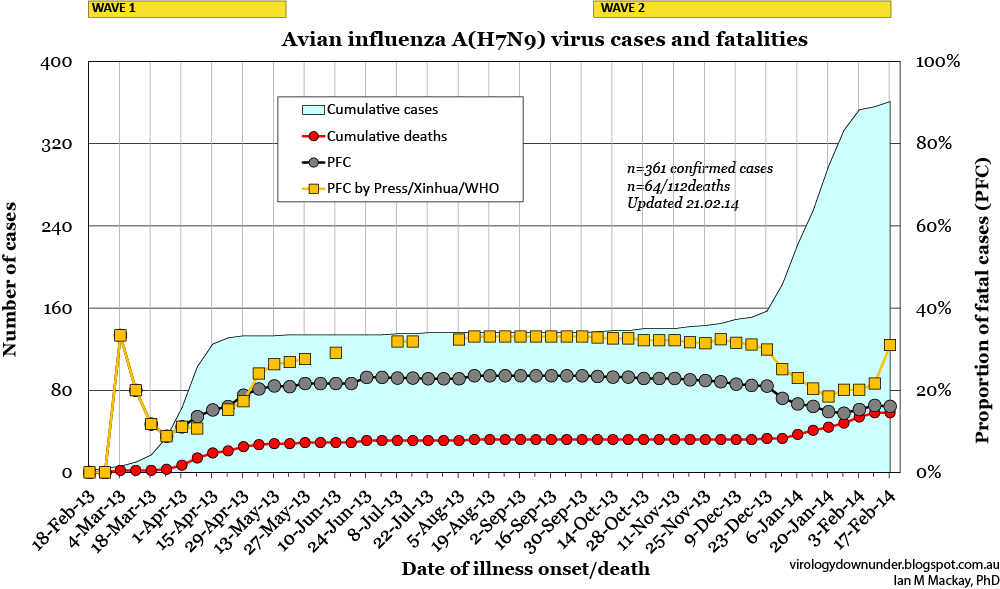
As of February 18, 2014, has a total 347 cases of reported cases and 109 deaths.
People infected with H7N9 bird flu on China's poultry industry has brought a serious impact.
According to the China Animal Husbandry Association statistics, in the first half of 2013 the poultry industry, the direct loss of $ 60 billion since 2014 has lost 20 billion yuan.
National Avian Influenza Reference Laboratory report, the current environment isolated from poultry and out of the H7N9 avian influenza virus in poultry AVIRULENT performance, but the presence of the virus to mutate into highly pathogenic strains of possibilities, will the poultry industry greater risk. National surveillance and epidemiological findings suggest that, H7N9 avian influenza virus can infected poultry and contaminated the environment in the patient's body to the separation, the current positive samples mainly from the live poultry trade field point, but does not rule out the existence of a small number of contaminated poultry farms .
Developed and implemented national eradication program, quickly take unified action, master virus space, time, inter-group distribution of live poultry trade field points, poultry farms and other key aspects to take timely monitoring Excluding measures to strengthen source control, is significant.
Second, prevention goals
Provincial and county levels to enhance avian influenza surveillance capacity of veterinary laboratories to achieve full coverage of the surface monitoring of key sites, to detect and remove poultry farming and market circulation of the H7N9 bird flu virus, found one case, excluding one case, efforts to reduce the virus to people spread risk, reduce risk of virus spread by the live bird markets to poultry farms, poultry industries to reduce market risk.
Third, the technical route and control measures
(A) to find out the virus contaminated surfaces
Etiology and serological surveillance carried out in live animal markets, poultry farms and bird habitat and other places, to detect infected flocks and contaminated sites.
Zoning classification monitored. According to whether the virus discovered in the provinces (autonomous regions and municipalities) is divided into provinces focus on monitoring and general surveillance provinces, the former face strive to cover all aspects of monitoring, the latter to monitor the surface circulation and avian field based. Monitoring the implementation of dynamic management partition.
Focus on monitoring the provinces. One covers all live poultry wholesale markets and farmers markets (trading of live poultry stall / stalls), monthly monitoring of wholesale markets, farmers markets monitored at least twice a year, serological surveillance and pathogen monitoring simultaneously. Second of all avian field (including GGP, grandparent, parent on behalf of the national poultry breeder farm and avian gene pool) monitoring, centralized monitoring at least twice a year to serological surveillance based. The third is to increase poultry farm (village) to monitor the frequency and quantity, etiology and serological monitoring of both.
General monitoring provinces. One covers all live poultry wholesale market, at least monitored twice a year to focus, serological surveillance and pathogen monitoring simultaneously, select some key farmers market (trading of live poultry stall / stalls) when necessary to carry out the monitoring. Second of all avian field (including GGP, grandparent, parent on behalf of the national poultry breeder farm and avian gene pool) monitoring, centralized monitoring at least twice a year to serological surveillance based. The third is a combination of H5 avian influenza surveillance tasks on poultry farms (village) while carrying out monitoring work to serological surveillance based.
Activities closely related to wild birds in Poyang Lake, Dongting Lake, Taihu Lake, Lake, Chaohu Lake and other lakes and wetlands in Qinghai and the Yangtze River Delta region and other water network, to carry out sampling and monitoring of wild birds to pathogen monitoring based.
According to the actual situation of the environment all over the field point sampling, conducted pathogen monitoring.
(B) Excluding the positive flocks
First on the etiology positive flocks, in accordance with the "animal H7N9 avian flu emergency guide" requires decisive disposal. The second is for seropositive avian direct culling and safe disposal. Third seropositive flocks, but other etiological negative ban the circulation, local slaughter. Above the same field (village) in other flocks infected group than in the disposal group to be monitored after infection again, no infection were monitored before allowing movement. Contaminated environment for a thorough cleaning and disinfection.
Monitoring in poultry or environmental samples to positive, to carry out a retrospective survey. Understand the source of the virus and possible contamination of the field point, the field of possible points of contamination risk assessment and take appropriate action.
Once the H7N9 bird flu virus mutate and become highly pathogenic avian influenza strains, according to the "major animal disease emergency regulations", "National HPAI contingency plan" and related technical specifications for disposal.
State culling and harmless treatment given subsidies, subsidies methods refer to "bird flu prevention and control of financial management practices" implementation.
(C) regulatory transported in circulation
Engaged in inter-provincial transporting live poultry should provide vehicle quarantine certification of origin, as well as the poultry farms within 21 days of the H7N9 bird flu laboratory testing compliance report. Quarantine and laboratory testing costs borne by the owner, according to the charges, "the National Development and Reform Commission and Ministry of Finance on lower animals and animal products and quarantine fees and related issues notice" (NDRC Price [2011] No. 2021) executed.
On inter-provincial transport from breeders, seed breeding poultry chicks and continue to strictly enforce reach reporting and quarantine system. Upon arrival, the owner should be transferred to the county animal health supervision agencies reported within 24 hours and transferred to institutions under the supervision of animal health supervision, in an isolated farm or farms (farming community) in isolated homes isolation observation, isolation period of 21 days. Isolated for observation after passing mixed feeding group; unqualified should be handled in accordance with the relevant regulations.
Encourage the slaughter of live poultry place, chilled products to market. Transport vehicles, loading tools and related personnel must be disinfected.
Epidemic prevention supervision (four) other links
Live poultry and poultry farms trading venues should be prepared biosecurity measures.
1 live poultry market place. Around animal husbandry and veterinary departments with industry and commerce, food and drug supervision departments do live poultry vaccination trading venues regulated and strictly implement regularly closed, disinfection system, establish a unified live poultry market place "Rest disinfection day." Market trading of live poultry, must hold the animal quarantine certification. Unsold live poultry is prohibited shipped back to the farm, farmers market ban (live poultry trade booth / stall) retention of live poultry overnight, after the sale of live birds should be culled out the market.
Once detected positive, animal husbandry and veterinary departments should advise the local government to close the trading market. Be thoroughly cleaned and disinfected after 21 days, the provincial animal husbandry and veterinary authorities and relevant departments to analysis and evaluation of qualified only after the open market.
2 poultry farms point. Health and epidemic prevention system should be established, regular cleaning and disinfection. Animal Epidemic Prevention strict censorship farms, for failure to review the conditions of the epidemic through farms, local animal health supervision institution shall not issue an animal quarantine certification (animal A). And out of the transport vehicle, loading tools and associated personnel for disinfection, prevention and control of wild birds and other wild animals in contact with poultry.
Encouraged to strengthen the construction of bio-security isolation area to improve breeding sites biosecurity levels.
Four other requirements
(A) to strengthen the organization and leadership
Provinces (autonomous regions and municipalities) to develop animal husbandry and veterinary authorities to implement the program in accordance with this plan, set goals, a clear timetable and roadmap to promote implementation of the scheme. Under the unified leadership of the local government, strengthen sectoral cooperation, and jointly improve prevention and control work. Please country before the end of March 2014 the program will be implemented in the Ministry of Agriculture.
(B) increase investment
Around animal husbandry and veterinary departments should actively communicate and coordinate with the local financial sector, the implementation of the eradication program requirements, effective protection monitoring, culling, personal protective funding prevention, investigation, disinfection, treatment and disposal facilities, etc. and the corresponding equipment.
(C) to strengthen scientific and technological support
Strengthening laboratory capacity building, county veterinary laboratories should have serological testing capabilities, the provincial veterinary laboratories should have the ability to pathogen detection. Etiology of depth and strengthen poultry H7N9 influenza rapid diagnostic technology research, the establishment of sensitive, specific, and convenient detection methods, complete set of standardized diagnostic reagents accelerate the formation. Establish a regular expert consultation system, promptly judged prevention and control situation, provide technical support.
(D) advocacy training
Through the issuance of brochures, understand the paper, flip charts and organization of training courses and other methods to increase awareness training efforts to improve the production of various types of employees according to the law business sense. Poultry farming practitioners, strengthen farm biosecurity management training to improve biosafety level; brokers and live birds to transport personnel, major publicity disinfection methods cages, vehicles and other means of delivery, reducing the risk of the spread of the virus across districts; on live poultry market place management and sales personnel, and strengthen measures to promote comprehensive prevention, improve the standard operating level.
http://www.moa.gov.cn/govpublic/SYJ/201402/t20140220_3791429.htm