Shiloh
Editor, Senior Moderator
Source: https://latinamericanpost.com/ameri...avirus-trail-as-cruise-mystery-deepens-again/
Chile Tracks Deadly Hantavirus Trail as Cruise Mystery Deepens Again
The Latin American Post Staff Send an email 8 hours ago
Chile’s rising hantavirus fatality rate, confirmed by Health Ministry data shared with EFE, has turned an endemic disease into a regional alarm, linking forests, rodents, delayed diagnosis, cruise travel, and public health trust across the southern cone again this year.
A Virus Already Living in the Landscape
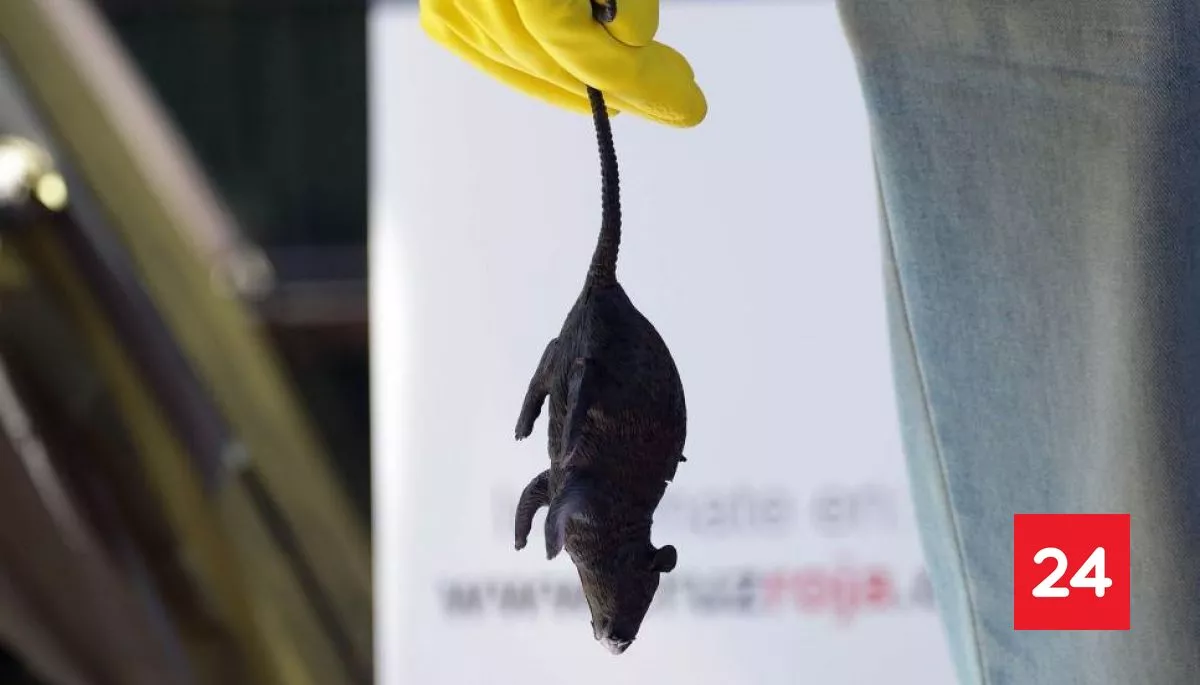
In Chile, the suspect does not move through airports with a passport or hide behind a false name. It lives low to the ground, in damp forests, sheds, rural paths, woodpiles, cabins, and the invisible dust that rises when human life brushes against rodent territory.
The country has confirmed at least 39 hantavirus cases so far this year and 13 deaths, according to figures provided to EFE by Chile’s Health Ministry. That means a fatality rate of 33 percent, a sharp and worrying increase compared with 2025, when the ministry recorded 44 cases and eight deaths, for an 18 percent fatality rate.
Hantavirus is not new in Chile. It is endemic. Between 2020 and 2024, public epidemiological data show the country registered between 30 and 70 cases a year, with a five-year fatality rate of 26 percent. Those numbers describe a familiar danger. But 2026 has given that danger a harder edge because the share of patients dying has climbed.
“The higher fatality rate could be related to factors specific to the patients and the timing of diagnosis, which reinforces the importance of seeking care in time for any compatible symptom,” the Health Ministry said in a statement sent to EFE.
That sentence is clinical, but behind it sits the whole mystery of a disease that punishes delay. Hantavirus can begin like something ordinary, the kind of fever, muscle pain, or fatigue people may try to wait out. Then it can turn. The virus can cause severe cardiorespiratory complications, and by the time the body’s alarm becomes unmistakable, the window for survival may have narrowed.
The confirmed cases have appeared in nine of Chile’s 16 regions, especially in the central and southern zones: Metropolitana, where Santiago sits, along with O’Higgins, Maule, Ñuble, Biobío, La Araucanía, Los Ríos, Los Lagos, and Aysén. It is a map that follows both human movement and ecological reality, from urban edges to the humid southern landscapes where the long-tailed mouse, the virus’s main reservoir, finds its habitat...
Chile Tracks Deadly Hantavirus Trail as Cruise Mystery Deepens Again
The Latin American Post Staff Send an email 8 hours ago
Chile’s rising hantavirus fatality rate, confirmed by Health Ministry data shared with EFE, has turned an endemic disease into a regional alarm, linking forests, rodents, delayed diagnosis, cruise travel, and public health trust across the southern cone again this year.
A Virus Already Living in the Landscape
In Chile, the suspect does not move through airports with a passport or hide behind a false name. It lives low to the ground, in damp forests, sheds, rural paths, woodpiles, cabins, and the invisible dust that rises when human life brushes against rodent territory.
The country has confirmed at least 39 hantavirus cases so far this year and 13 deaths, according to figures provided to EFE by Chile’s Health Ministry. That means a fatality rate of 33 percent, a sharp and worrying increase compared with 2025, when the ministry recorded 44 cases and eight deaths, for an 18 percent fatality rate.
Hantavirus is not new in Chile. It is endemic. Between 2020 and 2024, public epidemiological data show the country registered between 30 and 70 cases a year, with a five-year fatality rate of 26 percent. Those numbers describe a familiar danger. But 2026 has given that danger a harder edge because the share of patients dying has climbed.
“The higher fatality rate could be related to factors specific to the patients and the timing of diagnosis, which reinforces the importance of seeking care in time for any compatible symptom,” the Health Ministry said in a statement sent to EFE.
That sentence is clinical, but behind it sits the whole mystery of a disease that punishes delay. Hantavirus can begin like something ordinary, the kind of fever, muscle pain, or fatigue people may try to wait out. Then it can turn. The virus can cause severe cardiorespiratory complications, and by the time the body’s alarm becomes unmistakable, the window for survival may have narrowed.
The confirmed cases have appeared in nine of Chile’s 16 regions, especially in the central and southern zones: Metropolitana, where Santiago sits, along with O’Higgins, Maule, Ñuble, Biobío, La Araucanía, Los Ríos, Los Lagos, and Aysén. It is a map that follows both human movement and ecological reality, from urban edges to the humid southern landscapes where the long-tailed mouse, the virus’s main reservoir, finds its habitat...