

Pathfinder
Editor, Senior Moderator
Key points
- There is an outbreak of chikungunya in Guangdong Province, China. Most cases have been reported in Foshan city (see map).
- Mosquitoes spread the virus that causes chikungunya.
- You can protect yourself by preventing mosquito bites, which includes using insect repellent; wearing long-sleeved shirts and pants; and staying in places with air conditioning or that have screens on the windows and doors.
- Vaccination is recommended for travelers who are visiting an area with a chikungunya outbreak. Two chikungunya vaccines are approved for use in the United States.
- If you are pregnant, reconsider travel to the affected areas, particularly if you are close to delivering your baby. Mothers infected around the time of delivery can pass the virus to their baby before or during delivery. Newborns infected in this way or by a mosquito bite are at risk for severe illness, including poor long-term outcomes.
- In general, vaccination against chikungunya should be deferred until after delivery. However, when the risk of infection is high and exposure cannot be avoided, pregnant travelers should discuss with their healthcare provider the potential risks (to themselves and their babies) of chikungunya virus infection and the potential benefits and risks of vaccination so that vaccination can be considered.
- Seek medical care immediately if you develop fever, joint pain, headache, muscle pain, joint swelling, or rash during or after travel.
- Two chikungunya vaccines are licensed in the United States:
- Healthcare providers should refer to the vaccine package inserts for contraindications for use of each vaccine.
- In addition, CDC and FDA recently investigated five hospitalizations for cardiac or neurologic events following vaccination with IXCHIQ among older people. This topic was discussed at the April 16[SUP]th[/SUP] Advisory Committee on Immunization Practices (ACIP) meeting. We have also become aware of additional reports of serious adverse events among people aged 62 to 89 years from the use of the vaccine in other countries. Until these additional reports can be further investigated, the live-attenuated vaccine should not be used among people 60 years and older.
- Healthcare providers should discuss the benefits and risks of vaccination with individual travelers based on their age, underlying health conditions, destination, trip duration, and planned activites.
- Health Information for Travelers to China
- CDC Chikungunya Website
- Chikungunya vaccines
- Avoid Bug Bites
- Chikungunya in the CDC Yellow Book (Health Information for International Travel)
- Treatment and Prevention of Chikungunya Virus Disease
- Chikungunya Vaccine Information for Healthcare Providers
- FDA and CDC Recommend Pause in Use of Ixchiq (Chikungunya Vaccine, Live) in Individuals 60 Years of Age and Older While Postmarketing Safety Reports are Investigated
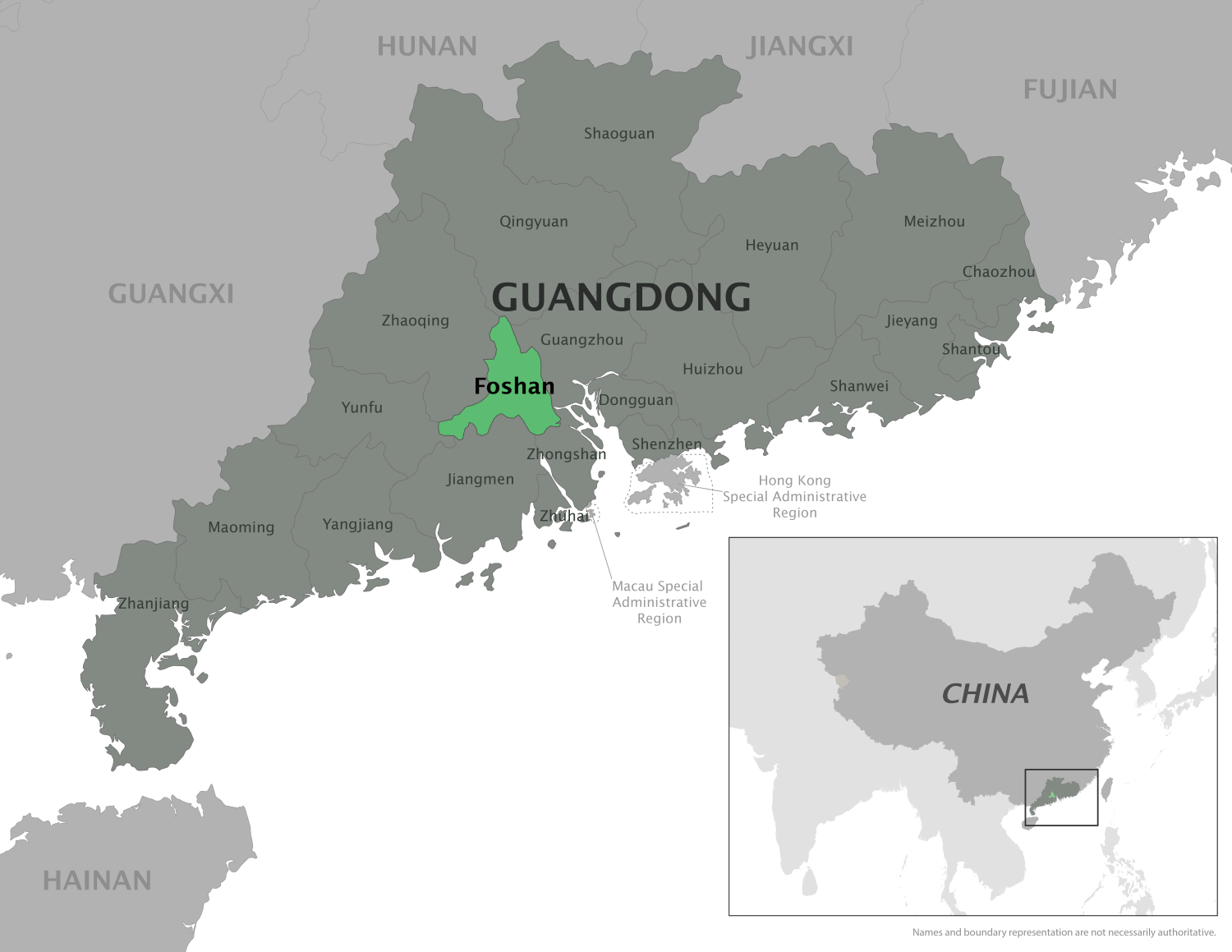
Map of Guangdong Province, China (View larger)
What is chikungunya?
Chikungunya disease is caused by the chikungunya virus and is spread to humans through mosquito bites. Outbreaks have occurred in countries in Africa, Americas, Asia, Europe, the Caribbean, and Indian and Pacific Oceans.
Most people infected with chikungunya virus develop some symptoms. Symptoms of chikungunya usually begin 3–7 days after a bite by an infected mosquito. The most common symptoms are fever and joint pain. Other symptoms may include headache, muscle pain, joint swelling, or rash. Most people get better within a week; however, some can have severe joint pain for months to years following acute illness.
People at risk for more severe disease include newborns infected around the time of birth, older adults (65 years or older), and people with medical conditions such as diabetes or heart disease. Death from chikungunya is rare.
There is no specific treatment for chikungunya.
Page last reviewed: August 01, 2025
https://wwwnc.cdc.gov/travel/notices/level2/chikungunya-china
-----------------------------------------------------------
See also:
China - 2025 Chikungunya
https://flutrackers.com/forum/forum...s/1016238-china-2025-chikungunya#post1017230