

sharon sanders
Editor-in-Chief & President
Stay Safe During a Wildfire
Español (Spanish)
Print
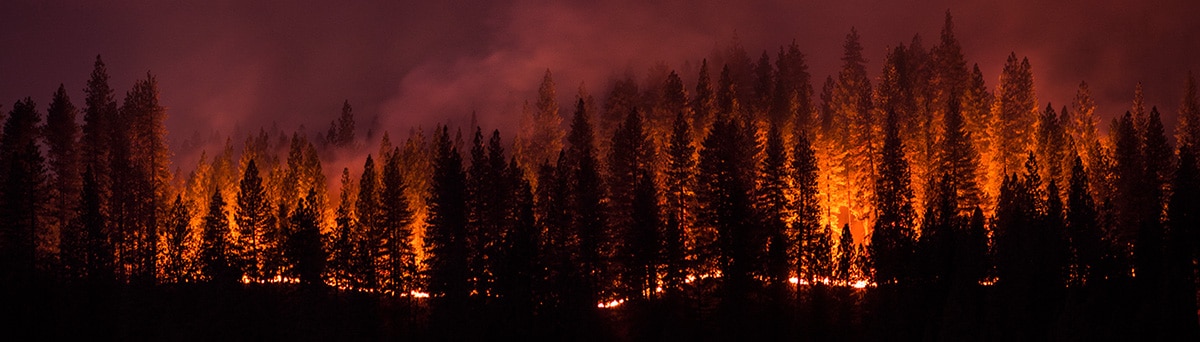
Stay safe during a fire. Pay attention to local weather forecasts, especially those that may affect fire conditions, and always follow instructions given by local emergency management officials. Protect yourself from smoke.
When wildfires create smoky conditions it’s important for everyone to reduce their exposure to smoke. Wildfire smoke irritates your eyes, nose, throat, and lungs. It can make it hard to breathe and make you cough or wheeze. Children and people with asthma, COPD, heart disease, or who are pregnant need to be especially careful about breathing wildfire smoke.
Keep smoke outside.
Learn more about protecting yourself from wildfire smoke. Evacuate safely.
You may be asked by public authorities to evacuate or you may decide to evacuate. Read about how to evacuate safely and how to develop a family disaster plan, including:
Large fires can cause long-term power outages. Read about what to do if your power goes out, including:
Last Reviewed: May 19, 2023
https://www.cdc.gov/disasters/wildfires/duringfire.html
Español (Spanish)
Stay safe during a fire. Pay attention to local weather forecasts, especially those that may affect fire conditions, and always follow instructions given by local emergency management officials. Protect yourself from smoke.
When wildfires create smoky conditions it’s important for everyone to reduce their exposure to smoke. Wildfire smoke irritates your eyes, nose, throat, and lungs. It can make it hard to breathe and make you cough or wheeze. Children and people with asthma, COPD, heart disease, or who are pregnant need to be especially careful about breathing wildfire smoke.
Keep smoke outside.
- Choose a room you can close off from outside air.
- Set up a portable air cleaner or a filter to keep the air in this room clean even when it’s smoky in the rest of the building and outdoors. If you use a do-it-yourself box fan filtration unit, never leave it unattended.
- A respirator is a mask that fits tightly to your face to filter out smoke before you breathe it in.
- You must wear the right respirator and wear it correctly [PDF – 2.7 MB]. NIOSH has not approved respirators for children.
- If you have heart or lung disease ask your doctor if it is safe for you to wear a respirator.
- Avoid using candles, gas, propane, wood-burning stoves, fireplaces, or aerosol sprays and don’t fry or broil meat, smoke tobacco products, or vacuum.
- If you have a central air conditioning system, use high efficiency filters to capture fine particles from smoke. If your system has a fresh air intake, set the system to recirculate mode or close the outdoor intake damper.
- Learn how to protect pets and livestock.
- Some evacuation centers do not accept animals. Check Petfinder’s Shelter Center or RedRover for information on local animal shelters and rescue groups
- AirNow’s “Fire and Smoke Map” has a map of fires throughout North America.
- NOAA’s “Fire weather outlook” page maps fire watches and warnings.
- Listen to the Emergency Alert System (EAS) and National Oceanic and Atmospheric Administration (NOAA) Weather Radio for emergency alerts.
Learn more about protecting yourself from wildfire smoke. Evacuate safely.
You may be asked by public authorities to evacuate or you may decide to evacuate. Read about how to evacuate safely and how to develop a family disaster plan, including:
- Finding out what could happen to you
- Making a disaster plan
- Completing the checklist
- Practicing your plan
Large fires can cause long-term power outages. Read about what to do if your power goes out, including:
- Preventing carbon monoxide poisoning
- Food safety
- Safe drinking water
- Power line hazards
Last Reviewed: May 19, 2023
https://www.cdc.gov/disasters/wildfires/duringfire.html