

Install the app
How to install the app on iOS
Follow along with the video below to see how to install our site as a web app on your home screen.
Note: This feature may not be available in some browsers.
-
FluTrackers.com Inc. does not provide medical advice. Information on this web site is collected from various internet resources, and the FluTrackers board of directors makes no warranty to the safety, efficacy, correctness or completeness of the information posted on this site by any author or poster. The information collated here is for instructional and/or discussion purposes only and is NOT intended to diagnose or treat any disease, illness, or other medical condition. Every individual reader or poster should seek advice from their personal physician/healthcare practitioner before considering or using any interventions that are discussed on this website. By continuing to access this website you agree to consult your personal physican before using any interventions posted on this website, and you agree to hold harmless FluTrackers.com Inc., the board of directors, the members, and all authors and posters for any effects from use of any medication, supplement, vitamin or other substance, device, intervention, etc. mentioned in posts on this website, or other internet venues referenced in posts on this website. -
We are not asking for any donations. Do not donate to any entity who says they are raising funds for us.
- Home
- Forums
- Forum
- United States
- Other diseases
- Seasonal Flu 2009+, including H1N1 pandemic 2009
- Massachusetts
You are using an out of date browser. It may not display this or other websites correctly.
You should upgrade or use an alternative browser.
You should upgrade or use an alternative browser.
Case List: 12/10
- Thread starter Commonground
- Start date
Commonground
Senior Moderator
Re: Case List: 8/20
Re: Case List: 8/20
http://publichealth.blog.state.ma.us/h1n1-swine-flu/
Total Cases
8/20: 1,398
8/27: 1,398 (172 hospitalized to date, 12%, overall)
Total Deaths
8/17: 11
8:27 11 (8 underlying conditions)
Re: Case List: 8/20
http://publichealth.blog.state.ma.us/h1n1-swine-flu/
Total Cases
8/20: 1,398
8/27: 1,398 (172 hospitalized to date, 12%, overall)
Total Deaths
8/17: 11
8:27 11 (8 underlying conditions)
Commonground
Senior Moderator
Re: Case List: 8/20
Re: Case List: 8/20
http://publichealth.blog.state.ma.us/h1n1-swine-flu/
Total Cases
8/20: 1,398
8/27: 1,398 (172 hospitalized to date, 12%, overall)
9/3: 1,399 (175 hospitalized. 12.5%)
Total Deaths
8/17: 11
8:27 11 (8 underlying conditions)
9/3: 11
Re: Case List: 8/20
http://publichealth.blog.state.ma.us/h1n1-swine-flu/
Total Cases
8/20: 1,398
8/27: 1,398 (172 hospitalized to date, 12%, overall)
9/3: 1,399 (175 hospitalized. 12.5%)
Total Deaths
8/17: 11
8:27 11 (8 underlying conditions)
9/3: 11
Commonground
Senior Moderator
Re: Case List: 9/9
Re: Case List: 9/9
Link to source in Post #1.
Total Cases
8/20: 1,398
8/27: 1,398 (172 hospitalized to date, 12%, overall)
9/3: 1,399 (175 hospitalized. 12.5%)
9/9: 1,400 (174 hospitalized. 12.4%)
Total Deaths
8/17: 11
8:27 11 (8 underlying conditions)
9/3: 11
9/9: 11
Re: Case List: 9/9
Link to source in Post #1.
Total Cases
8/20: 1,398
8/27: 1,398 (172 hospitalized to date, 12%, overall)
9/3: 1,399 (175 hospitalized. 12.5%)
9/9: 1,400 (174 hospitalized. 12.4%)
Total Deaths
8/17: 11
8:27 11 (8 underlying conditions)
9/3: 11
9/9: 11
Commonground
Senior Moderator
Re: Case List: 9/17
Re: Case List: 9/17
Link to source in Post #1.
Total Cases
8/20: 1,398
8/27: 1,398 (172 hospitalized to date, 12%, overall)
9/3: 1,399 (175 hospitalized. 12.5%)
9/9: 1,400 (174 hospitalized. 12.4%)
9/17: 1,403 (176 hospitalized. 12.5%)
Total Deaths
8/17: 11
8:27 11 (8 underlying conditions)
9/3: 11
9/9: 11
9/17: 11
Re: Case List: 9/17
Link to source in Post #1.
Total Cases
8/20: 1,398
8/27: 1,398 (172 hospitalized to date, 12%, overall)
9/3: 1,399 (175 hospitalized. 12.5%)
9/9: 1,400 (174 hospitalized. 12.4%)
9/17: 1,403 (176 hospitalized. 12.5%)
Total Deaths
8/17: 11
8:27 11 (8 underlying conditions)
9/3: 11
9/9: 11
9/17: 11
Commonground
Senior Moderator
Re: Case List: 9/24
Re: Case List: 9/24
Link to source in Post #1.
Total Cases
8/20: 1,398
8/27: 1,398 (172 hospitalized to date, 12%, overall)
9/3: 1,399 (175 hospitalized. 12.5%)
9/9: 1,400 (174 hospitalized. 12.4%)
9/17: 1,403 (176 hospitalized. 12.5%)
9/24: 1,406 (179 hospitalized. 12.73%)
Total Deaths
8/17: 11
8:27 11 (8 underlying conditions)
9/3: 11
9/9: 11
9/17: 11
9/24: 11
Re: Case List: 9/24
Link to source in Post #1.
Total Cases
8/20: 1,398
8/27: 1,398 (172 hospitalized to date, 12%, overall)
9/3: 1,399 (175 hospitalized. 12.5%)
9/9: 1,400 (174 hospitalized. 12.4%)
9/17: 1,403 (176 hospitalized. 12.5%)
9/24: 1,406 (179 hospitalized. 12.73%)
Total Deaths
8/17: 11
8:27 11 (8 underlying conditions)
9/3: 11
9/9: 11
9/17: 11
9/24: 11
Commonground
Senior Moderator
Re: Case List: 10/1
Re: Case List: 10/1
Link to source in Post #1.
Total Cases
8/20: 1,398
8/27: 1,398 (172 hospitalized to date, 12%, overall)
9/3: 1,399 (175 hospitalized. 12.5%)
9/9: 1,400 (174 hospitalized. 12.4%)
9/17: 1,403 (176 hospitalized. 12.5%)
9/24: 1,406 (179 hospitalized. 12.73%)
10/1: 1,412 (182 hospitalized. 13%)
Total Deaths
8/17: 11
8:27 11 (8 underlying conditions)
9/3: 11
9/9: 11
9/17: 11
9/24: 11
10/1: 11
Re: Case List: 10/1
Link to source in Post #1.
Total Cases
8/20: 1,398
8/27: 1,398 (172 hospitalized to date, 12%, overall)
9/3: 1,399 (175 hospitalized. 12.5%)
9/9: 1,400 (174 hospitalized. 12.4%)
9/17: 1,403 (176 hospitalized. 12.5%)
9/24: 1,406 (179 hospitalized. 12.73%)
10/1: 1,412 (182 hospitalized. 13%)
Total Deaths
8/17: 11
8:27 11 (8 underlying conditions)
9/3: 11
9/9: 11
9/17: 11
9/24: 11
10/1: 11
Commonground
Senior Moderator
Re: Case List: 10/8
Re: Case List: 10/8
Link to source in Post #1.
Total Cases
8/20: 1,398
8/27: 1,398 (172 hospitalized to date, 12%, overall)
9/3: 1,399 (175 hospitalized. 12.5%)
9/9: 1,400 (174 hospitalized. 12.4%)
9/17: 1,403 (176 hospitalized. 12.5%)
9/24: 1,406 (179 hospitalized. 12.73%)
10/1: 1,412 (182 hospitalized. 13%)
10/8: 1,414 (184 hospitalized. 13.01)
Total Deaths
8/17: 11
8:27 11 (8 underlying conditions)
9/3: 11
9/9: 11
9/17: 11
9/24: 11
10/1: 11
10/8: 12
Re: Case List: 10/8
Link to source in Post #1.
Total Cases
8/20: 1,398
8/27: 1,398 (172 hospitalized to date, 12%, overall)
9/3: 1,399 (175 hospitalized. 12.5%)
9/9: 1,400 (174 hospitalized. 12.4%)
9/17: 1,403 (176 hospitalized. 12.5%)
9/24: 1,406 (179 hospitalized. 12.73%)
10/1: 1,412 (182 hospitalized. 13%)
10/8: 1,414 (184 hospitalized. 13.01)
Total Deaths
8/17: 11
8:27 11 (8 underlying conditions)
9/3: 11
9/9: 11
9/17: 11
9/24: 11
10/1: 11
10/8: 12
Commonground
Senior Moderator
Re: Case List: 10/23
Re: Case List: 10/23
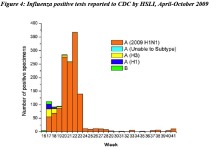
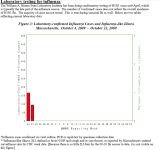
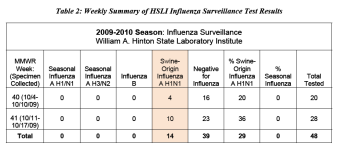
Figure 4 summarizes the testing conducted at the HSLI since April 19, 2009. HSLI discontinued testing for influenza type B as of May 24, after no positive specimens were seen for two weeks. On October 1, 2009, testing for influenza B was re-started in preparation for the regular influenza season; no influenza B results have been reported. There have been no positive specimens for seasonal influenza A since early June. 29% of all specimens tested at the HSLI since October 4, 2009 have been novel influenza A (H1N1) 2009 virus. Complete strain surveillance testing for influenza A/H1, A/H3, B and influenza A (H1N1) 2009 virus was reinstated beginning the first week of October.
http://publichealth.blog.state.ma.us/h1n1-swine-flu/
Re: Case List: 10/23
Figure 4 summarizes the testing conducted at the HSLI since April 19, 2009. HSLI discontinued testing for influenza type B as of May 24, after no positive specimens were seen for two weeks. On October 1, 2009, testing for influenza B was re-started in preparation for the regular influenza season; no influenza B results have been reported. There have been no positive specimens for seasonal influenza A since early June. 29% of all specimens tested at the HSLI since October 4, 2009 have been novel influenza A (H1N1) 2009 virus. Complete strain surveillance testing for influenza A/H1, A/H3, B and influenza A (H1N1) 2009 virus was reinstated beginning the first week of October.
http://publichealth.blog.state.ma.us/h1n1-swine-flu/
Commonground
Senior Moderator
Re: Case List: 10/23
Re: Case List: 10/23
Link to source in Post #1.
Note: CDC reports hospitalization and death counts by influenza season. The current count for the 2009 – 2010 influenza season started August 30, 2009. Due to the progression of the outbreak, states may choose to no longer count and report individual novel H1N1 hospitalizations and deaths; hospitalizations and deaths from pneumonia and influenza may instead be reported to CDC.
Total Cases
8/20: 1,398
8/27: 1,398 (172 hospitalized to date, 12%, overall)
9/3: 1,399 (175 hospitalized. 12.5%)
9/9: 1,400 (174 hospitalized. 12.4%)
9/17: 1,403 (176 hospitalized. 12.5%)
9/24: 1,406 (179 hospitalized. 12.73%)
10/1: 1,412 (182 hospitalized. 13%)
10/8: 1,414 (184 hospitalized. 13.01)
10/22: 1,436 (184 hospitalized. (13%)
Total Deaths
8/17: 11
8:27 11 (8 underlying conditions)
9/3: 11
9/9: 11
9/17: 11
9/24: 11
10/1: 11
10/8: 12
10/22: 12 (9 underlying conditions)
Re: Case List: 10/23
Link to source in Post #1.
Note: CDC reports hospitalization and death counts by influenza season. The current count for the 2009 – 2010 influenza season started August 30, 2009. Due to the progression of the outbreak, states may choose to no longer count and report individual novel H1N1 hospitalizations and deaths; hospitalizations and deaths from pneumonia and influenza may instead be reported to CDC.
Total Cases
8/20: 1,398
8/27: 1,398 (172 hospitalized to date, 12%, overall)
9/3: 1,399 (175 hospitalized. 12.5%)
9/9: 1,400 (174 hospitalized. 12.4%)
9/17: 1,403 (176 hospitalized. 12.5%)
9/24: 1,406 (179 hospitalized. 12.73%)
10/1: 1,412 (182 hospitalized. 13%)
10/8: 1,414 (184 hospitalized. 13.01)
10/22: 1,436 (184 hospitalized. (13%)
Total Deaths
8/17: 11
8:27 11 (8 underlying conditions)
9/3: 11
9/9: 11
9/17: 11
9/24: 11
10/1: 11
10/8: 12
10/22: 12 (9 underlying conditions)
Commonground
Senior Moderator
Re: Case List: 10/29
Re: Case List: 10/29
Link to source in Post #1.
Note: CDC reports hospitalization and death counts by influenza season. The current count for the 2009 ? 2010 influenza season started August 30, 2009. Due to the progression of the outbreak, states may choose to no longer count and report individual novel H1N1 hospitalizations and deaths; hospitalizations and deaths from pneumonia and influenza may instead be reported to CDC.
Note: These statistics are from April, 2009.
Total Cases
8/20:___1,398
8/27:___1,398 (172 hospitalized to date, 12%, overall)
9/3:____1,399 (175 hospitalized. 12.5%)
9/9:____1,400 (174 hospitalized. 12.4%)
9/17:___1,403 (176 hospitalized. 12.5%)
9/24:___1,406 (179 hospitalized. 12.73%)
10/1:___1,412 (182 hospitalized. 13%)
10/8:___1,414 (184 hospitalized. 13.01)
10/22:__1,436 (184 hospitalized. (13%)
10/29:__1,478 (191 hospitalized. (12.92%)
Total Deaths
8/17:__11
8:27___11 (8 underlying conditions)
9/3:___11
9/9:___11
9/17:__11
9/24:__11
10/1:__11
10/8:__12
10/22:_12
10/29:_13
Re: Case List: 10/29
Link to source in Post #1.
Note: CDC reports hospitalization and death counts by influenza season. The current count for the 2009 ? 2010 influenza season started August 30, 2009. Due to the progression of the outbreak, states may choose to no longer count and report individual novel H1N1 hospitalizations and deaths; hospitalizations and deaths from pneumonia and influenza may instead be reported to CDC.
Note: These statistics are from April, 2009.
Total Cases
8/20:___1,398
8/27:___1,398 (172 hospitalized to date, 12%, overall)
9/3:____1,399 (175 hospitalized. 12.5%)
9/9:____1,400 (174 hospitalized. 12.4%)
9/17:___1,403 (176 hospitalized. 12.5%)
9/24:___1,406 (179 hospitalized. 12.73%)
10/1:___1,412 (182 hospitalized. 13%)
10/8:___1,414 (184 hospitalized. 13.01)
10/22:__1,436 (184 hospitalized. (13%)
10/29:__1,478 (191 hospitalized. (12.92%)
Total Deaths
8/17:__11
8:27___11 (8 underlying conditions)
9/3:___11
9/9:___11
9/17:__11
9/24:__11
10/1:__11
10/8:__12
10/22:_12
10/29:_13
Commonground
Senior Moderator
Re: Case List: 10/29
Re: Case List: 10/29
Some Charts from this reporting period.
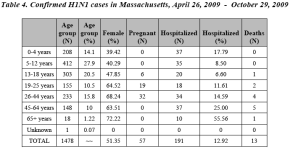
As shown in Table 4 above, school-aged individuals (5-18 years) have been primarily affected by H1N1, with over 62% of cases age 18 or younger. The median age of cases is 14 and cases ranged from 0 to 92 years. To date, males and females have been equally impacted by H1N1. Overall, 191 cases have been hospitalized (13%), which is similar to the national hospitalization rate of 11% as of July 10, and 13 cases have died. Of the 13 deaths, 10 had underlying conditions.
Re: Case List: 10/29
Some Charts from this reporting period.
As shown in Table 4 above, school-aged individuals (5-18 years) have been primarily affected by H1N1, with over 62% of cases age 18 or younger. The median age of cases is 14 and cases ranged from 0 to 92 years. To date, males and females have been equally impacted by H1N1. Overall, 191 cases have been hospitalized (13%), which is similar to the national hospitalization rate of 11% as of July 10, and 13 cases have died. Of the 13 deaths, 10 had underlying conditions.
Commonground
Senior Moderator
Re: Case List: 11/5
Re: Case List: 11/5
Link to source in Post #1.
Note: CDC reports hospitalization and death counts by influenza season. The current count for the 2009 ? 2010 influenza season started August 30, 2009. Due to the progression of the outbreak, states may choose to no longer count and report individual novel H1N1 hospitalizations and deaths; hospitalizations and deaths from pneumonia and influenza may instead be reported to CDC.
Note: These statistics are from April, 2009.
Total Cases
8/20:___1,398
8/27:___1,398 (172 hospitalized to date, 12%, overall)
9/3:____1,399 (175 hospitalized. 12.5%)
9/9:____1,400 (174 hospitalized. 12.4%)
9/17:___1,403 (176 hospitalized. 12.5%)
9/24:___1,406 (179 hospitalized. 12.73%)
10/1:___1,412 (182 hospitalized. 13%)
10/8:___1,414 (184 hospitalized. 13.01)
10/22:__1,436 (184 hospitalized. (13%)
10/29:__1,478 (191 hospitalized. (12.92%)
11/5:___1,555 (206 hospitalized. (13.25%)
Total Deaths
8/17:__11
8:27___11 (8 underlying conditions)
9/3:___11
9/9:___11
9/17:__11
9/24:__11
10/1:__11
10/8:__12
10/22:_12
10/29:_13
11/5:__13
Re: Case List: 11/5
Link to source in Post #1.
Note: CDC reports hospitalization and death counts by influenza season. The current count for the 2009 ? 2010 influenza season started August 30, 2009. Due to the progression of the outbreak, states may choose to no longer count and report individual novel H1N1 hospitalizations and deaths; hospitalizations and deaths from pneumonia and influenza may instead be reported to CDC.
Note: These statistics are from April, 2009.
Total Cases
8/20:___1,398
8/27:___1,398 (172 hospitalized to date, 12%, overall)
9/3:____1,399 (175 hospitalized. 12.5%)
9/9:____1,400 (174 hospitalized. 12.4%)
9/17:___1,403 (176 hospitalized. 12.5%)
9/24:___1,406 (179 hospitalized. 12.73%)
10/1:___1,412 (182 hospitalized. 13%)
10/8:___1,414 (184 hospitalized. 13.01)
10/22:__1,436 (184 hospitalized. (13%)
10/29:__1,478 (191 hospitalized. (12.92%)
11/5:___1,555 (206 hospitalized. (13.25%)
Total Deaths
8/17:__11
8:27___11 (8 underlying conditions)
9/3:___11
9/9:___11
9/17:__11
9/24:__11
10/1:__11
10/8:__12
10/22:_12
10/29:_13
11/5:__13
Commonground
Senior Moderator
Re: Case List: 11/5
Re: Case List: 11/5
Some charts from this reporting period:
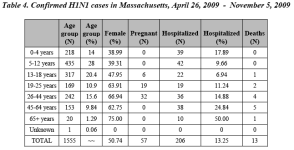
As shown in Table 4 above, school-aged individuals (5-18 years) have been primarily affected by H1N1, with over 62% of cases age 18 or younger. The median age of cases is 14 and cases range from 0 to 92 years. To date, males and females have been equally impacted by H1N1. Overall, 206 cases have been hospitalized (13%), which is similar to the national hospitalization rate of 11% as of July 10, and 13 cases have died. Of the 13 deaths, 10 had underlying conditions.
Automated Epidemiologic Geotemporal Integrated Surveillance System (AEGIS) Flu Data
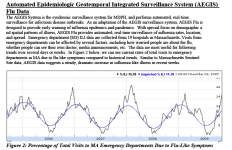
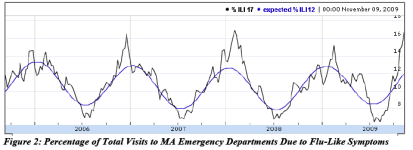
The AEGIS System is the syndromic surveillance system for MDPH, and performs automated, real-time surveillance for infectious disease outbreaks. As an adaptation of the AEGIS surveillance system, AEGIS Flu is designed to provide early warning of influenza epidemics and pandemics. With special focus on demographic and spatial patterns of illness, AEGIS Flu provides automated, real-time surveillance of influenza rates, location, and spread. Emergency department (ED) ILI data are collected from 19 hospitals in Massachusetts. Visits from emergency departments can be affected by several factors, including how worried people are about the flu, whether people can see their own doctor, media announcements, etc. The data are most useful for following trends over several days or weeks. In Figure 2 below, we can see current rates of total visits to emergency departments in MA due to flu-like symptoms compared to historical trends. Similar to Massachusetts Sentinel Site data, AEGIS data suggests a continuous, marked increase in influenza-like illness in recent weeks.
Sentinel Provider Surveillance: Influenza-like illness activity
Week 43 activity level: Widespread
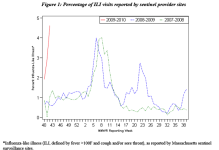
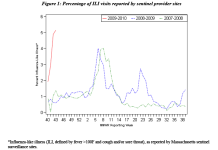
Provider offices across the US report the amount of influenza-like illness (ILI) they see in their patients each week during regular flu season. These doctors' offices are called 'sentinel sites'. Here we present Massachusetts sentinel site data. Please note that the data do not represent only confirmed influenza cases, but also those just with ILI. ILI is defined as fever above 100.02 in addition to either cough or sore throat. ILI is a marker of influenza and is used throughout the regular flu season to monitor influenza since most people are not tested. Figure 1 shows a continuous, dramatic increase in ILI activity over the past few weeks in excess of what was seen at the same time during the last two years.
1 http://www.cdc.gov/h1n1flu/update.htm
2 Per CDC definition for influenza-like illness: http://www.cdc.gov/h1n1flu/casedef.htm
Re: Case List: 11/5
Some charts from this reporting period:
As shown in Table 4 above, school-aged individuals (5-18 years) have been primarily affected by H1N1, with over 62% of cases age 18 or younger. The median age of cases is 14 and cases range from 0 to 92 years. To date, males and females have been equally impacted by H1N1. Overall, 206 cases have been hospitalized (13%), which is similar to the national hospitalization rate of 11% as of July 10, and 13 cases have died. Of the 13 deaths, 10 had underlying conditions.
Automated Epidemiologic Geotemporal Integrated Surveillance System (AEGIS) Flu Data
The AEGIS System is the syndromic surveillance system for MDPH, and performs automated, real-time surveillance for infectious disease outbreaks. As an adaptation of the AEGIS surveillance system, AEGIS Flu is designed to provide early warning of influenza epidemics and pandemics. With special focus on demographic and spatial patterns of illness, AEGIS Flu provides automated, real-time surveillance of influenza rates, location, and spread. Emergency department (ED) ILI data are collected from 19 hospitals in Massachusetts. Visits from emergency departments can be affected by several factors, including how worried people are about the flu, whether people can see their own doctor, media announcements, etc. The data are most useful for following trends over several days or weeks. In Figure 2 below, we can see current rates of total visits to emergency departments in MA due to flu-like symptoms compared to historical trends. Similar to Massachusetts Sentinel Site data, AEGIS data suggests a continuous, marked increase in influenza-like illness in recent weeks.
Sentinel Provider Surveillance: Influenza-like illness activity
Week 43 activity level: Widespread
Provider offices across the US report the amount of influenza-like illness (ILI) they see in their patients each week during regular flu season. These doctors' offices are called 'sentinel sites'. Here we present Massachusetts sentinel site data. Please note that the data do not represent only confirmed influenza cases, but also those just with ILI. ILI is defined as fever above 100.02 in addition to either cough or sore throat. ILI is a marker of influenza and is used throughout the regular flu season to monitor influenza since most people are not tested. Figure 1 shows a continuous, dramatic increase in ILI activity over the past few weeks in excess of what was seen at the same time during the last two years.
1 http://www.cdc.gov/h1n1flu/update.htm
2 Per CDC definition for influenza-like illness: http://www.cdc.gov/h1n1flu/casedef.htm
Commonground
Senior Moderator
Re: Case List: 11/19
Re: Case List: 11/19
Link to source in Post #1.
Note: CDC reports hospitalization and death counts by influenza season. The current count for the 2009 ? 2010 influenza season started August 30, 2009. Due to the progression of the outbreak, states may choose to no longer count and report individual novel H1N1 hospitalizations and deaths; hospitalizations and deaths from pneumonia and influenza may instead be reported to CDC.
Note: These statistics are from April, 2009.
Total Cases
8/20:___1,398
8/27:___1,398 (172 hospitalized to date, 12%, overall)
9/3:____1,399 (175 hospitalized. 12.5%)
9/9:____1,400 (174 hospitalized. 12.4%)
9/17:___1,403 (176 hospitalized. 12.5%)
9/24:___1,406 (179 hospitalized. 12.73%)
10/1:___1,412 (182 hospitalized. 13%)
10/8:___1,414 (184 hospitalized. 13.01)
10/22:__1,436 (184 hospitalized. (13%)
10/29:__1,478 (191 hospitalized. (12.92%)
11/5:___1,555 (206 hospitalized. (13.25%)
11/19:__1,768 (308 hospitalized. (17.42%)
Total Deaths
8/17:__11
8:27___11 (8 underlying conditions)
9/3:___11
9/9:___11
9/17:__11
9/24:__11
10/1:__11
10/8:__12
10/22:_12
10/29:_13
11/5:__13
11/19:_19
Re: Case List: 11/19
Link to source in Post #1.
Note: CDC reports hospitalization and death counts by influenza season. The current count for the 2009 ? 2010 influenza season started August 30, 2009. Due to the progression of the outbreak, states may choose to no longer count and report individual novel H1N1 hospitalizations and deaths; hospitalizations and deaths from pneumonia and influenza may instead be reported to CDC.
Note: These statistics are from April, 2009.
Total Cases
8/20:___1,398
8/27:___1,398 (172 hospitalized to date, 12%, overall)
9/3:____1,399 (175 hospitalized. 12.5%)
9/9:____1,400 (174 hospitalized. 12.4%)
9/17:___1,403 (176 hospitalized. 12.5%)
9/24:___1,406 (179 hospitalized. 12.73%)
10/1:___1,412 (182 hospitalized. 13%)
10/8:___1,414 (184 hospitalized. 13.01)
10/22:__1,436 (184 hospitalized. (13%)
10/29:__1,478 (191 hospitalized. (12.92%)
11/5:___1,555 (206 hospitalized. (13.25%)
11/19:__1,768 (308 hospitalized. (17.42%)
Total Deaths
8/17:__11
8:27___11 (8 underlying conditions)
9/3:___11
9/9:___11
9/17:__11
9/24:__11
10/1:__11
10/8:__12
10/22:_12
10/29:_13
11/5:__13
11/19:_19
Commonground
Senior Moderator
Re: Case List: 12/3
Re: Case List: 12/3
<hr style="color: rgb(204, 204, 204); background-color: rgb(204, 204, 204);" size="1"> <!-- / icon and title --> <!-- message --> Link to source in Post #1.
Note: CDC reports hospitalization and death counts by influenza season. The current count for the 2009 ? 2010 influenza season started August 30, 2009. Due to the progression of the outbreak, states may choose to no longer count and report individual novel H1N1 hospitalizations and deaths; hospitalizations and deaths from pneumonia and influenza may instead be reported to CDC.
Note: These statistics are from April, 2009.
Total Cases
8/20:___1,398
8/27:___1,398 (172 hospitalized to date, 12%, overall)
9/3:____1,399 (175 hospitalized. 12.5%)
9/9:____1,400 (174 hospitalized. 12.4%)
9/17:___1,403 (176 hospitalized. 12.5%)
9/24:___1,406 (179 hospitalized. 12.73%)
10/1:___1,412 (182 hospitalized. 13%)
10/8:___1,414 (184 hospitalized. 13.01)
10/22:__1,436 (184 hospitalized. (13%)
10/29:__1,478 (191 hospitalized. (12.92%)
11/5:___1,555 (206 hospitalized. (13.25%)
11/19:__1,768 (308 hospitalized. (17.42%)
12/3:___1,867 (363 hospitalized. (19.44%)
Total Deaths
8/17:__11
8:27___11 (8 underlying conditions)
9/3:___11
9/9:___11
9/17:__11
9/24:__11
10/1:__11
10/8:__12
10/22:_12
10/29:_13
11/5:__13
11/19:_19
12/3:__24
Re: Case List: 12/3
<hr style="color: rgb(204, 204, 204); background-color: rgb(204, 204, 204);" size="1"> <!-- / icon and title --> <!-- message --> Link to source in Post #1.
Note: CDC reports hospitalization and death counts by influenza season. The current count for the 2009 ? 2010 influenza season started August 30, 2009. Due to the progression of the outbreak, states may choose to no longer count and report individual novel H1N1 hospitalizations and deaths; hospitalizations and deaths from pneumonia and influenza may instead be reported to CDC.
Note: These statistics are from April, 2009.
Total Cases
8/20:___1,398
8/27:___1,398 (172 hospitalized to date, 12%, overall)
9/3:____1,399 (175 hospitalized. 12.5%)
9/9:____1,400 (174 hospitalized. 12.4%)
9/17:___1,403 (176 hospitalized. 12.5%)
9/24:___1,406 (179 hospitalized. 12.73%)
10/1:___1,412 (182 hospitalized. 13%)
10/8:___1,414 (184 hospitalized. 13.01)
10/22:__1,436 (184 hospitalized. (13%)
10/29:__1,478 (191 hospitalized. (12.92%)
11/5:___1,555 (206 hospitalized. (13.25%)
11/19:__1,768 (308 hospitalized. (17.42%)
12/3:___1,867 (363 hospitalized. (19.44%)
Total Deaths
8/17:__11
8:27___11 (8 underlying conditions)
9/3:___11
9/9:___11
9/17:__11
9/24:__11
10/1:__11
10/8:__12
10/22:_12
10/29:_13
11/5:__13
11/19:_19
12/3:__24
Commonground
Senior Moderator
Re: Case List: 12/10
Link to source in Post #1.
Note: CDC reports hospitalization and death counts by influenza season. The current count for the 2009 ? 2010 influenza season started August 30, 2009. Due to the progression of the outbreak, states may choose to no longer count and report individual novel H1N1 hospitalizations and deaths; hospitalizations and deaths from pneumonia and influenza may instead be reported to CDC.
Note: These statistics are from April, 2009.
Total Cases
8/20:___1,398
8/27:___1,398 (172 hospitalized to date, 12%, overall)
9/3:____1,399 (175 hospitalized. 12.5%)
9/9:____1,400 (174 hospitalized. 12.4%)
9/17:___1,403 (176 hospitalized. 12.5%)
9/24:___1,406 (179 hospitalized. 12.73%)
10/1:___1,412 (182 hospitalized. 13%)
10/8:___1,414 (184 hospitalized. 13.01)
10/22:__1,436 (184 hospitalized. (13%)
10/29:__1,478 (191 hospitalized. (12.92%)
11/5:___1,555 (206 hospitalized. (13.25%)
11/19:__1,768 (308 hospitalized. (17.42%)
12/3:___1,867 (363 hospitalized. (19.44%)
12/10:__1,887 ((373 hospitalized. (19.77%)
Total Deaths
8/17:__11
8:27___11 (8 underlying conditions)
9/3:___11
9/9:___11
9/17:__11
9/24:__11
10/1:__11
10/8:__12
10/22:_12
10/29:_13
11/5:__13
11/19:_19
12/3:__24
12/10:_25
Link to source in Post #1.
Note: CDC reports hospitalization and death counts by influenza season. The current count for the 2009 ? 2010 influenza season started August 30, 2009. Due to the progression of the outbreak, states may choose to no longer count and report individual novel H1N1 hospitalizations and deaths; hospitalizations and deaths from pneumonia and influenza may instead be reported to CDC.
Note: These statistics are from April, 2009.
Total Cases
8/20:___1,398
8/27:___1,398 (172 hospitalized to date, 12%, overall)
9/3:____1,399 (175 hospitalized. 12.5%)
9/9:____1,400 (174 hospitalized. 12.4%)
9/17:___1,403 (176 hospitalized. 12.5%)
9/24:___1,406 (179 hospitalized. 12.73%)
10/1:___1,412 (182 hospitalized. 13%)
10/8:___1,414 (184 hospitalized. 13.01)
10/22:__1,436 (184 hospitalized. (13%)
10/29:__1,478 (191 hospitalized. (12.92%)
11/5:___1,555 (206 hospitalized. (13.25%)
11/19:__1,768 (308 hospitalized. (17.42%)
12/3:___1,867 (363 hospitalized. (19.44%)
12/10:__1,887 ((373 hospitalized. (19.77%)
Total Deaths
8/17:__11
8:27___11 (8 underlying conditions)
9/3:___11
9/9:___11
9/17:__11
9/24:__11
10/1:__11
10/8:__12
10/22:_12
10/29:_13
11/5:__13
11/19:_19
12/3:__24
12/10:_25