• FluTrackers.com Inc. does not provide medical advice. Information on this web site is collected from various internet resources, and the FluTrackers board of directors makes no warranty to the safety, efficacy, correctness or completeness of the information posted on this site by any author or poster. The information collated here is for instructional and/or discussion purposes only and is NOT intended to diagnose or treat any disease, illness, or other medical condition. Every individual reader or poster should seek advice from their personal physician/healthcare practitioner before considering or using any interventions that are discussed on this website. By continuing to access this website you agree to consult your personal physican before using any interventions posted on this website, and you agree to hold harmless FluTrackers.com Inc., the board of directors, the members, and all authors and posters for any effects from use of any medication, supplement, vitamin or other substance, device, intervention, etc. mentioned in posts on this website, or other internet venues referenced in posts on this website.
  • We are not asking for any donations. Do not donate to any entity who says they are raising funds for us.

California - Avian flu in mammals and livestock 2025-2026

Detections of Highly Pathogenic Avian Influenza in Mammals

Last Modified: January 28, 2025
...
State County Date Collected Date Detected HPAI Strain Species

California Contra Costa 1/15/2025 1/24/2025 EA H5 Domestic cat
California Los Angeles 1/8/2025 1/15/2025 EA H5N1 Domestic cat
California Los Angeles 12/14/2024 1/3/2025 EA/AM H5N1 Domestic cat
California Los Angeles 12/10/2024 1/3/2025 EA/AM H5N1 Domestic cat
California Los Angeles 12/11/2024 1/3/2025 EA/AM H5N1 Domestic cat
California Los Angeles 12/10/2024 1/3/2025 EA/AM H5N1 Domestic cat
California Santa Barbara 12/17/2024 1/2/2025 EA/AM H5N1 Domestic cat
California Santa Barbara 12/12/2024 1/2/2025 EA/AM H5N1 Domestic cat
California Los Angeles 12/26/2024 12/31/2024 EA H5N1 Domestic cat
California Los Angeles 12/6/2024 12/27/2024 EA/AM H5N1 Domestic cat
California Los Angeles 12/10/2024 12/23/2024 EA H5N1 Domestic cat
California Fresno 12/9/2024 12/17/2024 EA H5N1 Domestic cat
California San Bernardino 12/4/2024 12/10/2024 EA H5N1 Domestic cat
California Tulare 11/22/2024 12/3/2024 EA H5N1 Domestic cat


...
https://www.aphis.usda.gov/livestock-poultry-disease/avian/avian-influenza/hpai-detections/mammals
 
As of 2:30 PM EST 1/29/25

Click image for larger version  Name:	Screenshot 2025-01-29 at 2.32.07 PM.png Views:	1 Size:	82.4 KB ID:	1006173
Screenshot 2025-01-29 at 2.35.30 PM.png

Screenshot 2025-01-29 at 2.35.44 PM.png

https://www.aphis.usda.gov/livestoc...pai-detections/hpai-confirmed-cases-livestock
 
Today, 09:27 AM
January 30, 2025
23 Riverside County dairy and poultry farms test positive for bird flu, health officials say

At least 23 dairy and poultry farms in Riverside County have tested positive for Avian influenza, or bird flu, the virus causing outbreaks in several other areas of the U.S., health officials said Wednesday.​

No human cases have been detected in the county but the Riverside University Health System has told local residents to take precautions as a growing number of commercial agriculture facilities and wildlife are exposed to the virus.​​

Continued: https://www.cbsnews.com/losangeles/... confirmed,person transmission in the country.
 
Related to the post above:

H5N1 bird flu found in four Southern California rats

By Susanne Rust
Staff Writer
Feb. 21, 2025 2:54 PM PT
...
The rats were located in Riverside County, and news reports suggest they were living in an area where two infected poultry farms had recently been identified.

The discovery of H5N1 in black rats — a typically urban species — provides another route for potential exposure to humans and their pets. The virus can be transmitted via droppings, urine, blood and saliva. The rats also provide a vessel for the virus to move between farms and houses.

It is unclear what agency initially identified and tested the rats — or why the rats were tested. A spokeswoman for Riverside County’s public health department said she was unable to provide a response to those questions, and directed them to the USDA. The USDA did not respond to questions Friday.

These are the first rats identified as having the disease in the United States since 2021, when this latest version of the H5N1 virus made its debut in North America.
...

https://www.latimes.com/environment/story/2025-02-21/h5n1-bird-flu-riverside-county-rats
 
County Investigating First Bird Flu Case in Cat

Bird-Flu-655x540.jpg

Photo Credit - CDC/Cynthia Goldsmith

By Fernanda Lopez Halvorson, County of San Diego Communications Office

Feb. 26, 2025 | 11:25 AM Reading Time: 3 minutes

County Public Health officials are investigating a suspected case of bird flu (H5N1) in a house cat from East County.

Preliminary test results show the cat, which got sick and died in mid-January 2025, was positive for bird flu. The indoor cat ate a raw pet food that is suspected to be the source of the infection.

This is the first case of bird flu in a cat in San Diego County. Several other unconnected cases have happened in cats throughout the state, and all are suspected to be the result of eating raw food or raw milk.

Bird flu or H5N1 is a highly contagious virus that can sicken or kill birds and other animals. In 2024, there were six cases of bird flu in wild gulls in San Diego County. No wildlife cases have been confirmed so far in 2025. No local cases in humans have been reported.

While rare, it can be spread to people when the virus gets in someone’s eyes, nose or mouth, or when it is inhaled.  No local cases in humans have been reported and the risk to people remains low.
“Bird Flu has been devastating for wildlife populations around the globe, poultry and dairy cattle in our country and has infrequently affected people and cats,” said Dr. Seema Shah, Medical Director of County Epidemiology and Immunization Services Branch. “The County is actively monitoring wild birds and expanding testing, along with keeping tabs on people exposed to those animals in case they exhibit symptoms. We are also working with veterinarians, healthcare providers, farmers and wildlife groups to provide guidance and resources.”​

While cases of bird flu in people and cats are rare, there are steps you can take to lower the risk of bird flu for yourself, family and pets.
  • Avoid consuming raw milk or dairy products or feeding them to your pets because raw milk is not pasteurized. Pasteurization is a heating process that kills harmful pathogens like bird flu or bacteria like salmonella, toxin producing E. coli. and listeria
  • Avoid feeding raw pet food products to pets and talk to your pet’s veterinarian about safe and healthy diets
  • Thoroughly wash your hands with soap and water when handling raw foods like meats and poultry and cook them to recommended temperature before serving
  • Avoid touching sick or dead birds or animals and report them to animal control
  • Don’t let your pets eat or touch sick or dead bird or animals
  • Keep your cats indoors and supervise pets outdoors
  • Get the seasonal flu vaccine. While it does not protect against bird flu, it can protect you from getting both the season flu and bird flu at the same time.
On the West Coast, house cats have died from bird flu caused by consuming raw milk or food products including in Santa Barbara County, San Mateo, Los Angeles, Washington and Oregon.

Signs of bird flu in cats include neurologic issues like lack of coordination, tremors, seizures or blindness, loss of appetite, discharge from the eyes and nose and other respiratory issues like breathing fast, sneezing or coughing. Pet owners should tell their veterinarian if their pet is sick and has eaten a raw food diet, has interacted with poultry or dairy cattle, or hunts wild birds or other wild animals.

Those most at risk for bird flu are farmworkers, people with backyard flocks, wildlife workers and those who work around animals. Those that work with ill animals can use personal protective equipment to reduce their likelihood of exposure to the virus.

More information about bird flu is posted on the County’s website including guidance for healthcare professionals, employers and veterinarians.


https://www.countynewscenter.com/county-investigating-first-bird-flu-case-in-cat/
 
Farms in the county test positive for H5N1

March 6, 2025
CountyWire | Public Health | Uncategorized
County_Update_Banner_Final-02-1024x502.png
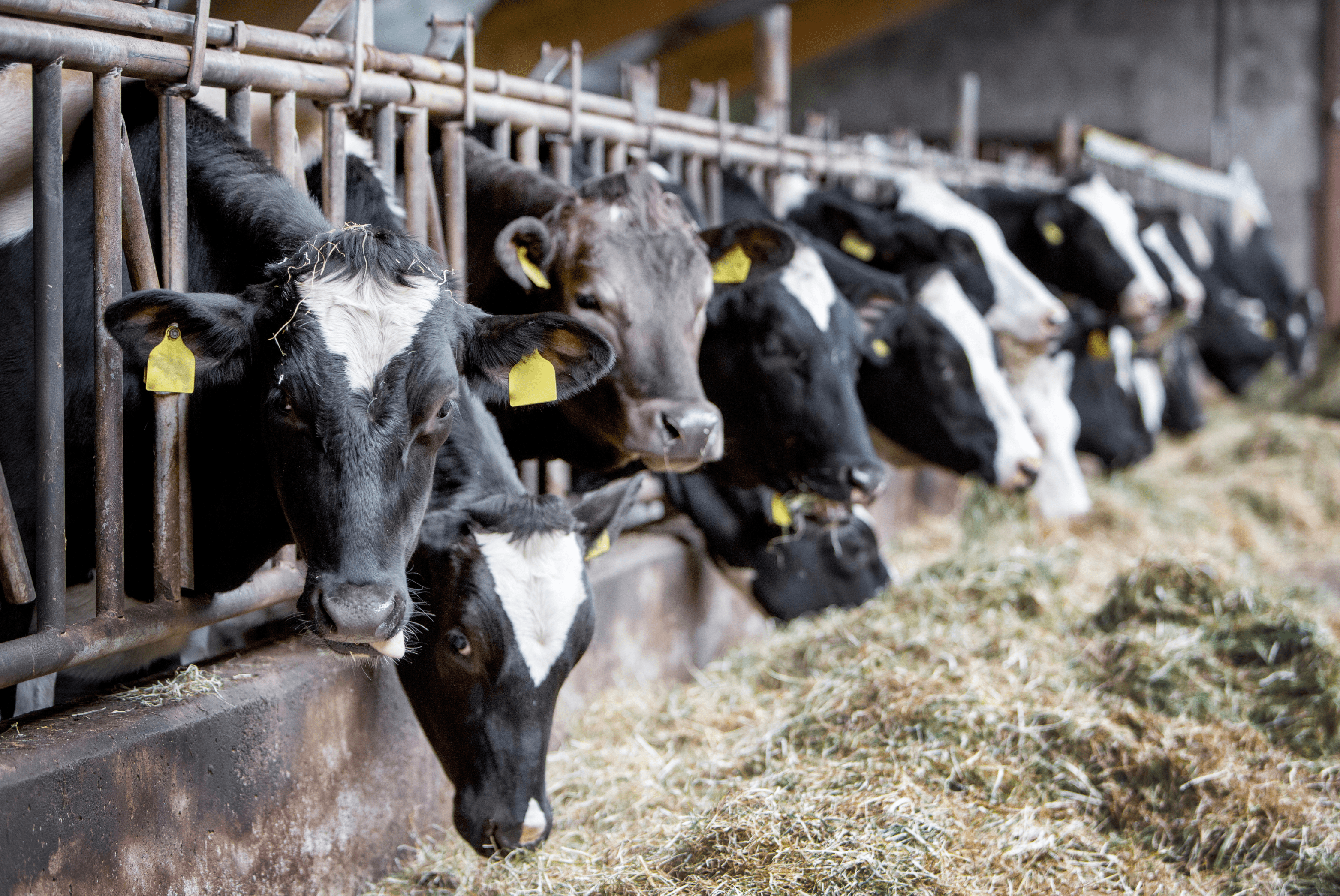
Cows.png

H5N1 has been detected in four dairy farms in San Bernardino County.

H5N1 – bird flu – has been detected in four dairy farms in San Bernardino County. The risk of infection from H5N1 remains relatively low. No person-to-person spread of bird flu has been detected in California.

“While the risk of bird flu to the general public remains low, the detection of this virus in animals across multiple farms serves as a reminder to practice caution when handling animals or animal products,” said San Bernardino County Health Officer Sharon Wang. “It’s crucial to avoid raw milk consumption and follow proper food safety practices to reduce any potential risk of exposure.”

Symptoms of H5N1 in humans:

Symptoms typically appear within two to eight days of exposure, but can be up to 10 days, and may include:
  • Eye redness or discharge
  • Cough or sore throat
  • Runny or stuffy nose
  • Diarrhea or vomiting
  • Muscle or body aches
  • Headaches
  • Fatigue
  • Difficulty breathing
  • Fever
Preventive measures for residents and pets:
  • Avoid consuming unpasteurized “raw” milk and undercooked meat. Raw milk can contain harmful germs that may cause serious illness, particularly in children under 5 years old, pregnant individuals, and people with weakened immune systems. Choose pasteurized milk and dairy products, as the pasteurization process eliminates the bird flu virus.
  • Individuals who interact with infected dairy cows, poultry or wildlife are at greater risk of infection.
  • Wear protective clothing when working with birds, wildlife, livestock or their environments.
  • Refrain from working with sick animals or those exposed to avian influenza.
  • Wash hands frequently after handling animals or being in their environment.
Stay healthy

As respiratory illnesses become more prevalent, residents are encouraged to:
  • Stay up to date on vaccines for influenza, COVID-19 and RSV, particularly those at high risk, including pregnant individuals, to help protect babies who are born too young to be vaccinated. While these vaccines will not protect against bird flu, getting vaccinated can lower the risk of being infected with multiple infections at the same time.
  • Practice good hand hygiene.
  • Wear a mask in crowded or high-risk settings.
For more details on bird flu, please visit the California Department of Public Health’s Current Bird Flu Situation webpage. If you have any further questions, please contact the San Bernardino County Department of Public Health’s Communicable Disease Section at 1-800-722-4794, Monday through Friday, 8 a.m. – 5 p.m., or 1-800-472-2376 after-hours, including weekends and holidays.


https://main.sbcounty.gov/2025/03/06/farms-in-the-county-test-positive-for-h5n1/?s=h5n1
 
Back
Top