Ministerial media release
Five additional H5 bird flu events in NSW
Published: 11 September 2026
Released by: Minister for Agriculture, Minister for Environment and Heritage
Listen
The Minns Government is responding to five new H5 bird flu events following positive tests from birds
located at Dee Why, Goulburn, Hawks Nest and the south coast areas of Congo and Moruya.
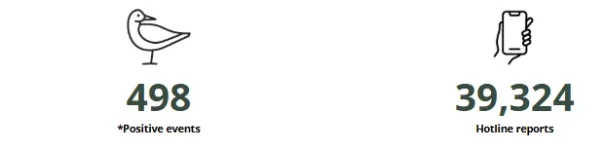
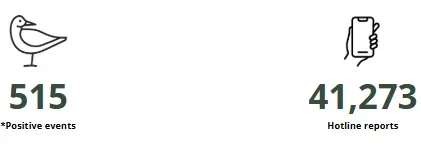
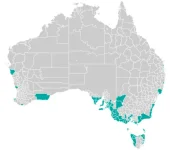
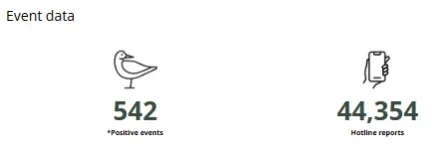
These new events bring NSW to a total of 30 H5 bird flu events and 509 events for Australia.
The five new events are:
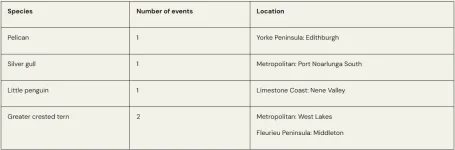
- Greater Crested Tern at Dee Why
- Greater Crested Tern in Goulburn
- Greater Crested Tern in Hawks Nest
- White fronted tern in Congo
- Silver gull in Moruya
The event at Dee Why is the second event in the Sydney metropolitan area following the detection at Warriewood on the Northern Beaches earlier this month.
The NSW Government is working closely with the poultry industry based in Goulburn and across NSW to reduce the risk of the virus.
Bird flu has not been detected in commercial poultry flocks, or captive birds, and the risk to human health remains low.
The NSW Chief Veterinary Officer continues to advise that, where possible poultry are housed.
Any additional actions regarding housing of poultry will be determined by the Chief Veterinary Officer following a risk assessment.
There are no signs of any mass mortality in NSW and surveillance is continuing so we can detect any further cases early.
A national surveillance plan is in operation to monitor for any further detections and facilitate rapid, coordinated response.
If you see sick or dead wild birds, domestic birds, marine mammals or other wildlife showing signs of H5 bird flu - Avoid contact, Record what you see, Report it via the
online reporting form or
Emergency Animal Disease Hotline -1800 675 888.
Minister for the Environment, Penny Sharpe said:
“H5 bird flu is a serious and ongoing threat to wildlife, and there is no way to eradicate the disease once it is established in wild bird populations.
“The NSW Government has commenced a rollout of targeted vaccinations for vulnerable species of birds to help protect them against H5 avian influenza.
“We are focused on strong surveillance, preparedness and practical measures that reduce the spread of H5 bird flu and help protect our most vulnerable native wildlife.
"If you see a sick or dead bird, please ensure you and your pets avoid contact. Record what you see on your phone and report it via the Emergency Animal Disease Hotline.”
Minister for Agriculture, Regional and Western NSW, Tara Moriarty said:
"These further detections demonstrate how important it is for us all to work together, to remain vigilant with our ongoing surveillance and reporting, so we can monitor and respond.
“There have been no detections in commercial poultry or captive birds anywhere in Australia, and the risk to human health remains low.
“We're working closely with the poultry industry to reduce the risk of the virus spreading.
“NSW has recommended poultry owners voluntarily house birds and the NSW poultry industry continue to operate normally.
“Now is the time for everyone who has backyard chickens or pet birds in aviaries to take precautionary steps to ensure there are no interactions between their chooks and pets with wild birds.”
...
The Minns Government is responding to five new H5 bird flu events following positive tests from birds located at Dee Why, Goulburn, Hawks Nest and the south coast areas of Congo and Moruya.

www.nsw.gov.au
----------------------------------------------------------------------------------

Friday, 11 September 2026
There is 1 new confirmed H5 bird flu event in South Australia since yesterday’s update.
The new event involves a greater crested tern.
Samples taken yesterday from the whale found at Hayborough tested negative for bird flu.
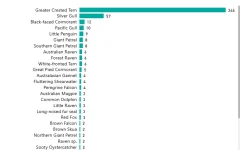
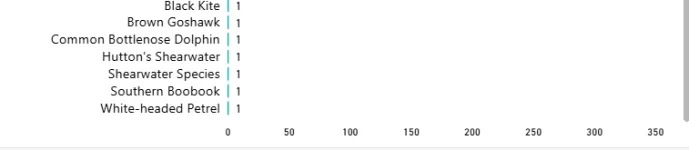
There have now been 286 confirmed H5 bird flu events in South Australia.
In line with national protocols, the South Australian Government reports H5 bird flu detections as events, rather than individual animal detections. An event may involve one or more animals.
An interactive map is available on the South Australian Government’s bird flu website, featuring up-to-date information on event locations and impacted species:
birdflu.sa.gov.au/current-situation/
There are currently no H5 bird flu detections in poultry or other livestock. The risk to human health from the virus remains low.
...














.jpg)