• FluTrackers.com Inc. does not provide medical advice. Information on this web site is collected from various internet resources, and the FluTrackers board of directors makes no warranty to the safety, efficacy, correctness or completeness of the information posted on this site by any author or poster. The information collated here is for instructional and/or discussion purposes only and is NOT intended to diagnose or treat any disease, illness, or other medical condition. Every individual reader or poster should seek advice from their personal physician/healthcare practitioner before considering or using any interventions that are discussed on this website. By continuing to access this website you agree to consult your personal physican before using any interventions posted on this website, and you agree to hold harmless FluTrackers.com Inc., the board of directors, the members, and all authors and posters for any effects from use of any medication, supplement, vitamin or other substance, device, intervention, etc. mentioned in posts on this website, or other internet venues referenced in posts on this website.
  • We are not asking for any donations. Do not donate to any entity who says they are raising funds for us.

Angola - Cholera outbreak 2025-2026

Pathfinder

Editor, Senior Moderator
Translation Google


Friday, 10 January 2025 14:58

Cholera deaths in Luanda rise to 11 with 95 cases reported

The number of deaths from cholera in Luanda has risen to 11, with 93 cases having been reported since the beginning of the year, according to the Ministry of Health (Minsa) information bulletin to which Lusa had access today.

Two cases were also reported in the neighboring province of Bengo, according to the same document.

The cases registered in the province of Luanda are confined to neighborhoods in the municipality of Cacuaco, especially Paraíso, which has a total of 54 cases, eight confirmed, and five deaths.

Of the 95 cases, aged between 2 and 65, 54 were male and the rest were female.

In the last 24 hours, 37 cases of cholera were reported, of which 35 in Cacuaco (17 in the Paraíso neighborhood) and two in the municipality of Dande, Bengo province, with two deaths occurring, one of which was out-of-hospital.

Minsa declared a cholera outbreak when the first case was confirmed, on January 7, and activated the National Cholera Response Plan.

According to a previous note from the Ministry of Health, people are presenting symptoms of vomiting and watery diarrhea, with the provincial health office in Luanda having "immediately" implemented measures recommended by the World Health Organization.

These measures include disinfection of contaminated areas, identification and tracing of contacts and in-depth epidemiological and laboratory investigation to confirm suspected cases.

The president of the National Union of Doctors of Angola, Adriano Manuel, said on Wednesday, in statements to Lusa, that the lack of sanitation, increase in poverty and lack of investment in preventive health are increasing the risk of cholera emerging in the country, stating that "there was no shortage of warnings".

According to the WHO, after a period without outbreaks between 1995 and 2000, the country suffered a massive outbreak in 2011, resulting in 2,284 cases and 181 deaths.

The most recent outbreak occurred between 2016 and 2017, affecting the provinces of Cabinda, Luanda and Zaire with a total of 252 cases and 11 deaths.

UNICEF says that cholera outbreaks have been recorded in Angola in several provinces of the country since 2017 and warns that nine million people are at risk, especially during the rainy season, which runs from October to April.

https://angola24horas.com/sociedade...uanda-sobem-para-11-com-95-casos-notificados​
 
Source: https://www.iol.co.za/news/africa/a...2-deaths-9ad20310-2b35-43e6-9a54-80c6280acdb5

Angola reports 119 cholera cases, including 12 ​ deaths
Published 9h ago


Angola's Ministry of Health (MINSA) provided a bulletin on the country's cholera outbreak, reporting 119 cases including 12 deaths, with 14 cases confirmed through laboratory testing and 12 samples remaining under analysis.

"With the confirmation of the first case on January 7, 2025, the Ministry of Health declared the cholera outbreak," the bulletin said. MINSA has updated and activated its national cholera response plan, mobilizing medical resources and supplies.
 
Translation Google

INTERSECTORAL COMMISSION EVALUATES PREVENTION AND COMBAT MEASURES AGAINST CHOLERA


large_Whats_App_Image_2025_01_11_at_15_18_03_1_ff3ff058d5.jpeg


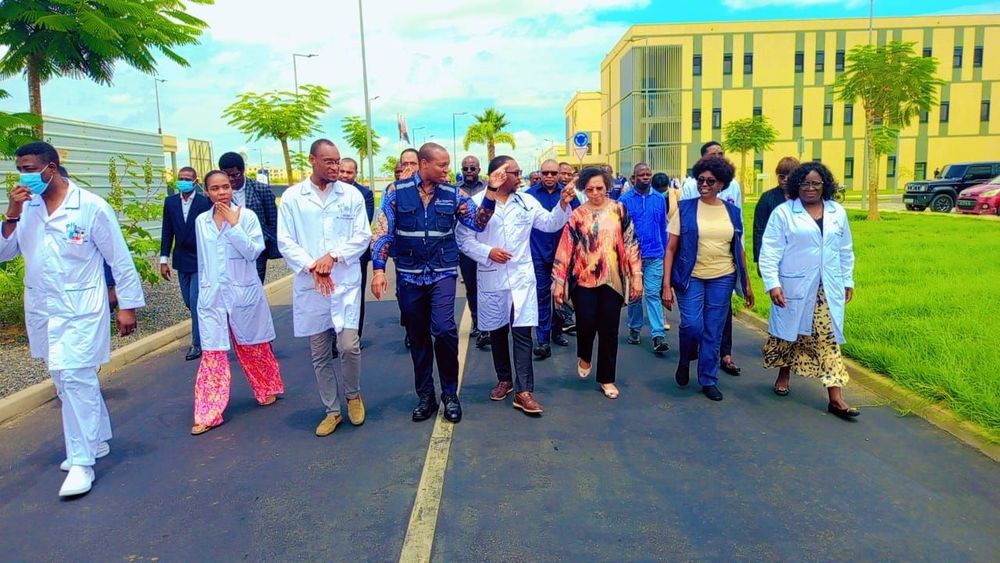
Prevention and combat measures against cholera were evaluated today, January 11, at the meeting between the Ministry of Health and representatives of the government, Provincial Directorates and Municipal Health Directorates of the country, held at the General Hospital of Cacuaco “Heróis de Kifangongo”.

The outbreak of cholera and acute diarrhea that has affected some neighborhoods in the municipalities of Catete, Cacuaco and Dande in the province of Luanda until yesterday, January 10, recorded a total of 119 cases, including 12 deaths, corresponding to a fatality rate of 10%, according to the Cholera Epidemiological Bulletin, published by the National Directorate of Public Health.

Cholera Treatment Centers (CTAs) were set up in the provinces of Luanda, Bengo and Icolo e Bengo to reinforce patient care and control the disease outbreak.

During her speech, the Minister of Health, Sílvia Lutucuta, said that the country is once again in a public health emergency situation in which everyone is called upon to make their contribution, because since January 7th the first cases of cholera have been recorded, despite the fact that in the first days of the year 2025 cases of diarrhea, a typical symptom of cholera, were recorded.

"The number of positive cases of cholera has been increasing and each case represents 20 more cases, and there may be cases of asymptomatic patients or those with mild symptoms who do not seek out health units."

According to the head of the sector, cholera kills. And it kills quickly, leading the patient to a state of severe malnutrition that is incompatible with life, so the process of social mobilization and health promotion must be one of the main causes, in addition to other measures, such as raising awareness among the population about hygiene practices, such as washing hands and sanitizing food to prevent the transmission of the disease.


https://minsa.gov.ao/web/noticias/c...edidas-de-prevencao-e-combate-contra-a-colera
 
WHO Participates in High-Level Meeting on Cholera Outbreak in Angola

image.png


11 janvier 2025

Luanda - On 11 January 2025, WHO took part in a high-level meeting convened by the Minister of Health at the General Hospital of Cacuaco to address Angola’s cholera. WHO commended the Governments actions to effectively coordinate a multisector team, timely detect and respond to the outbreak including promptly sharing information with all relevant authorities in compliance with the International Health Regulations (IHR 2005).

The outbreak has so far affected three provinces—Luanda, Icolo e Bengo, and Bengo—with 119 confirmed cases reported as of 10 January 2025. The first case was reported on 5[SUP]th[/SUP] January 2025. The high level meeting brought together high level representatives, including 3 ministers, from multiple ministries, including Education, Tourism, Energy and Water, Social Communication, Higher Education, Social Affairs, Agriculture, Environment, and Territorial Administration, as well as the CEO of EPAL, Angola’s national water company. Key health development partners such as UNICEF and the World Bank also participated.

The Ministry of Health presented a detailed response plan to tackle the outbreak, outlining strategies for containment and mitigation. WHO raised concerns about the high case fatality rate, emphasizing the need for immediate and strengthened actions at both the community and hospital levels to reduce mortality rates.

Preparedness efforts in provinces not yet affected by the outbreak were commended, while the global challenge of vaccine scarcity was highlighted. WHO noted that, with many countries currently experiencing cholera outbreaks and limited vaccine doses available in the global stockpild managed by the International Coordinating Group (ICG), it remains committed to advocating for vaccine allocations to Angola.

A feedback session followed, during which several critical issues were addressed:
  • WHO emphasized the importance of working with traditional leaders to encourage the use of oral rehydration solutions in communities, particularly for patients traveling to healthcare facilities.
  • Strengthening case management and hospital interventions was identified as an immediate priority.
  • The need for improved water and sanitation infrastructure including hygiene was highlighted, with EPAL recognized as a key player in ensuring clean water access.
Since onset of the outbreak, WHO has provided critical support, which includes assistance in risk communication and community engagement (RCCE), surveillance, case management, logistics, and documentation.

WHO reiterated their commitment together with UN and other partners in supporting the Government in ensuring the cholera outbreak is contained within the shortest possible time.

The meeting concluded with a brief field visit to the General Hospital of Cacuaco, allowing participants to assess the conditions and immediate needs on the ground.

https://www.afro.who.int/fr/node/20453
 
image.png

...
Translation Google

NEWSLETTER
OF CHOLERA
REPUBLIC OF ANGOLA
MINISTRY OF HEALTH
NATIONAL DIRECTORATE OF PUBLIC HEALTH

UPDATED: 13-01-2025, at 6pm EPIDEMIOLOGICAL WEEK: 3
...​


HIGHLIGHT COORDINATION

In the last 24 hours, 59 cases of cholera were reported, 41 in the municipality of Cacuaco and 4 in Viana, in the province of Luanda; 7 in the municipality of Sequele and 2 in Catete, in the province of Icolo e Bengo and 5 cases in the municipality of Dande, in the province of Bengo;

Of the reported cases, 19 were laboratory confirmed;

There was 1 death, out of hospital in the municipality of Viana;

9 samples of suspected cases are being processed at the INIS National Reference Laboratory, 6 from Cacuaco and 1 from Viana, in the province of Luanda, and 1 from the municipality of Catete and 1 in the municipality of Quiçama, in the province of Icolo e Bengo; By the third epidemiological week of 2025, a total of 283 cases had been recorded, with ages ranging from 2 to 73 years, of which 129 (45.6%) were male and 154 (54.4%) were female; A cumulative total of 19 deaths had been reported, of which 16 were in the municipality of Cacuaco and 2 in Viana in the province of Luanda and 1 in the municipality of Dande in the province of Bengo; 33 cases were hospitalized, 24 at the Cacuaco Municipal Hospital and 9 patients at the Héróis de Quifangondo General Hospital.
...​

https://www.afro.who.int/sites/default/files/2025-01/BOLETIM CÓLERA 6.pdf
 
Angola: 2025 Cholera

Source: https://ilkha.com/english/world/angola-battles-cholera-outbreak-32-dead-671-cases-reported-438693

1/22/2025 11:38:27 AM NEWS CENTER
Angola battles cholera outbreak: 32 dead, 671 cases reported

The Angolan Ministry of Health announced on Tuesday that a cholera outbreak has resulted in 32 deaths and a total of 671 cases across the nation since it was officially declared two weeks ago.

According to the ministry's latest data, more than 70% of the cases have been concentrated in Luanda, the capital province, with the disease now spreading to multiple provinces throughout Angola...
 
Angola: Cholera Flash Update 2 - Reporting period: 20-26 January 2025

Format Situation Report Source
Posted 28 Jan 2025 Originally published 28 Jan 2025

Attachments
EPIDEMIOLOGICAL OVERVIEW (AS OF 26 JANUARY 2025)

With the confirmation of the first case on 7 January 2025, the Ministry of Health declared an outbreak of Cholera.

TOTAL 1,081 CASES AND 45 DEATHS have been reported. Luanda province is the most affected, with 748 cases.

The first case was registered in the Cacuaco Municipality of Luanda Province, which is in a suburban area, with a population of around 1,225,220 inhabitants.

6 out of 21 provinces affected. (Bengo, Malanje, Luanda, Huila, Huambo and Icolo e Bengo). 28 out of 326 municipalities affected.

Out of the total caseload, 51% are women

https://reliefweb.int/report/angola...-update-2-reporting-period-20-26-january-2025
 
Source: https://allafrica.com/stories/202502030058.html

Angola Reports Over 1,000 Suspected Cases of Cholera
2 February 2025
Angola Press Agency (Luanda)

Luanda, Angola has recorded a cumulative total of 1,584 suspected cases of cholera in eight provinces since the first week of January, causing 59 deaths, according to the Ministry of Health's daily bulletin.

The cases were diagnosed in the provinces of Luanda, Icolo e Bengo, Bengo, Malanje, Huambo, Huíla, Cuanza-Norte and Zaire.

According to the bulletin, 1,584 cases have been reported in the provinces of Luanda (970), Bengo (351), Icolo e Bengo (250), Huambo (4), Malanje (3), Zaire (3), Huíla (2) and Cuanza-Norte (1), involving patients aged between two and 100 years.

The disease has affected 813 males and 771 females, with the most affected age group being two to five years, with 252 cases and 10 deaths, followed by the 10 to 14 age group, with 203 cases and four deaths.

Currently, 209 people are hospitalized with suspected cholera...
 
Translation Google

Angola: Number of suspected cholera cases in the country rises to 1,710

February 3, 2025
Angola Press Agency (Luanda)
By OHA/BS

Luanda — The cumulative number of suspected cholera cases in Angola has risen to 1,710 in the last 24 hours, 126 more than in the previous period.

As of Sunday morning, Angola had a cumulative total of 1,584 suspected cholera cases, reported in eight provinces, which have caused 59 deaths.

According to the bulletin of the Ministry of Health, received by ANGOP, of the 1,710 cumulative cases, 16 were registered in the province of Luanda, 422 in Bengo, 267 in Icolo e Bengo, four in Huambo, four in Malanje, four in Zaire, two in Huila and one in Cuanza-Norte.

The patients, 892 men and 818 women, range in age from two to one hundred.

The cholera outbreak in Angola began in the first week of January 2025 and has caused 59 deaths in the provinces of Luanda (37 cases), Bengo (15) and Icolo e Bengo (7).

The most affected age group is two to five year olds, with 272 cases and 10 deaths, followed by 10 to 14 year olds, with 222 cases and 4 deaths.

...

https://fr.allafrica.com/stories/202502040164.html

 
​Cholera Vaccination Campaign in Angola: Protection and Prevention for All

03 February 2025

On February 3rd and 4th, around one million people, including children and adults, will be vaccinated against cholera in Luanda, Bengo and Icolo e Bengo. The initiative, led by the Ministry of Health, has the support of The World Health Organization (WHO), the United Nations Children’s Fund (UNICEF) and the World Bank. This emergency initiative aims to control the cholera outbreak affecting the country and strengthen population protection to reduce the spread of the disease.

In addition to vaccination, the campaign will be complemented by awareness campaigns on preventive measures, such as adopting good hygiene practices and access to drinking water, which are fundamental to preventing new cases.

The commitment of the government and its partners in this response reinforces the importance of immunisation as an essential strategy for public health and the well-being of Angolans.

According to Dr Quaresma, WHO immunisation officer, the campaign aims to vaccinate as many people as possible in the most affected areas to ensure minimum coverage of at least 80% of the eligible population. This corresponds to approximately 977,800 people in the Cacuaco, Sequele and Dande municipalities.

Vaccination will occur at fixed posts in health facilities, churches, markets, schools and other strategic locations. In addition, mobile teams will go into the communities to reach those unable to travel to the vaccination posts.

Around 1,974 teams, including health professionals and community volunteers, will be deployed on the ground, under the supervision of 508 coordinators. More than 6,400 people will be involved in the operation to ensure broad coverage and campaign success.

All people who are one year of age or older, living in the areas covered should receive a dose of the oral cholera vaccine, including those who have already had the disease. A cholera vaccine is a powerful additional tool for cholera control. Vaccines complement other well-known effective measures of ensuring the use of safe water, good hygiene, adequate surveillance and prompt case management. However, vaccination alone is not enough to eradicate cholera. For effective and lasting protection, it is essential that the entire population adopts good hygiene practices, such as consuming only treated or boiled water, washing hands frequently with soap and water, ensuring that food is well cooked and disposing of sanitary waste correctly. These complementary measures are essential to prevent new outbreaks and protect the community’s health.

Cholera is a disease that can be prevented and controlled, and combining vaccination with adequate hygiene and sanitation measures is the key to overcoming this public health challenge.

Community involvement is key to the success of this campaign. Each person vaccinated contributes to collective protection, helping to contain the spread of the disease and save lives. The vaccine is safe, free and highly effective in preventing cholera. Get vaccinated, protect yourself and help your community fight this disease!

Angola is currently facing an outbreak affecting the provinces of Luanda, Bengo, Icolo e Bengo, Kwanza Norte, Zaire, Huambo, Huíla and Malanje, with a total of 1584 cases and 59 deaths recorded by February 1, 2025. Given this scenario, it is urgent to implement effective measures to contain the spread of the disease and protect the population.

Together, we can fight cholera and guarantee a safer future for all Angolans.

https://www.afro.who.int/countries/...campaign-angola-protection-and-prevention-all
 
Angola vaccinates over 1 million people as it bolsters cholera outbreak control efforts

11 February 2025

Luanda – Antonio Morais, from Paraíso neighborhood in Cacuaco, one of Luanda’s nine municipalities, has witnessed friends and neighbours succumb to cholera. So, when Morais heard about an oral cholera vaccination campaign as part of Angola’s efforts to step up outbreak control, he was first in line to receive a vaccine. “I feel relieved, as I know that vaccines save lives,” he says.

More than 1 million people have been vaccinated in the three hardest-hit provinces in a five-day campaign to complement the ongoing public health measures to halt the spread of the infectious disease.

Health facilities and other public places such as markets, churches and schools were used as vaccination posts, while mobile teams visited communities to ensure widespread reach during the 3–7 February campaign. At least 99.5% of the targeted population received the vaccine in a drive led by the Ministry of Health, with support from World Health Organization (WHO), United Nations Children's Fund (UNICEF) and World Bank.

Around 2000 teams were deployed, including health professionals and community volunteers, under the supervision of around 500 coordinators. In total, more than 6400 staff were involved in the operation, to ensure wide coverage and the success of the campaign. As they conducted vaccinations, health workers provided information on preventive measures, such good hygiene practices and promoted access to safe drinking water, which are fundamental to preventing new cases.

Together with key partners such as UNICEF, World Bank, Red Cross, and the private sector, WHO supported the Government in procuring 978 000 vaccine doses through the International Coordinating Group for Vaccine Provision, microplanning, ensuring efficient resource allocation and vaccination coverage. The joint efforts also supported training almost 2000 vaccinators to enhance their capacity to administer the vaccine safely and effectively and provided supportive supervision during the campaign.

"In this fight against cholera, we acknowledge the role of our development partners and thank them for their unwavering cooperation and support, including WHO and other partners and friends, who have been strong allies in the fight to control this disease,” says Minister of Health Dr Silvia Lutucuta.

Oral cholera vaccines are an additional tool for cholera control, complementing others such as use of safe water, good hygiene, surveillance, and early treatment. As of 11 February 2025, 3047 cases and 180 deaths had been reported in eight provinces, with a case fatality rate (CFR) of 3.4%. During cholera outbreaks, a CFR lower than 1% is commonly considered as acceptable threshold.

“WHO congratulates the government leadership and reiterates its commitment to continue supporting Angola in its response to the cholera outbreak,” says Dr Zabulon Yoti, WHO Representative in Angola. “We will continue to collaborate with other UN agencies and partners, including the private sector, to support the government in developing sustainable initiatives that guarantee prevention, response, and protection of the population against cholera and other preventable diseases.”

WHO and key partners have also supported other aspects of the cholera response in Angola, facilitating the drafting of a National Cholera Response Plan, procuring medical supplies, strengthening the capacity of health professionals, distributing water treatment solutions, implementing basic sanitation measures and community mobilization.

Back in Paraíso, Morais has encouraged everyone who is eligible to get vaccinated. “With this vaccine, I know we’ll be better protected. With the availability of drinking water and if we all comply with basic sanitation measures, our community can resume activities and live without fear,” he says.

https://www.afro.who.int/countries/...-it-bolsters-cholera-outbreak-control-efforts
 
WEEKLY BULLETIN ON OUTBREAKS
AND OTHER EMERGENCIES

Week 06: 03 - 09 February 2025
Data as reported by: 17:00; 09 February 2025

...
Angola

Cholera


3 043 cases
101 Deaths
3.3% CFR


EVENT DESCRIPTION

The cholera outbreak in Angola, officially declared by
the Ministry of Health on 7 January 2025, is continuing
to evolve rapidly, with a marked increase in the weekly
number of new cases. In epidemiological week 6 (03 –
09 February 2025), a total of 1 118 new cases with 32
deaths were reported across the country. This represents
a 42% increase in new cases compared to the previous
week, and a 39% rise in deaths (from 23 in the preceding
week).

From 31 December 2024 to 099 February 2025, a
cumulative total of 3 043 cholera cases with 101 deaths
(CFR 3.3%) have been reported from 10 provinces
across the country. The majority of the cases and deaths
are concentrated in three provinces: Luanda (1 501
cases, 46 deaths), Bengo (1 119 cases, 41 deaths), and
Icolo e Bengo (390 cases, 12 deaths), which together
account for 98.9% of the cases and 98.0% of the deaths.
Males have been disproportionately affected, accounting
for 56.0% (n=1 703) of the cases and 73.3% (n=74) of the
deaths. The highest proportions of cases and deaths are
among individuals under 20 years of age, accounting for
50.4% (n=1 534) of the total cases and 40.6% (n=41) of
the deaths. Children aged 5 years and below account
for 15.4% (n=470) of the cases and 12.9% (n=13) of the
deaths. Notably, the highest case fatality ratio (CFR) is
observed among individuals aged 50 years and above,
with a CFR of 8.8% (21/238), indicating that older adults
are at greater risk of dying from the disease. A total of 35
deaths, accounting for 35.0% of the fatalities, occurred
within the communities, outside of health facilities.

The outbreak was first detected in Cacuaco Municipality,
a densely populated suburban area of Luanda with over
1.2 million residents, before spreading to other parts of
the country. Cacuaco Municipality in Luanda Province
has been at the epicenter of the outbreak, however, in
the past week an increase in cases in the municipalities
of Dande, Barra do Dande and Panguila in the Bengo
Province has been observed. As of 09 February 2025,
more than 200 cases are admitted in designated cholera
treatment centers across the country.

The last major outbreak of cholera in Angola was reported
in 2018, involving more than 1 200 cases across several
provinces in the country.

PUBLIC HEALTH ACTIONS

Under the leadership of the Ministry of Health, Angola
has launched a multisectoral response to the cholera
outbreak, bringing together key government sectors
such as Education, Tourism, Energy and Water, Social
Communication, Agriculture, and Environment, with
support from WHO and health partners.

The national cholera response plan has been updated
and activated, focusing on enhanced surveillance,
laboratory testing, risk communication, and water,
sanitation, and hygiene (WASH) interventions to curb the
spread of the disease.

Epidemiological surveillance has been intensified, with
active case finding in affected areas. Clinicians are being
refreshed on cholera case definitions through updated
guidelines and dissemination of protocols to health
facilities in affected provinces.

While testing all suspected cases is not required, stool
samples are systematically collected from a subset of
cases as part of the outbreak sampling strategy. To date,
Vibrio cholerae, the causative agent of cholera, has been
confirmed in 289 cases through culture testing at the
National Reference Laboratory.

Risk communication and community engagement efforts
are ongoing, leveraging Community Health Development
Agents (ADECOs) to provide public awareness on
cholera prevention, early symptom recognition, and
early care-seeking behavior to reduce transmission and
fatalities.

On 27 January 2025, a batch of 948 500 doses of
Euvichol-S oral cholera vaccine (OCV) arrived in the
country. With support from WHO, UNICEF, and the World
Bank, the Ministry of Health launched a single-dose OCV
campaign on 3 February 2025, targeting one million
people aged one year and older in the provinces of
Luanda, Bengo, and Icolo e Bengo. The results of the
vaccination campaign are pending.

Environmental health measures are being implemented
to improve access to safe water, hygiene, and sanitation.
These include regular treatment of water sources,
distribution of Aquatab tablets for household water
disinfection, and environmental sanitation activities in
affected areas.

SITUATION INTERPRETATION

The rapid spread of the cholera outbreak in Angola,
coupled with the high case fatality ratio, is deeply
concerning.
While the launch of an oral cholera
vaccination campaign provides short-term relief and aims
to boost control efforts in three provinces, this strategy
alone is insufficient given the broader geographic
scope, with the outbreak already affecting 10 provinces.

The high case fatality ratio and disproportionate
mortality among older adults underscore challenges in
early detection and timely case management.
Additionally,
Angola’s ongoing rainy season (November to April) exacerbates
the situation by creating favorable conditions for
disease spread, particularly in densely populated areas
with inadequate water, sanitation, and hygiene infrastructure,
where water sources are at risk of contamination. To effectively
control the outbreak, national authorities must urgently
strengthen early detection, improve case management, and
implement comprehensive risk communication and WASH
interventions to curb ongoing transmission.

image.png - Click image for larger version  Name:	image.png Views:	1 Size:	60.5 KB ID:	1007991


https://www.afro.who.int/countries/...other-emergencies-week-06-03-09-february-2025
 
Bengo, province of Angola
​/https://en.wikipedia.org/wiki/Bengo_Province

---------------------------------------------------

Translation Google

Cholera outbreak: 105 new cases and six deaths recorded in the last 24 hours

Actions to prevent and combat cholera in the province of Bengo have been strengthened with the launch of the “Saban Juntos” project, which allows for the artisanal production of detergent to be distributed to families in different locations affected by the disease, the Minister of the Environment said on Saturday in Caxito.

Alfredo Ferreira | Bengo Journalist
Monday, February 24, 2025

Ana Paula de Carvalho, who was part of a delegation from the Minister of Health, Sílvia Lutucuta in the province of Bengo that verified the local epidemiological situation, highlighted that the initiative promoted by the Institute of Health Administration (IAS) already has more than 140 community agents, responsible for raising awareness among the population about the importance of hygiene.

The person in charge highlighted that in addition to producing artisanal soap, the project also helps to transmit the message about appropriate methods for washing hands and the correct treatment of solid waste.

“The artisanal soap produced within the scope of the project is made from the reuse of used vegetable oil, preventing its disposal into the environment and promoting hygiene habits that are essential for reducing cases of cholera,” said the minister.

The population, as he highlighted, needs to understand the risks of lack of hygiene, especially at this time when the country is facing a cholera outbreak, because with this project, it is possible to convey the prevention message effectively, ensuring that families have access to soap and learn how to produce it.

During the visit, the minister spoke again about the construction of the Waste Recovery Center in the province of Bengo, which was launched this month and will improve the work of collecting and treating waste.

According to Ana Paula de Carvalho, awareness raising work for the population to prevent cholera must be continuous, as prevention is essential to reduce cases of the disease and improve the quality of life of families.
The “Sabão Juntos” project reinforces the Executive’s response in the fight against cholera, promoting sustainable and accessible hygiene practices for the most vulnerable communities, he concluded.

Governor Maria Antônia Nelumba asks for direct contact with the communities

The provincial governor of Bengo, Maria Antónia Nelumba, defended, on Saturday, in Caxito, the need to reinforce the work of direct contact with communities so that the message about the danger of cholera reaches all families.

Speaking to the press during a visit to the areas of Bengo province most affected by the cholera outbreak, the minister highlighted that despite the reduction in the initial impact of the disease, prevention continues to be the main strategy to avoid new outbreaks.

"We have seen a large number of patients turning to treatment centers. Next week, we will redesign our plan to focus more on community work, ensuring that residents are prepared, mainly, to improve behaviors related to water treatment, cleaning the environment, building latrines, personal hygiene and waste collection," said the governor.

Maria Antónia Nelumba warned about the impact of the heavy rains being felt in the province, highlighting that the lack of adequate sanitation can contribute to the spread of cholera.

"If people do not have the habit of using latrines, the water can become contaminated, perpetuating the cycle of disease. We must increase awareness so that the population adopts habits that help promote health," he stressed.

Regarding the program to distribute water reservoirs in communities, the governor guaranteed that the initiative remains ongoing, with the installation of containers of 5, 10 and 15 thousand liters each, but recognized the limited availability of supply cisterns for all areas.

Regarding the operation of oral rehydration centers, the governor said that, at this time, there is no need to increase the number of these units and that some may be demobilized, since the majority of patients already receive adequate treatment.

"Our work now must be incisive in the community so that people do not need to resort to treatment centers. The best way to combat the disease is to prevent it from happening. This will only be possible with training, awareness and transmission of new habits that promote better health for everyone," concluded Maria Antonia Nelumba.

https://www.jornaldeangola.ao/#/not...s-casos-e-seis-óbitos--nas-últimas-24-horas--

 
Strengthening active cholera case finding in Angola

27 February 2025

Luanda – One morning in late January 2025, Julia Armando found her 68-year-old mother collapsed on the floor, suffering from severe diarrhoea and vomiting. “It’s a situation I’ve never seen before… it was a shock to see my mother lying on the floor without strength,” she says. Armando rushed her mother to the nearest cholera treatment centre, where she was treated and thankfully made a full recovery.

After her firsthand experience of the severity of cholera as Angola battles an outbreak of the disease, Armando, from the north-western Bengo province and one of the most affected by the outbreak, has become an advocate in her community. She spreads awareness of cholera symptoms and the need to report to a health facility immediately if symptoms are detected. “We need to control this dangerous disease. We can’t live well while it persists,” she says.

Julia’s experience has become more common in the three most affected provinces, namely Luanda, Bengo and Icolo e Bengo, since the cholera outbreak was confirmed in Angola on 7 January 2025.

Given the increased risk associated with onset of the rainy season, the health authorities in Angola, with support from World Health Organization (WHO) and partners, are intensifying control measures to halt the spread of the disease and end the outbreak. This includes the deployment of 20 rapid response teams in three provinces, namely Luanda, Bengo and Icolo e Bengo, to conduct active case finding in communities and strengthen the community resilience.

WHO has trained more than 120 health workers in active case finding and reporting, performing rapid infection surveys, processing data and mobilizing communities to adopt preventive measures. In Bengo province, the health authorities, with WHO’s support, have established 13 rapid response teams working daily in communities.

“WHO is supporting the government in reinforcing response teams in the communities, ensuring timely identification of affected individuals, mobilizing the community, controlling infections, and protecting the Angolan population,” says Dr Lelo Zola, WHO Emergency Officer.

In addition to active case finding, the Ministry of Health, with support from the WHO, UNICEF, the World Bank, and the International Committee of the Red Cross, conducted a reactive five-day vaccination campaign in January 2025, vaccinating more than 900 000 people. Thanks to strong community engagement and advocacy efforts, the campaign achieved a 99.5% vaccination coverage rate.

“We are all committed to ending cholera and are grateful for WHO’s support. With active cholera case finding in the community, combined with community mobilization, use of safe water, good hygiene, adequate surveillance, prompt case management and vaccination, we expect to see a reduction in cases,” says Bengo provincial health director, Domingos Golão.

Since the outbreak was confirmed, around 5000 suspected cases including 800 confirmed have been reported, with 180 deaths and a 3.6% case fatality rate (CFR). While WHO’s recommendation is that CFR should not exceed 1%, it has reduced from 9% at its peak in the second week of January 2025. As more cases are identified through active search and appropriately treated, fewer deaths are recorded.

“We must all work together ‒ government, national and international organizations, and the private sector ‒ to ensure access to treated water, timely treatment, and preventive measures, especially in the most critical and hard-to-reach areas. It is our joint responsibility to prevent further loss of life from this preventable and treatable disease,” says Dr Zabulon Yoti, WHO Representative in Angola.

https://www.afro.who.int/countries/angola/news/strengthening-active-cholera-case-finding-angola
 
Translation Google

Angola: Cholera outbreak kills more than 200 people

French.china.org.cn | Updated on 2025-03-01

The death toll from Angola's latest cholera outbreak has risen to 201, the country's health ministry said.

A total of 5,574 people have been infected since the beginning of January, the ministry said in a press release on Friday.

Cholera cases have been reported in 13 of the country's 21 provinces. The outbreak has been in the capital Luanda province, which has recorded the highest number of cases, followed by the neighbouring provinces of Bengo and Icolo e Bengo.

http://french.china.org.cn/foreign/txt/2025-03/01/content_117740430.htm
 
Source: https://medafricatimes.com/39105-angola-reports-123-new-cholera-cases-in-24-hours-raising-alarm.html


Angola Reports 123 New Cholera Cases in 24 Hours, Raising Alarm
March 5, 2025 Steven Addamah

​Angola has reported 123 new cholera cases in the last 24 hours, according to the Ministry of Health. The cases were recorded in several provinces, with Luanda reporting the highest number of infections, followed by Bengo and Icolo.
Tragically, four deaths have also been confirmed, three in Luanda and one in Bengo, further escalating concerns about the ongoing cholera outbreak.
The country’s cholera situation has been worsening since the outbreak began in early January, with a cumulative total of 5,872 cases now reported.​..
 
Translation Google

Angola: Cholera death toll exceeds 300

The death toll from the cholera epidemic in Angola rose to 313 on Thursday, with a total of 8,141 cases reported, the Angolan Ministry of Health said.

On Thursday alone, the country recorded 15 new deaths, the second-highest single-day tally since the outbreak began in January, after the 17 deaths reported on March 15.

The epidemic has persisted for more than 70 days, with daily case numbers consistently in the triple digits since March. In addition to the capital, Luanda, and previously hard-hit neighboring provinces such as Bengo, cases have increased in the provinces of Cuanza Norte and Benguela.

Speaking at a press conference in Luanda on Thursday, Health Minister Silvia Lutucuta announced that 925,026 people had been vaccinated, covering 86% of the target population.

She added that the government had set up 77 cholera treatment centers in the hardest-hit areas and 64 oral rehydration centers to deal with the crisis.

(APS)

https://al24news.com/fr/angola-le-nombre-de-morts-du-cholera-depasse-les-300/

-----------------------------------------------------

Screenshot:

image.png
https://minsa.gov.ao/​
 
WEEKLY BULLETIN ON OUTBREAKS
AND OTHER EMERGENCIES

Week 12: 17 - 23 March 2025
Data as reported by: 17:00; 23 March 2025
...
Angola
Cholera


8 543 Cases
329 Deaths
3.9% CFR


EVENT DESCRIPTION

The cholera outbreak in Angola continues to unfold,
with an increasing number of cases and widespread
geographic expansion. Since our last update in Weekly
Bulletin 7 (10–16 February 2025), the outbreak has
spread to five additional provinces, namely; Benguela,
Bié, Cabinda, Cubango, and Uíge, bringing the total
affected provinces to 15. From 17 February to 23
March 2025, a total of 4 436 cases with 182 deaths
were reported. The highest number of new cases were
recorded in Luanda (n = 2 177), Bengo (n = 899),
Cuanza Norte (n = 488), Icolo e Bengo (n = 320), and
Benguela (n = 222) provinces, accounting for 92.6%
of new infections. Most new deaths were reported from
Luanda (n = 95), Cuanza Norte (n = 38), Bengo (n = 29),
and Benguela (n = 9), constituting 94.0% of new deaths.

From 31 December 2024 to 23 March 2025, a cumulative
total of 8 543 cholera cases with 329 deaths (CFR
3.9%) have been reported from 15 provinces across the
country. The majority of the cases and deaths remain
concentrated in three provinces: Luanda (4143 cases,
154 deaths), Bengo (2485 cases, 95 deaths), Icoloe Bengo
(813 cases, 21 deaths), Cuanza Norte (490
cases, 38 deaths), Benguela (222 cases, 9 deaths), and
Malange (211 cases, 6 deaths), which together account
for 97.9% of the cases and 98.2% of the deaths.

Males are more affected, accounting for 55.3% (n=4
725) of the cases and 68.1% (n=224) of the deaths.
The highest proportions of cases are among individuals
under 20 years of age, accounting for 49.4% (n=4223)
of the total cases reported. Children aged 5 years and
below account for 15.3% (n=1303) of the cases. Of 240
deaths with known age, most (n=102, 42.5%) occurred
among those below 20 years of age. A total of 112
(34.0%) occurred within communities, outside of health
facilities.

The outbreak was first detected in Cacuaco Municipality,
a densely populated suburban area of Luanda with over
1.2 million residents, before spreading to other parts of
the country. Cacuaco Municipality in Luanda Province
has been at the epicenter of the outbreak, however, in
the past week an increase in cases in the municipalities
of Dande, Barra do Dande and Panguila in the Bengo
Province has been observed. The last major outbreak of
cholera in Angola was reported in 2018, involving more
than 1 200 cases across several provinces in the country.

PUBLIC HEALTH ACTIONS

Under the leadership of the Ministry of Health, Angola
has launched a multisectoral response to the cholera
outbreak, bringing together key government sectors
such as Education, Tourism, Energy and Water, Social
Communication, Agriculture, and Environment, with
support from WHO and health partners.

The national cholera response plan has been updated
and activated, focusing on enhanced surveillance,
laboratory testing, risk communication, and water,
sanitation, and hygiene (WASH) interventions to curb the
spread of the disease.

Epidemiological surveillance has been intensified, with
active case finding in affected areas. Clinicians are being
refreshed on cholera case definitions through updated
guidelines and dissemination of protocols to health
facilities in affected provinces.

While testing all suspected cases is not required, stool
samples are systematically collected from a subset of
cases as part of the outbreak sampling strategy.
Risk communication and community engagement efforts
are ongoing, leveraging Community Health Development
Agents (ADECOs) to provide public awareness on
cholera prevention, early symptom recognition, and
early care-seeking behavior to reduce transmission and
fatalities.

On 27 January 2025, a batch of 948 500 doses of
Euvichol-S oral cholera vaccine (OCV) arrived in the
country. With support from WHO, UNICEF, and the World
Bank, the Ministry of Health launched a single-dose
OCV campaign from 3 – 7 February 2025, targeting
more than one million people aged one year and older
in the provinces of Luanda, Bengo, and Icolo e Bengo.
The vaccination campaign reached 925 026 individuals,
achieving a coverage of 86.0% of the targeted population.
Environmental health measures are being implemented
to improve access to safe water, hygiene, and sanitation.
These include regular treatment of water sources,
distribution of Aquatab tablets for household water
disinfection, and environmental sanitation activities in
affected areas.

SITUATION INTERPRETATION

The cholera outbreak in Angola continues to escalate,
with rapid geographic spread and a high case fatality
ratio of 3.8%, significantly exceeding the typical
1% threshold seen in well-managed outbreaks. The
outbreak’s persistence suggests major gaps in water,
sanitation, and hygiene (WASH) infrastructure. The high
CFR is concerning and may indicate delayed healthcare
access, inadequate treatment services, or underlying
malnutrition and comorbidities among affected
populations.
While Angola launched a multisectoral
response, including enhanced surveillance, case
management, and risk communication, these efforts
must be scaled up. The oral cholera vaccine (OCV) campaign in February achieved an impressive 86.0% coverage
in targeted areas, likely providing short-term protection to those vaccinated, however, vaccination alone cannot stop
transmission in the absence of clean water and sanitation improvements. To curb the outbreak, immediate priorities
must include expanding WASH interventions, improving early case detection and treatment, and addressing healthcare
access barriers to reduce fatalities.

image.png - Click image for larger version  Name:	image.png Views:	1 Size:	32.4 KB ID:	1010581

...

https://www.afro.who.int/countries/...emergencies-bulletin-week-12-17-23-march-2025
 
Cholera - Angola

28 March 2025

Situation at a glance

Since January 2025, Angola has been experiencing a substantial cholera outbreak. As of 23 March 2025, a total of 8543 cases and 329 deaths (Case Fatality Rate (CFR) 3.9%) have been reported, with one-third of the deaths occurring in the community. The outbreak has rapidly spread to 16 out of Angola’s 21 provinces, affecting individuals of all age groups, with the highest burden among those under 20 years old. The Ministry of Health, with support from WHO and partners, is managing the cholera outbreak response through case detection, deployment of rapid response teams, community engagement and a vaccination campaign. Given the rapidly evolving outbreak, ongoing rainy season, and cross-border movement with neighbouring countries, WHO assesses the risk of further transmission in Angola and surrounding areas as very high.

Description of the situation


Angola reported its first cholera case in early January 2025. As of 23 March 2025, a cumulative total of 8543 cholera cases have been reported, including 329 deaths (CFR 3.9%), of which 112 (34%) occurred in the community. The CFR for hospitalised cases is 2.5%. Currently, 253 cases are hospitalized. The outbreak initially saw a rapid increase in cases, exceeding 1000 weekly cases in early February. This was followed by a decline and a plateau, with case numbers stabilizing at approximately 800 cases per week for a month. However, in the week of 23 March, cases surged again, reaching close to 1200 cases—the highest weekly count to date.

Figure 1. Number of cholera cases by epidemiological week of reporting (n=8543), as of 23 March 2025. Data source: República de Angola. Boletim de Cólera

DON_Cholera_Angola_Fig_1

The 6-14 year age group is the most affected, with 1976 cases, representing 23.1% of the total cases, followed by the 15-24 year age group with 1850 cases (21.7%), and the 25-34 year age group with 1475 cases (17.3%). Slightly over half of reported cases are male (4725; 55.3%).

Figure 2. Age-gender distribution of cholera cases (n=8543), as of 23 March 2025. Data source: República de Angola. Boletim de Cólera DON_Cholera_Angola_Fig_2

The cholera outbreak is affecting 16 (76.2%) of the 21 Angolan provinces, with the highest number of cases reported from Luanda (4143; 48.5%) and Bengo (2485; 29.1%) provinces.

Figure 3. Map of cholera cases by province (n=8543), as of 23 March 2025. Data source: República de Angola.Boletim de Cólera DON_Cholera_Angola_Fig_3
Epidemiology


Cholera is an acute diarrheal infection caused by consuming food or water contaminated with the bacterium Vibrio cholerae. It is primarily associated with poor sanitation and limited access to safe water. The disease can cause severe acute watery diarrhea, resulting in significant morbidity and mortality. The speed of spread depends on exposure levels, population vulnerability, and environmental conditions. Cholera affects both children and adults and can be fatal if left untreated.

The incubation period ranges from 12 hours to five days after consuming contaminated food or water. While most infected individuals remain asymptomatic, they can still shed the bacteria in feces for up to 10 days, potentially spreading the infection to others. Among symptomatic cases, most experience mild to moderate illness, while a smaller proportion develop severe diarrhea and vomiting, which can lead to life-threatening dehydration. However, cholera is highly treatable, with most cases successfully managed through prompt administration of Oral Rehydration Solution (ORS).

Humanitarian crises and natural disasters, such as floods, heighten the risk of cholera transmission by disrupting water and sanitation systems and forcing populations into overcrowded, unsanitary conditions. Controlling cholera outbreaks requires a multisectoral approach, combining surveillance, WASH (water, sanitation, and hygiene) interventions, social mobilization, adequate case management, and oral cholera vaccination.

Angola has faced recurrent cholera outbreaks since the 1970s, with major surges in 1987 (16 000 cases, 1460 deaths) and 2006 (over 67 000 cases, 2700 deaths). After annual outbreaks from 1987 to 1996, cholera re-emerged in 2006 following a decade-long absence. Since then, periodic outbreaks—often linked to cholera activity in the adjacent Democratic Republic of the Congo, and worsened by poor water and sanitation—have occurred, notably in 2011–2013 and 2016–2018, with peaks during the rainy season​.

Since 2021, there has been an increase in cholera cases and their geographical spread globally. Between 1 January and 23 March 2025, a total of 93 172 cases and 1197 deaths were reported across 24 countries spanning three WHO regions, with the African Region recording the highest numbers (55 622 cases from 18 countries).

Public health response


Coordination
  • The Ministry of Health, supported by international partners such as WHO, UNICEF, and others, is leading efforts to mitigate the impact of the cholera outbreak. The Ministry is actively coordinating with local and international partners to ensure an efficient response, while reinforcing the health system's capacity to manage the outbreak.
Epidemiological Surveillance and Laboratory
  • WHO has trained over 120 health workers in active case detection and reporting, rapid infection surveys, data processing, and community mobilization for preventive measures.
  • In Bengo province, WHO is supporting the deployment of 13 rapid response teams, which are working daily within affected communities to identify and respond to new cases.
  • The Ministry of Health, with WHO’s support, is enhancing the capacity of data management experts in Luanda to improve case mapping, strengthen surveillance, and enhance case detection and analysis at health units.
  • WHO is further assisting the government by reinforcing response teams to ensure the timely identification of affected individuals, support community engagement efforts, manage infection control measures, and protect the population.
Case Management
  • Cholera treatment centers (CTCs) in Bengo province are being expanded to accommodate the increasing number of cases and enhance healthcare capacity.
  • WHO is supporting case management by providing technical support, including the dissemination of treatment protocols and clinical posters.
  • WHO has facilitated comprehensive training and supervision of clinical staff working in the cholera treatment units (CTUs) and CTCs across affected provinces.
  • WHO has assisted in establishing CTCs, CTUs, and oral rehydration points (ORPs), expanding access to life-saving treatment.
Infection Prevention and Control (IPC)/Water, Hygiene, and Sanitation (WASH)
  • UNICEF is supporting WASH initiatives by distributing hygiene supplies to over 64 500 children in 63 schools, ensuring that the most vulnerable populations have access to essential resources.
  • The installation of water tanks in affected communities is helping to improve access to safe drinking water, a critical factor in controlling cholera transmission.
  • Long-term improvements to water, sanitation, and hygiene infrastructures are being prioritized to mitigate the spread of cholera and other waterborne diseases, and to ensure sustainable solutions that align with broader public health goals.
Risk Communication and Community Engagement
  • Community mobilization efforts to promote safe behaviors and increase vaccine uptake are underway, with support from religious leaders, community influencers, and local organizations.
  • The WHO, alongside local partners, is conducting awareness campaigns to educate the public about the importance of proper hand hygiene, the use of latrines, and food safety.
Vaccination
  • The Ministry of Health, with support from WHO, UNICEF, the World Bank, and the International Committee of the Red Cross, carried out a five-day reactive vaccination campaign in January 2025. Over 900 000 people were vaccinated, with a 99.5% administrative coverage rate.
  • WHO has provided logistical support and operational guidance for the vaccination campaign, ensuring the efficient distribution of vaccines and the establishment of vaccination centers in affected areas.
  • 700 000 additional doses of oral cholera vaccines arrived in country mid-March for a second reactive campaign.
Preparedness and Readiness
  • A readiness assessment will be conducted to identify preparedness and readiness gaps across all response pillars. The findings will inform the development of a comprehensive plan to strengthen systems in unaffected areas, with the ultimate aim of limiting the spread of the outbreak.
WHO risk assessment


Angola is experiencing a substantial cholera outbreak with a significant proportion of deaths occurring in the community, exacerbating cholera transmission by delaying case detection and response, hindering timely public health interventions, and increasing environmental contamination through unsafe burials. The high CFR of 3.9% highlights critical challenges, including late case presentation, gaps in surveillance and early response, inadequate healthcare capacity, and barriers to accessing life-saving treatment, particularly in underserved areas. Inadequate access to clean water and sanitation continues to leave Angola highly vulnerable to cholera outbreaks, especially in densely populated urban centers and remote rural communities. The rainy season (October-April), with its associated heavy rainfall and flooding, directly amplifies this risk by contaminating water sources and facilitating rapid cholera transmission. Flood-prone provinces like Bengo face a heightened risk of further spread as the season progresses.

Angola shares borders with the Democratic Republic of Congo and Zambia, both currently experiencing cholera outbreaks. Frequent population movement between Angola and surrounding countries heightens the risk of cross-border transmission, particularly in high-mobility areas like Luanda.

Given the ongoing outbreak, the rainy season, and Angola’s proximity to cholera-affected countries, the risk of further spread within Angola and to neighboring countries is considered very high. Cholera transmission may escalate without effective public health measures, including WASH improvements, and vaccination campaigns. The risk remains elevated nationally and regionally due to the interconnectedness of populations and the seasonal conditions that facilitate the spread of waterborne diseases.


WHO advice

A multi-pronged approach is essential to combat cholera and reduce mortality. The key measures to address cholera include strengthening surveillance systems, improving water supply, sanitation, and hygiene, promoting risk communication and community engagement, providing effective treatment, and using OCV. Countries affected by cholera are encouraged to enhance their national preparedness and surveillance capabilities to rapidly detect and respond to potential outbreaks.

WHO emphasizes the importance of timely and proper case management, ensuring access to safe drinking water, and improving sanitation infrastructure. Effective infection prevention and control measures are critical to reducing transmission of cholera and other pathogens that can cause health care-associated infections in facilities caring for patients with cholera. WHO recommends risk communication and community engagement interventions to build trust and empower communities with evidence-based information, enabling them to make informed decisions to protect their health.

Promoting preventive hygiene practices and food safety in communities is one of the most effective strategies to control cholera. Public health risk communication is vital to ensure that communities understand the importance of hygiene, safe food practices, and the use of oral rehydration solutions (ORS). Rapid access to ORS is essential, especially in rural areas where larger health centers may not be easily accessible. Educating communities on how to prepare ORS at home, along with emphasizing the importance of staying hydrated while seeking medical care, can significantly reduce the risk of severe outcomes. With timely care, the case fatality rate can be kept below 1%.

Long-term measures, such as improving water and sanitation infrastructure in cholera-prone areas, are critical for preventing cholera and other waterborne diseases. Sustainable solutions for clean water, sanitation, and hygiene are not only crucial for controlling cholera but also contribute to broader public health goals such as poverty reduction and education. Community involvement in planning and implementing these solutions is key to ensuring long-term success.

OCV campaigns are an important tool for controlling cholera outbreaks. When used alongside improvements in water and sanitation, OCV can help prevent the spread of cholera, particularly in high-risk areas. Strong risk communication efforts are needed to manage vaccine demand, inform communities about vaccine schedules, and build trust regarding the vaccine’s safety and efficacy.

WHO recommends that countries strengthen surveillance, particularly at the community level, for early detection of suspected cases and to prevent the spread of cholera. Cooperation between neighboring countries is crucial to control outbreaks, especially in regions with high cross-border movement. Strengthening these efforts will enable affected countries to effectively control and prevent cholera outbreaks, improving public health outcomes.

WHO does not recommend travel or trade restrictions to and from Angola due to the cholera outbreak.​

...

https://www.who.int/emergencies/disease-outbreak-news/item/2025-DON562
 
Back
Top