• FluTrackers.com Inc. does not provide medical advice. Information on this web site is collected from various internet resources, and the FluTrackers board of directors makes no warranty to the safety, efficacy, correctness or completeness of the information posted on this site by any author or poster. The information collated here is for instructional and/or discussion purposes only and is NOT intended to diagnose or treat any disease, illness, or other medical condition. Every individual reader or poster should seek advice from their personal physician/healthcare practitioner before considering or using any interventions that are discussed on this website. By continuing to access this website you agree to consult your personal physican before using any interventions posted on this website, and you agree to hold harmless FluTrackers.com Inc., the board of directors, the members, and all authors and posters for any effects from use of any medication, supplement, vitamin or other substance, device, intervention, etc. mentioned in posts on this website, or other internet venues referenced in posts on this website.
  • We are not asking for any donations. Do not donate to any entity who says they are raising funds for us.

Africa - Chad reports Chikungunya outbreak - 30,000+ cases

Gert van der Hoek

In Memoriam - Editor, Senior Moderator
Chad: a mass distribution of impregnated mosquito nets "in the coming days" in Ab?ch?

sept 3, 2020

According to the regional health delegate of Ouadda?, Dr Abdelmamout Chene, the city of Ab?ch? recorded from August 14 to Wednesday September 3 13,438 cases of Chikungunya.

This figure takes into account all the patients received in the 9 health centers and the provincial hospital in Ab?ch?. For the moment, the health delegation has not recorded any case of death.


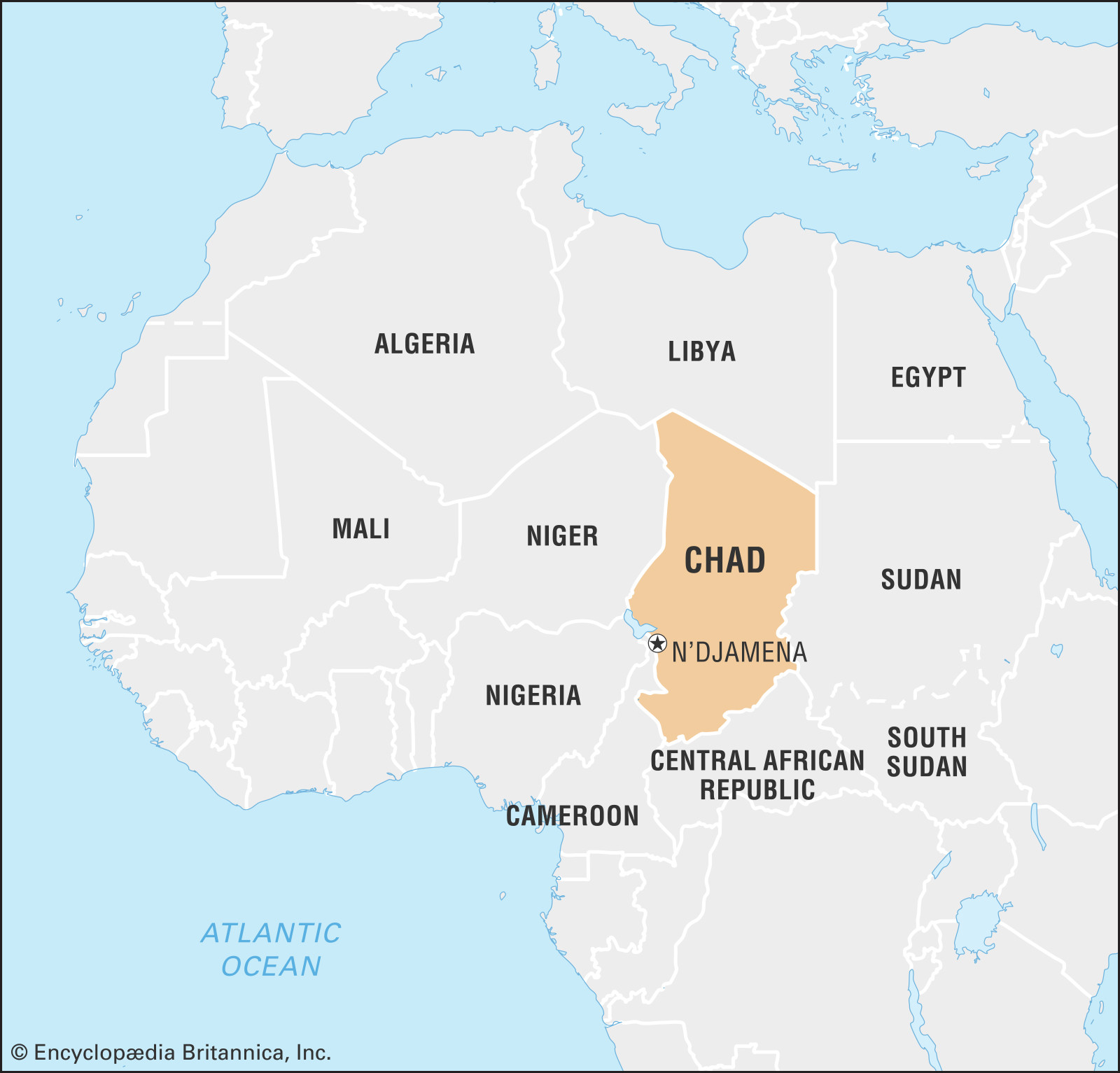
World-Data-Locator-Map-Chad.jpg
 
WEEKLY BULLETIN ON OUTBREAKS
AND OTHER EMERGENCIES
Week 36: 31 August - 6 September 2020
Data as reported by: 17:00; 6 September 2020
...
Chikungunya Chad
10 631 Cases
0 Deaths


EVENT DESCRIPTION

The Chief Physician of the District of Ab?ch?, bordering Sudan, was
alerted to cases of high fever, headache, vomiting and severe, disabling
joint pain, with one third of patients developing maculopapular rashes,
an illness locally nicknamed Kourgnal?, which had started in early April
2020. Between 30 March and 9 August 2020, more than 2 420 cases
were seen in urban health centres and 243 patients were surveyed in
138 households. A total of 13 samples were taken, including 11 that
were positive for chikungunya, confirmed by the mobile laboratory
in Ndjamena, five of which were reconfirmed by the Institut Pasteur,
Yauond?, Cameroon.

As of 31 August 2020, a total of 10 631 cases has been reported with no
deaths. The age group most affected are those aged more than 15 years,
with more females than males infected. The health districts of Djatinie
(1 375; 13%) and Kamina (1 163; 11%) reported the most cases, with
4014 (37%) of cases reported from the regional hospital.

PUBLIC HEALTH ACTIONS

Regular national coordination meetings were held, and a
coordination committee was established, which meets daily,
composed of administrative and health authorities, local elected
officials and partners.

A mission team was deployed by the Ministry of Health made up
of an infectious disease specialist, a laboratory technician and an
entomologist.

A contingency plan was developed and is being finalized.

A general information meeting was held for mayors and delegates
of various provincial departments.

WHO has provided technical support for case investigation since
the first alert, setting up line lists and a database, as well as support
for the collection and transport of samples to Ndjamena and
Cameroon.

Nine managers of urban health centres have been oriented on the
chikungunya case definition, prevention and case management.
Data are collected and analysed daily for situation reports.

Active case search is taking place in health facilities and households.
Risk communication and community engagement on modes of
transmission and prevention is ongoing through radio programmes.
Medicines, consumables and mosquito nets are being provided and
a treatment protocol has been drawn up for health centre managers.
Free patient care is being offered.

Vector control is ongoing, with 377 households sprayed and urban
areas fumigated.

SITUATION INTERPRETATION

The rapid rise in cases of chikungunya in this urban area of Chad is of
concern, suggesting a heavy vector load.
There are known challenges
around environmental sanitation and hygiene, as well as sanitation
in households, with inadequate facilities and vector breeding sites.
Community engagement around modes of transmission and the
importance of emptying all water containers needs to be strengthened,
as do prevention and infection control activities. Response activities
need to be supervised to ensure spraying of all known vector sites and
disinfection of the whole city of Ab?ch?. National and local authorities
and partners need to urgently upgrade response activities to prevent a
larger outbreak and spread beyond current geographical areas.

https://apps.who.int/iris/bitstream/handle/10665/334185/OEW36-310806092020.pdf

 
Chad: at least 18,788 cases of Chikungunya notified

September 12, 2020

From August 14 to September 10, 2020, the epidemiological situation of Chikungunya disease reports 18,788 cases in health structures, with zero deaths, informs Faroukh Mahamat Doutoum, head of the integrated epidemiological surveillance of Ouadda?.

According to him, "apart from these cases notified to the official structures, there are community cases which do not appear in our health facilities. These cases are numerous. For the moment, we do not control them."

Globally, women are much more affected by the disease with 10,407 cases, while 8,341 men have been affected.
 
Chad - Chikungunya: a response plan of 5.3 billion CFA francs, more than 24,000 cases

- September 19, 2020

A response plan against Chikungunya disease has been validated and disseminated for an amount of 5,397,199,014 Fcfa, according to the Minister of Public Health and National Solidarity, Dr. Abdoulaye Saber Fadoul.

From August 14 to September 16, 24,035 cases were recorded with zero deaths. The cases are listed in Ab?ch? (22,050), Biltine (1984) and Abdi (1 case).

Patient care is free.

Public health actions are carried out in Ab?ch?, Abdi and Biltine. These include in particular anti-vector control by intra- and extra-domiciliary spraying; mass distribution of mosquito nets (LLINs), staff training and increased awareness; more than 296 vehicles and transport buses were disinfected on the various axes leaving from Ab?ch?; sanitation and spraying of public places were also carried out.

Chikungunya was detected on August 12, 2020 by the N'Djamena mobile laboratory and confirmed on August 26, 2020 by the Institut Pasteur in Yaound?.
 
Source: https://www.who.int/csr/don/24-september-2020-chikungunya-chad/en/

Chikungunya – Chad


Disease outbreak news
24 September 2020


From July through 20 September 2020, a total of 27 540 cases were reported in three provinces, distributed as follows: 24 302 cases in the health district of Ab?ch?, 3237 cases in the health district of Biltine, and one case in the health district of Abdi. One death has been reported to date in district of Ab?ch?. After a few hours of treatment in a health facility, patients continue with outpatient treatment. The most affected age group are those aged 15 years and over. More than three-quarters of cases developed a high fever, headache, and joint pain, while one-third developed maculopapular rashes.

In July 2020 health authorities were alerted to the occurrence of a disease-causing high fever, headache, intense and disabling joint pain, and sometimes associated with vomiting. It was eventually determined to be the chikungunya virus once it was confirmed in a 63-year-old female farmer. She had no reported travel outside of Ab?ch? district. A total of 13 samples from Ab?ch? district, Ouaddai Province, were sent for analysis at the N'Djamena mobile laboratory on 12 August 2020 and 11 samples tested positive for chikungunya virus.

The test results were corroborated by the Pasteur laboratory in Yaound?, Cameroon (a WHO reference laboratory), with five samples sent for quality control found positive for chikungunya virus by reverse transcriptase-polymerase chain reaction (RT-PCR). The samples were also tested for other arboviruses (dengue and Zika), but not for the O'nyong-nyong virus or the yellow fever virus.

Regarding the vectors and environmental context, Aedes mosquitoes, which transmit the disease, are found in Ab?ch? district. Dry season should begin in October with a hot semi-arid climate less favourable for mosquitoes. Other entomological studies are underway in the provinces of Wadi-Fira and Sila to determine the presence of the vector responsible for the disease.

Ab?ch? is the fourth largest city in Chad and is the hub for the delivery of humanitarian assistance for approximately 240 000 Darfurian refugees living in 12 camps east of the town, in the border region of Sudan.
Public health response
  • Teams from the Ministry of Health and National Solidarity, WHO, Red Cross, and the local municipality are currently deployed to perform disinfection and larvae breeding site destruction in the provinces with cases, and to conduct awareness raising campaigns;
  • A response plan is currently being validated with the support of WHO and partners of the Health Cluster;
  • Several coordination meetings have been held, including: the national coordination for the fight against epidemics; and three meetings under the direction of the Provincial Health Delegate: The Provincial Committee of Ouaddai; the Provincial Committee of Wadi-Fira; and the Provincial Committee of Sila;
  • Delivery of medicines and consumables to reinforce medical care;
  • Case investigation and active case finding in health care structures and in households;
  • Collection, analysis and daily transmission of data and preparation of a situation report;
  • Community awareness on disease prevention implemented in the department of Abougoudam;
  • Sensitization of the population by community relays through radio channels;
  • Continuation of free treatment for patients in health structures;
  • Disinsection of all vehicles and transport buses on the Ab?ch?-N’Djam?na axis and other transport cars on the Ab?ch?-Oum Hadjer axis are processed daily;
  • Fumigation disinsection operations carried out with the support of the local municipality of Ab?ch?
  • Some challenges remain: vector control, social mobilization and risk communication
WHO risk assessment


Chikungunya is an arboviral disease transmitted to humans by the bites of infected Aedes mosquitoes. The disease is characterized by an abrupt onset of fever frequently accompanied by joint pain and inflammation which is often very debilitating and may last for several months, or even years. Fatalities associated with infection can occur but are typically rare and most reported in older adults with underlying medical conditions or perinatally-infected infants. Some patients might have a relapse of rheumatologic symptoms (e.g. polyarthralgia, polyarthritis, and tenosynovitis) in the months following acute illness.

There is no specific antiviral treatment or commercially available vaccine for chikungunya. Chikungunya virus can cause large outbreaks with high attack rates, affecting one-third to three-quarters of the population in areas where the virus is circulating, and therefore potentially leading to the overburdening of the health care sector. The risk at national level is moderate due to the high number of cases reported in a short period of time, the presence of Aedes vectors in the country, and the fact that this is the first outbreak in the country. It has been demonstrated in the past in other parts of the world that the virus has a strong epidemic potential in the regions where the population is naive to chikungunya virus. As the dry season is approaching in early October with a hot semi-arid climate less favourable for mosquito proliferation, the risk at regional and global levels is lower. With the added burden of the COVID-19 pandemic on the health system and health workers, there is a risk of disruption to health care access. There may also be decreased demand because of physical distancing requirements or community reluctance. In the current context, the capacity of the local laboratories and national reference laboratories to process samples (due to the high demand in processing COVID-19 samples) and a further increase in the number of cases likely to occur, this could potentially lead to a significant strain on health services. In Chad, from 19 March through 16 September 2020, there have been 1 090 confirmed cases of COVID-19 with 81 deaths.
WHO advice


Clothing which minimizes skin exposure to the day-biting vectors is advised. Repellents can be applied to exposed skin or to clothing in strict accordance with product label instructions. Repellents should contain DEET (N, N-diethyl-3-methylbenzamide), IR3535 (3-[N-acetyl-N-butyl]-aminopropionic acid ethyl ester) or icaridin (1-piperidinecarboxylic acid, 2-(2-hydroxyethyl)-1-methylpropylester). Sleep under a mosquito bed net (during day time) and use air conditioning or window screens to prevent mosquito bites. Mosquito coils or other insecticide vaporizers may also reduce indoor biting.

The Aedes albopictus species thrives in a wide range of water-filled containers, including tree-holes and rock pools, in addition to artificial containers such as unused vehicle tires, saucers beneath plant pots, rain water barrels, cisterns and catch basins. Aedes aegypti also breeds in the artificial water holding containers in and around houses and places of work. Prevention and control rely heavily on reducing the number of these natural and artificial water-filled container habitats that support breeding of the mosquitoes. This requires mobilization of affected communities, strengthening entomological monitoring to assess impact of control measures and implementation of additional control as and when needed. During outbreaks, indoor spraying with insecticides may be used to kill flying mosquitoes along with source reduction measures and larvicides to kill the immature larvae. National blood services/authorities should monitor epidemiological information and strengthen haemovigilance to identify any potential transfusion-transmission of chikungunya virus. Appropriate safety precautions in line with measures taken to prevent other transfusion-transmitted mosquito-borne viruses should be taken based on the epidemiological situation and risk assessment[SUP]1[/SUP].

Further activities include: the dissemination of chikungunya clinical guidelines, including key messages; updated training for clinicians of the clinical diagnosis of chikungunya; case reporting; and case management during the acute phase, sub-acute, chronic phase, and when there are complications. Ensuring free access to treatments and avoiding self-medication are also important actions.


[SUP]1[/SUP] http://www.who.int/bloodsafety/publications/guide_selection_assessing_suitability.pdf

[SUP]2[/SUP] Int. J. Environ. Res. Public Health 2018, 15, 220; doi:10.3390/ijerph15020220


For more information:
 
WEEKLY BULLETIN ON OUTBREAKS
AND OTHER EMERGENCIES
Week 39: 21 - 27 September 2020
Data as reported by: 17:00; 27 September 2020

...
Chikungunya Chad

30 220 Cases
1 Deaths
1.8% CFR


EVENT DESCRIPTION

Since the declaration of the outbreak of chikungunya in August 2020,
with the first confirmed sample on 26 August 2020, the cumulative
number of cases has increased, although with a declining trend in daily
new cases, with spread from the city of Ab?ch?, Ouaddai Province, to
Biltine, Wadi Fira Province and Abdi and Gozbeida, Sila Province.
Since our last report (Weekly Bulletin 38), a further 5 362 cases have
been reported, with one death recorded in Kamina Health Centre,
Ab?ch?. As of 24 September 2020, there is a total of 30 220 cases, with
one death. In the 24 hours prior to 24 September 2020, a total of 551
cases were reported with zero deaths. Most, 415 cases, were reported
from Ab?ch? health district, 133 in the Biltine health district and three
cases in the Gozbeida health district. A total of 11 samples from the
Ab?ch? Health District tested positive, with seven positive samples from
Biltine Health District, three from Gozbeida and one from Abdi health
districts, all of whom were originally from Ab?ch?.

The age group most affected is that more than 15 years and females are
predominantly affected, accounting for 16 337 (54%) cases. The one
death was in a male aged 25 years, with a history of sickle cell disease
and asthma.

Entomological investigations around 243 patients in 138 households
found the presence of Aedes aegypti mosquitoes, a known vector
species for chikunguya.

PUBLIC HEALTH ACTIONS

Daily national coordination meetings continue, composed of
administrative and health authorities, local elected officials and
partners.

A team from central level are conducting an entomological survey
in Biltine.

Medication for the supportive treatment of chikungunya has been
shipped to Biltine district.

Local coordination is underway in Ouaddi, Wadi Fira and Sila
provinces under provincial health authorities.

Active case finding and case investigation continues, with the
database and line list updated regularly, and incorporated into a
daily situation report.

Risk communication and community engagement includes
continued sensitization of the population by community relays and
through local radio stations.

Free patient care continues.

Vector control operations are continuing in the cities of Ab?ch?,
Biltine and Abdi, with intra and extra-domiciliary spraying with
environmental sanitation and home hygiene.

SITUATION INTERPRETATION

Cases of chikungunya are continuing to rise, with further geographical
spread, although at a declining rate. The one death so far was in an
individual with major comorbidities. Challenges include a deficit in
the availability of free medication, which was based on an estimate of
20 000 cases, which has been exceeded and there is also inadequate
reporting of complications of the disease. Low availability of longlasting
insecticidal bed nets (LLINs), insufficient attention to risk
communication and community engagement, suboptimal notification
and investigation of complicated cases and lack of knowledge of the
disease among health workers continue.
These challenges need urgently
to be addressed by national and local authorities, with reinforcement
of vector control measures and attention to a One Health approach,
accelerated distribution of LLINs in the newly affected provinces and
validation and dissemination of the chikungunya response plan, as well
as providing supervision of response activities.


https://apps.who.int/iris/bitstream/handle/10665/335723/OEW39-2127092020.pdf
 
Back
Top