WEEKLY BULLETIN ON OUTBREAKS
AND OTHER EMERGENCIES
Week 36: 31 August - 6 September 2020
Data as reported by: 17:00; 6 September 2020
...
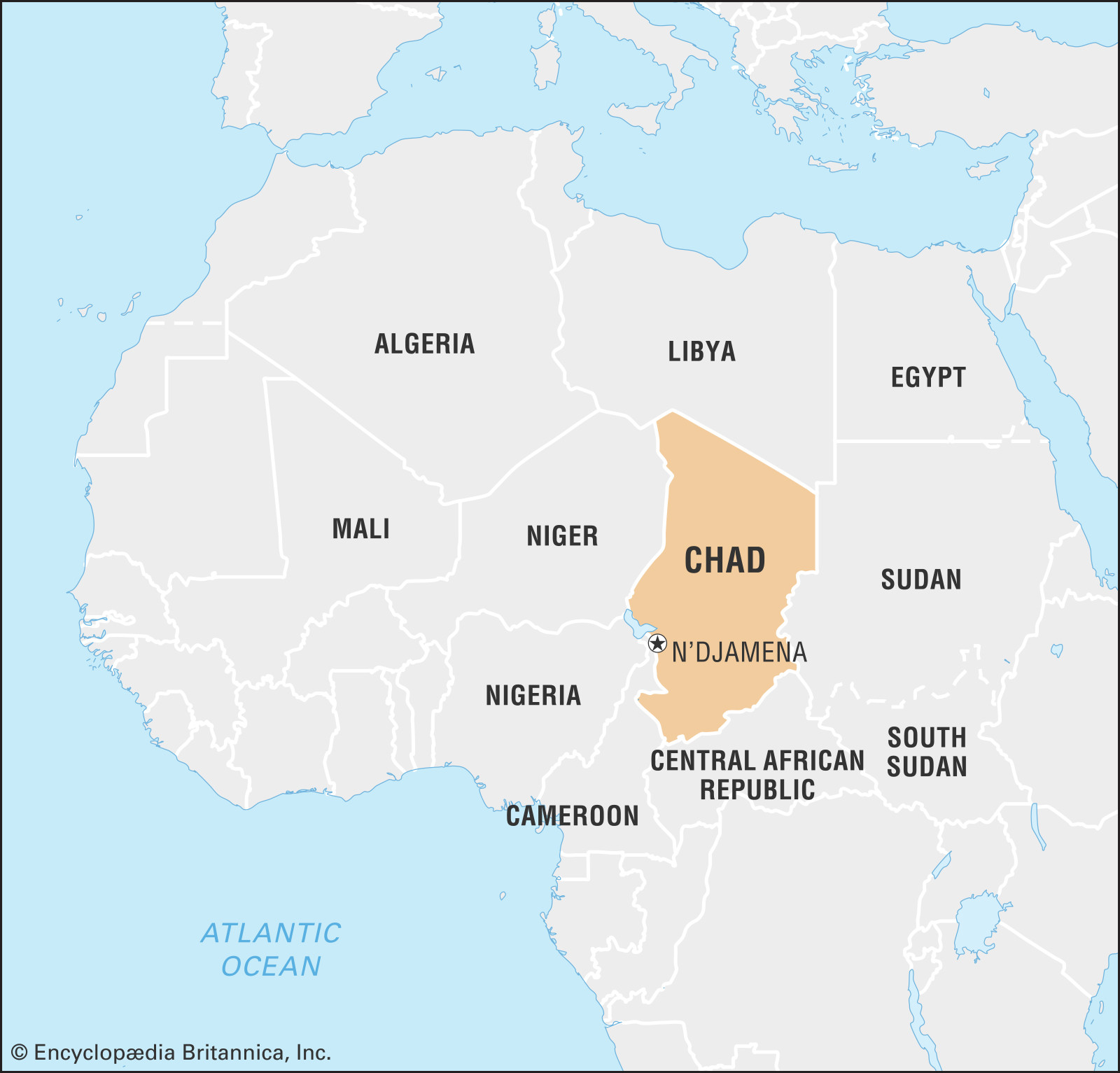
Chikungunya Chad
10 631 Cases
0 Deaths
EVENT DESCRIPTION
The Chief Physician of the District of Ab?ch?, bordering Sudan, was
alerted to cases of high fever, headache, vomiting and severe, disabling
joint pain, with one third of patients developing maculopapular rashes,
an illness locally nicknamed Kourgnal?, which had started in early April
2020. Between 30 March and 9 August 2020, more than 2 420 cases
were seen in urban health centres and 243 patients were surveyed in
138 households. A total of 13 samples were taken, including 11 that
were positive for chikungunya, confirmed by the mobile laboratory
in Ndjamena, five of which were reconfirmed by the Institut Pasteur,
Yauond?, Cameroon.
As of 31 August 2020, a total of 10 631 cases has been reported with no
deaths. The age group most affected are those aged more than 15 years,
with more females than males infected. The health districts of Djatinie
(1 375; 13%) and Kamina (1 163; 11%) reported the most cases, with
4014 (37%) of cases reported from the regional hospital.
PUBLIC HEALTH ACTIONS
Regular national coordination meetings were held, and a
coordination committee was established, which meets daily,
composed of administrative and health authorities, local elected
officials and partners.
A mission team was deployed by the Ministry of Health made up
of an infectious disease specialist, a laboratory technician and an
entomologist.
A contingency plan was developed and is being finalized.
A general information meeting was held for mayors and delegates
of various provincial departments.
WHO has provided technical support for case investigation since
the first alert, setting up line lists and a database, as well as support
for the collection and transport of samples to Ndjamena and
Cameroon.
Nine managers of urban health centres have been oriented on the
chikungunya case definition, prevention and case management.
Data are collected and analysed daily for situation reports.
Active case search is taking place in health facilities and households.
Risk communication and community engagement on modes of
transmission and prevention is ongoing through radio programmes.
Medicines, consumables and mosquito nets are being provided and
a treatment protocol has been drawn up for health centre managers.
Free patient care is being offered.
Vector control is ongoing, with 377 households sprayed and urban
areas fumigated.
SITUATION INTERPRETATION
The rapid rise in cases of chikungunya in this urban area of Chad is of
concern, suggesting a heavy vector load. There are known challenges
around environmental sanitation and hygiene, as well as sanitation
in households, with inadequate facilities and vector breeding sites.
Community engagement around modes of transmission and the
importance of emptying all water containers needs to be strengthened,
as do prevention and infection control activities. Response activities
need to be supervised to ensure spraying of all known vector sites and
disinfection of the whole city of Ab?ch?. National and local authorities
and partners need to urgently upgrade response activities to prevent a
larger outbreak and spread beyond current geographical areas.
https://apps.who.int/iris/bitstream/handle/10665/334185/OEW36-310806092020.pdf