

Pathfinder
Editor, Senior Moderator
News / Press Releases
Mpox Still a Continental Emergency, Africa CDC Advisory Group Recommends
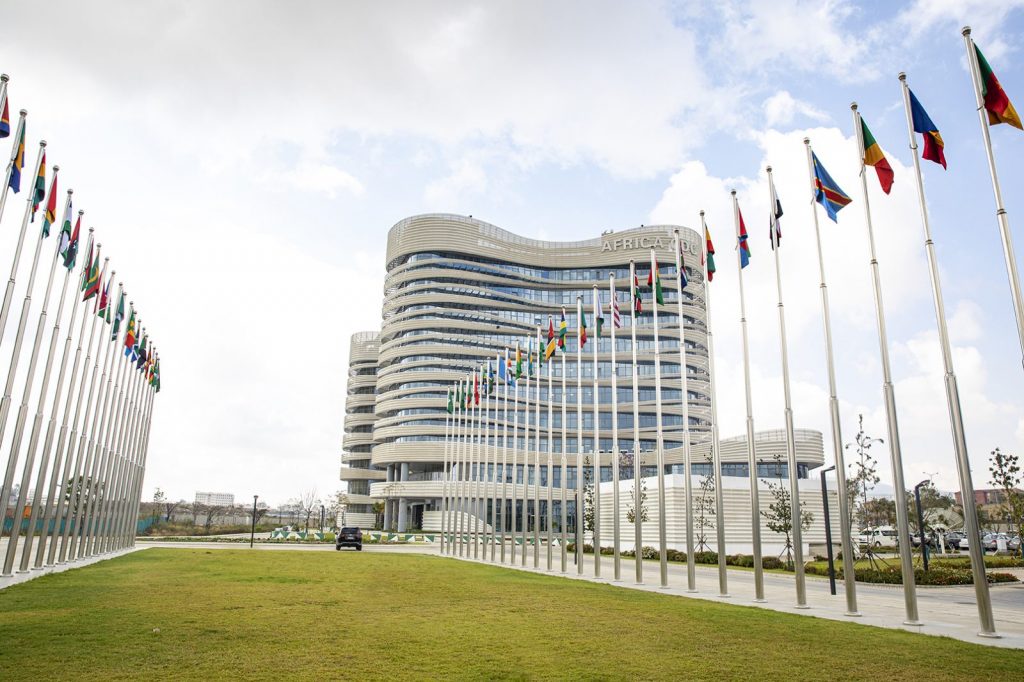 Addis Ababa, Ethiopia | 4 September 2025 — The Emergency Consultative Group (ECG), which advises the Director General of the Africa Centres for Disease Control and Prevention (Africa CDC) on mpox, has urged that the Public Health Emergency of Continental Security (PHECS) remain in place.
Meeting on 2 September 2025 to review the outbreak and assess whether the emergency status should be lifted, the Group concluded that maintaining the declaration is essential to preserve political will, mobilise resources, and keepcountries on high alert. Members warned that lifting the status prematurely could trigger complacency, reduce funding, and increase the risk of resurgence.
The Group’s recommendation followed a detailed review of the mpox situation. Weekly confirmed cases declined by 52 per cent between weeks 17–22 and weeks 27–32 of 2025. Yet, surges emerged in Ghana, Liberia, Kenya, Zambia, and Tanzania, with fresh introductions of the virus reported in Malawi, Ethiopia, Senegal, Togo, The Gambia, and Mozambique.
Ethiopia and the Central African Republic reported infant deaths, while several countries — including Sierra Leone, Congo, Malawi, Zambia, Kenya, CAR, Ethiopia, South Africa, and Cameroon — continued to register case fatality rates above one per cent. The overall continental case fatality rate stood at 0.5 per cent.
Testing coverage improved significantly, rising from 30 per cent in late 2024 to 59 per cent by mid-2025. Burundi was highlighted as a success story for decentralising diagnostics. More than 1.01 million vaccine doses reached 921,000 people across 12 countries, though regulatory approval for vaccinating children under 12 remains absent in many high-burden settings despite paediatric cases.
The ECG also expressed concern over reduced international support, including the withdrawal of programmes such as PEPFAR. This shift leaves people living with HIV — among the most vulnerable to severe illness and death — at increased risk. Weaknesses in surveillance persist, as poor sample collection, preservation, and transport undermineeffective response. In the Democratic Republic of the Congo, transport system collapse has prevented timely testing and follow-up.
To address these challenges, the ECG recommended strengthening sample collection and referral systems, including the use of community-based surveillance and wastewater monitoring as early warning tools. The Group also called for more rigorous investigation of mpox-related deaths, particularly among children, and for expanding vaccine access to under-12s in high-risk countries.
It further advised maintaining strong continental coordination, integrating the mpox response with other ongoing health emergencies such as cholera and circulating vaccine-derived polioviruses, and developing a scalable, tiered alert system to sustain vigilance without relying solely on a binary emergency declaration.
The PHECS was first declared on 13 August 2024, and the ECG has met regularly since then to provide technical advice on the evolving outbreak. While acknowledging progress in surveillance, laboratory capacity, and vaccination, the Group stressed that the current downward trends are not yet stable enough to justify lifting the emergency.
The unanimous decision underscores both the fragility of recent gains and the need to sustain Africa’s collective momentum until mpox is under durable control.
###
https://africacdc.org/news-item/mpo...ergency-africa-cdc-advisory-group-recommends/
Mpox Still a Continental Emergency, Africa CDC Advisory Group Recommends
Meeting on 2 September 2025 to review the outbreak and assess whether the emergency status should be lifted, the Group concluded that maintaining the declaration is essential to preserve political will, mobilise resources, and keepcountries on high alert. Members warned that lifting the status prematurely could trigger complacency, reduce funding, and increase the risk of resurgence.
The Group’s recommendation followed a detailed review of the mpox situation. Weekly confirmed cases declined by 52 per cent between weeks 17–22 and weeks 27–32 of 2025. Yet, surges emerged in Ghana, Liberia, Kenya, Zambia, and Tanzania, with fresh introductions of the virus reported in Malawi, Ethiopia, Senegal, Togo, The Gambia, and Mozambique.
Ethiopia and the Central African Republic reported infant deaths, while several countries — including Sierra Leone, Congo, Malawi, Zambia, Kenya, CAR, Ethiopia, South Africa, and Cameroon — continued to register case fatality rates above one per cent. The overall continental case fatality rate stood at 0.5 per cent.
Testing coverage improved significantly, rising from 30 per cent in late 2024 to 59 per cent by mid-2025. Burundi was highlighted as a success story for decentralising diagnostics. More than 1.01 million vaccine doses reached 921,000 people across 12 countries, though regulatory approval for vaccinating children under 12 remains absent in many high-burden settings despite paediatric cases.
The ECG also expressed concern over reduced international support, including the withdrawal of programmes such as PEPFAR. This shift leaves people living with HIV — among the most vulnerable to severe illness and death — at increased risk. Weaknesses in surveillance persist, as poor sample collection, preservation, and transport undermineeffective response. In the Democratic Republic of the Congo, transport system collapse has prevented timely testing and follow-up.
To address these challenges, the ECG recommended strengthening sample collection and referral systems, including the use of community-based surveillance and wastewater monitoring as early warning tools. The Group also called for more rigorous investigation of mpox-related deaths, particularly among children, and for expanding vaccine access to under-12s in high-risk countries.
It further advised maintaining strong continental coordination, integrating the mpox response with other ongoing health emergencies such as cholera and circulating vaccine-derived polioviruses, and developing a scalable, tiered alert system to sustain vigilance without relying solely on a binary emergency declaration.
The PHECS was first declared on 13 August 2024, and the ECG has met regularly since then to provide technical advice on the evolving outbreak. While acknowledging progress in surveillance, laboratory capacity, and vaccination, the Group stressed that the current downward trends are not yet stable enough to justify lifting the emergency.
The unanimous decision underscores both the fragility of recent gains and the need to sustain Africa’s collective momentum until mpox is under durable control.
###
https://africacdc.org/news-item/mpo...ergency-africa-cdc-advisory-group-recommends/