

sharon sanders
Editor-in-Chief & President
Tuesday, September 09, 2008
Bird Flu Resurfaces In Togo Poultry
# 2289
http://afludiary.blogspot.com/2008_09_01_archive.html
UPDATED ( see bottom)
<small> </small>
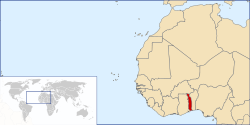
While the strain of bird flu in this outbreak has not been identified, last year (June 2007), Togo reported H5N1 outbreaks at a number of farms at Aneho, near the border with Benin.
Togo says bird flu hits poultry farm
Originally published 06:18 p.m., September 9, 2008
LOME, TOGO (AP) - An outbreak of bird flu has been confirmed in the West African nation of Togo for the first time since last year, the Health Ministry said Tuesday.
The virus was detected at a poultry farm housing more than 4,500 birds in the village of Agbata outside the capital, Lome, said a ministry statement read over state television. It was not known how many birds died, but more than 80 per cent of those infected by the flu were fatalities, the ministry said.
The statement did not say whether the birds were infected with the deadly H5N1 strain of the virus, which has scientists concerned because it has the potential to infect humans. At least 235 people have died of bird flu worldwide since 2003, according to the World Health Organization.
Most human cases have been linked to contact with infected birds, but health experts worry the virus could mutate into a form that passes easily among humans, sparking a pandemic that some say could kill millions of people and overload health care systems.
The Health Ministry banned the sale of all chicken and poultry products in the region around the farm.
UPDATE
This morning Reuters adds details with information on the quarantining of the village where these bird deaths occurred.
Togo quarantines village in suspected bird flu case
Wed 10 Sep 2008, 10:44 GMT
LOME (Reuters) - Togo has imposed a quarantine on a southern village after a suspected outbreak of bird flu killed nearly 4,000 poultry in the small West African state, the government said on Wednesday.
The government's website said the sudden death of the birds at Gbata near Avepozo in the coastal Lacs prefecture indicated a possible outbreak of bird flu.
Samples from the dead chickens were being sent to laboratories in Ghana and Italy to test for the highly pathogenic H5N1 strain of the disease, the website added.
Posted by FLA_MEDIC at http://afludiary.blogspot.com/2008/09/bird-flu-resurfaces-in-togo-poultry.html 7:32 PM
Bird Flu Resurfaces In Togo Poultry
# 2289
http://afludiary.blogspot.com/2008_09_01_archive.html
UPDATED ( see bottom)
<small> </small>

While the strain of bird flu in this outbreak has not been identified, last year (June 2007), Togo reported H5N1 outbreaks at a number of farms at Aneho, near the border with Benin.
Togo says bird flu hits poultry farm
Originally published 06:18 p.m., September 9, 2008
LOME, TOGO (AP) - An outbreak of bird flu has been confirmed in the West African nation of Togo for the first time since last year, the Health Ministry said Tuesday.
The virus was detected at a poultry farm housing more than 4,500 birds in the village of Agbata outside the capital, Lome, said a ministry statement read over state television. It was not known how many birds died, but more than 80 per cent of those infected by the flu were fatalities, the ministry said.
The statement did not say whether the birds were infected with the deadly H5N1 strain of the virus, which has scientists concerned because it has the potential to infect humans. At least 235 people have died of bird flu worldwide since 2003, according to the World Health Organization.
Most human cases have been linked to contact with infected birds, but health experts worry the virus could mutate into a form that passes easily among humans, sparking a pandemic that some say could kill millions of people and overload health care systems.
The Health Ministry banned the sale of all chicken and poultry products in the region around the farm.
This morning Reuters adds details with information on the quarantining of the village where these bird deaths occurred.
Togo quarantines village in suspected bird flu case
Wed 10 Sep 2008, 10:44 GMT
LOME (Reuters) - Togo has imposed a quarantine on a southern village after a suspected outbreak of bird flu killed nearly 4,000 poultry in the small West African state, the government said on Wednesday.
The government's website said the sudden death of the birds at Gbata near Avepozo in the coastal Lacs prefecture indicated a possible outbreak of bird flu.
Samples from the dead chickens were being sent to laboratories in Ghana and Italy to test for the highly pathogenic H5N1 strain of the disease, the website added.
