Beijing virus mutates, a large number of teachers and students in Hebei are infected
2021-01-21
The epidemic continues to spread in many parts of China, and the official recognition of a cluster of epidemics in
Daxing District, Beijing
The Wuhan pneumonia epidemic continues to raging in mainland China, and many places have fallen.
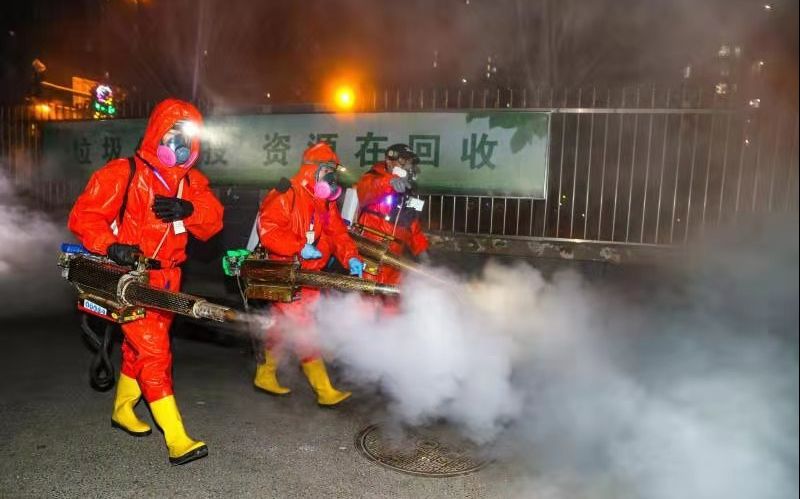
A few days ago, officials said that a mutated virus strain appeared in Beijing Daxing, and a cluster of epidemics broke out, involving 7 families. According to official media statistics, a large number of teachers and students were diagnosed in the Hebei epidemic, not only involving at least 30 colleges and universities, but also community infections.
The outside world is worried that the virus may have spread in various colleges and universities before the Education Bureau issued a notice on January 5.
Beijing officials allege that the British mutant strain has appeared in Daxing District and has admitted that there has been a cluster outbreak On the afternoon of January 20, the Beijing epidemic prevention and control press conference stated that after the review of the Chinese Center for Disease Control and Prevention, it was confirmed that the virus carried by the two confirmed patients in Daxing on the 17th was a more infectious British mutant strain, and the local confirmed cases were subsequently confirmed.
The number increased significantly, with 1 case on the 18th and 6 cases on the 19th, both of which were residents of Ronghui Community, Tiangongyuan Street, Daxing District. The rest are residents of Nanxinzhuanghu Village, Beiwu Town, Shunyi District, and colleagues of confirmed cases. In the official media reports, it was also admitted that a cluster of epidemics occurred in Daxing District between the 17th and the 19th.
According to the Beijing official report, the current round of the epidemic in Daxing District has involved 11 cases and 7 families, of which 3 families have experienced clustered epidemics.
There were cases of co-living and visiting each other among the cases, and some cases also traveled with illness after they developed symptoms and did not seek medical treatment in time.
The risk level of Ronghui Community in Tiangongyuan Street, Daxing District, has been adjusted to a high-risk area. A local person familiar with the matter disclosed to The Epoch Times that because of the cheap housing in Daxing and the convenient transportation, it is necessary to take Metro No. 4 to work in Zhongguancun and live in Daxing. There was a confirmed case on Line 4 before.
He was from Hebei who worked in Sogou and often took the subway. According to the official Tonggua News at the time, it might cause the spread of Haidian, Zhongguancun, and Daxing. She therefore suspects that this is how the epidemic spread. She also said that due to the construction of an international airport in Daxing District, many development zones are also high-tech zones with very high employment rates. They are also areas where university students gather, and they are mostly migrants.
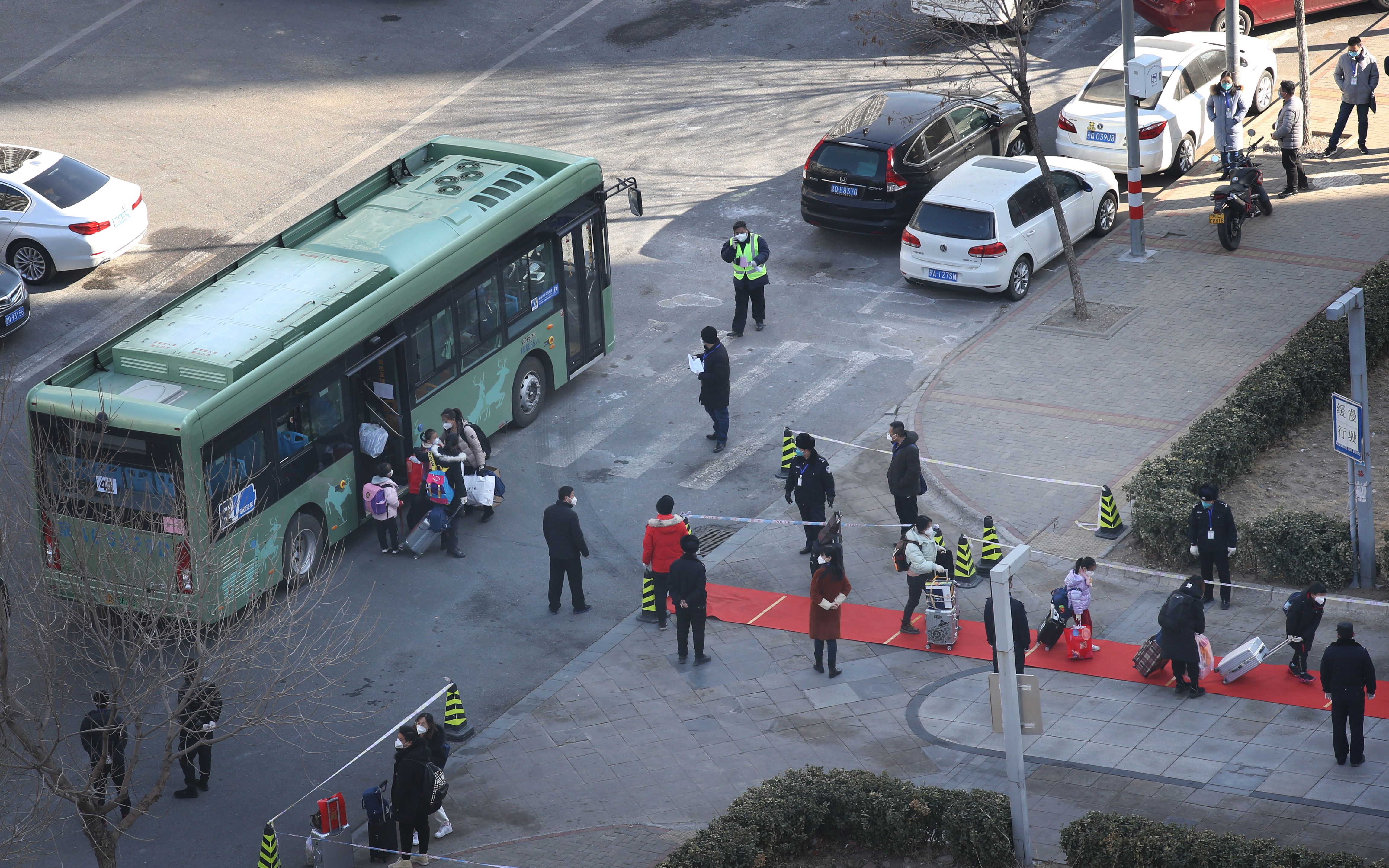
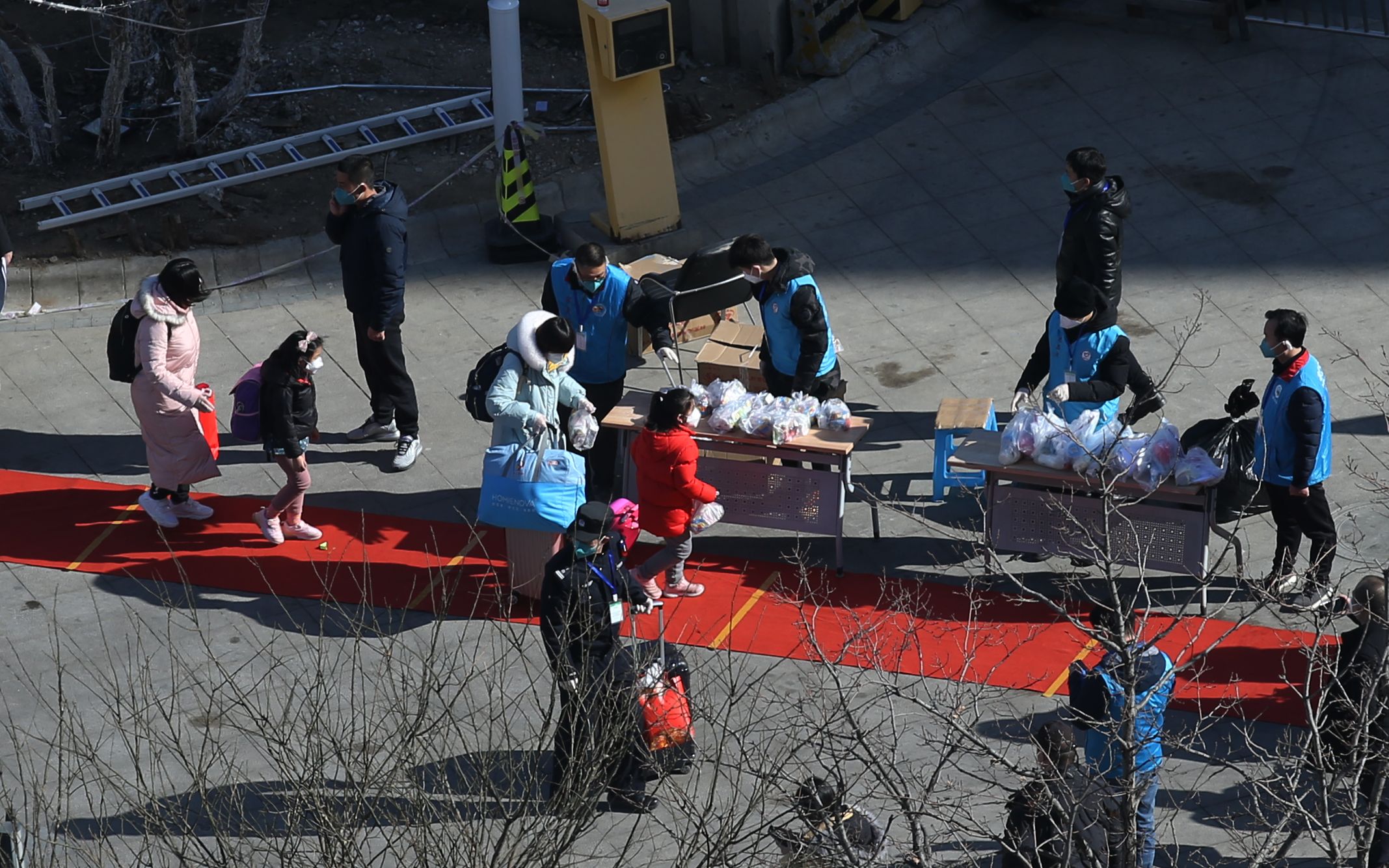
The insider also stated that the state of Beijing after the closure of the city was the same as that during the SARS period in Beijing in 2003, with fewer people and fewer cars, and it was particularly quiet. The insider also said that Beijing is currently very tightly controlled and there are many centralized isolation locations. For example, street factories in the past have been converted into hotels, and there are many schools in Beijing. Students are on vacation, and classrooms can be quickly turned into isolation rooms. In addition, she also said that due to the epidemic, prices are now particularly high, such as tofu. 4 yuan a piece; green onions 3 yuan a catty a few days ago, now it costs 9 yuan; vegetables such as vegetables have doubled. Pork has gone up even more expensive, rising to more than 40 yuan a catty.
The latest epidemic data reported by Beijing officials showed that on a single day on the 20th, two new confirmed cases of local pulmonary virus and one new asymptomatic infection were added in Beijing on a single day. All three cases lived in Ronghui Community, Tiangongyuan Street, Daxing District .
Another newly confirmed imported case from abroad. According to officials, the epidemic in Daxing District and Shunyi District is not related, but it also shows that the prevention and control of the epidemic in Beijing is more complicated and severe.
A large number of teachers and students in Shijiazhuang are infected, fearing the epidemic will be difficult to control Hebei Province is the hardest hit area of the epidemic, especially Shijiazhuang, the provincial capital.
According to official statistics, a large number of teachers and students in Shijiazhuang have been diagnosed, involving at least 30 schools and community infections. According to a report on the 21st by the official media, The Paper, as of 24:00 on January 19, among the 779 confirmed cases in Shijiazhuang, there were 70 students, 5 teachers, and 12 school employees, a total of 87 cases involving at least 30 schools. , Including Gaocheng District No. 7 Middle School, Gaocheng District No. 3 Middle School, Xiaoguozhuang Village Primary School, Gaocheng District Lianzhou No. 1 Middle School, Dongpingle Village Primary School, Xinle City Dongyang Primary School, Liujiazuo Central Primary School, Niujiazhuang Primary School, High-tech Zone Experimental Primary School, Bocai Primary School in Gaocheng District, Shangxi Primary School in Gaocheng District, Liujiazuo Village Central Kindergarten, etc. The first school where students were found to be infected was the "Gaocheng District No. 7 Middle School" in Xiaoguozhuang Village.
According to the website, this school has a high enrollment rate in the local area. Earlier, on January 5, a 15-year-old boarding high school student was found to be infected with the disease, followed by students, teachers, and school cafeteria staff who were infected. The Xiaoguozhuang Primary School next to the No. 7 Middle School and the Nanzhai Village Primary School in the neighboring village both had multiple students infected. After a middle school teacher in Xiaoguozhuang Village was notified of the epidemic on January 7, the community he lived in was closed and cases were reported in the same community. According to official media, the smallest known confirmed case is only 4 years old, and he was studying in Liujiazuo Village Central Kindergarten and was found to be infected on January 13. There are also several college students studying at Hebei Langfang Teachers College, Handan Vocational and Technical College, a certain university in Shijiazhuang, and students studying at a certain university in Nantong, Jiangsu and Wuhan.
Although the official media did not forget to appease in the report, it said that as early as January 5, the Shijiazhuang City Education Bureau requested the city's primary and secondary schools and kindergartens to suspend offline education and teaching. Starting on the 6th, the boarding and semi-boarding schools will be fully closed management for the students and teachers, and day students will not return to school. Judging from the trajectory of the infected teachers and students, in fact, many people did not return to school before the diagnosis, and some people showed symptoms at designated isolation points. The remaining people were infected because of family gatherings and were related to the previously confirmed cases. In addition, according to the trajectory of confirmed cases notified by the Hebei Provincial Health Commission, as of January 13, there were 27 confirmed student patients in Shijiazhuang. This also means that within 6 days, the number of student patients diagnosed in Shijiazhuang increased by 43. And this does not include asymptomatic infections and the number of unreported people.
The official statistics also make the outside world worry that the Hebei epidemic may have long gone out of control. Because schools are clustered and dense, it is easy for the virus to spread quickly, and the above-mentioned schools where the cases were found are located in different cities. Although the official media tried to explain that although a large proportion of teachers and students were infected, it was not a campus infection. However, in view of the fact that the official concealment of the outbreak in Wuhan caused its loss of credibility, coupled with the uncertainty of the virus incubation period, the outside world is worried that the virus may have spread in various institutions before the notice issued by the Education Bureau on January 5.
Open. According to the latest report from Hebei's official epidemic on the 21st, on the 20th, 20 new local confirmed cases in Hebei Province, all cases in Shijiazhuang City, and 4 new local asymptomatic infection cases, all cases in Shijiazhuang City. From 0-12 on the 21st, Shijiazhuang added 14 local confirmed cases and 1 new case of asymptomatic infection.:tiphat:
https://www.secretchina.com/news/b5/2021/01/21/959839.html