
 Tweet
Tweet
FOR IMMEDIATE RELEASE
September 22, 2025
Contact: HHS Press Office
202-690-6343
Submit a Request for Comment
President Trump, Secretary Kennedy Announce Bold Actions to Tackle Autism Epidemic
WASHINGTON—SEPTEMBER 22, 2025—Speaking from the Roosevelt Room today, President Donald J. Trump and U.S. Health and Human Services (HHS) Secretary Robert F. Kennedy, Jr. announced bold new actions to confront the nation’s autism spectrum disorder (ASD) epidemic, which has surged nearly 400% since 2000 and now affects 1 in 31 American children.
“For too long, families have been left without answers or options as autism rates have soared,” Secretary Kennedy said. “Today, we are taking bold action—opening the door to the first FDA-recognized treatment pathway, informing doctors and families about potential risks, and investing in groundbreaking research. We will follow the science, restore trust, and deliver hope to millions of American families.”
First, the U.S. Food and Drug Administration (FDA) will act on a potential treatment for speech-related deficits associated with ASD. The FDA today is publishing a Federal Register notice outlining a label update for leucovorin for cerebral folate deficiency, which has been associated with autism. This action establishes the first FDA-recognized therapeutic for children with cerebral folate deficiency and autistic symptoms.
The change will authorize treatment for children with ASD, with continued use if children show language, social, or adaptive gains. Following the label update for ASD, state Medicaid programs will be able to cover leucovorin for the indication of ASD, in partnership with the Centers for Medicare & Medicaid Services (CMS). Finally, the National Institutes of Health (NIH) will launch confirmatory trials and new research into the impact of leucovorin including safety studies.
While promising, it is important to note that leucovorin is not a cure for ASD and may only lead to improvements in speech-related deficits for a subset of children with ASD. Furthermore, this treatment must be administered under close medical supervision and in conjunction with other non-pharmacological approaches for children with ASD (e.g., behavioral therapy).
“As a physician, I have seen how devastating autism spectrum disorder can be for children and their families,” CMS Administrator Dr. Mehmet Oz said. “Today’s actions represent an unprecedented, comprehensive approach to deepen our understanding of the causes of autism, share what we know and don’t know based on current research, and ensure that every child has a better chance to thrive. By providing access to a drug to treat symptoms associated with autism, we are providing hope to families and providers who have until today had very limited options.”
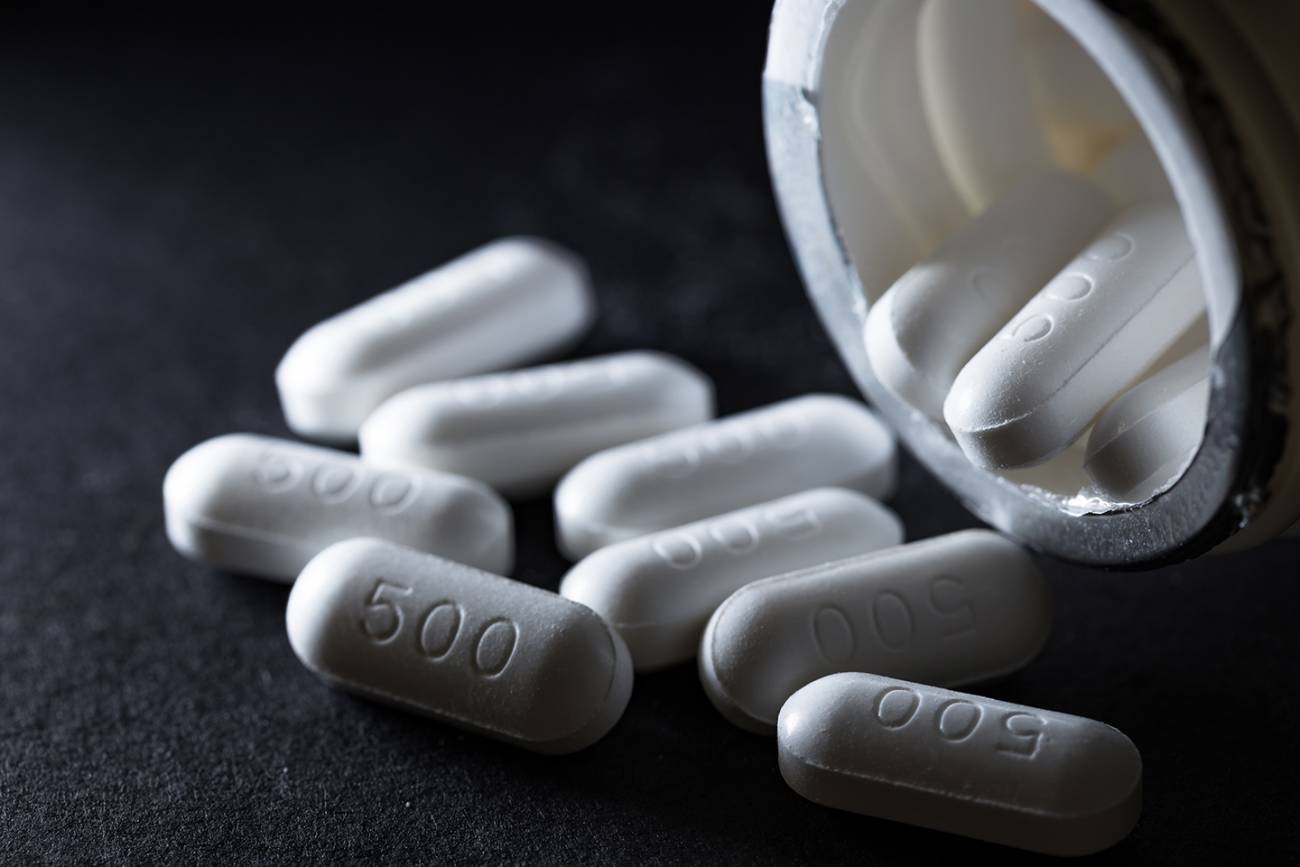
Second, HHS will act on acetaminophen. Today, the FDA will issue a physician notice and begin the process to initiate a safety label change for acetaminophen (Tylenol and similar products). HHS will launch a nationwide public service campaign to inform families and protect public health.
The FDA is responding to prior clinical and laboratory studies that suggest a potential association between acetaminophen use during pregnancy and adverse neurodevelopmental outcomes. FDA also recognizes that there are contrary studies showing no association and that there can be risks for untreated fever in pregnancy, both for the mother and fetus.
Given the conflicting literature and lack of clear causal evidence, HHS wants to encourage clinicians to exercise their best judgment in use of acetaminophen for fevers and pain in pregnancy by prescribing the lowest effective dose for the shortest duration when treatment is required. Furthermore, FDA recognizes that acetaminophen is often the only tool for fevers and pain in pregnancy, as other alternatives (e.g., NSAIDs) have well documented adverse effects. FDA is partnering with manufacturers to update labeling and drive new research to safeguard mothers, children, and families.
“A growing body of evidence suggests that some children suffering from autism are folate deficient within the brain—a problem that can be treated with leucovorin,” FDA Commissioner Dr. Marty Makary said. “Given the extent of the current autism epidemic, physicians should immediately have this treatment option available for candidate children. We are also sharing new information about the potential risks of acetaminophen so patients can make a more informed decision with their health care provider.”
Third, NIH today is announcing the recipients of the Autism Data Science Initiative (ADSI), funding 13 projects totaling more than $50 million to transform autism research. ADSI integrates large-scale biological, clinical, and behavioral data with an exposomics approach that examines environmental, nutritional, medical, and social factors alongside genetics.
Projects employ advanced methods such as machine learning and organoid models, address both children and adults across the lifespan, and establish replication hubs to ensure rigor. Each project includes community engagement to align research with the needs of autistic individuals, families, and clinicians.
“Millions of American families who care for autistic kids need scientists to apply gold standard science, expertise, and open minds to figure out how to help these kids,” NIH Director Dr. Jay Bhattacharya said. “With the Autism Data Science Initiative, NIH is harnessing cutting-edge science to uncover the root causes of autism. We are building knowledge that can improve lives and restore hope for families.”
Read the fact sheet.

-------------------------------------------------------------------------
FDA News Release
FDA Takes Action to Make a Treatment Available for Autism Symptoms
For Immediate Release: September 22, 2025
The U.S. Food and Drug Administration today initiated the approval of leucovorin calcium tablets for patients with cerebral folate deficiency (CFD), a neurological condition that affects folate (a vitamin essential for brain health) transport into the brain. Individuals with cerebral folate deficiency have been observed to have developmental delays with autistic features (e.g., challenges with social communication, sensory processing, and repetitive behaviors), seizures, and problems with movement and coordination.
The FDA has conducted a systematic analysis of literature published between 2009-2024, including published case reports with patient-level information, as well as mechanistic data, and has determined that the information supports a finding that leucovorin calcium can help individuals suffering from CFD.
"We have witnessed a tragic four-fold increase in autism over two decades,” said FDA Commissioner Marty Makary, M.D., M.P.H. “Children are suffering and deserve access to potential treatments that have shown promise. We are using gold standard science and common sense to deliver for the American people.”
The FDA is working with GSK, the innovator of Wellcovorin (leucovorin calcium), on a process to include the essential scientific information needed for the safe and effective use of these drug products for adults and pediatric patients with CFD. As the New Drug Application (NDA) holder for this medicine, GSK has preliminarily agreed to work with the FDA on this relabeling effort.
“The FDA is collaborating with GSK to broaden the existing Wellcovorin label," said George Tidmarsh, M.D., Ph.D., Director of the FDA’s Center for Drug Evaluation and Research. “This effort reflects the FDA’s commitment to identify opportunities to repurpose drugs to treat chronic diseases. The FDA remains committed to finding and treating the root causes of autism.”
CFD has also been reported in a broader patient population with neuropsychiatric symptoms, including autistic features, and detectable serum autoantibodies to the folate receptor alpha; however, there are limitations on the available data for the use of leucovorin in this population and additional studies are needed to assess safety and efficacy.
###
September 22, 2025
Contact: HHS Press Office
202-690-6343
Submit a Request for Comment
President Trump, Secretary Kennedy Announce Bold Actions to Tackle Autism Epidemic
WASHINGTON—SEPTEMBER 22, 2025—Speaking from the Roosevelt Room today, President Donald J. Trump and U.S. Health and Human Services (HHS) Secretary Robert F. Kennedy, Jr. announced bold new actions to confront the nation’s autism spectrum disorder (ASD) epidemic, which has surged nearly 400% since 2000 and now affects 1 in 31 American children.
“For too long, families have been left without answers or options as autism rates have soared,” Secretary Kennedy said. “Today, we are taking bold action—opening the door to the first FDA-recognized treatment pathway, informing doctors and families about potential risks, and investing in groundbreaking research. We will follow the science, restore trust, and deliver hope to millions of American families.”
First, the U.S. Food and Drug Administration (FDA) will act on a potential treatment for speech-related deficits associated with ASD. The FDA today is publishing a Federal Register notice outlining a label update for leucovorin for cerebral folate deficiency, which has been associated with autism. This action establishes the first FDA-recognized therapeutic for children with cerebral folate deficiency and autistic symptoms.
The change will authorize treatment for children with ASD, with continued use if children show language, social, or adaptive gains. Following the label update for ASD, state Medicaid programs will be able to cover leucovorin for the indication of ASD, in partnership with the Centers for Medicare & Medicaid Services (CMS). Finally, the National Institutes of Health (NIH) will launch confirmatory trials and new research into the impact of leucovorin including safety studies.
While promising, it is important to note that leucovorin is not a cure for ASD and may only lead to improvements in speech-related deficits for a subset of children with ASD. Furthermore, this treatment must be administered under close medical supervision and in conjunction with other non-pharmacological approaches for children with ASD (e.g., behavioral therapy).
“As a physician, I have seen how devastating autism spectrum disorder can be for children and their families,” CMS Administrator Dr. Mehmet Oz said. “Today’s actions represent an unprecedented, comprehensive approach to deepen our understanding of the causes of autism, share what we know and don’t know based on current research, and ensure that every child has a better chance to thrive. By providing access to a drug to treat symptoms associated with autism, we are providing hope to families and providers who have until today had very limited options.”
Second, HHS will act on acetaminophen. Today, the FDA will issue a physician notice and begin the process to initiate a safety label change for acetaminophen (Tylenol and similar products). HHS will launch a nationwide public service campaign to inform families and protect public health.
The FDA is responding to prior clinical and laboratory studies that suggest a potential association between acetaminophen use during pregnancy and adverse neurodevelopmental outcomes. FDA also recognizes that there are contrary studies showing no association and that there can be risks for untreated fever in pregnancy, both for the mother and fetus.
Given the conflicting literature and lack of clear causal evidence, HHS wants to encourage clinicians to exercise their best judgment in use of acetaminophen for fevers and pain in pregnancy by prescribing the lowest effective dose for the shortest duration when treatment is required. Furthermore, FDA recognizes that acetaminophen is often the only tool for fevers and pain in pregnancy, as other alternatives (e.g., NSAIDs) have well documented adverse effects. FDA is partnering with manufacturers to update labeling and drive new research to safeguard mothers, children, and families.
“A growing body of evidence suggests that some children suffering from autism are folate deficient within the brain—a problem that can be treated with leucovorin,” FDA Commissioner Dr. Marty Makary said. “Given the extent of the current autism epidemic, physicians should immediately have this treatment option available for candidate children. We are also sharing new information about the potential risks of acetaminophen so patients can make a more informed decision with their health care provider.”
Third, NIH today is announcing the recipients of the Autism Data Science Initiative (ADSI), funding 13 projects totaling more than $50 million to transform autism research. ADSI integrates large-scale biological, clinical, and behavioral data with an exposomics approach that examines environmental, nutritional, medical, and social factors alongside genetics.
Projects employ advanced methods such as machine learning and organoid models, address both children and adults across the lifespan, and establish replication hubs to ensure rigor. Each project includes community engagement to align research with the needs of autistic individuals, families, and clinicians.
“Millions of American families who care for autistic kids need scientists to apply gold standard science, expertise, and open minds to figure out how to help these kids,” NIH Director Dr. Jay Bhattacharya said. “With the Autism Data Science Initiative, NIH is harnessing cutting-edge science to uncover the root causes of autism. We are building knowledge that can improve lives and restore hope for families.”
Read the fact sheet.
-------------------------------------------------------------------------
FDA News Release
FDA Takes Action to Make a Treatment Available for Autism Symptoms
For Immediate Release: September 22, 2025
The U.S. Food and Drug Administration today initiated the approval of leucovorin calcium tablets for patients with cerebral folate deficiency (CFD), a neurological condition that affects folate (a vitamin essential for brain health) transport into the brain. Individuals with cerebral folate deficiency have been observed to have developmental delays with autistic features (e.g., challenges with social communication, sensory processing, and repetitive behaviors), seizures, and problems with movement and coordination.
The FDA has conducted a systematic analysis of literature published between 2009-2024, including published case reports with patient-level information, as well as mechanistic data, and has determined that the information supports a finding that leucovorin calcium can help individuals suffering from CFD.
"We have witnessed a tragic four-fold increase in autism over two decades,” said FDA Commissioner Marty Makary, M.D., M.P.H. “Children are suffering and deserve access to potential treatments that have shown promise. We are using gold standard science and common sense to deliver for the American people.”
The FDA is working with GSK, the innovator of Wellcovorin (leucovorin calcium), on a process to include the essential scientific information needed for the safe and effective use of these drug products for adults and pediatric patients with CFD. As the New Drug Application (NDA) holder for this medicine, GSK has preliminarily agreed to work with the FDA on this relabeling effort.
“The FDA is collaborating with GSK to broaden the existing Wellcovorin label," said George Tidmarsh, M.D., Ph.D., Director of the FDA’s Center for Drug Evaluation and Research. “This effort reflects the FDA’s commitment to identify opportunities to repurpose drugs to treat chronic diseases. The FDA remains committed to finding and treating the root causes of autism.”
CFD has also been reported in a broader patient population with neuropsychiatric symptoms, including autistic features, and detectable serum autoantibodies to the folate receptor alpha; however, there are limitations on the available data for the use of leucovorin in this population and additional studies are needed to assess safety and efficacy.
###


Comment