
 Tweet
Tweet
Translation Google
05/07/2022
FOOD AND HUMAN NUTRITION
Monkey pox: what risk of transmission through food?
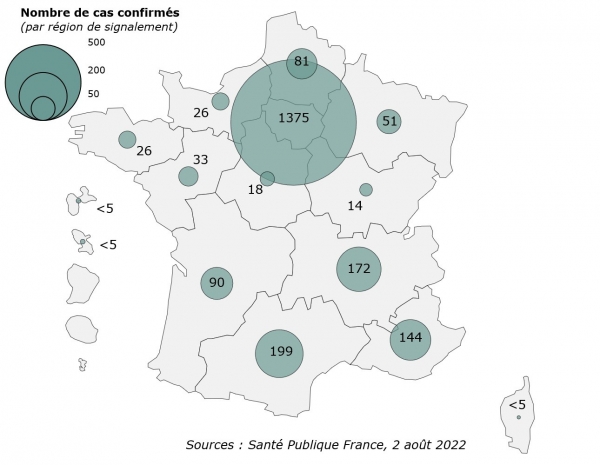
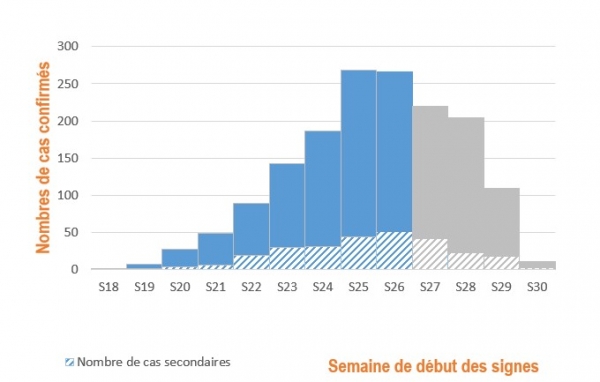
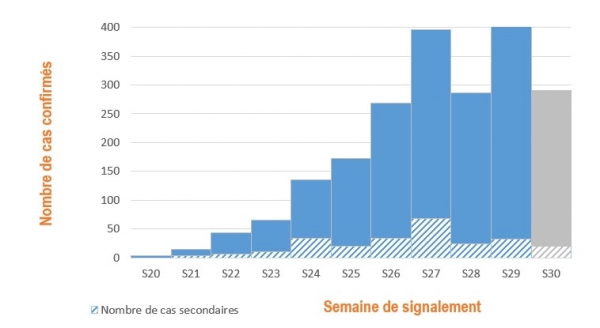
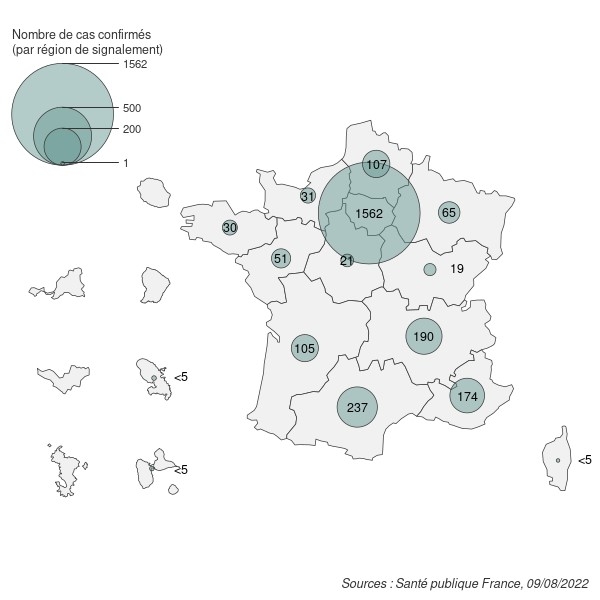
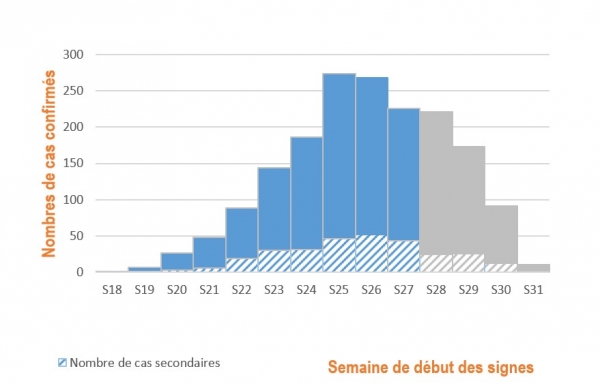
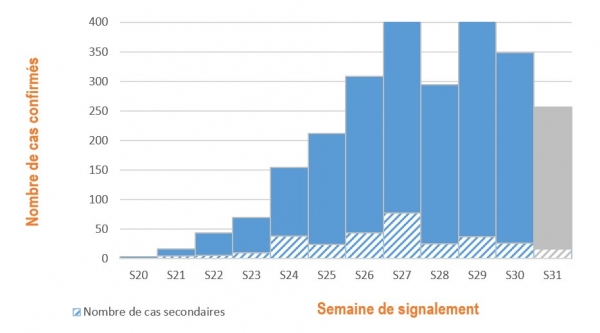
An increase in the number of people infected with the Monkeypox virus responsible for “monkey pox” has recently been recorded, in France as elsewhere, mainly in Europe. This virus can be transmitted by direct contact with a sick person, as well as by respiratory droplets. ANSES received an emergency request to also assess the risk of transmission of this virus through food.
A risk that cannot be completely excluded
To date, transmission of the virus by ingestion of contaminated food has not been proven.
On the basis of the data available, the Agency nevertheless indicates that the risk of transmission of the Monkeypox virus to humans through food cannot be excluded. A food can thus be contaminated directly by a sick person, in particular if the latter handles it when there are lesions or scabs on the skin. Food can also be contaminated after contact with a surface that is itself contaminated. Transmission to humans through the food could then occur by ingestion or handling of the contaminated food.
Apply good hygiene practices to prevent the risk of transmission
In general, in the event of infection with the virus, the authorities recommend self- isolation . The Agency recalls that when there are infected wounds on the hands, whatever their origin, one should neither handle food nor cook for other people. This also applies in the event of symptoms evoking monkey pox (rashes, fever, headaches, fatigue, muscle pain, etc.).
In addition, the Agency recommends that professionals in the catering or food industry:
05/07/2022
FOOD AND HUMAN NUTRITION
Monkey pox: what risk of transmission through food?
An increase in the number of people infected with the Monkeypox virus responsible for “monkey pox” has recently been recorded, in France as elsewhere, mainly in Europe. This virus can be transmitted by direct contact with a sick person, as well as by respiratory droplets. ANSES received an emergency request to also assess the risk of transmission of this virus through food.
A risk that cannot be completely excluded
To date, transmission of the virus by ingestion of contaminated food has not been proven.
On the basis of the data available, the Agency nevertheless indicates that the risk of transmission of the Monkeypox virus to humans through food cannot be excluded. A food can thus be contaminated directly by a sick person, in particular if the latter handles it when there are lesions or scabs on the skin. Food can also be contaminated after contact with a surface that is itself contaminated. Transmission to humans through the food could then occur by ingestion or handling of the contaminated food.
Apply good hygiene practices to prevent the risk of transmission
In general, in the event of infection with the virus, the authorities recommend self- isolation . The Agency recalls that when there are infected wounds on the hands, whatever their origin, one should neither handle food nor cook for other people. This also applies in the event of symptoms evoking monkey pox (rashes, fever, headaches, fatigue, muscle pain, etc.).
In addition, the Agency recommends that professionals in the catering or food industry:
- make workers aware of the symptoms of this virus so that they can declare themselves quickly in the event of infection and allow the effective management of contact persons;
- as the virus is persistent in the environment, apply good hygiene, cleaning and disinfection practices for equipment and premises to limit contamination in spaces that may have been frequented by infected people.



Comment