Announcement

Collapse
No announcement yet.

Hemorrhagic Fever Outbreak Reported in South Ethiopia - Marburg virus confirmed - End of outbreak declared on January 26, 2026

Collapse
X
 
  • Filter
  • Time
  • Show
Clear All
new posts

  • Hemorrhagic Fever Outbreak Reported in South Ethiopia - Marburg virus confirmed - End of outbreak declared on January 26, 2026

    Source: https://birrmetrics.com/hemorrhagic-...outh-ethiopia/


    Hemorrhagic Fever Outbreak Reported in South Ethiopia
    staff writer
    November 12, 2025

    Ethiopia’s Ministry of Health has confirmed an outbreak of hemorrhagic fever in Jinka town, located in the South Ethiopia Regional State.

    In a statement issued Wednesday, the Ministry said eight suspected cases have been identified so far. Health authorities have deployed a rapid response team to the area to determine the cause, conduct laboratory testing, and prevent further spread.

    “The Ministry, in collaboration with partners, is undertaking coordinated surveillance and response activities,” the statement said. “Community-level monitoring, contact tracing, and house-to-house case finding have been intensified.”

    The type of hemorrhagic fever has not yet been confirmed, and samples are being analyzed to identify the specific virus.​..

  • #2
    Ministry of Health ETHIOPIA
    @FMoHealth
    Translated from Amharic
    Statement Provided on the Current Health Issue

    (Image translated by Google)

    Click image for larger version

Name:	image.png
Views:	1363
Size:	773.3 KB
ID:	1023091
    9:15 AM · Nov 12, 2025​​

    Comment


    • #3
      Translation Google

      Six people, including two health workers who were "treating" the disease in Jinka town, have died.

      3 hours ago

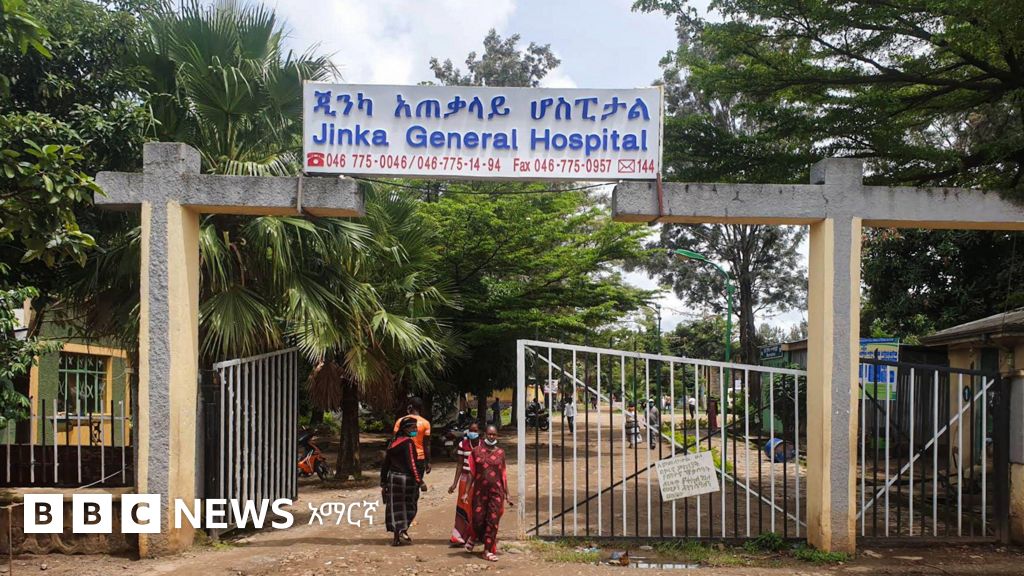
      Six people, including two health workers who were "treating" people infected with an unknown disease in Jinka town, Southern Ethiopia, have died, Jinka General Hospital told the BBC. It also said that "rapid kidney failure" has been observed in patients who have shown symptoms of the disease.
      ...
      The first person to be diagnosed with "hemorrhagic fever" came to Jinka General Hospital "about three weeks ago," the medical facility's representative medical director, Dr. Salamu Tadesse, told the BBC.

      Dr. Salamu, who stated that he was receiving treatment at another health facility for suspected malaria, explained that he came to Jinka General Hospital in a "very serious" condition.

      The acting medical director said the patient's condition became "critical" after he arrived at the hospital and he died after spending "about a day" in the hospital. A week later, people who had come into contact with the person showed similar symptoms and sought treatment, he said.

      "A week later, his friends who were in close contact with that patient for various reasons started showing similar symptoms," he said. He explained that the hospital sent samples to Addis Ababa after similar symptoms were observed in other patients.

      Dr. Salamu said that "about eight people" were treated at the hospital for showing symptoms of the disease. He noted that some of these patients were sent to the cities of Hawassa and Wolayta Sodo for further treatment.

      He explained that one of the reasons patients were referred was the "rapid kidney failure" that the individuals had experienced. "Their kidney condition had reached the point of failure very quickly. Some people who were in the normal range were seen in two or three days, and then in four, five, and then seven. There was more damage to the kidneys than expected," he explained of the patients.

      They described symptoms of "fever, headache, stomach ache, vomiting, and diarrhea" in patients, similar to those of malaria.

      According to the acting medical director, patients admitted to Jinka General Hospital have been seen to have reached a "critical" stage within a week. He said that out of the eight people admitted to the hospital with this disease, six have died.


      They also said that two of the dead were a doctor and a nurse who were treating infected people. Another hospital source confirmed this to the BBC.

      Dr. Salamu said that they believe that the medical professionals were "probably" exposed to the disease through contact with patients.


      He said most of the patients died in the past week. He added that two people are currently being treated at the hospital.

      Dr. Salamu explained that the task force sent by the Ministry of Health to control the disease is expected to enter Jinka town today.

      According to the representative medical director, after the experts enter the city, people who have been in contact with infected people will be isolated at their homes and in the hospital. He also mentioned that quarantine facilities are being prepared for those who have shown symptoms.
      ...
      In a statement issued yesterday, the Ministry of Health and the Ethiopian Public Health Institute announced that the hemorrhagic fever outbreak in Jinka city is "under investigation."

      Dr. Salamu, the Medical Director of Jinka General Hospital, also explained that the type of disease that occurred in Jinka will be known only after laboratory tests are conducted at the Public Health Institute.

      "[The investigation] is underway; it will be announced. We are waiting patiently," he said.

      The Ministry of Health and the Public Health Institute have also announced that "laboratory tests" are underway. They also said that they will conduct a field assessment by sending a rapid response team to the scene "to determine the cause of the disease and prevent and control further spread."

      Dr. Salamu explained that the task force sent by the federal government institutions is expected to enter Jinka city today.
      ...
      በደቡብ ኢትዮጵያ ክልል፣ ጂንካ ከተማ በተከሰተው በውል ያልታወቀ በሽታ ለተያዙ ሰዎች "ሕምክና ሲሰጡ የነበሩ" ሁለት የጤና ባለሙያዎችን ጨምሮ ስድስት ሰዎች መሞታቸውን የጂንካ አጠቃላይ ሆስፒታል ለቢቢሲ ገለጸ። የጤና ሚኒስቴር እና የኢትዮጵያ ኅብረተሰብ ጤና ኢንስቲትዩት በጂንካ ከተማ "ምንነቱ በመረጋገጥ ላይ ያለ የሔሞራጂክ ፊቨር" በሽታ መከሰቱን ያስታወቁት ትናንት ረቡዕ ሕዳር 3/2018 ዓ.ም. በጋራ ባወጡት መግለጫ ነው። በሽታው መከሰቱን ያመለከቱት "የቅኝት መረጃዎች" መሆናቸውን የገለጸው መግለጫው፤ ስምንት ሰዎች "በበሽታው እንደተጠረሩም" ገልጿል።


      --------------------------------------------------------------------------------------------------------

      Ethiopia reports suspected viral haemorrhagic fever outbreak

      13 November 2025

      Click image for larger version  Name:	image.png Views:	1 Size:	48.7 KB ID:	1023132

      Addis Ababa — Health authorities in Ethiopia are carrying out further investigations and ramping up response after suspected cases of viral haemorrhagic fever were reported in the country’s South Ethiopia Region. In support, the World Health Organization (WHO) is deploying an initial team of responders and delivering medical supplies to assist in the ongoing efforts to determine the cause of infection and halt further transmission.

      So far, eight suspected cases have been reported. Laboratory testing is ongoing at the Ethiopia Public Health Institute to determine the exact cause.

      To support the national authorities, WHO is deploying a multi-disciplinary team of 11 technical officers with experience in responding to viral haemorrhagic fever outbreaks to help strengthen disease surveillance, investigation, laboratory testing, infection prevention and control, clinical care, outbreak response coordination and community engagement.

      WHO is also providing essential supplies including personal protective equipment for health workers and infection-prevention supplies, as well as a rapidly deployable isolation tent to bolster clinical care and management capacity. Additional technical capacity is being mobilized to support the overall response.

      WHO has also released US$ 300 000 from its Contingency Fund for Emergencies to provide immediate support to the national authorities.

      Viral haemorrhagic fevers refer to a group of epidemic prone diseases that are caused by several distinct families of viruses. They include Marburg and Ebola virus diseases, Crimean Congo haemorrhagic fever and Lassa fever.

      Specific signs and symptoms vary by the type of viral haemorrhagic fever, but initial signs and symptoms often include marked fever, fatigue, dizziness, muscle aches, loss of strength and exhaustion. All cases of acute viral haemorrhagic fever syndrome whether single or in clusters, should be immediately notified without waiting for the causal agent to be identified.​

      Health authorities in Ethiopia are carrying out further investigations and ramping up response after suspected cases of viral haemorrhagic fever were reported in the country’s South Ethiopia Region.

      Comment


      • #4
        I am not familiar with this source.

        Translation Google

        Six people, including two health workers, have died in Jinka from an unknown acute illness.

        Meseret Media
        Nov 12, 2025

        (Base Media) - Our media has confirmed that six people have died in Jinka town in the past three to four days due to an acute illness that has not yet been confirmed by testing.

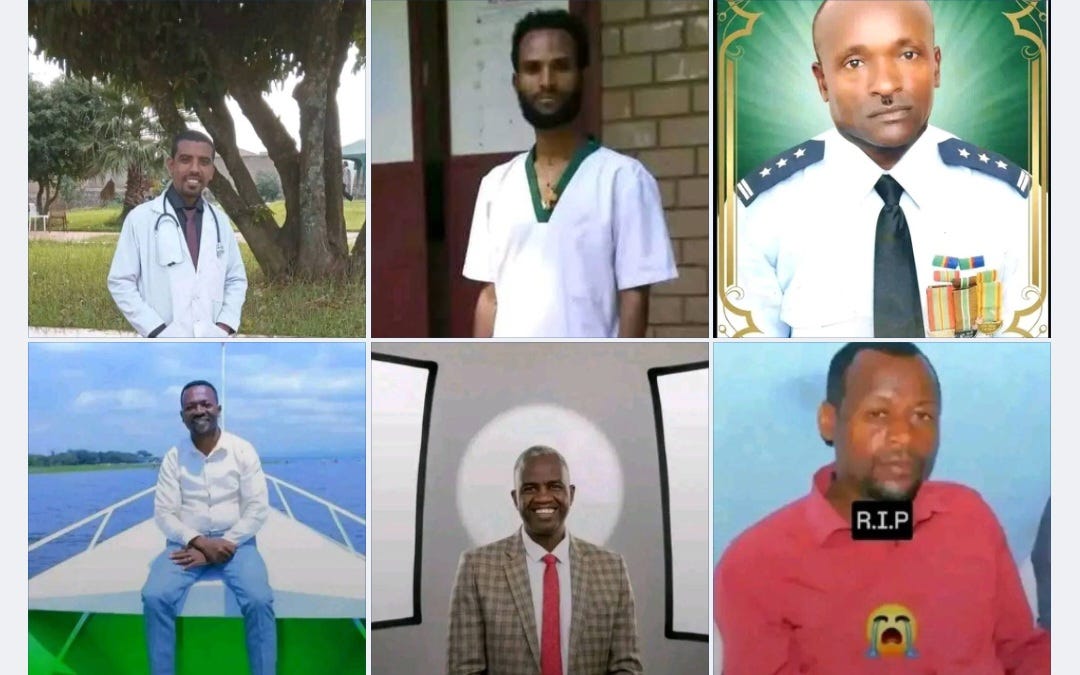
        In an incident that shocked the entire city, it was learned that the ministers of Jinka Qalahiwot Church, as well as a doctor and a nurse, had died after contracting the disease.

        An unnamed health professional working at Jinka Hospital confirmed the incident, noting that there are currently three patients at the hospital and several people who have had contact with the patients.

        "We are in a state of great fear. The disease has been detected in a drug-resistant E-coli strain. It requires further testing to determine whether it is Ebola or not," he said.

        "All of the deceased were in contact with the first patient who died, and all showed similar symptoms, and the disease is fatal within three to five days," the health official said, adding that this has caused everyone to panic.

        He added, "For example, the doctor who was treating the patient a week ago passed away. Since there are many other people in the area who may have been in contact with the patient, the Regional Health Bureau and the Ministry of Health should release important information to the public to take necessary precautions."

        It has been known that people who passed away had blood flowing from their mouths and noses.

        "Due to this repeated death, the people of Jinka city are in deep shock and grief, and we urge the regional health office and the public health institute to pay special attention to this matter," he said.

        Jinka Police announced that Inspector Wondmagane Ceneke, a former employee of the Ari Zone Police Department, was among the deceased.

        In this regard, the media contacted Dr. Mistri Hamdeki, CEO of Jinka Hospital, but he declined to provide further information, stating that an investigation is underway to confirm the deaths.

        -Basic Media-

        (መሠረት ሚድያ)- ጂንካ ከተማ ውስጥ ባለፉት ሶስት እና አራት ቀናት ውስጥ እስካሁን በምርመራ ባልተረጋገጠ አጣዳፊ በሽታ ምክንያት ስድስት ሰዎች ህይወታቸው ማለፉን ሚድያችን አረጋግጧል።

        Comment


        • #5
          Screenshot:

          Click image for larger version

Name:	image.png
Views:	1110
Size:	311.6 KB
ID:	1023155

          Comment


          • #6
            Ministry of Health ETHIOPIA
            @FMoHealth
            Translated from Amharic

            Information Provided on the Current Health Emergency #MarburgVirus

            Image translated by Google​

            Click image for larger version  Name:	image.png Views:	3 Size:	643.7 KB ID:	1023284

            9:16 AM · Nov 14, 2025

            ------------------------------------------------------------------------------------------------------


            Click image for larger version

Name:	image.png
Views:	1009
Size:	52.2 KB
ID:	1023285


            9:22 AM · Nov 14, 2025​​

            Comment


            • #7
              Ethiopia confirms first outbreak of Marburg virus disease

              14 November 2025

              Addis Ababa—Ethiopia’s Ministry of Health has confirmed an outbreak of Marburg virus disease in the South Ethiopia Region, the first of its kind in the country, following laboratory testing of samples from a cluster of suspected cases of viral haemorrhagic fever.

              Genetic analysis by the Ethiopia Public Health Institute revealed that the virus is of the same strain as the one that has been reported in previous outbreaks in other countries in East Africa. A total of nine cases have been reported in the outbreak that has affected Jinka town in the South Ethiopia Region.

              The national authorities are scaling up response including community-wide screening, isolation of cases, treatment, contact tracing and public awareness campaigns to curb the spread of the Marburg virus, which is in the same family of viruses that cause Ebola virus disease.

              The World Health Organization (WHO) and partners are supporting the government as it intensifies response to halt the spread of the virus and end the outbreak. A team of responders with expertise in viral haemorrhagic fever outbreak response has been deployed along with medical supplies and equipment.

              Marburg virus disease is a severe and often fatal illness caused by the Marburg virus. The disease is transmitted to humans from fruit bats and spreads among people through direct contact with bodily fluids of infected individuals or contaminated materials.

              Initial symptoms include high fever, severe headache, muscle aches and fatigue. Many patients develop severe bleeding within a week of onset. Although several promising candidate medical countermeasures are currently undergoing clinical trials, there is no licensed therapeutic or vaccine for effective management or prevention of Marburg virus disease. However, early access to supportive treatment and care – rehydration with oral or intravenous fluids – and treatment of specific symptoms, improve survival.

              In the African region, previous outbreaks and sporadic cases have been reported in Angola, the Democratic Republic of the Congo, Ghana, Kenya, Equatorial Guinea, Rwanda, South Africa, Tanzania and Uganda.​

              Ethiopia’s Ministry of Health has confirmed an outbreak of Marburg virus disease in the South Ethiopia Region, the first of its kind in the country, following laboratory testing of samples from a cluster of suspected cases of viral haemorrhagic fever.


              ---------------------------------------------------------------------------------------------------

              News / Press Releases

              Africa CDC Statement on Confirmed Marburg Virus Disease in Jinka, Southern Region, Ethiopia


              Addis Ababa, Ethiopia, 15 November 2025 — The Africa Centres for Disease Control and Prevention (Africa CDC) acknowledges the confirmation by the Federal Ministry of Health of Ethiopia and the Ethiopian Public Health Institute (EPHI) of an outbreak of Marburg virus disease (MVD) in Jinka, Southern Region.

              As of 14 November 2025, Marburg virus disease (MVD) has been confirmed by the National Reference Laboratory.Further epidemiological investigations and laboratory analyses are underway, and the virus strain detected shows similarities to those previously identified in East Africa.

              The initial alert of a suspected viral haemorrhagic fever was shared with Africa CDC on 12 November 2025.

              The Federal Ministry of Health, EPHI, and regional health authorities have activated response measures, including enhanced surveillance, field investigations, strengthened infection prevention and control, and community engagement efforts. Africa CDC commends their swift action and transparent communication, which have enabled early confirmation and containment efforts.

              Africa CDC has been a long-standing partner of EPHI in strengthening Ethiopia’s molecular diagnostic and genomic surveillance capacity — critical capabilities that were immediately deployed in response to this outbreak. Through this collaboration, Africa CDC has provided genome-sequencing equipment, sequencing reagents, PCR detection kits (including Marburg-specific assays), and extensive training for laboratory personnel in genome sequencing, bioinformatics, biosafety, PPE use, and safe sample handling.

              The core genomics facility at EPHI has been strengthened by Africa CDC, together with partners such as the Global Fund, WHO and the UK Health Security Agency, supporting rapid laboratory confirmation and enhancing Ethiopia’s overall outbreak readiness.

              As a leading Ethiopian research institution, the Armauer Hansen Research Institute (AHRI) has also seen its research and genomics capacity significantly strengthened through Africa CDC’s support, including the provision of equipment, reagents and targeted training. AHRI is therefore well positioned to play a central role during this Marburg outbreak. This response presents a unique opportunity not only to improve care for affected communities but also to generate critical innovations in Marburg prevention, diagnostics and treatment.

              To further strengthen coordination, Africa CDC and the Ministry of Health will integrate Marburg virus response efforts with ongoing mpox preparedness and surveillance. This joint approach is designed to optimise resources, accelerate early detection and reduce the risk of regional spread.

              Africa CDC Director-General, H.E. Dr Jean Kaseya, will meet with the Minister of Health of Ethiopia to assess additional support needs and reinforce cross-border readiness with neighbouring countries. Africa CDC will continue to work closely with the Government of Ethiopia and partners to ensure a rapid, coordinated and effective response.

              Further updates will be provided as more information becomes available.

              ###​

              Addis Ababa, Ethiopia, 15 November 2025 — The Africa Centres for Disease Control and Prevention (Africa CDC) acknowledges the confirmation by the Federal Ministry of Health of Ethiopia and the Ethiopian Public Health Institute (EPHI) of an outbreak of Marburg virus disease (MVD) in Jinka, Southern Region. As of 14 November 2025, Marburg virus disease (MVD) has been […]

              Comment


              • #8
                Translation Google
                Ministry of Health,Ethiopia's Post


                Ministry of Health,Ethiopia
                6h ·

                Emergency rapid response teams have been deployed to areas where Marburg virus has been detected and work is underway to prevent and control the virus.
                ____________

                Minister of Health Dr. Mekdes Daba gave a statement to journalists on current health issues.

                The Minister, who recalled that the Marburg virus outbreak in Jinka city, Southern Ethiopia, was confirmed by the laboratory, and so far 17 suspected people have been tested, of which 3 have died from the virus, confirmed by the Ethiopian Community Institute Reference Laboratory, and 3 people who showed symptoms but were not confirmed by examination have also died. 129 other people who had contact with them have been isolated and are being monitored. She expressed her condolences to those who lost their lives to the virus and wished comfort to their families and friends.

                Dr. Mekdes, who said that the government has built a high laboratory capacity on its own and has also conducted genetic testing within the country, said that today a mobile laboratory with a high testing capacity has also been sent to Jinka.

                Rapid response teams have been deployed to affected areas, and a coordinated emergency response has been launched. Work is underway to establish and strengthen emergency response centers and medical facilities. Distribution of medical supplies and infection prevention materials is also underway.

                Dr. Mesay Hailu, Director General of the Ethiopian Public Health Institute, said that public awareness, surveillance and control activities are being carried out, and health screenings are being intensified at entry and exit points within the country and at border areas.

                Symptoms include high fever, headache, abdominal pain, diarrhea, and bleeding. Anyone with symptoms of the disease should go to a health facility or call the toll-free hotlines 8335 or 952.

                "We are working hard to control the pandemic and protect our community," said Health Minister Dr. Mekdes Daba, calling on our community to follow preventive measures, go to a health facility immediately if symptoms appear, and cooperate with health professionals.

                You can find the full statement by clicking on the link : https://www.moh.gov.et/.../Marburg_Virus_Disease_Press...

                Website: moh.gov.et
                Facebook: Ministry of Health,Ethiopia
                Twitter: x.com/fmohealth
                YouTube: youtube.com/@FMoHealthEthiopia
                TikTok: tiktok.com/@mohethiopia
                Telegram: t.me/M0H_EThiopia
                Linkedin: lnkd.in/ewFJ6VAB


                Click image for larger version

Name:	image.png
Views:	997
Size:	600.7 KB
ID:	1023504
                ...

                የአደጋ ጊዜ ፈጣን ምላሽ ሰጪ ቡድኖች የማርበርግ ቫይረስ በሽታ ወደ ተገኘበት አካባቢዎች ተልከው ቫይረሱን የመከላከልና የመቆጣጠር ስራ እየተሰራ ይገኛል ____________ የጤና ሚኒስትር ዶ/ር መቅደስ ዳባ በወቅታዊ የጤና ጉዳይ ላይ ለጋዜጠኞች መግለጫ ሰጥተዋል። በደቡብ ኢትዮጵያ ክልል ጅንካ ከተማ የማርበርግ...


                Comment


                • #9
                  Ministry of Health ETHIOPIA
                  @FMoHealth
                  የማርበርግ ቫይረስ በሽታ ዕለታዊ ሁኔታ
                  ህዳር 9/ 2018
                  Marburg Virus Disease Daily update
                  Ethiopia November
                  18/ 2025​

                  Click image for larger version

Name:	image.png
Views:	936
Size:	519.1 KB
ID:	1023605

                  10:56 AM · Nov 18, 2025​​

                  Comment


                  • #10
                    Ministry of Health ETHIOPIA
                    @FMoHealth

                    የማርበርግ ቫይረስ በሽታ ዕለታዊ ሁኔታ
                    ህዳር 10/ 2018
                    Marburg Virus Disease Daily Update
                    Ethiopia
                    November 19/ 2025
                    #MarburgVirus
                    Click image for larger version

Name:	image.png
Views:	890
Size:	581.1 KB
ID:	10236949:23 AM · Nov 19, 2025​​

                    Comment


                    • #11
                      Screenshot:

                      Click image for larger version

Name:	image.png
Views:	808
Size:	297.6 KB
ID:	1023778

                      Comment


                      • #12

                        Ministry of Health ETHIOPIA
                        @FMoHealth
                        የማርበርግ ቫይረስ በሽታ ዕለታዊ ሁኔታ
                        ህዳር 11/ 2018
                        Marburg Virus Disease Daily Update
                        Ethiopia
                        November 20/ 2025​

                        Click image for larger version

Name:	image.png
Views:	989
Size:	594.6 KB
ID:	10237989:49 AM · Nov 20, 2025

                        Comment


                        • #13

                          Ministry of Health ETHIOPIA
                          @FMoHealth
                          ·
                          38m
                          የማርበርግ ቫይረስ በሽታ ዕለታዊ ሁኔታ
                          ህዳር 12/ 2018
                          Marburg Virus Disease
                          Daily update
                          Ethiopia
                          November 21/ 2025

                          Click image for larger version

Name:	image.png
Views:	793
Size:	548.9 KB
ID:	1023930
                          9:45 AM · Nov 21, 2025

                          Comment


                          • #14
                            Marburg virus disease - Ethiopia

                            21 November 2025

                            Situation at a glance

                            On 12 November 2025, WHO noted a press release from the Ethiopian Ministry of Health (MoH), and the Ethiopian Public Health Institute (EPHI), announcing suspected viral hemorrhagic viral fever (VHF) in Jinka town, South Ethiopia Regional State, Ethiopia. On 14 November 2025, the Ministry of Health of Ethiopia confirmed that the cases previously reported as suspected VHF were Marburg virus disease (MVD). Molecular testing conducted by the National Reference Laboratory at EPHI identified Marburg virus (MARV) in patient samples. As of 20 November 2025, 33 laboratory tests have been conducted, of which six confirmed cases, including three deaths, have been reported. Of the six confirmed cases, three are currently alive and on treatment. In addition to the lab-confirmed cases, a further three epidemiologically linked cases could not be tested; all three are deceased and recorded as probable cases. A total of 206 contacts have been identified, and contacts are under active follow-up. The number of contacts will continue to change as the response evolves. The source of the infection has not yet been identified. This marks the first confirmed outbreak of MVD in the country. Initial investigation by the one health team in Ethiopia show the presence of the natural host of the virus, fruit bats, in the area. MVD is a severe, often fatal illness, transmitted from bats to humans, and clinically similar to Ebola virus diseases. The disease has a case fatality ratio of up to 88%, but it can be much lower with good and early patient care. Under the leadership of the MoH, WHO is working alongside the Ethiopian response teams to enhance coordination, surveillance (including outbreak investigation, contact tracing, and alert management), case management, infection prevention and control measures, laboratory capacity, risk communication and community engagement. WHO assesses the public health risk posed by the outbreak as high at the national level, moderate at the regional level and low at the global level. Ethiopia is facing concurrent emergencies and multiple disease outbreaks, including of cholera, measles, dengue, which results in stretched health capacity.

                            Description of the situation

                            As of 20 November 2025, 33 laboratory tests have been conducted, of which six confirmed cases, including three deaths, have been reported. Of the six confirmed cases, three are currently alive and on treatment. In addition to the lab-confirmed cases, a further three epidemiologically linked cases could not be tested; all three are deceased and recorded as probable cases. A total of 206 contacts have been identified, and contacts are under active follow-up. The number of contacts will continue to change as the response evolves.

                            Clinically, patients have presented with high-grade fever, headache, vomiting, abdominal pain, and watery or bloody diarrhoea. Haemorrhagic manifestations, including nose bleeding and vomiting blood were observed in five cases, consistent with multi-organ failure.

                            As this is the first time Ethiopia is reporting MVD, WHO recommends that samples be shared with a reference laboratory for inter-laboratory comparison.

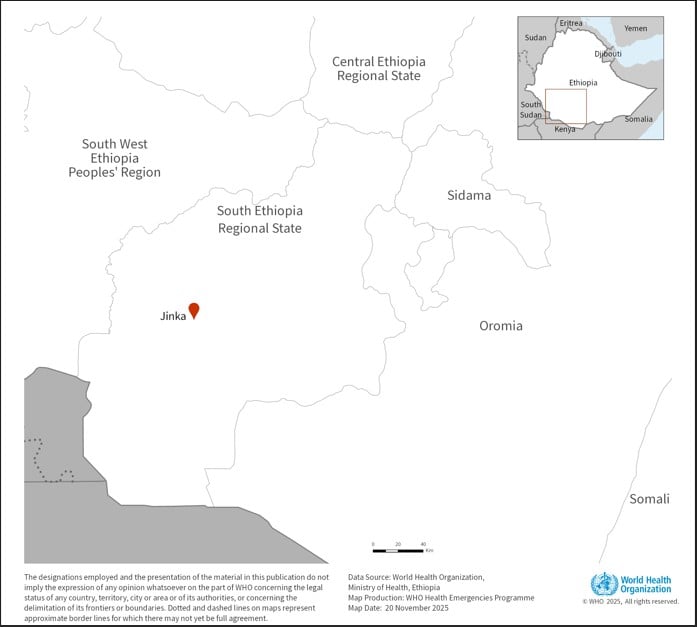
                            Figure 1: Map of Ethiopia showing location of Jinka town

                            MVD in Ethiopia

                            Epidemiology

                            Marburg virus disease (MVD) is a severe hemorrhagic fever caused by either of two closely related viruses, Marburg virus and Ravn virus, which are closely related to the Ebola viruses. MVD has a high case fatality rate, ranging from 24% to 88% from previous outbreaks The case fatality rate can be lowered with good and early patient care. The virus is initially transmitted to humans from fruit bats (Rousettus aegyptiacus) and then spreads among people through direct contact with bodily fluids, contaminated surfaces, or infected materials. Healthcare workers, caregivers, and individuals involved in burial practices are particularly at risk when infection prevention and control measures are not in place.

                            MVD symptoms typically begin abruptly after an incubation period of two to 21 days and include high fever, severe headache, malaise, muscle aches, and progressive gastrointestinal symptoms such as diarrhea and vomiting. In severe cases, patients may experience bleeding from multiple sites and die from shock and organ failure within a week of symptom onset.

                            There are no approved treatment or vaccines for MVD, although supportive treatment and early supportive care improves survival. Some candidate vaccines and therapeutics are currently under investigation.

                            Nineteen outbreaks of MVD have previously been reported globally. The most recent outbreak was reported from the Republic of Tanzania between January and March 2025. Additional countries that have reported outbreaks of MVD in the African Region include Angola, the Democratic Republic of the Congo, Equatorial Guinea, Ghana, Guinea, Kenya, Rwanda, South Africa, and Uganda.

                            Public health response

                            Local and national health authorities in Ethiopia have implemented the following public health measures:
                            • A National Taskforce has been established at the Ministry of Health to provide strategic guidance, make decisions and mobilize resources.
                            • A costed national three-month response plan has been developed and launched by the MoH/EPHI.
                            • The MoH is regularly providing information on the MVD outbreak to the general public and partners.
                            • Emergency Operational Centres (EOCs) have been activated at national and regional levels, with incident management structures established to coordinate the response. Daily coordination meetings are ongoing at the national and subnational EOCs.
                            • The Ministry of Health, in collaboration with EPHI and regional health offices, is conducting integrated surveillance and response activities.
                            • Community surveillance, contact tracing, house-to-house visits, and medical service delivery are being enhanced.
                            • Two hospitals have been designated as treatment centres, with dedicated health workers deployed to manage cases.
                            • Field assessments are being conducted by a rapid response team (RRT). One RRT was deployed to Jinka to conduct contact tracing and epidemiological investigation while a second team is strengthening infection prevention and control (IPC) in health facilities managing suspected cases.
                            • Risk Communication and Community Engagement (RCCE) teams are disseminating MVD prevention messages, developing activity plans for targeted interventions, monitoring social media to address misinformation, and assessing trusted communication channels to enhance public awareness.
                            WHO risk assessment

                            This is the first confirmed MVD outbreak in Ethiopia. The public health risk posed by the MVD outbreak is assessed as high at the national level due to several concerning factors:
                            • The outbreak involves six laboratory-confirmed cases; there have been a total of six deaths and there are three confirmed cases under treatment.
                            • All deaths involved unsupervised burials, posing a risk of potential additional community transmission.
                            • The presence of healthcare workers among the confirmed cases suggests potential occupational exposure risks within health facilities.
                            • Although investigations are ongoing, information on the source of the outbreak, geographical extent and epidemiology is limited.

                            Although no international transmission has been confirmed to date, the potential risk for spread remains. The affected area, Jinka, while distant from Ethiopia’s capital or major international airports, is connected by road transportation networks, including to neighbouring Kenya and South Sudan. Therefore, the public health risk posed by this event is assessed as moderate at the regional level. It is considered low at the global level.


                            WHO advice

                            Human-to-human transmission of Marburg virus is primarily associated with direct contact with the blood and/or other bodily fluids of infected people. Strengthening and reinforcing IPC measures is essential to prevent further transmission and reduce the likelihood of amplification.

                            WHO advises the following risk reduction measures to be taken as an effective way to reduce MVD transmission to control the outbreak.

                            Prevention: Protective measures individuals should take to reduce human exposure to the virus include:
                            • Reduce the risk of human-to-human transmission in the community arising from direct or close contact with infected patients, particularly with their body fluids including blood, feces and vomit. Close physical contact with MVD patients should be avoided.
                            • Persons with symptoms compatible with MVD should immediately seek care in health facilities, and patients suspected or confirmed to have MVD should be isolated in a designated treatment centre for early care and to avoid transmission at home.
                            • Community and family members should avoid caring for symptomatic individuals at home and avoid touching bodies of people deceased with MVD symptoms. They should avoid touching other potentially contaminated items and surfaces.
                            • Reduce the risk of bat-to-human transmission arising from prolonged exposure to mines, caves or dwellings inhabited by fruit bat colonies. During work or research activities or tourist visits in mines or caves inhabited by fruit bat colonies, people should wear gloves and other appropriate protective clothing (including masks). During outbreaks, all animal products (blood and meat) should be thoroughly cooked before consumption.

                            Coordination: Multisectoral coordination and pillar meetings at all levels and sharing of detailed situation reports is encouraged. Involvement of different stakeholders and partners in preparedness and response activities is also encouraged. To ensure an effective and sustained response, resource mobilization efforts within the government and with partners are recommended.

                            Risk communication and community engagement: Raising public awareness and engaging with communities are important for successfully controlling MVD outbreaks. This includes raising awareness of symptoms, risk factors for infection, protective measures and the importance of seeking immediate care at a health facility. Sensitive and supportive information about safe and dignified burials is also crucial. This awareness should be increased through targeted campaigns and direct work with communities. Special attention should be given to high-risk groups, such as traditional healers, clergy, and community leaders, who may inadvertently facilitate disease spread, and who are important sources of information for the community. Misinformation and rumours should be addressed to foster trust and promote early symptom reporting.

                            Surveillance: Active case detection, contact tracing, and alert management across affected and neighbouring regions should be intensified. Community-based surveillance systems should be strengthened to promptly identify and report new cases, particularly in high-risk areas. Close monitoring of healthcare workers, family members and individuals who have had contact with suspected cases or other high-exposure settings should be ensured. Surveillance capacities should also be intensified at relevant points of entry and borders to reduce the risk of further spread, including internationally.

                            Infection prevention and control (IPC) measures:
                            • Critical infection prevention and control measures should be implemented and/or strengthened in all health care facilities, per WHO’s Infection prevention and control guideline for Ebola and Marburg disease, which highlighted the importance of the rapid implementation of the IPC ring approach, including but not limited to IPC rapid assessment, decontamination of health facilities and households and early detection and identification of the cases through the screening and isolation of the suspected cases to minimize the transmission risk. Patients meeting the case definition for suspected MVD should be treated with appropriate precautions for MVD, regardless of whether the clinical suspicion suggests a more common ailment with similar symptoms, such as malaria.
                            • Health workers caring for patients with confirmed or suspected MVD should apply transmission-based precautions in addition to standard precautions, including appropriate use of personal protective equipment (PPE) and hand hygiene according to the WHO 5 moments, to avoid contact with patient’s blood and other body fluids and with contaminated surfaces and objects. Waste generated in healthcare facilities must be safely segregated, safely collected, transported, stored, treated and finally disposed. Follow the national guidelines, rules and regulations for safe waste disposal or follow the WHO’s guidelines on safe waste management.
                            • Patient-care activities should be undertaken in a clean and hygienic environment that facilitates practices related to the prevention and control of health-care-associated infections (HAIs) as outlined in Essential environmental health standards in health care. Safe water, adequate sanitation and hygiene infrastructure and services should be provided in healthcare facilities. For details on recommendations and improvement, follow the WASH FIT implementation Package.

                            Laboratory testing: The processing and analysis of samples should be expedited, with results promptly shared with responders and clinicians to guide patient management, containment strategies and broader response efforts. This includes genomic sequencing on positive samples. International referral of samples to a regional reference laboratory should be considered for inter-laboratory comparison. Laboratory workers handling specimens from patients suspected or confirmed to be infected with MARV should receive refresher training on laboratory biosafety; this includes taking appropriate precautions when drawing blood for a malaria rapid diagnostic test or other test not specific for MARV.


                            Evaluation of candidate medical countermeasures: There are no licensed vaccines or therapeutics against MVD. Several candidate vaccines are in the pipeline and outbreaks offer an opportunity to assess their efficacy and safety. There are protocols available and a network of experts in filoviruses ready to support national researchers.


                            Safe and dignified burials: Safe and dignified burial protocols should be implemented for persons who have died to minimize community exposure. Additional training and equipment for healthcare workers and burial teams should be provided to ensure safe management of MVD-related fatalities. Thorough community engagement is required to ensure that affected communities are empowered to adhere to the protocols.


                            Case management and mental health and psychosocial support: Designated treatment centers should ensure adequate level of care for confirmed patients to improve the chance of survival. Isolation and treatment facilities should be adequately equipped to ensure the safety and efficacy of patient care, while simultaneously preventing the spread of the disease. Supportive care such as rehydration, symptom management, and psychological support for patients and their families is essential to improving survival rates and mitigating the outbreak's impact.


                            Border health and cross-border coordination: Surveillance capacities should be strengthened at relevant at-risk points of entry, onboard conveyances, and in border regions to prevent further spread, including internationally. Cases, contacts and individuals in affected areas who present signs and symptoms compatible with case definition should be advised not to travel, in line with WHO’s border health and points of entry technical guidance for filovirus disease outbreaks. Collaboration with neighbouring countries should be enhanced to harmonize reporting mechanisms, conduct joint investigations, and share critical data in real-time. Countries at-risk of potential spread should enhance readiness activities to enable early case detection, isolation and treatment.

                            Based on the current risk assessment, WHO advises against any travel and trade restrictions with Ethiopia.​

                            Further information​...
                            On 12 November 2025, WHO noted a press release from the Ethiopian Ministry of Health (MoH), and the Ethiopian Public Health Institute (EPHI), announcing suspected viral hemorrhagic viral fever (VHF) in Jinka town, South Ethiopia Regional State, Ethiopia. On 14 November 2025, the Ministry of Health of Ethiopia confirmed that the cases previously reported as suspected VHF were Marburg virus disease (MVD). Molecular testing conducted by the National Reference Laboratory at EPHI identified Marburg virus (MARV) in patient samples. As of 20 November 2025, 33 laboratory tests have been conducted, of which six confirmed cases, including three deaths, have been reported. Of the six confirmed cases, three are currently alive and on treatment. In addition to the lab-confirmed cases, a further three epidemiologically linked cases could not be tested; all three are deceased and recorded as probable cases. A total of 206 contacts have been identified, and contacts are under active follow-up. The number of contacts will continue to change as the response evolves. The source of the infection has not yet been identified. This marks the first confirmed outbreak of MVD in the country. Initial investigation by the one health team in Ethiopia show the presence of the natural host of the virus, fruit bats, in the area. MVD is a severe, often fatal illness, transmitted from bats to humans, and clinically similar to Ebola virus diseases. The disease has a case fatality ratio of up to 88%, but it can be much lower with good and early patient care. Under the leadership of the MoH, WHO is working alongside the Ethiopian response teams to enhance coordination, surveillance (including outbreak investigation, contact tracing, and alert management), case management, infection prevention and control measures, laboratory capacity, risk communication and community engagement. WHO assesses the public health risk posed by the outbreak as high at the national level, moderate at the regional level and low at the global level. Ethiopia is facing concurrent emergencies and multiple disease outbreaks, including of cholera, measles, dengue, which results in stretched health capacity.

                            Comment


                            • #15
                              Marburg Outbreak Tests a Health System Grappling with Financial Constraints

                              10 minute read
                              By Nardos Yoseph
                              November 22, 2025
                              ...
                              Residents of the market town located in the southern part of Ethiopia, around 750 kilometers away from the nation’s capital, told The Reporter that the shock and fear slowly sneaked into their hearts when within days, two health workers, church leaders, and a police officer also died.
                              ...
                              ‎Speaking with The Reporter, a young farmer residing in Jinka, provided a chronology of events as they unfolded in the town’s hospital and surrounding neighborhoods. His name is being withheld for his safety.

                              ‎“On November 7, the first person who died was an employee of a bank. Then, the doctors who treated him and other people from a church that had direct contact with the man also died,” he said. “A total of six people. First, the bank employee. Three people from the church. One police officer who lived in the same neighborhood as the first man, and another person.”
                              ...
                              ‎The concern deepened as new cases emerged in Male, a neighboring district in South Omo Zone.

                              ‎“Three people with the same problem have been admitted to Jinka Referral Hospital this week,” he said.
                              ...
                              ‎“The wife, children, and close family of the first victims—they weren’t isolated as soon as the first person passed away. They were moving around the town. That has really worried us,” he told The Reporter.
                              ...
                              Officials maintain that the country can and will contain the outbreak using its own means, but behind the scenes a more difficult truth looms. Donor and global funding is shrinking, and the Ministry itself came under parliamentary scrutiny for financial irregularities just last week.
                              ...
                              The World Health Organization (WHO) has so far released only USD 300,000 in emergency financing and analysts contend that though helpful, the amount is modest when contrasted with the multi-million-dollar inflows of previous crises. ‎‎
                              ...
                              On Wednesday, November 19, the Health Minister held discussions with US Ambassador Ervin Masinga on Ethiopia’s response to the Marburg virus.

                              The meeting reportedly focused on the country’s comprehensive and rapid intervention efforts in the southern region, with the Minister outlining the measures already deployed. ‎‎The Ambassador Masinga praised Ethiopia’s swift and coordinated response and stated that Washington is ready to provide the necessary support in preventing and controlling Marburg virus disease.
                              ...

                              ‎When the first man collapsed in the town of Jinka in early November and died of severe hemorrhaging, residents did not suspect that Ethiopia was about to

                              Comment

                              Working...
                              X