

sharon sanders
Editor-in-Chief & President
hat tip Lance
March 28, 2025
Respiratory Illnesses Data Channel
This site is updated on Fridays.
What to know
Your community snapshot
Search for your state / territory and your county to receive information on COVID-19, flu, and RSV in your community
The CDC may not have data for all states, counties, or territories. Read more »
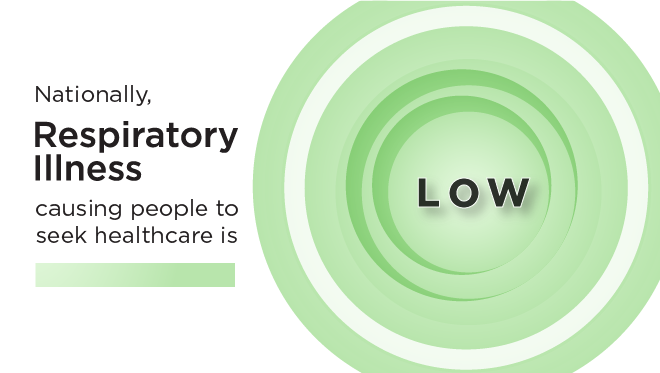
Overall respiratory illness activity in the United States*
Low
What it is: A measure of how frequently a wide variety of respiratory symptoms and conditions are diagnosed by emergency department doctors, ranging from the common cold to COVID-19, flu, and RSV.
Why it matters: Summarizes the total impact of respiratory illnesses, regardless of which diseases are causing people to get sick.
See more data »
Learn about this measurement »
Emergency department visits in the United States
COVID-19
Low
Decreasing
Flu
Low
Decreasing
RSV
Low
Decreasing
What it is: A measure of how many people are seeking medical care in emergency departments.
Why it matters: When levels are high, it may indicate that infections are making people sick enough to require treatment.
See more data »
Learn about this measurement »
Wastewater viral activity level in the United States*
COVID-19
Low
Flu†
Low
RSV
Low
What it is: A measure of how much virus is present in sewage.
Why it matters: People with certain infections can shed pieces of viruses when using the bathroom, showering, or washing clothes — even if they don't have symptoms. Testing wastewater (sewage) helps us track infection levels in the community, including when people aren’t going to the doctor.
See more data »
Learn about this measurement »
† Flu levels are for Influenza A only, which includes avian influenza A(H5). Wastewater data cannot determine the source of viruses (from humans, animals, or animal products).
Select another location
Weekly national summary
Reported on Friday, March 28, 2025
Seasonal influenza activity continues to decline. COVID-19 and RSV activity are declining nationally to low levels. COVID-19
COVID-19 activity is declining nationally to low levels. Wastewater levels and emergency department visits are at low levels, and laboratory percent positivity is stable. Emergency department visits and hospitalizations are highest in older adults and emergency department visits are also elevated in young children.
There is still time to benefit from getting your recommended immunizations to reduce your risk of illness this season, especially severe illness and hospitalization.
CDC expects the 2024-2025 COVID-19 vaccine to work well for currently circulating variants. There are many effective tools to prevent spreading COVID-19 or becoming seriously ill.
Influenza
Seasonal influenza activity continues to decline; however, CDC expects several more weeks of flu activity.
Additional information about current influenza activity can be found at: Weekly U.S. Influenza Surveillance Report | CDC
RSV
RSV activity is declining in most areas of the country. Emergency department visits and hospitalizations are highest in children and hospitalizations are elevated among older adults in some areas.
Vaccination
Vaccination coverage with influenza and COVID-19 vaccines is low among U.S. adults and children. Vaccination coverage with RSV vaccines remains low among U.S. adults. Many children and adults lack protection from respiratory virus infections provided by vaccines.
Other Respiratory Illnesses
Pertussis
Reported cases of whooping cough (pertussis) continue to be elevated nationwide. Whooping cough is very contagious and can spread easily from person to person. Babies younger than 1 year old are at highest risk of severe disease and complications. The best way to prevent complications from whooping cough is to get vaccinated. Learn more: About Whooping Cough | Whooping Cough | CDC.
Mycoplasma pneumoniae
Respiratory infections caused by the bacteria Mycoplasma pneumoniae continue to decline from their peak in late 2024. In the coming weeks, our regular updates on Mycoplasma pneumoniae will conclude as new infection trends are no longer a national concern.
Learn more: About Mycoplasma pneumoniae Infection | M. pneumoniae | CDC.
Group A Strep
Respiratory infections caused by group A Streptococcus bacteria are at typical levels for this time of the year. In the coming weeks, our regular updates on group A Streptococcus will conclude as new infection trends are no longer a national concern.
Learn more: About Strep Throat | Group A Strep | CDC.
Season Outlook
The CDC has determined that the highest hospital demand for COVID-19, flu, and RSV to date this season occurred during the week ending February 1, 2025, and it was lower than the peak demand from last season. However, influenza activity remains high in most areas.
The peak hospital demand due to COVID-19 during this fall and winter respiratory season was lower than all previous seasons, and nearly 50% lower than the peak demand last season.
CDC does not anticipate producing additional respiratory disease outlook updates during the remainder of the 2024-2025 season. Read the entire 2024-2025 Respiratory Season Outlook - February Update (2/19/2025).
Protect yourself and your community
Looking for guidance?
There are simple measures you can take to protect yourself and those around you.
Updated CDC Guidance
 Respiratory Virus Activity Levels
Updates on how COVID-19, Flu, and RSV may be spreading nationally and in your state
Mar. 28, 2025 Severe Viral Respiratory Illness
Data on how respiratory viruses are contributing to serious health outcomes
Mar. 28, 2025 People Most Impacted by Respiratory Viruses
How people of different ages, race and ethnicity, and sex are affected by COVID-19, flu, and RSV.
Mar. 28, 2025 Vaccination Trends
Vaccination uptake & intent for COVID, flu, and RSV
Mar. 28, 2025
Explore related data
Expand All Modeling Data
Wastewater
Nursing Homes
Hospital Bed Occupancy
Stay up to date with the NCIRD bulletin
View AllRespiratory Illnesses
Activity Levels
Sources
https://www.cdc.gov/respiratory-viruses/data/index.html
March 28, 2025
Respiratory Illnesses Data Channel
This site is updated on Fridays.
What to know
- As of March 28, 2025, the amount of acute respiratory illness causing people to seek health care remains at a low level.
- Seasonal influenza activity continues to decline.
- COVID-19 and RSV activity are declining nationally to low levels.
- The community snapshot shows activity levels using the following colors: very low, low, moderate, high, very high.
Your community snapshot
Search for your state / territory and your county to receive information on COVID-19, flu, and RSV in your community
The CDC may not have data for all states, counties, or territories. Read more »
Overall respiratory illness activity in the United States*
Low
What it is: A measure of how frequently a wide variety of respiratory symptoms and conditions are diagnosed by emergency department doctors, ranging from the common cold to COVID-19, flu, and RSV.
Why it matters: Summarizes the total impact of respiratory illnesses, regardless of which diseases are causing people to get sick.
See more data »
Learn about this measurement »
Emergency department visits in the United States
COVID-19
Low
Decreasing
Flu
Low
Decreasing
RSV
Low
Decreasing
What it is: A measure of how many people are seeking medical care in emergency departments.
Why it matters: When levels are high, it may indicate that infections are making people sick enough to require treatment.
See more data »
Learn about this measurement »
Wastewater viral activity level in the United States*
COVID-19
Low
Flu†
Low
RSV
Low
What it is: A measure of how much virus is present in sewage.
Why it matters: People with certain infections can shed pieces of viruses when using the bathroom, showering, or washing clothes — even if they don't have symptoms. Testing wastewater (sewage) helps us track infection levels in the community, including when people aren’t going to the doctor.
See more data »
Learn about this measurement »
† Flu levels are for Influenza A only, which includes avian influenza A(H5). Wastewater data cannot determine the source of viruses (from humans, animals, or animal products).
Select another location
Weekly national summary
Reported on Friday, March 28, 2025
Seasonal influenza activity continues to decline. COVID-19 and RSV activity are declining nationally to low levels. COVID-19
COVID-19 activity is declining nationally to low levels. Wastewater levels and emergency department visits are at low levels, and laboratory percent positivity is stable. Emergency department visits and hospitalizations are highest in older adults and emergency department visits are also elevated in young children.
There is still time to benefit from getting your recommended immunizations to reduce your risk of illness this season, especially severe illness and hospitalization.
CDC expects the 2024-2025 COVID-19 vaccine to work well for currently circulating variants. There are many effective tools to prevent spreading COVID-19 or becoming seriously ill.
Influenza
Seasonal influenza activity continues to decline; however, CDC expects several more weeks of flu activity.
Additional information about current influenza activity can be found at: Weekly U.S. Influenza Surveillance Report | CDC
RSV
RSV activity is declining in most areas of the country. Emergency department visits and hospitalizations are highest in children and hospitalizations are elevated among older adults in some areas.
Vaccination
Vaccination coverage with influenza and COVID-19 vaccines is low among U.S. adults and children. Vaccination coverage with RSV vaccines remains low among U.S. adults. Many children and adults lack protection from respiratory virus infections provided by vaccines.
Other Respiratory Illnesses
Pertussis
Reported cases of whooping cough (pertussis) continue to be elevated nationwide. Whooping cough is very contagious and can spread easily from person to person. Babies younger than 1 year old are at highest risk of severe disease and complications. The best way to prevent complications from whooping cough is to get vaccinated. Learn more: About Whooping Cough | Whooping Cough | CDC.
Mycoplasma pneumoniae
Respiratory infections caused by the bacteria Mycoplasma pneumoniae continue to decline from their peak in late 2024. In the coming weeks, our regular updates on Mycoplasma pneumoniae will conclude as new infection trends are no longer a national concern.
Learn more: About Mycoplasma pneumoniae Infection | M. pneumoniae | CDC.
Group A Strep
Respiratory infections caused by group A Streptococcus bacteria are at typical levels for this time of the year. In the coming weeks, our regular updates on group A Streptococcus will conclude as new infection trends are no longer a national concern.
Learn more: About Strep Throat | Group A Strep | CDC.
Season Outlook
The CDC has determined that the highest hospital demand for COVID-19, flu, and RSV to date this season occurred during the week ending February 1, 2025, and it was lower than the peak demand from last season. However, influenza activity remains high in most areas.
The peak hospital demand due to COVID-19 during this fall and winter respiratory season was lower than all previous seasons, and nearly 50% lower than the peak demand last season.
CDC does not anticipate producing additional respiratory disease outlook updates during the remainder of the 2024-2025 season. Read the entire 2024-2025 Respiratory Season Outlook - February Update (2/19/2025).
Protect yourself and your community
Looking for guidance?
There are simple measures you can take to protect yourself and those around you.
Updated CDC Guidance
- Safeguard your health - Get the latest information from Vaccines.gov
- Order 4 free at-home COVID-19 tests today on COVIDTests.gov
- Explore resources and recommendations for older adults - Stay informed and protected
- Review tailored health recommendations for high-risk individuals
- Feeling ill? Take immediate steps to protect yourself and others – Start here
- Have symptoms? Consider wearing a mask
- Take action against germs – Practice good hygiene
- Got questions? Check out our FAQs
Respiratory Virus Activity LevelsUpdates on how COVID-19, Flu, and RSV may be spreading nationally and in your state
Mar. 28, 2025
Severe Viral Respiratory IllnessData on how respiratory viruses are contributing to serious health outcomes
Mar. 28, 2025
People Most Impacted by Respiratory VirusesHow people of different ages, race and ethnicity, and sex are affected by COVID-19, flu, and RSV.
Mar. 28, 2025
Vaccination TrendsVaccination uptake & intent for COVID, flu, and RSV
Mar. 28, 2025
Explore related data
Expand All Modeling Data
Wastewater
Nursing Homes
Hospital Bed Occupancy
Stay up to date with the NCIRD bulletin
- CDC Updates Vaccine Recommendations
- What to Know for this Fall and Winter Virus Season
- The Changing Threat of COVID-19
- Using Wastewater Data to Inform Public Health Action
- Your community snapshot
- Weekly national summary
- Season Outlook
- Protect yourself and your community
- Continue exploring these data
- Explore related data
- Stay up to date with the NCIRD bulletin
View AllRespiratory Illnesses
Activity Levels
Sources
https://www.cdc.gov/respiratory-viruses/data/index.html