Pathfinder
Editor, Senior Moderator
Translation Google
Airport malaria in Frankfurt: Two Fraport employees dead – six infections confirmed
An employee at Frankfurt Airport has died from a malaria infection. According to Fraport, a total of six employees have been infected at work.
Mario Jacob
August 26, 2026
August 26, 2026, 5:03 PM
Two employees of Frankfurt Airport have died from complications of malaria. This was confirmed by a spokesperson for the airport operator Fraport. According to the Frankfurt health department, the first death occurred in early July, the second in August.
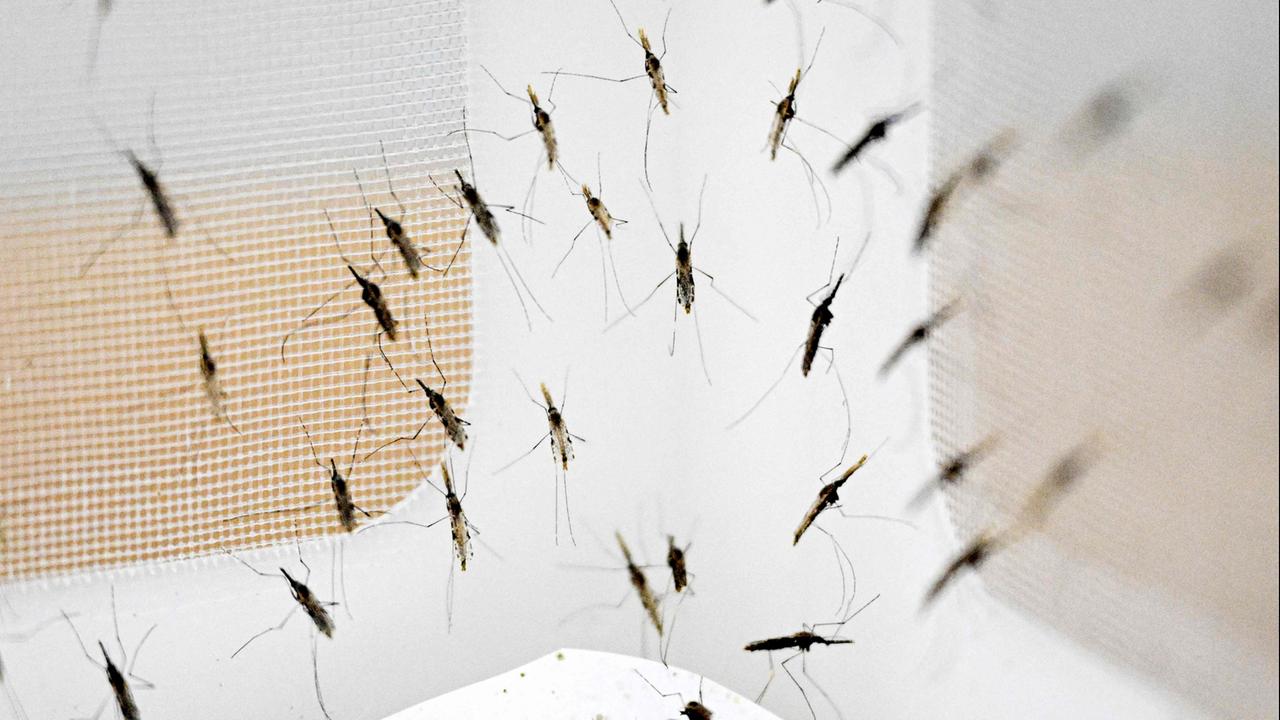
"Our deepest condolences go out to the family of the deceased," said the spokesperson. Mosquitoes, likely brought to Frankfurt by plane, are suspected as the cause.
Four employees fell ill back in July.
In mid-July, the Robert Koch Institute ( RKI ) documented an outbreak of malaria among airport employees in its "Epidemiological Bulletin," initially with four cases. According to the RKI, the affected individuals fell ill between July 4th and 6th, 2026. The institute assumes that the infections were caused by an infected Anopheles mosquito imported on an airplane.
The number of known cases has now risen: According to a Fraport spokesperson, six employees have been infected in the line of work. They are currently receiving medical treatment. Mosquito traps have been set up at the airport, and mosquitoes have already been caught. The insects are now being examined in a laboratory.
What is airport malaria?
According to the German Federal Foreign Office, malaria is a life-threatening disease transmitted by mosquitoes that are active at dusk and at night. Particularly in high-risk groups, the disease can lead to coma and death. Protection against mosquito bites and the use of preventative medication can prevent infection.
According to the Robert Koch Institute (RKI), so-called airport malaria is "very rare." It occurs when an infectious mosquito is brought in on an airplane or in luggage. Transmission then takes place on the plane, in the airport building, or in its immediate vicinity – without the affected individuals having traveled to a malaria-endemic area themselves.
According to the Robert Koch Institute (RKI), the most recently documented case of this kind also occurred at Frankfurt Airport in 2023. The institute appeals to doctors who treat people who work at or are in the vicinity of airports with intercontinental passenger and cargo flights: especially in summer, they should consider airport malaria as a possible cause of unexplained fever without a travel history.

 www.berliner-zeitung.de
--------------------------------------------------------
www.berliner-zeitung.de
--------------------------------------------------------
The official German report from the Robert Koch Institute (RKI) mentioned in the article above:
(Bulletin 29/2026 (published 16 July 2026)
Page 26/30
...
Airport malaria among employees
at Frankfurt/Main International Airport
An outbreak of four cases of malaria (caused by *Plasmodium falciparum*) has been detected among employees at Frankfurt/Main International Airport. The affected individuals fell ill between July 4 and July 6, 2026. It is believed that the infection was transmitted by an infected *Anopheles* mosquito imported via aircraft. The Frankfurt public health department is investigating the incident. In Germany, malaria typically affects almost exclusively long-distance travelers who contracted the disease through the bite of an infected mosquito in an area where malaria transmission occurs.
Malaria transmitted in the vicinity of an airport is a rare occurrence in Germany and affects individuals who have not recently traveled to a malaria-endemic area. The absence of a travel history can lead to a delay in diagnosis. A delayed diagnosis increases the risk of a severe course of the disease. The last documented case of airport malaria in Germany occurred in 2023—also at Frankfurt Airport.
Physicians treating individuals who work at airports with intercontinental flight connections (passenger and cargo flights) or who spend time in their immediate vicinity should consider rare cases of airport malaria in their differential diagnosis—particularly during the summer—when faced with unexplained fever and no history of travel. Early diagnosis and treatment are crucial to prevent severe illness and death.
Further information on malaria can be found in the RKI guide on malaria.
Further information on airport malaria can be found in these articles:
▶ Hallmaier-Wacker LK, van Eick MD, Briët O,
Delamare H, Falkenhorst G, Houzé S, et al. Airport and luggage (Odyssean) malaria in
Europe: a systematic review. Euro Surveill.
2024;29(41).
▶ Kessel J, Rosanas-Urgell A, Dingwerth T,
Goetsch U, Haller J, Huits R, et al. Investigation of an airport-associated cluster of falciparum malaria in Frankfurt, Germany, 2022.
Euro Surveill. 2024;29(5).
Note: The Robert Koch Institute does not provide individual medical advice regarding clinical presentation, treatment,
or vaccinations.
Airport malaria in Frankfurt: Two Fraport employees dead – six infections confirmed
An employee at Frankfurt Airport has died from a malaria infection. According to Fraport, a total of six employees have been infected at work.
Mario Jacob
August 26, 2026
August 26, 2026, 5:03 PM
Two employees of Frankfurt Airport have died from complications of malaria. This was confirmed by a spokesperson for the airport operator Fraport. According to the Frankfurt health department, the first death occurred in early July, the second in August.
"Our deepest condolences go out to the family of the deceased," said the spokesperson. Mosquitoes, likely brought to Frankfurt by plane, are suspected as the cause.
Four employees fell ill back in July.
In mid-July, the Robert Koch Institute ( RKI ) documented an outbreak of malaria among airport employees in its "Epidemiological Bulletin," initially with four cases. According to the RKI, the affected individuals fell ill between July 4th and 6th, 2026. The institute assumes that the infections were caused by an infected Anopheles mosquito imported on an airplane.
The number of known cases has now risen: According to a Fraport spokesperson, six employees have been infected in the line of work. They are currently receiving medical treatment. Mosquito traps have been set up at the airport, and mosquitoes have already been caught. The insects are now being examined in a laboratory.
What is airport malaria?
According to the German Federal Foreign Office, malaria is a life-threatening disease transmitted by mosquitoes that are active at dusk and at night. Particularly in high-risk groups, the disease can lead to coma and death. Protection against mosquito bites and the use of preventative medication can prevent infection.
According to the Robert Koch Institute (RKI), so-called airport malaria is "very rare." It occurs when an infectious mosquito is brought in on an airplane or in luggage. Transmission then takes place on the plane, in the airport building, or in its immediate vicinity – without the affected individuals having traveled to a malaria-endemic area themselves.
According to the Robert Koch Institute (RKI), the most recently documented case of this kind also occurred at Frankfurt Airport in 2023. The institute appeals to doctors who treat people who work at or are in the vicinity of airports with intercontinental passenger and cargo flights: especially in summer, they should consider airport malaria as a possible cause of unexplained fever without a travel history.
Flughafenmalaria in Frankfurt: Zwei Fraport-Mitarbeiter tot – sechs Infektionen bestätigt
Am Frankfurter Flughafen ist ein Beschäftigter an einer Malaria-Infektion gestorben. Insgesamt haben sich nach Angaben von Fraport sechs Mitarbeiter bei der Arbeit angesteckt.
www.berliner-zeitung.de
The official German report from the Robert Koch Institute (RKI) mentioned in the article above:
(Bulletin 29/2026 (published 16 July 2026)
Page 26/30
...
Airport malaria among employees
at Frankfurt/Main International Airport
An outbreak of four cases of malaria (caused by *Plasmodium falciparum*) has been detected among employees at Frankfurt/Main International Airport. The affected individuals fell ill between July 4 and July 6, 2026. It is believed that the infection was transmitted by an infected *Anopheles* mosquito imported via aircraft. The Frankfurt public health department is investigating the incident. In Germany, malaria typically affects almost exclusively long-distance travelers who contracted the disease through the bite of an infected mosquito in an area where malaria transmission occurs.
Malaria transmitted in the vicinity of an airport is a rare occurrence in Germany and affects individuals who have not recently traveled to a malaria-endemic area. The absence of a travel history can lead to a delay in diagnosis. A delayed diagnosis increases the risk of a severe course of the disease. The last documented case of airport malaria in Germany occurred in 2023—also at Frankfurt Airport.
Physicians treating individuals who work at airports with intercontinental flight connections (passenger and cargo flights) or who spend time in their immediate vicinity should consider rare cases of airport malaria in their differential diagnosis—particularly during the summer—when faced with unexplained fever and no history of travel. Early diagnosis and treatment are crucial to prevent severe illness and death.
Further information on malaria can be found in the RKI guide on malaria.
Further information on airport malaria can be found in these articles:
▶ Hallmaier-Wacker LK, van Eick MD, Briët O,
Delamare H, Falkenhorst G, Houzé S, et al. Airport and luggage (Odyssean) malaria in
Europe: a systematic review. Euro Surveill.
2024;29(41).
▶ Kessel J, Rosanas-Urgell A, Dingwerth T,
Goetsch U, Haller J, Huits R, et al. Investigation of an airport-associated cluster of falciparum malaria in Frankfurt, Germany, 2022.
Euro Surveill. 2024;29(5).
Note: The Robert Koch Institute does not provide individual medical advice regarding clinical presentation, treatment,
or vaccinations.