

Michael Coston
Editor, Senior Moderator
Colorado: CVMA Statement On Influenza A (HPAI H5N1) in Domestic cats
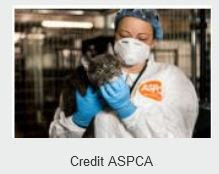
Cats Infected With avian H7N2 - NYC 2016
#18,236
We've known for two decades that cats (and to a lesser extent, dogs) are susceptible to a variety of avian flu viruses (see A Brief History Of Avian Influenza In Cats).
Famously, in 2016 hundreds of cats were infected with avian H7N2 in New York City shelters, which also spilled over into several workers (see J Infect Dis: Serological Evidence Of H7N2 Infection Among Animal Shelter Workers, NYC 2016).
Since H5N1 arrived in North America in 2021, we've seen scattered reports of H5N1 in American cats (seehere & here) - as well as larger outbreaks from other countries (see Poland & South Korea).
Until last May, the USDA wasn't including infected cats on their wildlife with H5N1 list, but that changed with the unexpected detection of HPAI H5 in dairy cattle, and reports of farm cats falling ill with the virus. On May 30th the USDA added 16 cats to the list, going back to March.

Since then, in addition to adding several new species (house mouse, deer mouse, prairie vole, desert cottontail, etc.), the USDA has added another 20 domestic cats (see list below).

All of these (> 370) detections in wildlife are assumed to be significant undercounts since wild animals often die in remote and difficult to access places, and it appears that some states are looking a lot harder for cases than others (see map below).

Details on where, and under what circumstances, many of these infected animals were detected remain disappointingly sparse. On Friday, however, the Colorado Veterinary Medical Association (CVMA) published a brief report on 6 domestic cats infected with the virus in their state in 2024.
Highlights include:
The CVMA cautions that `HPAI H5N1 infection should be considered in domestic felines even if all of the risk factors or clinical signs are not present', and that there is a `high abundance' of the virus in the environment right now.
We've seen fairly stringent recommendations from the CDC on the precautions that veterinarians should be taking when working with potentially infected animals (see CDC Guidance for Veterinarians: Evaluating & Handling Cats Potentially Exposed to HPAI H5N1).
And while the risk of a pet owner being infected by their cat (or dog) is considered low, it is not zero. The CDC offers the following Advice for Pet Owners:
Pet Owners
If your domestic animals (e.g., cats or dogs) go outside and could potentially eat or be exposed to sick or dead birds infected with bird flu viruses, or an environment contaminated with bird flu virus, they could become infected with bird flu. While it's unlikely that you would get sick with bird flu through direct contact with your infected pet, it is possible. For example, in 2016, the spread of bird flu from a cat to a person was reported in NYC. The person who was infected [2.29 MB, 4 pages] was a veterinarian who had mild flu symptoms after prolonged exposure to sick cats without using personal protective equipment.
How to prevent spread
As a general precaution, people should avoid direct contact with wild birds and observe wild birds only from a distance, whenever possible. People should also avoid contact between their pets (e.g., pet birds, dogs and cats) with wild birds. Don't touch sick or dead birds, their feces or litter, or any surface or water source (e.g., ponds, waterers, buckets, pans, troughs) that might be contaminated with their saliva, feces, or any other bodily fluids without wearing personal protective equipment (PPE). More information about specific precautions to take for preventing the spread of bird flu viruses between animals and people is available at Prevention and Antiviral Treatment of Bird Flu Viruses in People. Additional information about the appropriate PPE to wear is available at Backyard Flock Owners: Take Steps to Protect Yourself from Avian Influenza.
For more on dogs and cats infected with HPAI H5N1, you may wish to revisit:
Microorganisms: Case Report On Symptomatic H5N1 Infection In A Dog - Poland, 2023
Eurosurveillance: Two Papers On HPAI H5N1 clade 2.3.4.4b virus in cats, Poland, June to July 2023
Netherlands: Utrecht University Study Of Stray & Domestic Cats For Evidence Of HPAI H5N1 Exposure
WHO Update & Risk Assessment On H5N1 In Cats - Poland
https://afludiary.blogspot.com/2024/08/colorado-cmva-statement-on-influenza.html

Cats Infected With avian H7N2 - NYC 2016
#18,236
We've known for two decades that cats (and to a lesser extent, dogs) are susceptible to a variety of avian flu viruses (see A Brief History Of Avian Influenza In Cats).
Famously, in 2016 hundreds of cats were infected with avian H7N2 in New York City shelters, which also spilled over into several workers (see J Infect Dis: Serological Evidence Of H7N2 Infection Among Animal Shelter Workers, NYC 2016).
Since H5N1 arrived in North America in 2021, we've seen scattered reports of H5N1 in American cats (seehere & here) - as well as larger outbreaks from other countries (see Poland & South Korea).
Until last May, the USDA wasn't including infected cats on their wildlife with H5N1 list, but that changed with the unexpected detection of HPAI H5 in dairy cattle, and reports of farm cats falling ill with the virus. On May 30th the USDA added 16 cats to the list, going back to March.
Since then, in addition to adding several new species (house mouse, deer mouse, prairie vole, desert cottontail, etc.), the USDA has added another 20 domestic cats (see list below).
All of these (> 370) detections in wildlife are assumed to be significant undercounts since wild animals often die in remote and difficult to access places, and it appears that some states are looking a lot harder for cases than others (see map below).
Details on where, and under what circumstances, many of these infected animals were detected remain disappointingly sparse. On Friday, however, the Colorado Veterinary Medical Association (CVMA) published a brief report on 6 domestic cats infected with the virus in their state in 2024.
Highlights include:
- Only 1 of the 6 were directly linked to a dairy farm
- Two of the 6 were indoor only cats, with no known exposures to the virus
- Three of the 6 were indoor/outdoor cats, which may have hunted mice and/or small birds
- Five of the 6 presented with respiratory symptoms and neurological impairment
We've seen fairly stringent recommendations from the CDC on the precautions that veterinarians should be taking when working with potentially infected animals (see CDC Guidance for Veterinarians: Evaluating & Handling Cats Potentially Exposed to HPAI H5N1).
And while the risk of a pet owner being infected by their cat (or dog) is considered low, it is not zero. The CDC offers the following Advice for Pet Owners:
Pet Owners
If your domestic animals (e.g., cats or dogs) go outside and could potentially eat or be exposed to sick or dead birds infected with bird flu viruses, or an environment contaminated with bird flu virus, they could become infected with bird flu. While it's unlikely that you would get sick with bird flu through direct contact with your infected pet, it is possible. For example, in 2016, the spread of bird flu from a cat to a person was reported in NYC. The person who was infected [2.29 MB, 4 pages] was a veterinarian who had mild flu symptoms after prolonged exposure to sick cats without using personal protective equipment.
If your pet is showing signs of illness compatible with bird flu virus infection and has been exposed to infected (sick or dead) wild birds/poultry, you should monitor your health for signs of fever or infection.
How to prevent spread
As a general precaution, people should avoid direct contact with wild birds and observe wild birds only from a distance, whenever possible. People should also avoid contact between their pets (e.g., pet birds, dogs and cats) with wild birds. Don't touch sick or dead birds, their feces or litter, or any surface or water source (e.g., ponds, waterers, buckets, pans, troughs) that might be contaminated with their saliva, feces, or any other bodily fluids without wearing personal protective equipment (PPE). More information about specific precautions to take for preventing the spread of bird flu viruses between animals and people is available at Prevention and Antiviral Treatment of Bird Flu Viruses in People. Additional information about the appropriate PPE to wear is available at Backyard Flock Owners: Take Steps to Protect Yourself from Avian Influenza.
For more on dogs and cats infected with HPAI H5N1, you may wish to revisit:
Microorganisms: Case Report On Symptomatic H5N1 Infection In A Dog - Poland, 2023
Eurosurveillance: Two Papers On HPAI H5N1 clade 2.3.4.4b virus in cats, Poland, June to July 2023
Netherlands: Utrecht University Study Of Stray & Domestic Cats For Evidence Of HPAI H5N1 Exposure
WHO Update & Risk Assessment On H5N1 In Cats - Poland
https://afludiary.blogspot.com/2024/08/colorado-cmva-statement-on-influenza.html