• FluTrackers.com Inc. does not provide medical advice. Information on this web site is collected from various internet resources, and the FluTrackers board of directors makes no warranty to the safety, efficacy, correctness or completeness of the information posted on this site by any author or poster. The information collated here is for instructional and/or discussion purposes only and is NOT intended to diagnose or treat any disease, illness, or other medical condition. Every individual reader or poster should seek advice from their personal physician/healthcare practitioner before considering or using any interventions that are discussed on this website. By continuing to access this website you agree to consult your personal physican before using any interventions posted on this website, and you agree to hold harmless FluTrackers.com Inc., the board of directors, the members, and all authors and posters for any effects from use of any medication, supplement, vitamin or other substance, device, intervention, etc. mentioned in posts on this website, or other internet venues referenced in posts on this website.
  • We are not asking for any donations. Do not donate to any entity who says they are raising funds for us.

China finds suspected H5N1 outbreak among ducks

Re: China finds suspected H5N1 outbreak among ducks

<TABLE cellSpacing=0 cellPadding=5 width=600 border=0><TBODY><TR><TD align=right width=155>11:25, September 18, 2007</TD></TR></TBODY></TABLE>
dot_red.gif

<TABLE cellSpacing=0 cellPadding=5 width=600 border=0><TBODY><TR><TD class=fbody colSpan=2>
Guangzhou to cull 10,000 poultry against bird flu outbreak​
China's southern city of Guangzhou plans to cull another 10,000 domestic fowls following the outbreak of bird flu, according to local authorities.

At least 36,130 ducks had been culled as of Sept. 17 after a subtype H5N1 bird flu strain killed some 9,830 ducks raised in Sixian Village of Panyu District in Guangzhou City since Sept. 5, China's Ministry of Agriculture and the National Avian Influenza Reference Laboratory have confirmed.

The Panyu district government announced on Monday that all the 10,000 domestic fowls in the bird flu infected area will be culled. Compulsory vaccination and disinfection will be carried out within a radius of 5 square kilometers and all poultry markets within a 13-meter-radius surveillance zone will be closed.

The local government has pledged to compensate farmers for their economic losses and the amount of compensation will be decided soon.

More than 50 poultry farmers in the village are taking blood tests and medical checkups. A headquarters has been established to take charge of bird flu outbreak control and prevention, according to the local agricultural bureau.

Six supervision teams have been dispatched to different regions in Guangzhou, capital of southern Guangdong Province, helping to enforce vaccination on all domestic fowls in the city as of next Tuesday, the bureau said.

As the world's largest producer of poultry, livestock and aquatic products, China suffers much economic losses from outbreaks of animal diseases. It is estimated that animal diseases cost China 40 billion yuan annually.

The previous reported case of H5N1 bird flu in China occurred in May in central China's Hunan Province, which killed more than 11,000 poultry with another 52,800 birds being culled.

China has reported 25 human cases of bird flu since 2003, which have resulted in 16 deaths.

Source: Xinhua </TD></TR></TBODY></TABLE>
http://english.people.com.cn/90001/90782/6265215.html
 
Re: China finds suspected H5N1 outbreak among ducks

China confirms new bird flu outbreak

Beijing (dpa) - Chinese experts have confirmed an outbreak of H5N1 avian influenza in ducks in the southern province of Guangdong, the agriculture ministry said on Tuesday.

The national avian influenza laboratory confirmed the presence of a sub-type of the H5N1 virus in ducks that had died since September 5 at farms close to the provincial capital, Guangzhou, the ministry said on its website.

Workers had culled 36,130 ducks in two areas of Guangzhou's Panyu district to prevent the spread of bird flu.

No further deaths of birds were reported in the area and experts believed the outbreak had been effectively controlled, it said.

Experts have long warned that the virus might be more widespread in China, where dozens of outbreaks of H5N1 have been reported in poultry.

The World Health Organisation last week warned China and other Asian nations against complacency.

"Despite efforts to control outbreaks, H5N1 has become deeply rooted in domestic birds, making it difficult to control the spread of the virus," WHO said.
China has reported 25 human infections with the H5N1 strain of bird flu since 2003. Sixteen of those people have died.

http://www.bangkokpost.com/breaking_news/breakingnews.php?id=121779
 
Re: China finds suspected H5N1 outbreak among ducks

Just ignore the Chinese characters (unless you read Chinese, of course :smartass:)


A
larmed by the avian flu epidemic, Guangdong found that people infected
请看博讯热点: 禽流感
Members get hot here: bird flu
( <small>博讯北京时间2007年9月17日转载</small> )
<small>(Members get - September 17, 2007 reproduced)</small> <!--bodystart-->
广州番禺近万只鸭疑似感染禽流感死亡的事件引起广泛关注。​
Guangzhou Panyu nearly 10,000 ducks died of suspected bird flu incident has drawn widespread attention.
16日晚记者从广东省卫生厅获悉,目前广东省尚未发现人感染禽流感病例。​
The evening of 16 journalists from the Guangdong Provincial Health Office was informed that Guangdong has not found infected with avian flu.
According to the provincial health department responsible person said, the Office has issued an emergency circular calling for monitoring of the epidemic across the province to strengthen prevention and control, in particular, to strengthen influenza-like cases, unidentified pneumonia cases Monitor.
广州方面也已启动了禽流感疫情的应急预案,对番禺接触过死鸭的人员进行抽血检验、隔离观察,对从事活禽饲养屠宰的从业人员进行健康教育。​
Guangzhou has also launched a bird flu emergency plan, Panyu contact with dead duck staff for blood testing, isolation and observation, in keeping livestock slaughtered practitioners in health education.
省疾控中心的专家表示,目前尚未发现禽流感会?人传人?的更确切证据,公众无需过分担心。​
Cheese experts said it has not found avian flu "person-to-person" more precise evidence, the public need not worry too much.
昨天下午,广州市政府召开全市高致病性禽流感等重大动物疫病防控工作会议,要求严防疫情扩散和出现新疫情,严防疫病传染到人。​
Yesterday afternoon, the Guangzhou municipal government held city of highly pathogenic avian influenza and other major animal disease prevention and control work meeting requirements to prevent the spread of the epidemic and the emergence of new disease, preventing transmission of the disease to humans.
各级防治重大动物疫病指挥部即日起建立24小时值班制度。​
All levels of major animal disease control headquarters now established a 24-hour duty system.
有关负责人表示,针对番禺区疑似高致病性禽流感疫情,广州市已经采取了紧急措施,并使疫情得到有效控制。​
The responsible person said that in view of the Panyu District of suspected highly pathogenic bird flu, Guangzhou City has taken emergency measures, and the disease has been effectively contained.
不过,还要进一步落实各项防控措施,严防疫情扩散,严防出现新疫情,严防疫病传染到人。​
However, we should further implement various prevention and control measures to prevent the spread of the epidemic to prevent a new epidemic, preventing disease transmission to humans.
市防治重大动物疫病指挥部要求:各级各部门要高度重视,加强领导,严格执行《广州市高致病性禽流感疫情应急工作方案》。​
The major animal disease control headquarters Requirements: Relevant departments at all levels should attach great importance to and strengthen leadership to strictly enforce the "Guangzhou City of highly pathogenic avian flu epidemic contingency work program."
各区(县级市)主要领导要亲自过问,成立工作小组,迅速落实各项防疫措施。​
District (county-level city) the principal leaders must personally intervene and set up a working group to rapidly implement various prevention measures.
如因措施不力、处理不当,造成重大不良影响的,要追究责任人责任。​
As a result of inadequate measures to deal with misconduct, resulting in a significant adverse impact to accountability responsibilities.
此外,对全市畜禽立即加强免疫和免疫效果监测。​
In addition, the immediate strengthening of the city's animal immunization and immune effect monitoring.
各区(县级市)每月要进行一次以上的系统监测,各地应确保在9月25日前家禽高致病性禽流感免疫密度达到100%,免疫效果达到国家规定要求。​
District (county-level city) more than once a month for the monitoring system, all localities should ensure that the September 25 poultry highly pathogenic avian influenza immunization density reaches 100%, results meet the state immunization requirements.
同时,加强疫情报告制度。​
At the same time, the epidemic reporting system.
各级防治重大动物疫病指挥部即日起建立24小时值班制度,发现可疑疫情,按规定及时上报。​
All levels of major animal disease control headquarters now established a 24-hour duty system and found suspicious epidemic, timely reporting in accordance with the regulations.
广州市防治重大动物疫病指挥部值班电话为:020-86394865。​
Guangzhou major animal disease control headquarters on duty at silver-86394865.
另外,会议要求加强巡查,对全市畜禽饲养场实行封闭管理,加强消毒,畜禽饲养场一般要求每周消毒2-3次。​
In addition, the meeting called for stepping up inspections, livestock farms in the city be closed management, strengthening disinfection, livestock farms generally require disinfection 2-3 times weekly.
目前,广州市未发现新的动物疫情。​
At present, Guangzhou City and found no new animal epidemic.
广州市农业局成立了6个工作督导组,将于今日起分赴各区(县级市)检查指导防控措施落实情况。​
Guangzhou Municipal Bureau of Agriculture established a steering group of six will be dispatched to various districts from today (county-level city) inspect and guide the implementation of prevention and control measures.
来源:奥一网 _(网文转载)​
Source: Austrian _ a network (Network text reproduced) <!--bodyend-->
(博讯 boxun.com)​
(Boxun.com)

http://64.233.179.104/translate_c?h...07/09/200709170910.shtml&prev=/language_tools
 
Re: China finds suspected H5N1 outbreak among ducks

......... Poor fits lead easier immunological evasion.

Can we assume this would also apply to human pre-pandemic vaccines, such as the trivalent one being tested by Belgian researchers?

.
 
Re: China finds suspected H5N1 outbreak among ducks

China Says Poultry Markets Won't Spread Bird Flu (Update2)

By Dune Lawrence and William Bi
<!-- WARNING: #foreach: $wnstory.ATTS: null at /bb/data/web/templates/webmacro_en/20601205.wm:285.2 --><!-- WARNING: #foreach: $wnstory.ATTS: null at /bb/data/web/templates/webmacro_en/20601205.wm:299.19 -->Sept. 18 (Bloomberg) -- China has already banned live poultry markets in major cities and in areas where avian flu has been detected to control the disease, an official said in a move to assure the public concerned about an outbreak this month.
``Our task is to prevent poultry that have been stricken by avian flu from getting into the market,'' said Zhou Bohua, director of the State Administration of Industry and Commerce, at a press conference today in Beijing. The existing ban applies to major urban centers such as Beijing and Shanghai, he said.
Hong Kong yesterday said it would halt poultry imports from southern China's Guangdong because of an outbreak of bird flu in duck farms in the province's Panyu county. China last November asked regulators to toughen rules on the slaughter and retail of poultry, and phase out live animal markets in urban centers.
``The situation is pretty serious and has caused panic among poultry farms,'' said Shanghai JC Intelligence Co.'s livestock analyst Lang Ping. ``Feed producers have reported stalled sales, and we're not certain the outbreak is contained.''
Imports from about 20 farms within a 24-kilometer radius of the Guangdong outbreak would be halted for 21 days, Hong Kong's health secretary York Chow said yesterday. Imports of frozen poultry and eggs from all of Guangdong province would be halted for a week, he said.
In the provincial city of Guangzhou, authorities announced a plan to slaughter 10,000 fowls, force farmers to vaccinate their birds within a 5-kilometer radius of the outbreak following the outbreak of bird flu, the Xinhua News Agency said today.
Closing Guangdong Markets
All poultry markets within 13 kilometers of the Panyu outbreak will be closed, Xinhua said. More than 50 poultry farmers in the village where the outbreak occurred are taking blood tests, Xinhua said.
So far, only ducks were reported to have been affected by the virus, and because their share of the poultry market is limited, the effects on feed have not yet been felt in prices, Lang said, adding September and October are the high-risk season for the disease.
Spot prices for soybean meal in Guangdong gained 50 yuan to 3,350 yuan ($445) a ton today. Prices for the animal protein meal have gained 27 percent in the past month boosted by the rising poultry production.
Guangdong's bird flu has killed 9,830 ducks since Sept. 5, according to a Sept. 15 statement by China's Ministry of Agriculture. The provincial government has slaughtered a further 32,630 ducks to try to prevent the spread of the virus, the ministry said.
Bird Flu Danger
Millions of humans could die should the H5N1 virus become as contagious as seasonal flu and spark a global pandemic. The disease had killed 200 people as of Sept. 11, according to the World Health Organization. Contact with infected birds may cause fatal human H5N1 cases, according to the group.
No human infections arising from the Guangdong outbreak have been reported to the World Health Organization, said Peter Cordingley, a Manila-based spokesman for the WHO, in a telephone interview today.
The regulator will take special measures to supervise pork markets and monitor agricultural products for pesticide residues and formaldehyde, the commerce administration's Zhou said as he outlined the agency's goals for a four-month crackdown on unsafe food and products ordered by the central government from Aug. 23.
Only meat bought under contract from licensed butchers that's passed inspections will be allowed into markets, and spot checks will increase, Zhou said.
`Sensitive Products'
``For sensitive products like poultry and pork, which have an immediate impact on people's lives, we supervise the whole procedure to ensure market of the product's quality,'' Zhou said.
The regulator is focusing on instituting better record- keeping in markets, requiring wholesalers and retailers to demand invoices and business certificates from suppliers to cut out unlicensed companies and create a paper trail in case of quality problems, he said.
China has a total of 4.69 million food operators, including 345,800 companies and 2.54 million self-employed individuals involved in distribution, wholesale or retailing, according to statistics by the commerce administration.
As many as 9,098 unlicensed food operators have been shut between 2006 and the end of July, Zhou said today. The government's investigations and crackdowns involved counterfeit and low-quality goods valued at 227 million yuan, he said. :tiphat: http://www.bloomberg.com/apps/news?pid=20601205&sid=aJWkPlzyYf8Y&refer=consumer
 
Re: China finds suspected H5N1 outbreak among ducks

China Says Poultry Markets Won't Spread Bird Flu (Update2)


By Dune Lawrence and William Bi
<!-- WARNING: #foreach: $wnstory.ATTS: null at /bb/data/web/templates/webmacro_en/20601080.wm:309.2 --><!-- WARNING: #foreach: $wnstory.ATTS: null at /bb/data/web/templates/webmacro_en/20601080.wm:323.19 -->Sept. 18 (Bloomberg) -- China has already banned live poultry markets in major cities and in areas where avian flu has been detected to control the disease, an official said in a move to assure the public concerned about an outbreak this month.

``Our task is to prevent poultry that have been stricken by avian flu from getting into the market,'' said Zhou Bohua, director of the State Administration of Industry and Commerce, at a press conference today in Beijing. The existing ban applies to major urban centers such as Beijing and Shanghai, he said.

Hong Kong yesterday said it would halt poultry imports from southern China's Guangdong because of an outbreak of bird flu in duck farms in the province's Panyu county. China last November asked regulators to toughen rules on the slaughter and retail of poultry, and phase out live animal markets in urban centers.

``The situation is pretty serious and has caused panic among poultry farms,'' said Shanghai JC Intelligence Co.'s livestock analyst Lang Ping.

``Feed producers have reported stalled sales, and we're not certain the outbreak is contained.''

Imports from about 20 farms within a 24-kilometer radius of the Guangdong outbreak would be halted for 21 days, Hong Kong's health secretary York Chow said yesterday. Imports of frozen poultry and eggs from all of Guangdong province would be halted for a week, he said.

In the provincial city of Guangzhou, authorities announced a plan to slaughter 10,000 fowls, force farmers to vaccinate their birds within a 5-kilometer radius of the outbreak following the outbreak of bird flu, the Xinhua News Agency said today.

Closing Guangdong Markets

All poultry markets within 13 kilometers of the Panyu outbreak will be closed, Xinhua said. More than 50 poultry farmers in the village where the outbreak occurred are taking blood tests, Xinhua said.

So far, only ducks were reported to have been affected by the virus, and because their share of the poultry market is limited, the effects on feed have not yet been felt in prices, Lang said, adding September and October are the high-risk season for the disease.

Spot prices for soybean meal in Guangdong gained 50 yuan to 3,350 yuan ($445) a ton today. Prices for the animal protein meal have gained 27 percent in the past month boosted by the rising poultry production.

Guangdong's bird flu has killed 9,830 ducks since Sept. 5, according to a Sept. 15 statement by China's Ministry of Agriculture. The provincial government has slaughtered a further 32,630 ducks to try to prevent the spread of the virus, the ministry said.

Bird Flu Danger

Millions of humans could die should the H5N1 virus become as contagious as seasonal flu and spark a global pandemic. The disease had killed 200 people as of Sept. 11, according to the World Health Organization. Contact with infected birds may cause fatal human H5N1 cases, according to the group.
No human infections arising from the Guangdong outbreak have been reported to the World Health Organization, said Peter Cordingley, a Manila-based spokesman for the WHO, in a telephone interview today.

The regulator will take special measures to supervise pork markets and monitor agricultural products for pesticide residues and formaldehyde, the commerce administration's Zhou said as he outlined the agency's goals for a four-month crackdown on unsafe food and products ordered by the central government from Aug. 23.

Only meat bought under contract from licensed butchers that's passed inspections will be allowed into markets, and spot checks will increase, Zhou said.

`Sensitive Products'

``For sensitive products like poultry and pork, which have an immediate impact on people's lives, we supervise the whole procedure to ensure market of the product's quality,'' Zhou said.

The regulator is focusing on instituting better record- keeping in markets, requiring wholesalers and retailers to demand invoices and business certificates from suppliers to cut out unlicensed companies and create a paper trail in case of quality problems, he said.

China has a total of 4.69 million food operators, including 345,800 companies and 2.54 million self-employed individuals involved in distribution, wholesale or retailing, according to statistics by the commerce administration.

As many as 9,098 unlicensed food operators have been shut between 2006 and the end of July, Zhou said today. The government's investigations and crackdowns involved counterfeit and low-quality goods valued at 227 million yuan, he said.

To contact the reporter on this story: Dune Lawrence in Beijing at dlawrence@bloomberg.net William Bi in Beijing at wbi@bloomberg.net
Last Updated: September 18, 2007 02:07 EDT
 
Re: China finds suspected H5N1 outbreak among ducks

From Shangai Daily
zhttp://www.shanghaidaily.com/article/?id=331609

Provincial bird flu alert
(Guangdong)
2007-9-18

A worker yesterday disinfects a vehicle before it leaves Panyu in southern Guangdong Province. The Ministry of Agriculture has confirmed a suspected outbreak of H5N1 bird flu among ducks in Panyu. Almost 10,000 ducks have succumbed to the disease in the area and more than 36,100 have been slaughtered to contain the outbreak.
 
Re: China finds suspected H5N1 outbreak among ducks

10,000 More Birds To Be Culled In Guangzhou, China

18 Sep 2007

Chinese authorities plan to cull another 10,000 domestic birds in the city of Guangzhou, capital of southern Guangdong Province, in a further attempt to contain the latest bird flu outbreak.

According to China's central media agency, Xinhua, at least 36,130 ducks have been culled since a strain of H5N1 bird flu killed 9,830 ducks in the Sixian Village of Panyu District in Guangzhou City. The outbreak was first suspected when the deaths, on five farms, started on 5th September.

Tests on tissue samples at the National Avian Influenza Reference Laboratory have since revealed the birds died of the highly pathogenic form of H5N1 bird flu, confirmed officials from China's Ministry of Agriculture.

The planned cull of 10,000 birds was announced on Monday, by the Panyu district government. This is in addition to the 36,130 ducks that have already been culled in the area.

Compulsory vaccination and disinfection will also be carried out, up to a radius of 5 square kilometres, and all poultry markets inside a 13 kilometre surveillance zone will also be closed.

Six teams of officials have been sent to different parts of Guangzhou to enforce vaccination of all domestic fowl.

Farmers in local villages are also having blood tests and undergoing medical examination.

Local government will be compensating farmers for their losses, said the report in Xinhua.

Ranking first in farm output, where over 300 million farm workers work on mostly small plots of land, China is the world's largest producer of poultry and other livestock.

The last H5N1 bird flu outbreak in China was in Hunan province, in the central part of the country, in May this year. That outbreak killed more than 11,000 domestic birds and nearly 53,000 had to be culled.

York Chow, Hong Kong's Health Secretary, said that Hong Kong will be suspending imports of chilled and frozen duck from southern Guangdong province, according to a report by the Press Association. The suspension is planned to last one week.

Up to 10th September, the World Health Organization has received 328 laboratory confirmed reports of human cases of H5N1 worldwide since 2003, including 200 deaths.

Of these China has reported 25 human cases, of which 16 have resulted in death.

The highly pathogenic strain of H5N1 can only pass to humans from infected sick or dead birds. Experts believe it is only a matter of time before a human to human strain emerges and when that does it will lead to a world pandemic with millions of deaths.

There is currently no vaccine for H5N1, although many scientists are working towards developing one. There have been some promising breakthroughs but even if one was discovered today it would be some years before it passed clinical trials and got into mass production.

http://www.medicalnewstoday.com/articles/82753.php
 
Re: China finds suspected H5N1 outbreak among ducks

As the situation grows more serious so does the confusion. Posts # 18, 21 and 38 all talk about the vulnerability of vaccinated birds as did a post mention the concerns about possible mutation of the H5N1. The 1997 outbreak was snuffed with culling (no vaccine available). The plan in the immediately preceding post to emphasize vaccination over culling is worrisome.

On Promed the discussion follows:
http://www.promedmail.org/pls/prome..._BACK_PAGE,F2400_P1001_PUB_MAIL_ID:1000,39351


AVIAN INFLUENZA (155): CHINA (GUANGZHOU), DUCK
**********************************************
A ProMED-mail post

ProMED-mail is a program of the
International Society for Infectious Diseases


[1]
Date: Mon 17 Sep 2007
Source: The Standard (Hong Kong) [edited]


Nearly 10 000 ducks that died of bird flu at farms near Guangzhou's Panyu
district had been vaccinated against the disease, sparking fears that the
deadly H5N1 virus may have mutated.
...
communicated by:
ProMED-mail rapporteur Mary Marshall

[Earlier media reports from China mentioned duck plague as the suspected
cause of the recorded duck mortality in Panyu; probably, this misdiagnosis
was inspired by the supposition that the affected ducks were immune to
avian influenza.

As rightly suggested by Dr Yu Yedong, initial single vaccinations confer
partial immunity only; one may add, a short lived immunity, unless booster
vaccination is carried out at the prescribed timing.

Various other reasons may lead to vaccine failure. To try to analyze them,
it would be of help if the date of vaccination, the age of the ducklings,
the type of vaccine used and the mode of its application were available. -

Mod.AS]

Hong Kong generally has very good surveillance and transparency. We may find more useful details from sources there.
JT
 
Re: China finds suspected H5N1 outbreak among ducks

Here is the most recent press release ( 9/17 HK) I can find from Hong Kong authorities. This press release identified details of the outbreak and distinguishes precautionary measures from control measures. I especially appreciate the way it lists the actions of various agencies. In my opinion it does a good job of placing people on alert, and provides information on what stepts are taken to provide protection. it also provides a means for judging if the situation is stable or worsening. For example a stable outcome is no new bird outbreaks and no signs of human illness. so far the time frame suggest the outbreak may be near controlled.

http://www.info.gov.hk/gia/general/200709/17/P200709170283.htm

Secretary for Food and Health on avian influenza
************************************************
Following is the transcript (English portion) of remarks made by the Secretary for Food and Health, Dr York Chow, at a media stand-up session in the West Wing lobby of Central Government Offices tonight (September 17):

Secretary for Food and Health: We were notified by the Ministry of Agriculture this evening confirming the suspected case of avian influenza H5N1 among ducks in Panyu, Guangdong. We have come up with a list of measures to protect the health and food supply of Hong Kong. Starting immediately, we will suspend all imports of live poultry and birds, day-old chicks, poultry eggs, chilled and frozen meat from all farms within 24 kilometres radius from Xinzao, the outbreak town, for 21 days. As the case in question involved waterfowl infection, the Government will therefore suspend all imports of chilled and frozen ducks and geese, as well as duck and goose eggs from Guangdong Province for one week. In the meantime, the Food and Environmental Hygiene Department (FEHD) and the Guangdong authority will jointly inspect some of the registered poultry farms which supply live chickens to Hong Kong, especially those that outside the suspension zone, to ascertain that chickens for supply to Hong Kong are safe for consumption. The Government will liaise closely with the Ministry of Agriculture and the Guangdong authority to understand more of the epidemic and of control measures taken. We have decided to have a daily conversation. If there were any changes of condition, we would adjust our import arrangements accordingly to further protect the public. The Government will also scrap the arrangement to increase live chicken imports from the Mainland for the Mid-Autumn Festival that we have stated out earlier. As stated last week, the arrangement of lifting the ceiling of live chicken import would be suspended if avian influenza infection were found in human or poultry in Guangdong or Hong Kong. In the meantime, various Government departments have stepped up measures against avian influenza. The Agriculture, Fisheries and Conservation Department (AFCD) and FEHD would enhance inspection and surveillance of the hygiene conditions in all local live poultry farms, as well as wholesale and retail markets. FEHD would step up inspection of live chickens imported from the Mainland at the boundary. AFCD, FEHD, the Customs and Excise Department, the Police and the relevant Mainland authorities will strive to deter illegal import of poultry and birds to Hong Kong to prevent an increase in the risk of avian influenza outbreak brought by poultry and birds that had not gone through inspection and quarantine. The Department of Health will step up health advice to travellers by broadcasting health messages at immigration control points and distributing health advice leaflets. Let me stress here that the import suspension is a precautionary measure. So far, no problem has been detected in mainland poultry and poultry products supplying to Hong Kong. And we have informed the relevant Mainland authorities of our measures. Guangdong is close to Hong Kong and the animal and human transport activities are busy. Therefore, there is a pressing need for the Government to adopt measures to guard against any outbreak of avian influenza and to safeguard public health. The public should not worry too much. But they should stay alert and observe good personal and environmental hygiene.

Reporter: How serious is the outbreak? How is the ban on importing livestock going to affect Hong Kong?

Dr Chow: Any outbreak is considered serious. But we have to assess that this case is an isolated case at the moment. We have to note that since the outbreak which was detected from September 5 until the culling on September 14, there is no further outbreak in the vicinity of that area. We feel that it might be an isolated case. But in spite of that, we want to make sure that the zone we have marked out is sufficiently safe for any of the poultry exports. That is why we extend the usual practice of eight kilometres by threefold into 24 kilometres as the radius. According to our assessment, there are about 20 registered chicken farms in that area. Out of the 90 odd registered farms that used to export live chickens to Hong Kong, there will be about 20 that will be affected. We do not know exactly the volume of export at the moment.

(Please also refer to the Chinese portion of the transcript)
Ends/Monday, September 17, 2007
Issued at HKT 22:15
 
Re: China finds suspected H5N1 outbreak among ducks

<TABLE cellSpacing=0 cellPadding=0 width=645 border=0><TBODY><TR><TD class=style2 align=middle>150,000 Poultries Culled in Guangzhou Bird Flu Outbreak </TD></TR><TR><TD bgColor=#cccccc height=1></TD></TR><TR><TD align=right height=25> javascript:void(0);
spacer.gif
javascript:void(0);</TD></TR></TBODY></TABLE><TABLE cellSpacing=0 cellPadding=0 width=630 border=0><TBODY><TR><TD class=style3 style="PADDING-BOTTOM: 10px; PADDING-TOP: 10px"><!--enpcontent-->China's southern city of Guangzhou has destroyed 153,320 domestic fowls in the wake of an outbreak of bird flu, local authorities said on Tuesday.

The extermination of 134,384 ducks, 18,786 chickens and 150 doves was carried out in nine villages within a radius of three kilometers from the site of the outbreak, an official with the Panyu district government said.

A total of 68 poultry farmers in Panyu district who have had close contact with ducks killed by bird flu have taken blood tests and medical checkups, and were found to be in good condition.

The Ministry of Agriculture and the National Avian Influenza Reference Laboratory have confirmed a subtype H5N1 bird flu strain killed 9,830 ducks raised in Sixian Village of Panyu District in Guangzhou City since September 5.

The Panyu district government announced on Tuesday the suspension of all poultry markets within a 13-kilometer-radius surveillance zone. Tan Yinghua, Party chief of the district, told Xinhua the district would put more pork, beef and fish on the market to meet the needs of local consumers.

As the world's largest producer of poultry, livestock and aquatic products, China has suffered huge economic losses from outbreaks of animal diseases. It is estimated that animal diseases cost China 40 billion yuan annually

The previous reported case of H5N1 bird flu in China occurred in May in central China's Hunan Province, which killed more than 11,000 poultry with another 52,800 birds being culled.
China has reported 25 human cases of bird flu since 2003, which have resulted in 16 deaths.
(Xinhua News Agency September 19, 2007)
<!--/enpcontent--><!--enpproperty <date>2007-09-19 08:34:25</date><author></author><title>150,000 Poultries Culled in Guangzhou Bird Flu Outbreak</title><keyword>bird,flu,guangzhou</keyword><subtitle></subtitle><introtitle></introtitle><siteid>1007</siteid><nodename>Local News</nodename><sort></sort><domainname>www.china.org.cn</domainname>/enpproperty-->
</TD></TR></TBODY></TABLE>
 
Re: China finds suspected H5N1 outbreak among ducks

Parts of China not fully ready against bird flu - official
Sept 19, 2007

BEIJING (XFN-ASIA) - A senior Chinese agriculture official has warned that some parts of the country are still unprepared to respond to bird flu, days after an outbreak in the south, state media reported.

"We are still seeing epidemic outbreaks in certain places, but there are problems in some areas with unworkable bird flu control measures, vaccinations not being in place, and untimely monitoring," Vice Agriculture Minister Yin Chengjie said.

His comments carried in the Beijing News came a day after official media said the southern city of Guangzhou had culled more than 153,000 ducks and chickens this week to stamp out an outbreak of the disease.

The cull was ordered after more than 9,000 ducks died from a sub-strain of the H5N1 virus, which has been known to kill humans.

The cull was carried out in nine villages in the Panyu district near the city, with 68 poultry farmers undergoing medical precautionary checks, Xinhua news agency said.

No cases of humans contracting the virus have been reported there, it said.

Yin said China has to strengthen monitoring and response systems nationwide due to recent outbreaks in "surrounding countries", an apparent reference to cases of the disease in Vietnam and elsewhere.

"The disease has continued to spread in neighbouring countries. This poses a big danger to our prevention and control work," he was quoted as saying during a meeting on Tuesday.

http://www.iii.co.uk/news/?type=afxnews&articleid=6293354&subject=general&action=article
 
Re: China finds suspected H5N1 outbreak among ducks

China Rushes to Halt Bird Flu Among Ducks

By Maureen Fan
Washington Post Foreign Service
Wednesday, September 19, 2007; Page A17


BEIJING, Sept. 18


China scrambled to respond Tuesday to an outbreak of bird flu among ducks in the southern city of Guangzhou. But as officials sought to reassure the public, there were signs that China was reluctant to release details about a possible health threat.


The outbreak in Guangzhou's Panyu district is the first of the H5N1 bird flu strain since May, but it has been brought under control, the Agriculture Ministry said. The ministry's Web site said 36,130 ducks had been culled; other news reports suggested more than double that number had been killed


"All areas which have bird flu outbreaks have to stop trade in live poultry across the board, and shut wet markets," or live animal markets, the director of the State Administration of Industry and Commerce, Zhou Bohua, said at a news conference in Beijing.


China's government has previously played down the severity of natural disasters, public health crises and other problems. It was accused of initially covering up and then responding too slowly to the 2003 SARS crisis, which is also believed to have originated in Guangdong province.


The government is particularly sensitive to international perceptions now, as it tries to respond to concerns about food safety.


Zhou's department is in charge of making sure that animal products from contaminated areas do not make it to market. "Beijing, Guangzhou, Shanghai and other big cities have already abandoned wet markets and conduct regulated slaughter, transportation and selling," Zhou said, adding that "every step of the way" was being supervised.


But the Agriculture Ministry in Beijing, Panyu district officials in Guangzhou and other local officials all refused to answer specific questions, saying they would have to wait until a uniform statement was prepared for all news media. That statement was not released.


In Guangzhou, reporters and editors were told not to cover the outbreak themselves, but to use only the version provided by the official New China News Agency.


In Hong Kong, some media chafed at the restrictions.


"Alarm Bells Are Ringing," Hong Kong's Mingpao newspaper editorialized Tuesday, a day after the city suspended chilled and frozen duck imports from Guangdong.


The paper said that birds began to die in large numbers in Panyu on Sept. 5, but that it wasn't until last Wednesday that local officials told the Panyu government of the outbreak and not until Thursday that Guangdong provincial authorities learned of it.


"Because local officials have delayed reporting the outbreak to the authorities, people are worried that the central government's rules governing the prevention and control of avian flu may not have been fully followed," the paper said.


On her blog, Luqiu Luwei, a well-known reporter for Phoenix TV, also criticized the delay. "The flaws exposed by this process make people worry about it," she wrote.


About 200 people worldwide have died of the H5N1 strain of bird flu, most of them in Indonesia and Vietnam, according to the World Health Organization. More than 150 million birds have died of the disease or been culled in an effort to prevent its spread.


While some experts speculated that the outbreak in China may have been caused in part because bird flu vaccine was improperly applied to the duck population, others said it was also possible that the vaccine, intended for chickens, was simply not effective in ducks.


Guangdong officials said that the ducks in Guangzhou were injected with bird flu vaccine one to 10 days ago and that the antibodies had not yet been built up in the birds, according to state media reports that cited Yu Yedong, Guangdong's director of animal epidemic prevention and supervision.


A woman from the Animal Husbandry Institute at Guangdong's Academy of Agricultural Sciences who declined to give her name expressed confidence in the government. "Who else can we trust?" she said. "If you are suspicious with anything you eat here, you'd better eat nothing."


http://www.washingtonpost.com/wp-dyn/content/article/2007/09/18/AR2007091801445.html?hpid=sec-health


Researchers Zhang Jie, Li Jie and Jin Ling contributed to this report.
 
Re: China finds suspected H5N1 outbreak among ducks

<TABLE cellSpacing=0 cellPadding=0 width="98%" border=0><TBODY><TR><TD class=articletitle>MoA dispatches bird flu control teams in Guangzhou, urges vigilance </TD></TR><TR><TD class=articlebody>Shanghai. September 19. INTERFAX-CHINA - China's Ministry of Agriculture said yesterday that it will dispatch 12 teams to supervise the prevention and control of bird flu following a confirmed case of the disease in Guangzhou in southern China's Guangdong Province.
Vice minister of Agriculture Yin Chengjie called on local governments and authorities to prepare for outbreaks of major animal-related illnesses, for which autumn is a peak period.
Increased activity in poultry trade in the run-up to the Mid-Autumn Festival and National Day, two major Chinese holidays, will heighten the risk of outbreaks spreading, Yin said. He went on to say that new cases of bird flu in countries bordering China have threatened China's prevention and control efforts.
Yin urged supervision teams to examine vaccination efforts in the areas they visit. The teams will also check the disease-prevention measures on poultry farms.
China's National Avian Influenza Reference Laboratory this week confirmed an outbreak of bird flu in Guangzhou Province as a sub-type of the H5N1 strain of the virus. The government has culled 36,130 fowls and plans to cull 10,000 more in the infected region.
-CX

http://www.interfax.cn/displayarticle.asp?aid=28085&slug=CHINA-HEALTH-DISEASES
</TD></TR></TBODY></TABLE>
 
Re: China finds suspected H5N1 outbreak among ducks

Worth watching... Nice to see the 3 regions cooperating...

http://news.gov.hk/en/category/healthandcommunity/070920/html/070920en05003.htm

Prevention


Gov't response to bird flu to be tested

The Centre for Health Protection will conduct an inter-departmental exercise Friday to test the Government's preparedness for avian flu outbreak involving human cases in Hong Kong.

The one-day exercise, with 250 participants, will focus on frontline response and inter-departmental communication and co-ordination. Ground movement capacity to be tested will include field investigations, patient management, admission and treatment procedures at the newly commissioned Infectious Disease and Major Incident Control Centres in Princess Margaret Hospital, isolation and transfer of close contacts, activation of a quarantine centre and other logistics support.

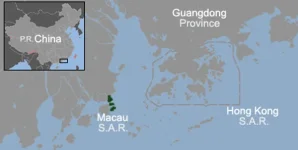
Representatives from the Ministry of Health and Guangdong and Macau health authorities will attend as observers.
 

Attachments

  • sar.jpg
    sar.jpg
    37.7 KB · Views: 0
Back
Top