

Gert van der Hoek
In Memoriam - Editor, Senior Moderator
Ministry of Health confirms second case of Nile fever in country
[FONT="]14/02/19[/FONT]
[FONT="]BRAS?LIA, Brazil (FOLHAPRESS) - The Brazilian Ministry of Health confirmed the second case reported in the country of neurological disease by the West Nile virus, a type of arbovirose still unknown in Brazil.[/FONT]
[FONT="]Like dengue and zika, West Nile fever virus is transmitted through the bite of infected mosquitoes, mainly of the genus Culex (stilt).[/FONT]
[FONT="]The case is of a young woman who lives in the rural area of Picos, in the interior of Piau?, and suffered a picture of acute flaccid muscle paralysis in June 2017.[/FONT]
[FONT="]According to the State Department of Health, the exams were collected at the time, but the ministry released the results only earlier this year.[/FONT]
[FONT="]The tests pointed to the presence of antibodies against the virus in the patient's blood. In note, the portfolio attributes the delay to the need for conclusive awards.[/FONT]
[FONT="]This is the second confirmed case of the disease in the country. Until then, Brazil had recorded only one case of Nile fever, which occurred in August 2014.[/FONT]
[FONT="]The patient, a 52-year-old cowboy from Aroeiras do Itaim, in the interior of Piau?, was hospitalized at the ICU at the time after presenting symptoms such as fever, headache, paralysis in the arms and legs, confusion and stiff neck.[/FONT]
[FONT="]According to Marcelo Adriano Vieira, a neurologist at the Natan Portela Institute of Tropical Diseases who accompanied the case, the patient was discharged but had sequelae, such as walking difficulties.[/FONT]
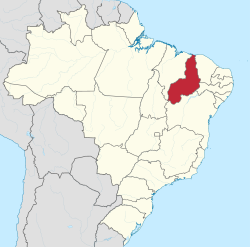
[FONT="]Piau?[/FONT] State- wikipedia
[FONT="]14/02/19[/FONT]
[FONT="]BRAS?LIA, Brazil (FOLHAPRESS) - The Brazilian Ministry of Health confirmed the second case reported in the country of neurological disease by the West Nile virus, a type of arbovirose still unknown in Brazil.[/FONT]
[FONT="]Like dengue and zika, West Nile fever virus is transmitted through the bite of infected mosquitoes, mainly of the genus Culex (stilt).[/FONT]
[FONT="]The case is of a young woman who lives in the rural area of Picos, in the interior of Piau?, and suffered a picture of acute flaccid muscle paralysis in June 2017.[/FONT]
[FONT="]According to the State Department of Health, the exams were collected at the time, but the ministry released the results only earlier this year.[/FONT]
[FONT="]The tests pointed to the presence of antibodies against the virus in the patient's blood. In note, the portfolio attributes the delay to the need for conclusive awards.[/FONT]
[FONT="]This is the second confirmed case of the disease in the country. Until then, Brazil had recorded only one case of Nile fever, which occurred in August 2014.[/FONT]
[FONT="]The patient, a 52-year-old cowboy from Aroeiras do Itaim, in the interior of Piau?, was hospitalized at the ICU at the time after presenting symptoms such as fever, headache, paralysis in the arms and legs, confusion and stiff neck.[/FONT]
[FONT="]According to Marcelo Adriano Vieira, a neurologist at the Natan Portela Institute of Tropical Diseases who accompanied the case, the patient was discharged but had sequelae, such as walking difficulties.[/FONT]
[FONT="]Piau?[/FONT] State- wikipedia
